An Aussie That Herds the Lawnmower
It’s a scenario many Australian Shepherd owners know all too well: you’re trying to get the yard tidied up, push or ride that lawnmower, and suddenly, your trusty Aussie is right there, trying to "herd" the noisy machine. This isn't just annoying; it's genuinely dangerous for both your dog and yourself. This guide will walk you through why your Australian Shepherd sees the lawnmower as a wayward sheep, how to keep everyone safe, and strategies for managing and redirecting this powerful, innate drive.
Understanding the Herding Instinct Behind the Mower Chase
Australian Shepherds are phenomenal dogs, known for their intelligence, loyalty, and incredible work ethic. But that very work ethic, particularly their strong herding instinct, can manifest in some rather inconvenient—and sometimes dangerous—ways around the house. When your Aussie goes after the lawnmower, it’s not because they're being naughty or disobedient; they're simply trying to do what they were bred to do.
The Core Drive of an Australian Shepherd
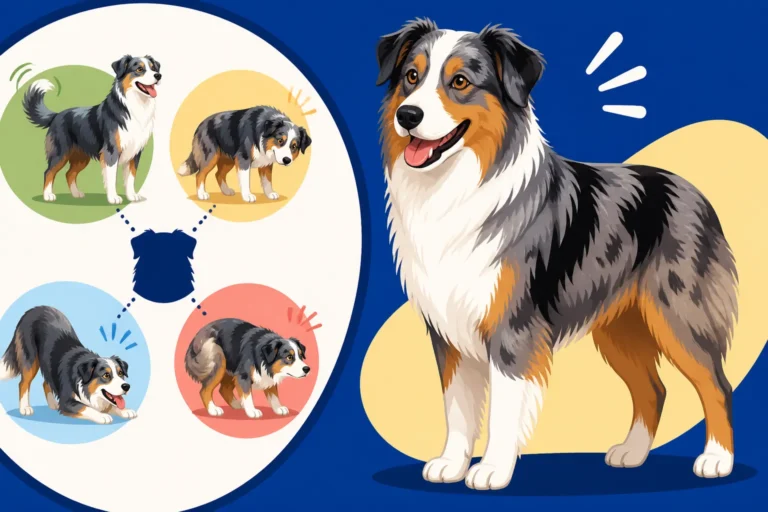
At its heart, the Australian Shepherd is a working dog. For generations, these dogs were carefully bred to gather, drive, and protect livestock. This means they possess an incredibly strong prey drive and an inherent understanding of how to control movement. Their minds are wired to respond to things that move, especially those that move erratically or away from a perceived group. They see motion, and their brain automatically thinks, "That needs to be gathered, that needs to be controlled, that needs to be moved." It's not a choice for them; it's an operating system. Trying to train this instinct out completely is often a losing battle because it’s so deeply ingrained. Instead, our job as Aussie owners is to understand it and provide appropriate, safe outlets. If you've ever wondered why your Aussie can't just 'relax' during certain activities, it often comes back to this unfulfilled or misdirected drive. The Australian Shepherd Herding Drive You Cannot Train Out covers this in more detail.
Why the Lawnmower Becomes a "Sheep"
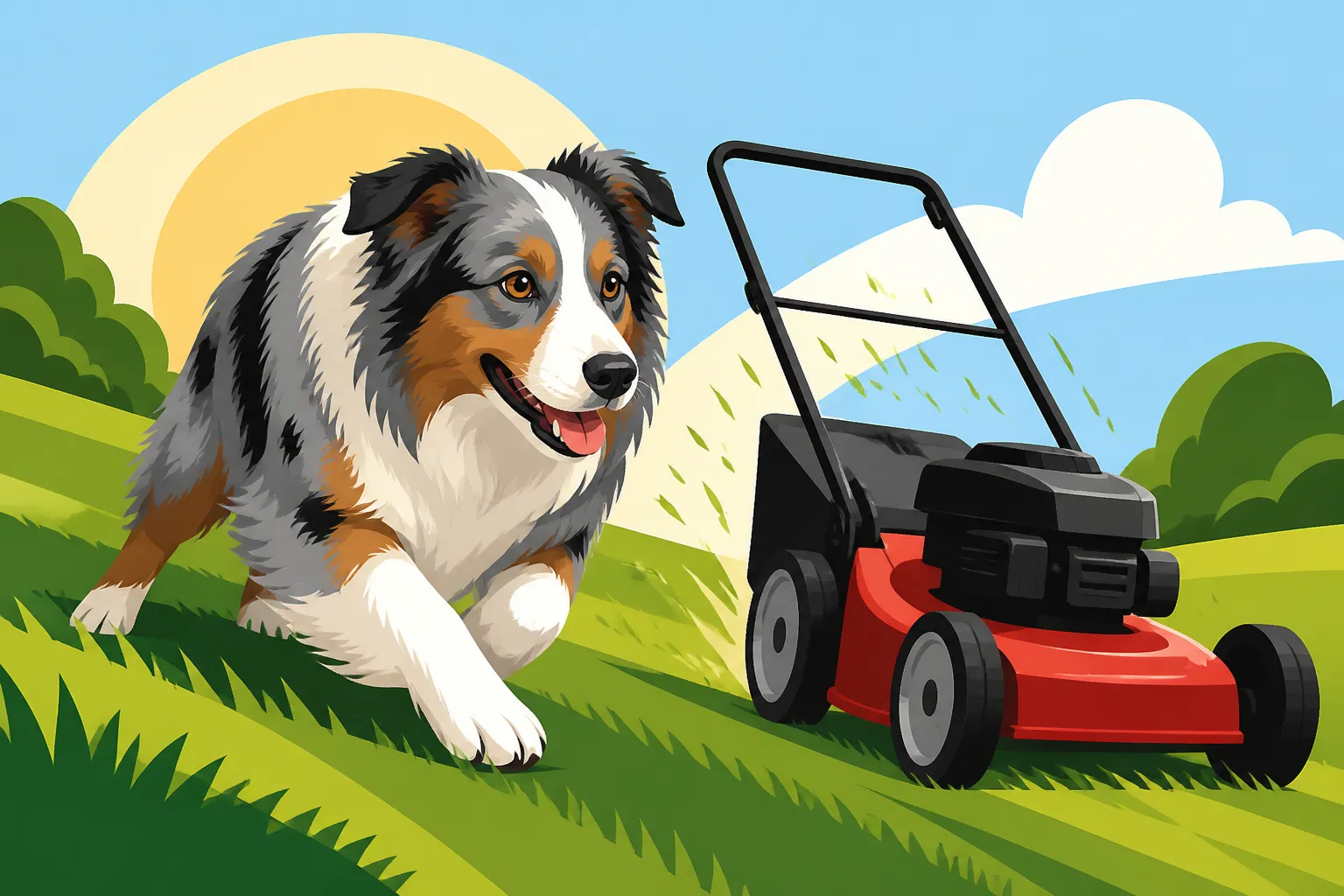
To an Australian Shepherd, the lawnmower checks all the boxes for a "runaway animal." First, there's the movement. It's a large, often fast-moving object. Second, the noise – a loud, consistent, sometimes erratic sound that mimics the commotion of livestock. Third, the vibration and the way it pushes grass around can seem like it's disrupting the "flock" (i.e., your lawn or even your family members). Your Aussie isn't just observing; they're analyzing. They might circle it, nip at its "heels" (the wheels or blades), or try to block its path, all classic herding behaviors. They perceive it as something that needs to be brought into line, to be controlled. It’s an inanimate object that needs to be managed in their eyes. This same instinct can be seen with other moving objects like bicycles, joggers, or even a vacuum cleaner, as explored in An Australian Shepherd Herding a Vacuum Cleaner. It's a testament to their dedication to their job, even if the "job" is entirely imagined.
The Risks Involved in Mower Herding
Allowing your Aussie to herd a lawnmower is incredibly dangerous. The most obvious risk is severe injury from the mower blades. A dog can easily get caught under the deck, leading to horrific, life-threatening injuries or even death. Even if they avoid the blades, there's the risk of being struck by the machine, especially ride-on mowers, which are heavy and can cause significant blunt force trauma. Additionally, the constant exposure to loud noise can be damaging to their sensitive hearing over time. For you, the owner, having a dog darting underfoot is a major tripping hazard, especially when you're focused on operating heavy machinery. You could fall, injure yourself, or lose control of the mower, leading to accidents involving property or others nearby. The emotional toll of witnessing or being involved in such an accident is profound, making prevention absolutely paramount.
Safety First: Preventing Accidents While Mowing
When it comes to something as high-risk as a lawnmower, prevention isn't just a suggestion; it's a non-negotiable rule. Your Aussie must be kept safe and separate from the mowing area. This might sound obvious, but the creativity and persistence of an Australian Shepherd when they decide something needs herding can be surprising.
Creating a Safe Zone for Your Aussie
Before you even think about starting that engine, ensure your Australian Shepherd is in a secure, designated safe zone. This could be:
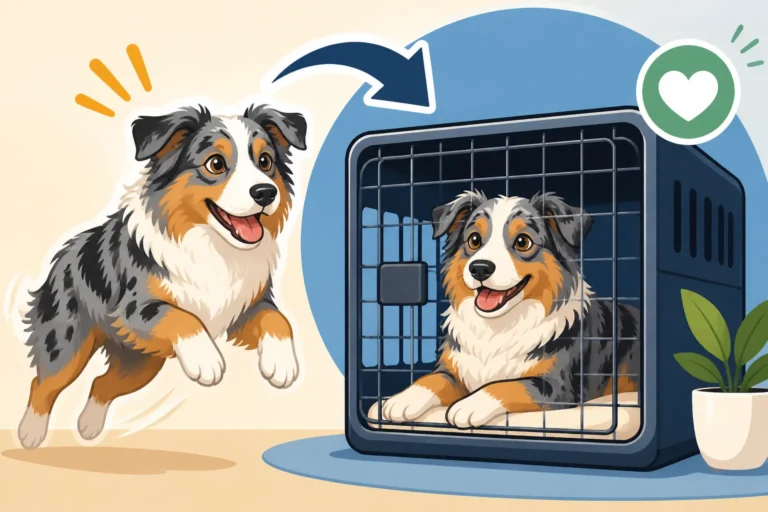
- Indoors: The simplest and often safest option. Put your Aussie in their crate with a high-value chew toy or puzzle feeder in a room far away from the noise and sight of the mower. Ensure they've had plenty of exercise and a potty break beforehand so they're ready to settle. A good, sturdy crate is an essential piece of gear for any Aussie owner. The Crate a Fifty Pound Aussie Needs can help you select the right size.
- A secure kennel run: If you have an outdoor kennel, ensure it is fully enclosed, sturdy, and the latch is secure. Again, provide a distraction to keep their mind occupied.
- Inside a secure, fenced yard, separate from the mowing area: If you have a large property with multiple fenced sections, you might be able to put your Aussie in one area while you mow another. However, be absolutely certain the fence is escape-proof and that the dog cannot squeeze under, jump over, or chew through it to get to the mower.
The key here is absolute physical separation. Do not rely on verbal commands alone, especially when the herding drive is so powerfully triggered. Your dog's safety is non-negotiable.
Training for Impulse Control Around High-Value Triggers
While physical separation is your immediate safety net, building strong impulse control is a crucial long-term strategy for any Australian Shepherd owner. Training specific cues like "leave it" and "stay" to a rock-solid level can be incredibly beneficial.
- "Leave It": Start practicing "leave it" in low-distraction environments with low-value items, gradually increasing the difficulty. Work up to practicing with moving objects far away, then closer. The goal is for your Aussie to ignore the trigger, not just momentarily, but consistently. This command needs to be deeply ingrained so that it becomes an automatic response even when their herding instinct is roaring.
- "Stay": A strong "stay" command is also vital. Can your Aussie maintain a "stay" while you walk away, perhaps even out of sight for a moment? Gradually introduce minor distractions, then more significant ones, always rewarding heavily for success.
These commands won't replace physical containment for mowing, but they build a foundation of self-control that can prevent other dangerous herding behaviors, such as chasing cars or bikes, and can be useful in emergency situations. For consistent, structured training, resources like BAXTER & Bella offer comprehensive online programs that can guide you through these fundamental commands at your own pace, helping you build a strong training relationship.
Supervision and Management Strategies
Even with the best training and a designated safe zone, vigilant supervision is always necessary.
- Never leave your Aussie unattended when the mower is out, even if it's off. The mere presence of the machine can be a trigger.
- Communicate with family members. Ensure everyone in the household understands the rules and the dangers. If a child is mowing, they might not be as aware of the dog's whereabouts or the potential risks.
- Consider your Aussie's arousal levels. If your dog is already over-stimulated or has pent-up energy, their impulse control will be lower. Ensure they're calm and relaxed before you even bring out the mower. This might mean a good, tiring session of fetch or a long walk before mowing day, not on mowing day itself.
- Leash work in a safe area: If you absolutely must have your Aussie outside while the mower is present (e.g., if you're just moving it from the garage to the shed), keep them on a sturdy leash and harness. However, this is for brief, controlled moments only, never during actual mowing. A long line can also be a useful tool for practicing control at a distance in a safe, open area, as detailed in Long Lines and Harnesses for an Australian Shepherd.
Redirecting Herding Drive: Giving Your Aussie a Job
Since you can't truly train out the herding instinct, the next best thing is to give it a legitimate, safe outlet. This means channeling that powerful drive into appropriate activities that satisfy their desire to work and control.
Structured Play and Mental Stimulation
Australian Shepherds thrive on having a "job." If they don't have one, they'll invent one—and that often involves herding inanimate objects or family members!
- Flirt Poles: A flirt pole is a fantastic tool for channeling prey drive and providing intense physical and mental exercise. It's essentially a long stick with a lure (a toy or rag) attached to a rope. You can make the lure dart, stop, and change direction, mimicking prey movement, which is irresistible to an Aussie. This allows them to chase, stalk, and "catch" in a safe, controlled way.
- Herding Balls (e.g., Jolly Ball, Treibball): These are large, durable balls designed for dogs to push and herd. They satisfy the urge to move an object without any risk to the dog. Many Aussies absolutely adore pushing these balls around a yard or field. It's a fantastic alternative to herding livestock and provides a great physical workout. Introducing an Aussie to a Herding Ball has more information on how to get started.
- Scent Work and Nose Games: These activities are incredibly mentally fatiguing for an Aussie. Using their nose engages a different part of their brain and is much less stimulating than chasing. Hide treats around the house or yard and encourage them to find them. This can be a great way to tire them out mentally, which is often more effective than just physical exercise. Scent Games That Tire an Australian Shepherd offers great ideas.
- Tug-of-War: A good, structured game of tug-of-war can be a fantastic way to engage your Aussie's prey drive and release some energy, as long as it's played with rules (e.g., "drop it" on command). This outlet is explored further in Tug as a Legal Outlet for Aussie Herding Drive.
Table: Redirecting Herding Drive – Tools & Techniques
| Tool/Technique | Description | Benefits for Aussies | Considerations |
|---|---|---|---|
| Flirt Pole | Long rod with a rope and lure; mimics small prey. | High-intensity exercise, satisfies chase/catch drive. | Requires active handler; can be highly arousing if not managed. |
| Herding Ball | Large, durable ball for pushing, circling (e.g., Jolly Ball, Treibball). | Mimics moving livestock, safe physical outlet. | Needs open space; not all Aussies take to it initially. |
| Scent Work/Nose Games | Hiding treats/toys for dog to find using their nose. | Mentally tiring, builds confidence, low physical impact. | Can be done indoors/outdoors; requires setup; less physically demanding. |
| Structured Tug | Controlled game of tug-of-war with rules (drop, take it). | Outlet for prey drive, strengthens bond, builds impulse control. | Must have clear rules; avoid rough play that encourages nipping. |
| Puzzle Feeders | Toys that dispense food as dog manipulates them. | Mental stimulation, slows eating, reduces boredom. | Not a primary exercise, but good for quiet mental work; many options on Amazon. |
Incorporating Obedience and Foundation Training
Consistent, positive reinforcement-based obedience training is the bedrock of managing any high-drive breed. It’s not just about teaching commands; it’s about building a strong communication system between you and your Aussie.
- Reliable Recall: An emergency recall, one that your Aussie will drop everything for, is critical. Practice this in various environments and with increasing distractions. This isn't just about coming back; it's about breaking focus on a highly stimulating object, which applies directly to the lawnmower scenario. Australian Shepherd Recall Around Moving Things offers guidance on this challenging aspect.
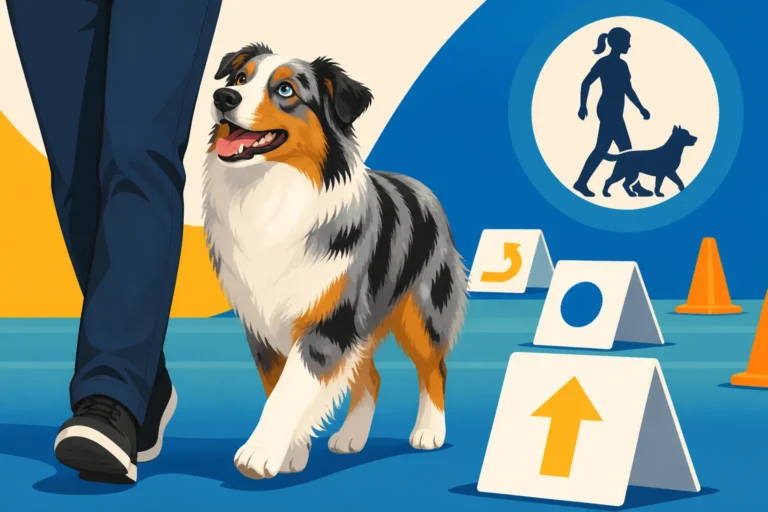
- Focus and Attention: Teach your Aussie to offer you attention voluntarily, especially in distracting environments. "Watch me" or a similar cue can help redirect their focus from a tempting moving object back to you.
- "Go to Place" or Mat Training: Teaching your dog to go to a specific mat or bed and stay there, even when you're busy, is invaluable. This creates an "off switch" for them and a reliable default behavior when you need them settled.
Remember, every training session is an opportunity to reinforce positive behaviors and build their ability to make good choices, even when their instincts are screaming otherwise.
Professional Help: When to Seek a Trainer
Sometimes, despite your best efforts, the herding instinct around specific triggers can be overwhelming for both you and your Aussie. This is when a professional trainer, especially one experienced with herding breeds and their unique drives, can be a game-changer.
- Identifying the Root Cause: A good trainer can help you understand the nuances of your dog’s specific motivations and triggers.
- Tailored Training Plans: They can develop a personalized training plan that addresses your Aussie's individual needs and your specific household challenges. This might involve counter-conditioning or desensitization techniques.
- Advanced Techniques: For highly aroused or persistent behaviors, a professional might introduce more advanced management or modification techniques that are difficult to implement effectively on your own.
- Support and Guidance: Dealing with intense herding drive can be frustrating. A trainer provides invaluable support and helps you maintain consistency and confidence. Finding a Trainer Who Understands an Aussie is a great resource for identifying the right professional. Don't hesitate to seek help if you're struggling; it’s a sign of a responsible owner committed to their dog's well-being.
Long-Term Management and Realistic Expectations
Living with an Australian Shepherd means accepting and managing their strong instincts. It’s a journey, not a quick fix, and it requires dedication and a realistic outlook.
Consistency Is Key
Every single person who interacts with your Australian Shepherd needs to be on the same page regarding rules and expectations, especially around the lawnmower. If one person allows the dog near the mower while another always secures them, it creates confusion and undermines your training efforts.
- Household Rules: Establish clear rules: the dog is never outside when the mower is running.
- Communication: Discuss strategies and commands with all family members, ensuring everyone uses the same cues and follows the same safety protocols.
- Repetition: Consistency in all areas of training reinforces desired behaviors. If you want your Aussie to be calm and settled during specific events, you need to be consistently reinforcing that behavior. This continuous effort is crucial for them to truly understand why an Aussie needs a job to be calm.
Adjusting to Life with a Herding Breed
The truth is, you'll never completely eradicate your Australian Shepherd's herding instinct. It’s like asking a fish not to swim. Instead, learn to appreciate it and redirect it.
- Embrace Their Nature: Understand that their drive is a part of their charm and brilliance. It’s what makes them such intelligent, engaged companions.
- Scheduled Work: Integrate regular, structured "work" into their daily routine. This could be daily training sessions, puzzle feeders, or dedicated play with a flirt pole.
- Problem-Solving: Instead of getting frustrated, see challenging behaviors as a puzzle to solve. How can you provide an appropriate outlet for this specific drive?
- Patience and Empathy: Remember your Aussie isn't being malicious. They are acting on instinct. Your patience and understanding will go a long way in fostering a strong bond and successful management.
Investing in the Right Tools
Having the right gear makes a huge difference in safely managing an Australian Shepherd with high herding drive.
- Secure Crates: Essential for safe containment during high-risk activities like mowing. Look for durable, well-ventilated options. You can find a wide variety of these on Amazon, often with reviews from other Aussie owners.
- Long Lines and Harnesses: For safe, controlled exercise and training in open spaces. A good front-clip harness can also provide better control on walks.
- Durable Enrichment Toys: Herding balls, puzzle feeders, and sturdy chew toys are vital for mental stimulation and redirecting oral fixations (like heel-nipping) into acceptable chewing. Many Aussies are strong chewers, so look for products designed for tough use. Chew Toys That Last With an Australian Shepherd can give you some excellent ideas for what to look for.
- High-Value Treats: Crucial for positive reinforcement during training sessions, especially when working on impulse control around distractions.
By understanding your Australian Shepherd's natural inclinations, prioritizing safety, and consistently providing appropriate outlets for their intelligence and drive, you can navigate the challenges of their herding instinct, even around something as mundane (to us) as a lawnmower.
Disclaimer
This article is for general informational purposes only and does not constitute professional advice. Laws, prices and regulations vary by location and change over time. Consult a qualified professional for guidance on your specific situation.