The First Year Mistakes Aussie Owners Make
Bringing home a new Australian Shepherd puppy is an absolute whirlwind of excitement, adorable antics, and often, a hefty dose of "what have I gotten myself into?" Many first-time Aussie owners quickly find themselves overwhelmed by the sheer intensity and intelligence of these incredible dogs, often making common, well-intentioned mistakes in that crucial first year. This guide is here to shed light on those typical pitfalls and offer practical, empathetic advice to help you navigate your Aussie's puppyhood and adolescence successfully, ensuring a harmonious life together.
Underestimating Their Need for Mental Stimulation and Purpose
One of the biggest blunders new Australian Shepherd owners make isn't about physical exercise – though that's a huge part of it – but rather failing to recognize the profound need for mental engagement. These aren't dogs content with just a long walk; their brains were literally bred for complex problem-solving, decision-making, and constant mental processing. When an Aussie's mind isn't challenged, it finds its own "jobs," and believe me, those jobs are rarely what you had in mind for your furniture, garden, or quiet evenings.
Imagine an Aussie sitting politely for a treat, but then, moments later, it's herding your cat, circling the kids, or meticulously dismantling a dog bed. This isn't naughtiness; it's a bored brain seeking engagement. Without an appropriate outlet, that brilliant working mind can become a destructive force. Providing brain games, puzzle toys, and consistent training isn't a luxury for an Aussie; it's an absolute necessity for their well-being and your sanity. They thrive on having a purpose, even if that purpose is just figuring out how to get kibble out of a dispenser.
Relying Solely on Physical Exercise
It's tempting to think that if your Australian Shepherd just runs enough, they'll be tired and calm. Many new owners discover the hard way that an hour of intense fetch often makes their Aussie fitter, faster, and even more amped up than before. While physical activity is crucial, it's only half the equation. You could run a marathon with some Aussies, and they'd still be pacing the house, ready for more. Their endurance is legendary, and simply upping the physical output often leads to building a canine athlete who needs even more physical exercise.
Think of it this way: a human athlete might run miles every day, but they also use their brain for their job or hobbies. An Aussie is no different. Without mental tasks, they can become restless, anxious, and prone to destructive behaviors. Instead of just adding another mile to the walk, consider adding twenty minutes of intensive trick training, a complex scent game, or a session with a flirt pole where they have to think about timing and direction. This balance is key to creating a truly tired, content Australian Shepherd. We've talked extensively about Why Physical Exercise Alone Never Settles an Aussie because it’s such a common misunderstanding.
Not Providing a "Job" or Constructive Outlet
Australian Shepherds were bred to work closely with humans, making decisions, and managing livestock. This ingrained drive means they excel when given a purpose. If you don't provide a constructive "job," they will invent one. This could manifest as constant "herding" of family members, nipping at heels, or barking at anything that moves outside the window. They crave engagement and problem-solving, and a lack of it can lead to frustration for both dog and owner.
Consider activities like formal obedience training, agility, flyball, disc dog, or even scent work. These sports tap into their natural abilities, provide immense mental stimulation, and build a stronger bond between you and your dog. Even simple at-home jobs, like carrying in a soft grocery bag, retrieving specific items, or helping "find" your keys, can satisfy that need for purpose. For those considering a serious path, Getting an Aussie Herding Instinct Tested can be an eye-opening experience into their core drive. Many owners find online puppy programs, like those offered by BAXTER & Bella, can provide a structured curriculum to teach commands and tricks that double as mental stimulation right from the start.
Neglecting Early and Consistent Training and Socialization
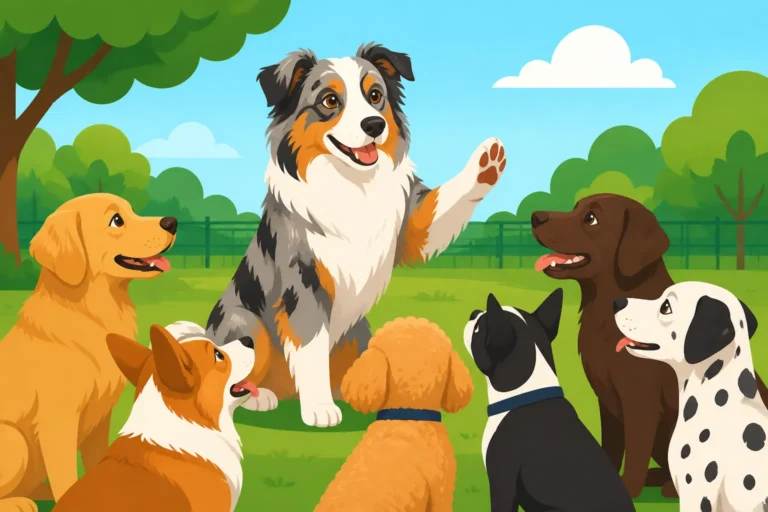
The Australian Shepherd is a highly intelligent breed, which means they are incredibly capable of learning – both good habits and bad ones. Many new owners mistakenly believe that because their Aussie puppy is so smart, training will be easy or can wait. The reality is that their intelligence, combined with their strong herding instincts and potential reserved nature, makes early and consistent training and socialization absolutely paramount. Without it, you can quickly end up with a brilliant but unmanageable adolescent.
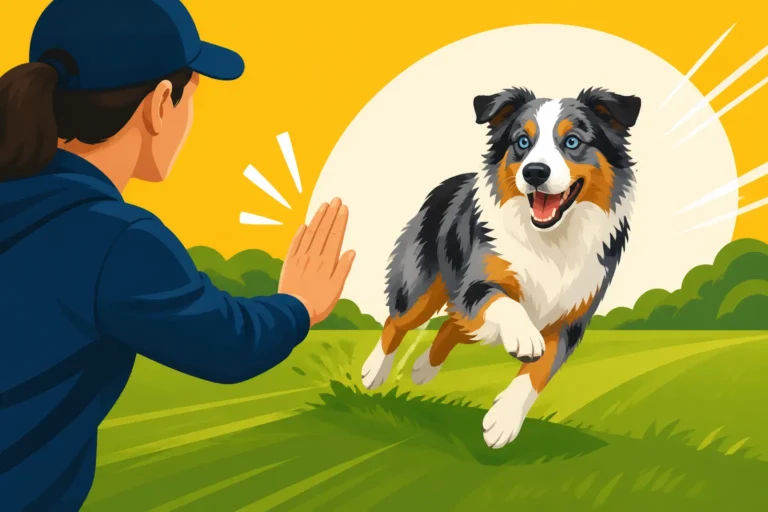
Imagine your adorable fluffball at eight weeks, all wobbly legs and puppy breath. Fast forward six months, and that same puppy is now a powerful, confident adolescent with a full set of opinions and the drive to act on them. The foundation you lay in those early months will determine what kind of adult dog you share your life with. Consistency is more important than intensity, and starting small, manageable training sessions every single day will yield far greater results than infrequent, long, overwhelming ones.
Overlooking the Puppy Biting Phase
All puppies bite, but with an Australian Shepherd, it can feel particularly intense due to their strong herding instinct. They naturally use their mouths to interact with the world and to "control" movement, which can translate into painful nips on hands, ankles, and clothing. A common mistake is not redirecting this behavior effectively or failing to teach bite inhibition. Owners might scold or yank their hand away, which can sometimes escalate the behavior or make the puppy fearful.
Instead, when those sharp puppy teeth make contact with skin, an immediate, calm redirection to an appropriate chew toy is essential. The goal isn't to punish the biting, but to teach the puppy what is acceptable to bite. Providing a variety of durable chew toys, especially those that can be stuffed with treats (readily available on Amazon), gives them an outlet. It's also vital to teach them that human skin is sensitive. A sharp "ouch!" or "yip!" followed by withdrawing attention for a few seconds can teach them that hard bites end the fun. This phase is critical for teaching Australian Shepherd Puppy Biting and Herding Nips and setting boundaries.
Insufficient Socialization Beyond the Home
Australian Shepherds can be naturally reserved or even suspicious of strangers and new situations. While this can be a desirable trait in a working dog that needs to focus, in a companion dog, it can lead to fear-based reactivity, anxiety, or even aggression if not properly managed through early and extensive socialization. A big mistake is only exposing them to a few familiar people or places, or worse, overwhelming them with too much, too fast, which can be counterproductive.
Socialization isn't just about meeting a hundred new dogs; it's about positive exposure to a wide variety of sights, sounds, smells, people, environments, and textures before they are four months old. Think of it as building a "confidence portfolio." This means calm visits to pet-friendly stores (carrying them if they haven't had all shots), watching the world go by from a distance at a park, hearing different noises like vacuums or sirens, and meeting people of all ages, sizes, and appearances. The key is to make every new experience positive and non-threatening, pairing it with treats and praise. A well-socialized Aussie is a confident, adaptable dog, and we cover this deeply in Socializing an Aussie Puppy Off the Farm.
Misunderstanding Breed-Specific Traits and Drives
The Australian Shepherd is a distinct breed with a unique set of traits, drives, and instincts, primarily rooted in their history as herding dogs. A frequent mistake is treating them like any other dog, failing to understand how their genetics influence their behavior. This often leads to frustration when owners try to suppress natural behaviors instead of channeling them appropriately, or when they misinterpret signs of stress or boredom.
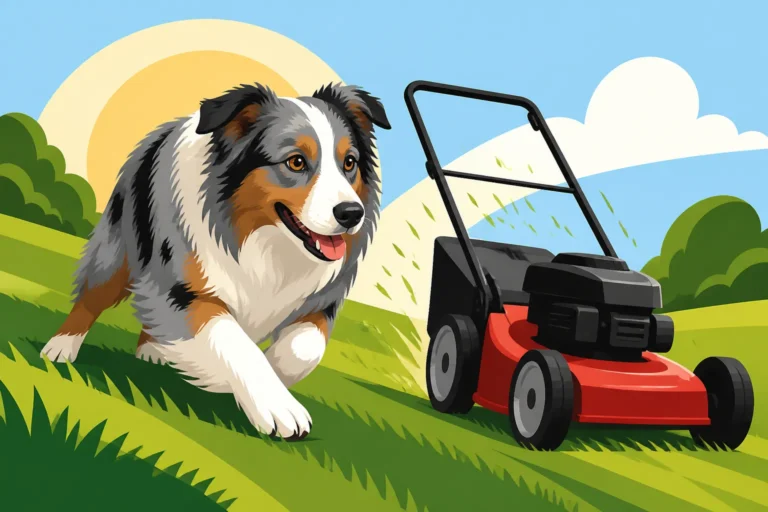
For instance, the intense stare an Aussie might give a moving object isn't just curiosity; it's a precursor to herding. Their sensitivity to movement and sound is part of their design. Ignoring these inherent traits or becoming exasperated by them is a recipe for a strained relationship. Embracing and understanding these qualities, and then finding productive outlets for them, is the path to a happy Aussie and a happy owner.
Ignoring or Punishing Herding Instincts
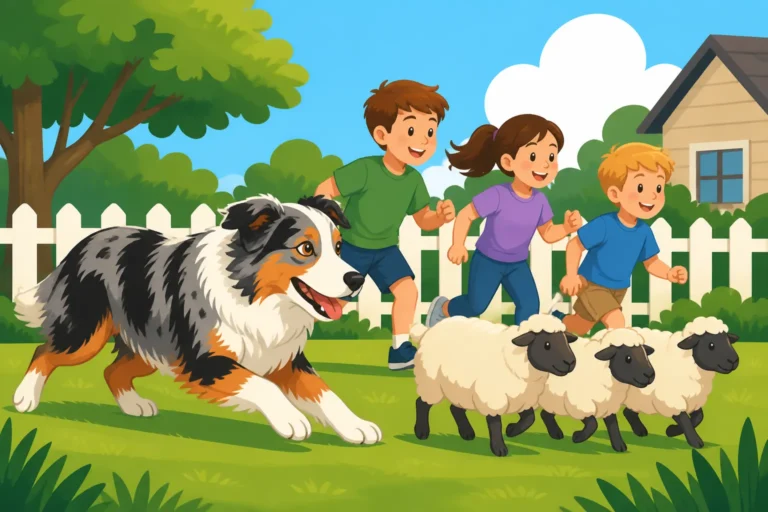
The defining characteristic of an Australian Shepherd is its powerful herding drive. This isn't a behavior you can simply train out of them; it's literally part of their operating system. Attempting to suppress it through punishment or constantly yelling "no" when they try to "herd" children, other pets, or even inanimate objects, is a major mistake. This can lead to a confused, anxious, or even reactive dog, as you're punishing an innate need.
Instead, the goal is to redirect and manage this instinct. Provide appropriate outlets: a flirt pole can mimic the chase of livestock, teaching them to chase a lure instead of ankles. Large, sturdy herding balls can satisfy the urge to push and control movement in a safe, non-punishing way. Teaching a strong "leave it" and "off" command is also crucial for redirecting unwanted herding attempts. Understanding The Australian Shepherd Herding Drive You Cannot Train Out is fundamental for any Aussie owner.
Expecting Them to Be "Off" or Calm Too Soon
Many owners expect their Australian Shepherd puppy to settle down and become a calm household companion much earlier than is realistic. Aussies are energetic, high-drive dogs, and they go through a significant adolescent phase where their energy levels, independence, and "testing of boundaries" can be at their peak. Mistaking this normal developmental stage for naughtiness or a failure in training can lead to unnecessary frustration and inconsistent responses.
Adolescence in an Aussie typically hits around 6-18 months and can last well into their second year. During this time, they might "forget" commands they once knew perfectly, become more easily distracted, or have bursts of seemingly boundless energy. Consistent training, patience, and continued mental and physical exercise are your best allies. This is not the time to give up; it's the time to double down on structure and clear expectations. Enforced naps and "settle" training can be incredibly valuable tools for teaching an over-aroused Aussie to relax.
Overlooking Foundational Health and Wellness
While not strictly behavioral, neglecting the foundational health and wellness aspects in an Aussie's first year can lead to significant problems down the line that often manifest as behavioral issues. This includes everything from proper nutrition and preventive care to understanding potential breed-specific health concerns. A dog that isn't feeling well or is experiencing discomfort cannot behave optimally, and these underlying issues can often be missed.
Imagine an Aussie puppy limping slightly after a play session, or acting withdrawn. A new owner might dismiss it as a clumsy puppy or a temporary mood. However, these could be early signs of conditions like hip or elbow dysplasia, which are prevalent in the breed. Catching and managing these issues early is crucial for their long-term comfort and temperament. Being proactive about their health means preventing issues before they escalate, which ultimately prevents behavioral fallout from pain or discomfort.
Not Researching Breed-Specific Health Issues
Australian Shepherds are prone to certain genetic health conditions that can significantly impact their quality of life and, by extension, their behavior. A major oversight for new owners is not familiarizing themselves with these risks or ensuring their puppy's parents were properly screened. Conditions like hip and elbow dysplasia, various eye conditions (like Collie Eye Anomaly or hereditary cataracts), and the MDR1 gene mutation are common concerns.
Knowing about these conditions means you can be proactive. You can ensure your puppy came from reputable breeders who perform the necessary The Genetic Panel Every Australian Shepherd Needs and provide clear health clearances for the parents. It also means you'll recognize early symptoms if they arise and seek veterinary attention promptly. For instance, understanding The MDR1 Mutation Half of Australian Shepherds Carry is vital for safe medication use throughout your dog's life, especially during emergencies. This knowledge empowers you to advocate for your dog's health effectively.
| Common First-Year Aussie Mistakes | Impact on Dog & Owner | How to Avoid |
|---|---|---|
| Underestimating Mental Needs | Boredom, destruction, anxiety | Puzzle toys, trick training, scent work, formal obedience |
| Solely Physical Exercise | Hyperactivity, increasing stamina, lack of "off switch" | Balance with mental work, incorporate impulse control games |
| Neglecting a "Job" | Redirected herding, barking, frustration | Engage in dog sports (agility, herding), assign home tasks |
| Ignoring Puppy Biting | Painful nips, inability to play gently | Consistent redirection to toys, teaching bite inhibition, time-outs |
| Insufficient Socialization | Fear, reactivity, aggression towards strangers/new things | Positive, controlled exposure to diverse sights, sounds, people, places |
| Punishing Herding Instincts | Anxiety, confusion, suppressed natural drive | Redirect with flirt poles, herding balls, "leave it" command |
| Expecting Calmness Too Soon | Frustration, inconsistency in training during adolescence | Patience, consistent training, enforced naps, understanding growth stages |
| Not Researching Health Issues | Missed diagnoses, pain, behavioral changes from discomfort | Choose reputable breeder, understand genetic risks, proactive vet care |
Overlooking Proper Nutrition and Weight Management
Feeding an Australian Shepherd correctly, especially during their rapid growth phase, is crucial for their long-term health. A common error is overfeeding, leading to rapid weight gain, which puts undue stress on developing joints and can exacerbate conditions like hip and elbow dysplasia. Another mistake is feeding an inappropriate diet that doesn't meet the needs of an active, growing, and then adult working-breed dog.
Choose a high-quality food appropriate for their life stage and activity level. Pay attention to body condition scoring; you should be able to feel your Aussie's ribs easily but not see them prominently. If they are growing quickly, ensure their diet supports slow, steady development. Regularly weighing their food, rather than just guessing, can make a huge difference in managing their intake. Keeping your Aussie lean and fit from puppyhood is one of the best things you can do for their joint health and overall longevity. We explore feeding needs deeply in Feeding an Aussie Puppy to Fifty Pounds and later, Feeding an Australian Shepherd That Works All Day.
The first year with an Australian Shepherd is a journey, full of learning curves for both you and your incredible canine companion. By understanding and proactively addressing these common mistakes, you're not just avoiding problems – you're building a stronger, more trusting, and joyful relationship with your Aussie. They are truly magnificent dogs, and with the right guidance, patience, and dedication, they will flourish.
Disclaimer
This article is for general informational purposes only and does not constitute professional advice. Laws, prices and regulations vary by location and change over time. Consult a qualified professional for guidance on your specific situation.