Grass Seeds Working Into an Australian Shepherd Paw
If you’ve ever found your beloved Australian Shepherd limping, incessantly licking their paw, or even developing a swollen, painful foot, you know the immediate panic that sets in. Often, the culprit is something incredibly small and seemingly innocuous: a grass seed. These tiny, barbed intruders can burrow deep into your Aussie’s sensitive paw, causing immense discomfort, infection, and sometimes serious veterinary emergencies. This guide is here to walk you through understanding why grass seeds are such a menace, how to spot an invasion early, and what vital steps you need to take to protect your adventurous companion.
The Sneaky Threat of Grass Seeds to Australian Shepherd Paws
Australian Shepherds are active, intelligent dogs, often found exploring fields, hiking trails, and any patch of enticing long grass. While this is wonderful for their physical and mental well-being, it also exposes them to a hidden danger: grass seeds. These aren't your typical soft, fluffy plant particles; they are cunning, sharp, and designed by nature for deep penetration.
What Grass Seeds Are and Why They're So Dangerous
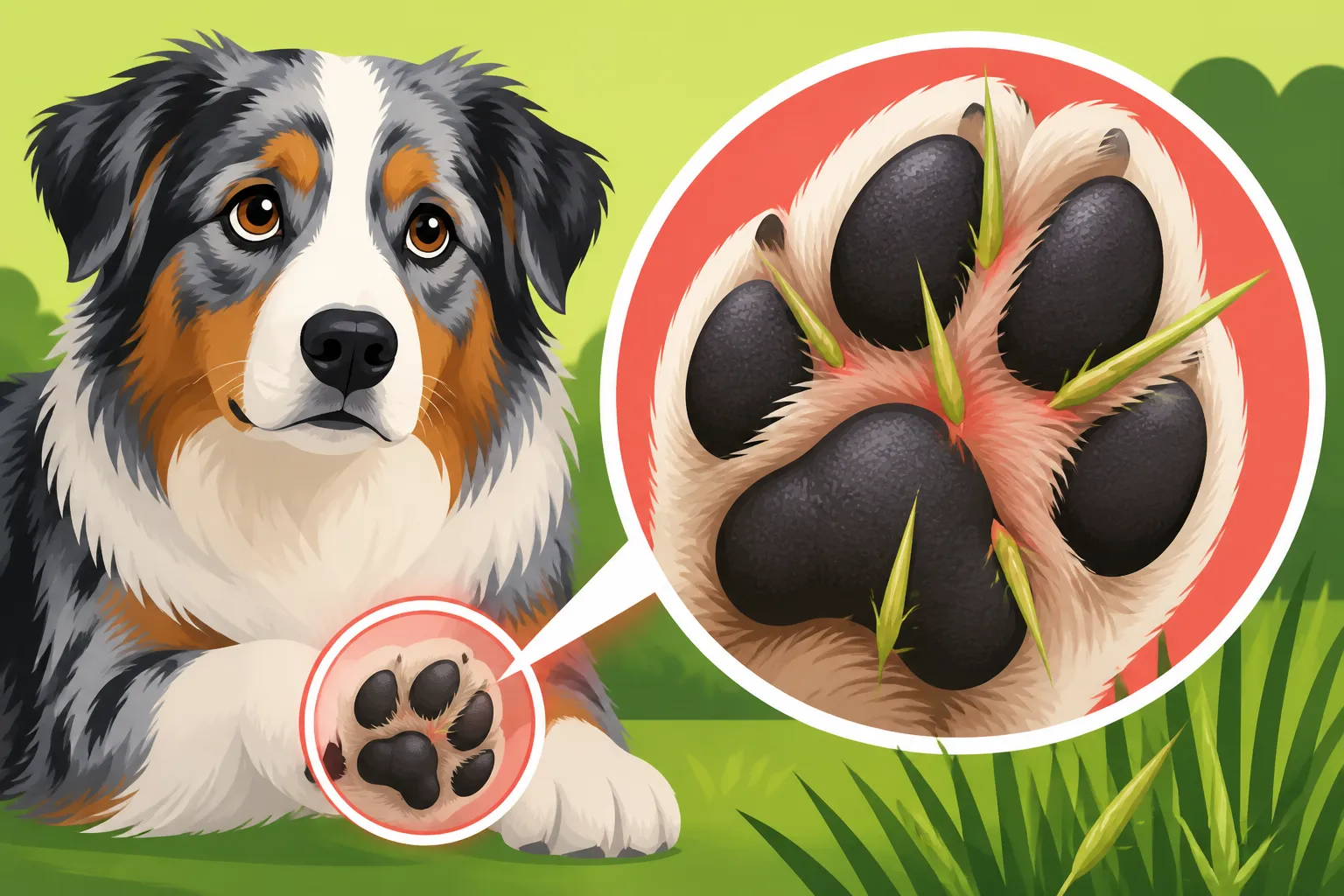
When we talk about dangerous grass seeds, we're usually referring to specific types of grasses that produce seeds with a pointed tip and backward-facing barbs, sometimes called awns. Think of them like tiny, natural harpoons. Once they latch onto fur or skin, those barbs make it incredibly difficult for the seed to come out. Instead, movement, walking, and even the dog's own licking action can push the seed deeper into the tissue.
These seeds are not content to just sit on the surface; they have a terrifying ability to migrate. They can travel under the skin, along muscle planes, and even into body cavities, causing internal abscesses, severe infections, and widespread inflammation. What starts as a small irritation can escalate into a serious medical issue that requires surgical intervention. Unlike a thorn that might just sit there, a grass seed actively burrows, making it a relentless invader. The seed essentially tries to "plant" itself within your dog's body, which is a truly disturbing thought for any pet parent.
How Australian Shepherd Paws Are Particularly Vulnerable
Australian Shepherds, with their lush double coats and feathered paws, are almost perfectly designed to pick up these insidious seeds. The long hair between their paw pads and around their toes acts like a magnet, trapping debris. When a grass seed gets caught in this dense fur, it's already halfway to becoming a problem. As your Aussie walks, runs, or even just shifts their weight, the seed is pushed against the soft skin, and those barbs do their job, allowing it to pierce the surface.
Their active lifestyle, which often involves running through fields, dense undergrowth, and rural areas, further increases their exposure. A working Aussie, or even a pet Aussie who loves their daily hike, is constantly at risk during certain seasons. Moreover, the sensitivity of their paw pads means that even a minor irritation can cause significant discomfort, leading to excessive licking or chewing, which paradoxically pushes the seed in further or introduces bacteria, setting the stage for infection. It’s a vicious cycle that starts with a tiny seed and ends with real pain and potential complications. You really need to be vigilant, especially if your Aussie has Australian Shepherd Paw Pads After Rough Ground from their adventures.
Common Areas Where Grass Seeds Lurk
Grass seeds aren't hiding in obvious places; they thrive in the very environments our Australian Shepherds love to explore. Overgrown fields, tall grasses along hiking trails, unkempt parks, and even your own backyard if the grass gets too long are prime hunting grounds for these botanical threats.
Different regions have different types of problematic grasses, but the general rule is: if it's long, dry, and has visible seed heads, it could be a risk. Late spring and summer, especially after a period of dry weather when the seeds are mature and easily dislodged, are the peak danger seasons. Keep an eye out for areas where the grass looks 'straw-like' or where you can see tiny, spear-shaped seed heads. These are the places where a quick run or a playful pounce can turn into a weeks-long ordeal. Awareness of these common lurking spots is the first line of defense in protecting your energetic companion.
Spotting the Signs: When a Grass Seed Has Invaded
Catching a grass seed early can make all the difference, potentially saving your Australian Shepherd from discomfort, infection, and an expensive vet visit. However, these little invaders are sneaky, and their initial symptoms can be subtle.
Early Warning Signals and Subtle Changes
The very first sign you might notice is your Aussie licking or chewing excessively at their paw. It might start as an occasional lick, then progress to constant grooming of one specific area. They know something isn't right long before you can see it. You might also observe a slight limp, a reluctance to put full weight on a paw, or a general tenderness when you touch their foot. This isn't always a dramatic, obvious limp; sometimes it’s just a subtle shift in gait, or they might seem a bit stiff after getting up.
If you part the fur between their toes or on their paw pads, you might see a small red dot, a tiny puncture wound, or a very localized patch of inflammation. It can be hard to spot, especially with an Aussie's thick fur, so you really have to be thorough. Think of it like a tiny splinter, but one that actively tries to tunnel deeper. If your Aussie is prone to Hot Spots Hidden in an Aussie Undercoat, this might look similar initially, but the cause is different and requires a different approach.
Advanced Symptoms and Infection
If a grass seed goes unnoticed or untreated, it can quickly lead to more severe symptoms. The area around the entry point will likely become swollen, red, and very painful to the touch. You might see discharge – pus, blood, or a serous fluid – weeping from the site. This indicates a secondary bacterial infection, which is common as the seed carries dirt and bacteria deep into the tissue.
An abscess can form, creating a painful, pus-filled lump under the skin. Your Australian Shepherd might become overtly lame, refusing to bear weight on the affected paw. They might also develop a fever, become lethargic, or lose their appetite if the infection is spreading or if they are in significant pain. In some truly alarming cases, if the seed has migrated far, the symptoms might appear in unexpected places, such as a swelling in the armpit or flank, far from the original entry point. This migratory behavior is why grass seeds are so dangerous and often require surgical exploration.
Where to Look: Beyond the Paw Pads
While paw pads and between the toes are the most common sites, grass seeds are opportunistic and can embed anywhere on your Australian Shepherd's body. Their dense double coat means seeds can easily get tangled and then work their way into the skin.
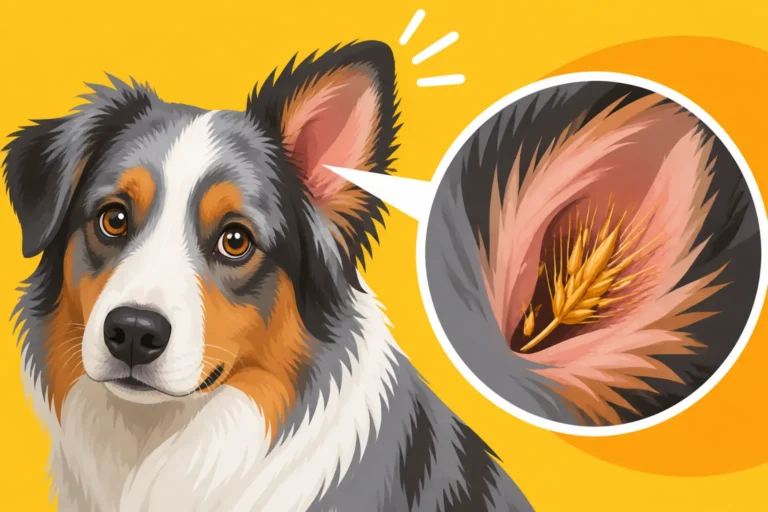
Always check behind their ears, in their armpits, and in the groin area, especially after walks in tall grass. The loose skin and warmth in these areas can be appealing to a burrowing seed. Their ears, particularly if they have dropped ears, can also harbor seeds; look for redness, head shaking, or discharge. Even their eyelids or nostrils can be entry points, causing irritation and discomfort. A thorough, head-to-tail check is paramount after any outdoor adventure, particularly if they’ve been in areas with Grass Seeds Working Into an Australian Shepherd Paw or Checking an Australian Shepherd for Ticks. Regularly brushing your Aussie, as detailed in Brushing an Australian Shepherd Twice a Week, can help you find these early.
First Aid and When to See the Vet for Grass Seed Removal
Finding a grass seed can be alarming, but knowing what to do immediately can significantly impact your Aussie's prognosis. Sometimes, you can address it at home; other times, swift professional intervention is critical.
Initial Steps for Home Inspection and Gentle Removal
If you suspect a grass seed, the first thing to do is a thorough inspection. Gently part the fur on your Aussie's paws, between their toes, and along their legs. Use good lighting, and perhaps a magnifying glass, to look for any red spots, small punctures, or visible seed heads. If you see a seed just entering the skin and it hasn't burrowed deep, you might be able to gently remove it with a pair of fine-tipped tweezers. Always pull in the direction the seed entered, being careful not to break it or push it further in.
After removal, clean the area with an antiseptic solution designed for pets. Keep a close eye on it for the next few days for any signs of swelling or infection. However, this home removal is only recommended if the seed is clearly superficial and easily grasped. If you have any doubt, if it's already burrowed, or if your Aussie is in significant pain, it's time for professional help. Attempting to dig out a deeply embedded seed can cause more trauma, push it deeper, or lead to complications.
The Critical Need for Professional Veterinary Care
When should you immediately head to the vet? If the seed isn't visible, if your Aussie is consistently limping or in pain, if there's swelling, redness, or discharge, or if you couldn't remove it entirely, do not delay. Grass seeds are not something to "wait and see" with. A veterinarian has the tools and expertise to properly sedate or anesthetize your dog, explore the wound, and often remove the seed without causing further damage. They can use specialized instruments to find migrating seeds and can prescribe antibiotics to treat or prevent infection.
An ultrasound might even be used to locate a deeply embedded or migrating seed, which would be impossible at home. Delaying a vet visit increases the risk of the seed migrating further, causing more widespread infection, or even forming a draining tract that can be difficult to heal. Think of it as an emergency; early intervention can save your Australian Shepherd a lot of pain and prevent more complex (and costly) procedures like major surgery later on. Aussie Vet Bills Between $15,000 and $40,000 are a stark reminder of why preventative care and early intervention are crucial.
Preventing Future Invasions: Proactive Measures and Routine Checks
Prevention is truly the best medicine when it comes to grass seeds. Here’s what you can do:
- Routine Grooming: Keep the fur between your Aussie's paw pads trimmed short. This reduces the surface area for seeds to latch onto. Regular brushing, as covered in Brushing an Australian Shepherd Twice a Week, can also help dislodge seeds before they embed. If you don't feel comfortable doing this yourself, consider professional grooming services, which can cost Australian Shepherd Grooming at $50 to $100 a Session. A good groomer understands how to manage an Aussie's dense coat and delicate paw areas.
- Post-Walk Checks: Make it a habit to thoroughly check your Australian Shepherd every time they come in from an area with long grass. This means meticulously running your hands over their entire body, paying special attention to paws (top and bottom), between toes, ears, armpits, and groin.
- Avoidance: Whenever possible, steer clear of areas with mature, dry, seed-heavy grasses during peak seasons. If you can't avoid them, keep your Aussie on a lead and stick to paved paths or very short-cut grass.
- Protective Gear: Consider dog boots if your Aussie tolerates them, especially for walks in high-risk areas. There are many options available on platforms like Chewy or Amazon that offer good paw protection without hindering movement too much.
- Yard Maintenance: Keep your own lawn trimmed, especially if you have areas of long, wild grass. This minimizes risk right at home.
Consistency is key here. A five-minute check after every walk can prevent weeks of agony and stress.
The Recovery Process and Long-Term Paw Health
Even after a grass seed is removed, the journey isn't always over. Your Australian Shepherd will need careful post-operative care, and you’ll want to implement long-term strategies to keep their paws healthy and protected.
Post-Removal Care and Managing Infection
Once the vet has removed the grass seed, whether it was a simple extraction or required more extensive surgery, your Aussie will likely come home with specific instructions. This typically includes a course of antibiotics to combat any infection that may have set in or to prevent one from developing. It's crucial to complete the entire course of medication, even if your dog seems much better after a few days. Stopping antibiotics too soon can lead to a recurrence of the infection.
The wound site itself will need attention. You might need to clean it daily with a prescribed antiseptic solution, and your Aussie may need to wear an Elizabethan collar (the "cone of shame") to prevent them from licking or chewing at the wound, which could open it up or introduce new bacteria. Keep an eye on the site for signs of worsening redness, swelling, increased discharge, or heat. Any of these could indicate a lingering infection or a complication, warranting another call to your vet. Restricting your Aussie’s activity will also be important during the initial healing phase to allow the tissues to repair themselves fully.
Supporting Paw Health Through Nutrition and Grooming
Beyond immediate treatment, nurturing your Australian Shepherd's overall paw health can build resilience against future issues. A balanced diet plays a significant role in skin and coat health, which in turn protects their paws. High-quality dog food, rich in essential fatty acids like Omega-3s, can improve skin barrier function and reduce inflammation. Brands like Ollie, known for their fresh, human-grade ingredients, often formulate diets with these beneficial nutrients in mind. Discussing dietary supplements with your vet, such as fish oil, can also be beneficial for promoting healthy skin and strong paw pads.
Regular grooming is not just for aesthetics; it’s a crucial preventative measure. Keeping the fur between their paw pads and toes neatly trimmed minimizes places for seeds to get caught. Using an undercoat rake, similar to what you might use for their body, as discussed in The Rake That Reaches an Aussie Undercoat, can help keep their general coat healthy, but precise trimming around the paw pads usually requires scissors with blunt tips or specialized clippers. Don't forget their nails either; regularly trimmed nails prevent splaying of the toes, which can make the spaces between them more accessible to seeds.
Essential Gear and Supplies for Aussie Paw Protection
Having the right tools and supplies on hand can make a big difference in both preventing and managing grass seed issues. Here's a quick list:
- Fine-tipped Tweezers: Essential for carefully removing superficial seeds or thorns.
- Pet-Safe Antiseptic Wipes or Solution: For cleaning minor wounds after inspection or removal.
- Paw Balm or Wax: Products available on Chewy or Amazon can help create a protective barrier on paw pads, keeping them moisturized and less prone to cracks where seeds might lodge. This is especially useful if your Aussie has Australian Shepherd Paw Pads After Rough Ground.
- Dog Boots: For high-risk areas or during peak grass seed season, protective boots can be invaluable. Ensure they fit properly to prevent rubbing or discomfort.
- Blunt-tipped Scissors or Small Electric Trimmers: For safely trimming paw fur at home.
- Magnifying Glass and Bright Headlamp: For detailed inspection of paws, particularly on dark-coated Aussies.
Being prepared means you can act quickly, potentially turning a potential emergency into a minor inconvenience. Maintaining vigilant care for your Australian Shepherd's paws is an ongoing commitment, but it’s one that protects their health and ensures they can continue to enjoy their active, adventurous lives by your side. Remember, even a minor change in their gait or an increased interest in licking a paw warrants your attention and a thorough check.
| Symptom Severity | Common Signs & Behaviors | Recommended Action |
|---|---|---|
| Mild | Occasional paw licking, slight tenderness, subtle limp | Thorough home inspection, gentle removal if superficial and visible |
| Moderate | Persistent licking/chewing, visible redness/swelling, intermittent lameness | Vet visit highly recommended for full inspection and removal |
| Severe | Constant non-weight bearing, discharge/pus, fever, lethargy, abscess formation | Immediate emergency vet visit for surgical exploration and treatment |
Disclaimer
This article is for general informational purposes only and does not constitute professional advice. Laws, prices and regulations vary by location and change over time. Consult a qualified professional for guidance on your specific situation.