Australian Shepherd Sunscreen on a Pink Nose
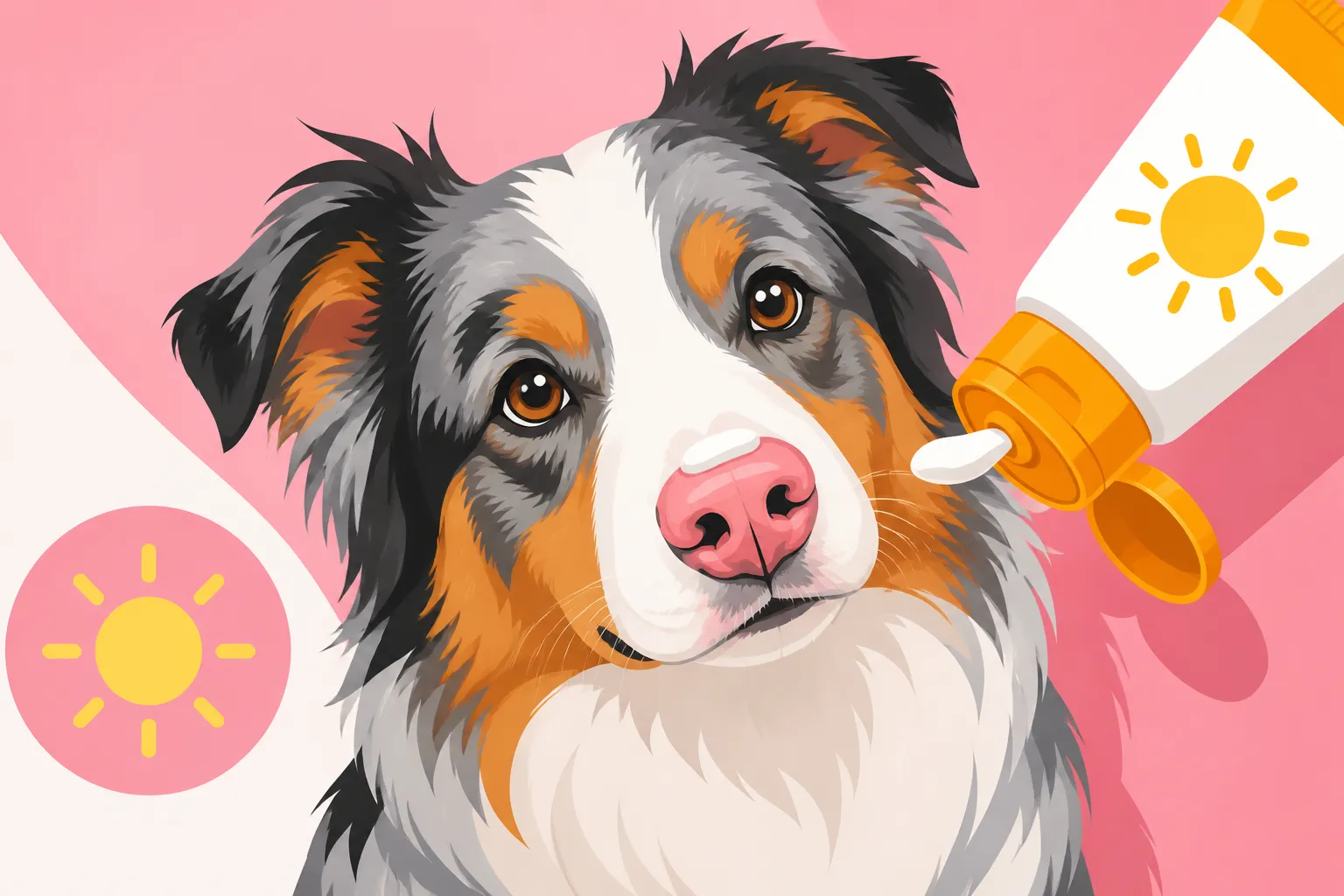
If you're an Australian Shepherd parent, you know the struggle: that beautiful, often pink, sensitive nose on your beloved Aussie. It's an adorable feature, but it also brings a very real worry – sunburn. Just like humans, dogs can suffer painful, even dangerous, sunburns, especially on those vulnerable, unpigmented areas. This guide is here to walk you through why those pink noses are so susceptible, how to pick the right dog-safe sunscreen, and what other steps you can take to protect your furry friend from the sun's harsh rays.
Why a Pink Nose is So Vulnerable for Your Aussie
It’s easy to look at an Australian Shepherd, with their thick, luscious double coat, and assume they’re perfectly protected from the elements. And for much of their body, that’s true! But certain areas, particularly those delicate pink noses, thin-skinned ear tips, and sometimes even their bellies or inner thighs, are just as exposed to the sun's damaging UV radiation as our own skin. This lack of natural pigment is the root of the problem, making these spots prime targets for sunburn and more serious health issues.
The Lack of Pigmentation and Sun Exposure
Think about your own skin: melanin is the natural pigment that helps protect us from the sun. The more melanin, the darker your skin, and generally, the more inherent protection you have. For our Australian Shepherds, those charming pink noses are essentially areas where melanin is sparse or completely absent. Many Aussies, especially those with merle coats – like a blue merle with a striking pink and black mottled nose, or a red merle with a liver-colored base and pink patches – naturally have less pigment in these spots. Even solid-colored Aussies can have unpigmented areas. This means there's no natural barrier to absorb or reflect those harmful UV rays. When your Aussie is out in the yard, enjoying a walk, or doing what they love outdoors, that pink nose is essentially bare, directly exposed to the sun's full power. It's why owners of merle Aussies often find themselves more vigilant about sun protection; there's just less natural camouflage for that sensitive skin. If you’re curious about specific merle patterns, you might find Whether a Merle Aussie Sunburns More Easily a helpful read.
Health Risks of Sunburn on a Dog's Nose
A sunburn on your Aussie’s nose isn't just a minor discomfort; it can lead to a host of problems, both immediate and long-term. In the short term, a sunburned nose will look red and inflamed, much like human skin. It can be incredibly painful to the touch, making your dog uncomfortable and even hesitant to eat from their bowl if it irritates their nose. You might notice peeling, crusting, or even cracking, which opens up the skin to potential infections. Imagine how uncomfortable it would be to have a perpetually chapped and stinging nose!
But the concerns don't stop there. Repeated sun exposure and sunburns on unpigmented skin are a significant risk factor for developing skin cancers, such as squamous cell carcinoma. This type of cancer is aggressive and can be quite serious, often requiring extensive surgical removal and potentially other treatments. Another condition, Nasal Solar Dermatitis on an Aussie Nose, which is a fancy way of saying chronic sun damage to the nose, can also occur. It starts as redness and scaling but can progress to ulcerations and eventually cancerous changes. It’s a stark reminder that sun protection isn't just about comfort; it's about long-term health and preventing serious illness for your beloved companion. Keeping an eye on your Aussie's overall skin health is crucial, and articles like Australian Shepherd Skin, Coat and Allergy Problems offer more insights.
Choosing the Right Sunscreen for Your Australian Shepherd's Pink Nose
Navigating the world of dog sunscreens can feel a bit overwhelming, especially when you consider how sensitive some of our Aussies are. The key is to remember that dogs aren't little humans, and what's safe for us isn't always safe for them – especially when it comes to something they might lick off!
Ingredients to Look For and Avoid
When you're searching for a sunscreen for your Aussie's pink nose, the absolute golden rule is to look for products specifically formulated for dogs. These products are designed with canine physiology in mind, taking into account that your dog will inevitably lick some of it off.
Look For:
- Titanium Dioxide: This is generally considered a safe and effective physical blocker for dogs. It works by creating a physical barrier on the skin that reflects UV rays. Pet-specific sunscreens will use this ingredient.
- Pet-Safe Formulations: Many reputable brands create sunscreens that are non-toxic if ingested in small amounts. Always check the label for clear statements like "non-toxic," "safe for licking," or "veterinarian recommended."
- A natural base: Ingredients like shea butter or coconut oil can be moisturizing and provide a very minor natural barrier, but they are not true sunscreens and should never be relied upon as the sole form of protection. Some pet sunscreens might incorporate them for skin health benefits alongside actual UV blockers.
Absolutely AVOID (especially human sunscreens):
- Zinc Oxide: This is a big one. While often found in human sunscreens, zinc oxide can be toxic to dogs if ingested, leading to stomach upset, vomiting, and in severe cases, even red blood cell damage. Unless it's a very specific, vet-approved, non-nano form in a product designed specifically for dogs that mitigates this risk, steer clear. It's safer to avoid it entirely in anything your dog might lick.
- PABA (Para-aminobenzoic acid): Another ingredient commonly found in older human sunscreens that can be toxic to dogs.
- Octinoxate and Oxybenzone: These chemical UV filters are absorbed into the bloodstream and can cause hormonal disruption in humans, and their effects on dogs are not fully understood, but they are generally advised against for canine use due to potential toxicity.
- Fragrances, Dyes, and Alcohols: These additives can irritate sensitive canine skin, especially on a delicate area like the nose, and can cause allergic reactions. Always opt for fragrance-free and dye-free options.
Always read the ingredient list carefully. If you’re ever unsure, a quick call to your veterinarian is always the best course of action. They can recommend specific brands or ingredients that are safe for your individual dog.
Application Tips and Frequency
Applying sunscreen to a wiggly Aussie’s nose can be a bit of an art form, especially if they’re not used to it. The key is to make it a positive experience and be consistent.
Application Steps:
- Start Small: Squeeze a pea-sized amount onto your fingertip.
- Distract and Apply: This is where the treats come in! Offer your Aussie a high-value treat, a Puzzle Feeders That Slow an Australian Shepherd, or a favorite chew toy. While they are happily engaged, quickly and gently dab the sunscreen onto the pink areas of their nose.
- Rub In Gently: Using your fingertip, gently rub the sunscreen into the skin until it's mostly absorbed and not leaving a thick white residue. You don't want a glob that they'll just lick off immediately.
- Repeat as Needed: Don't forget other vulnerable spots like ear tips, the bridge of the nose if it's pink, and even sparsely-furred bellies if they love to sunbathe on their backs.
Frequency is Key:
Just like human sunscreen, dog sunscreen isn't a "one-and-done" application. For active Aussies who spend a lot of time outdoors, you'll need to reapply it every few hours, especially if they’ve been swimming, rough-housing, or vigorously licking their nose. A good rule of thumb is every 2-4 hours during peak sun exposure. It might feel like a chore initially, but consistency is crucial for protecting that sensitive skin. Early morning or late afternoon applications before or after peak sun are often easier to manage.
Pet-Specific Sunscreen Brands
When it comes to actually finding these pet-safe sunscreens, you'll generally look for brands specifically marketed for dogs. There are several reputable companies that have developed formulas specifically for canine use, often found at pet supply stores or online retailers.
For example, when you're browsing online, you'll find options on platforms like Chewy or Amazon that clearly state they are for pets. Brands like Epi-Pet Sunscreen, My Dog Nose It! (which is specifically designed for noses and ears), or Vet's Best Sunscreen are commonly recommended. Always make sure to read reviews and ingredient lists carefully, even when buying from a trusted retailer. While these platforms offer convenience, it's still your responsibility to ensure the product you choose is genuinely safe and appropriate for your Australian Shepherd. Remember, the investment in a good, dog-safe sunscreen is far less than the potential vet bills from severe sunburn or skin cancer treatment later on.
Beyond Sunscreen: Holistic Sun Protection Strategies
While dog-safe sunscreen is a vital tool for protecting your Aussie’s pink nose, it’s just one piece of the puzzle. A truly comprehensive approach to sun protection involves a combination of strategies to minimize their exposure during the harshest times of the day. Think of it as creating a multi-layered defense system for your furry friend.
Shade, Timing, and Protective Gear
The simplest and often most effective method of sun protection is to control when and where your Australian Shepherd is exposed to the sun.
- Strategic Timing: The sun's UV rays are strongest between 10 AM and 4 PM. If possible, plan your longer walks, training sessions, or outdoor play for early mornings or late afternoons. This not only reduces sun exposure but also helps keep your double-coated Aussie cooler, especially during warmer months. Heat stroke is a real danger for active breeds, and understanding Australian Shepherd Exercise in Summer Heat is important for their overall well-being.
- Seek Shade: When your Aussie is outside, make sure there’s always ample access to shade. This could be natural shade from trees, a covered patio, or even a pop-up tent if you’re at a park or beach. Teach your dog to seek out shade, and reward them when they choose to rest there.
- Protective Gear: For particularly sensitive Aussies, or those with other conditions like Australian Shepherd Pannus and Sun Exposure, specialized protective gear can be an option. While not every dog will tolerate it, there are dog hats or visors designed to shield their face and nose. You can also find lightweight, UV-protective dog vests or shirts that cover their back and sides, though these might not be necessary for an Aussie's thick coat unless they have a medical condition requiring it or are prone to Nasal Solar Dermatitis on an Aussie Nose.
By being mindful of the clock and providing shaded retreats, you significantly reduce the amount of direct sun exposure your Aussie receives, complementing the protection offered by sunscreen.
Monitoring for Sun Damage
Regularly inspecting your Australian Shepherd for signs of sun damage is a crucial part of their care routine, especially if they have a pink nose or other vulnerable areas. You are their first line of defense!
- Routine Checks: Make it a habit to check your Aussie's nose, ear tips, and any other unpigmented or sparsely furred areas (like the belly or inner thighs) a few times a week, and definitely after any extended outdoor activity. A gentle once-over during cuddle time or after a grooming session works perfectly.
- What to Look For:
- Redness: Any unusual redness that doesn't subside quickly could be a sign of sunburn.
- Peeling or Flaking Skin: This is a clear indicator of a previous sunburn or ongoing sun damage.
- Crusting or Scabs: These could indicate more severe damage or even secondary infection from irritated skin.
- Thickening of Skin: Chronic sun exposure can cause the skin to become leathery or thickened.
- Nodules or Bumps: Any new lumps, bumps, or sores that don't heal, especially on the nose or ear tips, need immediate veterinary attention. These could be early signs of skin cancer. Understanding The Cancers Vets See Most in Australian Shepherds can help you recognize potential warning signs.
- Loss of Hair: In some cases, chronic sun damage can lead to hair loss in affected areas.
- When to See a Vet: If you notice any persistent changes, unusual growths, or if your Aussie's nose appears painful, call your veterinarian right away. Early detection of sun-related skin issues, especially precancerous lesions or actual cancers, can make a huge difference in treatment success and your dog's long-term prognosis. Don't wait to see if it "gets better on its own."
Common Misconceptions and Dangers
It’s easy to fall into common traps or assume things about our Australian Shepherds’ sun protection, but a little bit of knowledge can go a long way in keeping them safe. Clearing up these misconceptions is vital for their health.
"My Aussie has a double coat, so they're fine."
This is perhaps one of the most widespread misconceptions among owners of double-coated breeds like the Australian Shepherd. Yes, their magnificent double coat—with its dense undercoat for insulation and longer, coarser outer guard hairs for protection—does an incredible job shielding most of their skin from direct sun exposure and regulating their body temperature. This coat is designed for both warmth and to keep the sun off their skin, which is why you should generally never shave an Aussie, as it can actually make them more susceptible to sunburn and impair their natural cooling mechanisms. You can read more about caring for their coat in Brushing an Australian Shepherd Through Coat Blow.
However, even the thickest coat has its limits and its gaps. Their noses, as we’ve discussed, are often unpigmented and completely bare. Their ear tips might have thinner fur, making them vulnerable. Their bellies, especially if they love to roll over and expose them to the sun, can be very sparsely furred and sensitive. And the delicate skin around their eyes or in their groin area can also be at risk. So, while the coat is a fantastic natural protector for the majority of their body, it’s not a suit of armor against all sun damage, particularly on those exposed, unpigmented areas.
"Human Sunscreen is Okay."
This is a dangerous misconception that can lead to serious health problems for your Australian Shepherd. While the intention might be good – you want to protect your dog – many human sunscreens contain ingredients that are toxic if ingested by dogs. And let’s be real, your Aussie is almost certainly going to lick whatever you put on their nose!
Here’s why human sunscreen is generally not okay:
- Zinc Oxide: As mentioned, this is a common ingredient in mineral sunscreens for humans and is highly toxic to dogs if ingested. It can cause severe gastrointestinal upset, vomiting, diarrhea, and even damage red blood cells (hemolytic anemia). Even small amounts can be problematic.
- Oxybenzone & Octinoxate: These chemical sunscreens are often found in human formulas. They are readily absorbed through the skin and can cause irritation or allergic reactions in dogs. More concerningly, their long-term effects or toxicity when ingested by dogs are not well-studied, but they are known endocrine disruptors in humans and best avoided for pets.
- PABA: Less common now, but still found in some older formulas, PABA can also be toxic to dogs.
- Fragrances, Dyes, and Preservatives: Many human sunscreens contain artificial fragrances, dyes, and other chemical preservatives to make them more appealing or stable. These can cause skin irritation, allergic reactions, or stomach upset if ingested by sensitive dogs.
The bottom line is that your Aussie's metabolic system is different from yours. Their livers process things differently, and their tendency to lick anything on their body means ingestion is almost guaranteed. Always, always, always opt for a sunscreen specifically formulated and labeled as safe for dogs. When in doubt, leave it out.
Comparison of Dog Sunscreen Types
To help you make an informed decision, here’s a quick overview of the types of sun protection available for your Australian Shepherd, highlighting what to look for:
| Sunscreen Type | Key Ingredients | Pros | Cons | Best Use |
|---|---|---|---|---|
| Pet-Specific Mineral | Titanium Dioxide (primary) | Safe for dogs, creates physical barrier, non-irritating, less absorbed by skin. | Can be a bit thick, may leave slight white residue, needs reapplication. | Pink noses, ear tips, bellies; daily outdoor use. |
| Human Mineral | Zinc Oxide, Titanium Dioxide | Effective sunblock for humans. | DANGER: Zinc Oxide is toxic to dogs if ingested. Other ingredients may also be harmful. | NEVER for dogs. |
| Human Chemical | Oxybenzone, Octinoxate, etc. | Clearer application, widely available for humans. | DANGER: Toxic if ingested, potential irritants, absorbed into bloodstream. | NEVER for dogs. |
| Natural Oils (e.g., coconut, shea butter) | Fatty acids, vitamins | Moisturizing, pleasant scent, natural. | NOT a true sunscreen. Offers minimal to no UV protection. Can't replace actual sunscreen. | As a moisturizer after sun exposure, or combined with actual pet-safe sunscreen. |
| Protective Clothing | UV-blocking fabric | Physical barrier, no ingestion risk. | May not be tolerated by all dogs, does not cover nose/ears, can be hot in certain climates. | For overall body protection on sensitive dogs, or those with thin coats. |
This article is for general informational purposes only and does not constitute professional advice. Laws, prices and regulations vary by location and change over time. Consult a qualified professional for guidance on your specific situation.