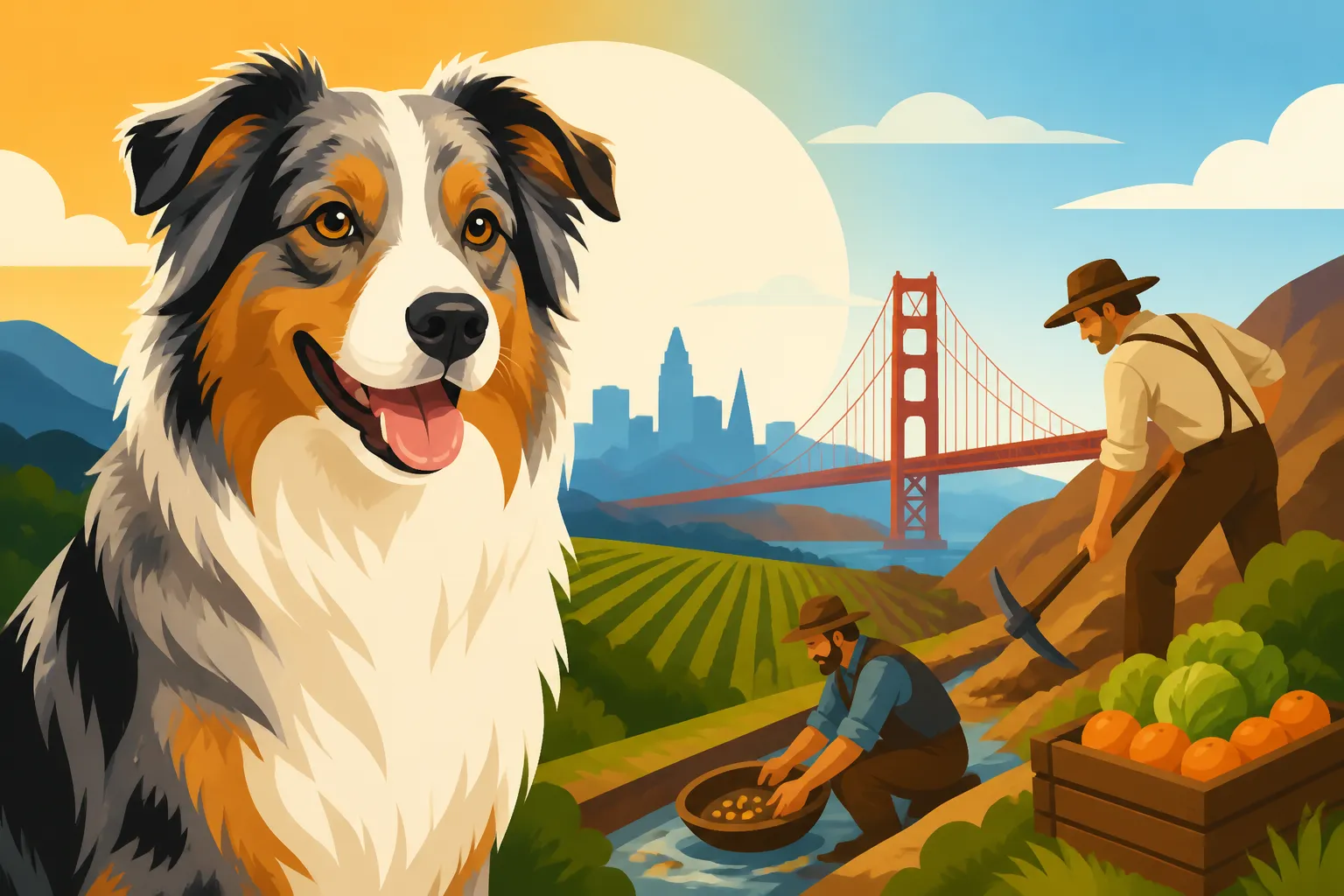
Where Aussie Ancestors Worked in California
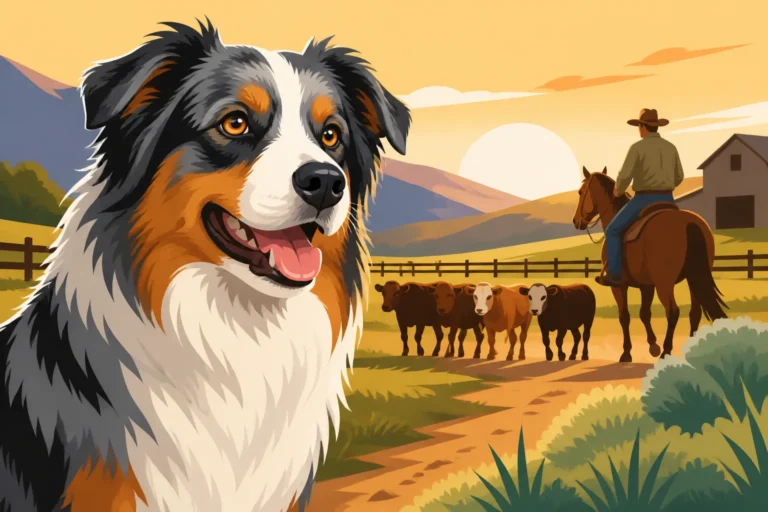
It's a common and understandable misconception that the Australian Shepherd breed originated down under, perhaps herding sheep across vast, sunburnt plains. But the truth is, while their name might be a bit of a geographical misnomer, the roots of these incredible dogs are firmly planted right here in the American West, particularly in the sprawling ranches and rugged terrain of California. This guide is here to shed light on exactly where these remarkable dogs first proved their worth and how the Golden State became instrumental in shaping the breed we adore today.
The True Origins: A Californian Story, Not an Australian One
Let's clear the air right away: despite the name, the Australian Shepherd isn't from Australia. Not one bit. This is often the biggest "gotcha!" for new owners and seasoned enthusiasts alike, and it speaks to a fascinating piece of history that gets overshadowed by a simple moniker. The breed's development is deeply intertwined with the history of the American West, especially the pastoral and agricultural boom that swept through California. Understanding this means tracing back the steps of the people who brought their skilled working dogs to these new lands.
The Basque Connection and Sheep Migration
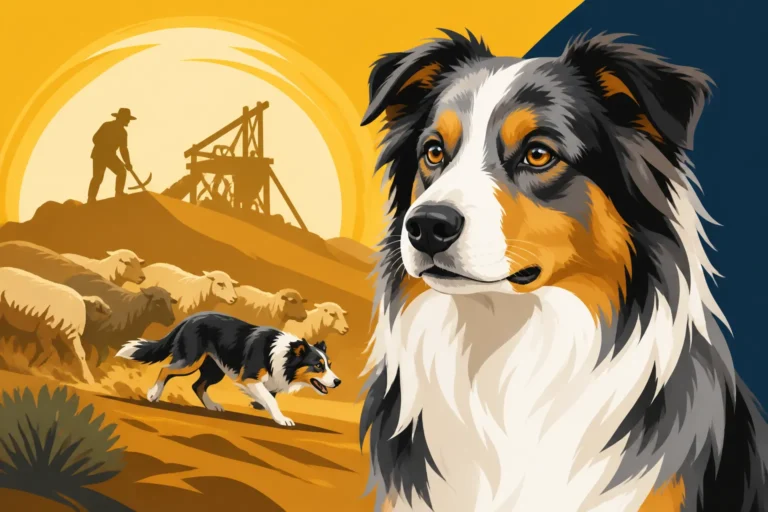
The true ancestors of the Australian Shepherd arrived in the United States with Basque shepherds who immigrated, predominantly from the Basque region nestled between France and Spain. These dedicated sheep herders brought with them their invaluable working dogs, animals that were already highly adept at managing flocks. Many of these shepherds, seeking new opportunities, first landed on the East Coast of the United States, then made their way across the country, often by sea to the West Coast, settling heavily in areas like California. They weren't just bringing themselves; they were bringing their entire way of life, and at the heart of that life were their dogs. The Basque Shepherds Behind the Australian Shepherd explores this fascinating history in more detail.
These were tough, resilient dogs, perfectly suited to the demanding work of open-range herding. They weren't a recognized breed as we know it today, but rather a collection of highly functional types selected for their intelligence, stamina, and instinct. They were dogs that could think independently, navigate challenging landscapes, and manage thousands of sheep with minimal human intervention. Imagine these intrepid individuals, often lonely and isolated, relying almost entirely on their canine partners for their livelihood and companionship. The bond forged in these conditions was exceptionally strong, demanding a dog of incredible loyalty and capability.
The Gold Rush and Increased Demand for Herding Dogs
The mid-19th century brought the California Gold Rush, an event that dramatically reshaped the state's demographics and economy. While everyone talks about prospectors, what's often overlooked is the massive influx of people who followed, creating an unprecedented demand for food, particularly meat. This led to a significant increase in sheep ranching across California. With more sheep came a greater need for skilled sheepdogs, and the dogs brought by the Basque shepherds were perfectly positioned to fill this crucial role. The Gold Rush Flocks That Made the Aussie truly highlights this pivotal era.
The vast, open ranges of California presented unique challenges: diverse terrain ranging from rolling hills to arid plains, and predators that were a constant threat. The dogs had to be agile enough to navigate rocky outcrops, tireless enough to cover immense distances daily, and brave enough to stand up to coyotes and other wildlife. This environment naturally selected for specific traits, further honing the abilities of these already capable herding dogs. Ranchers weren't just looking for any dog; they needed intelligent, durable, and highly trainable partners to manage their growing flocks. This period saw the informal breeding programs focused purely on utility and working ability, laying the genetic groundwork for the future Australian Shepherd.
Life on the Ranch: Diverse Roles for Early Aussies
The lives of these early Australian Shepherd ancestors were anything but easy. They were working dogs, through and through, from sunup to sundown, year-round. Their days were filled with activity, and their survival—and that of the flock—depended on their keen intelligence and unwavering dedication. California's diverse agricultural landscape meant these dogs weren't just specialists; they were versatile all-rounders, essential members of any ranching operation.
Herding Sheep Across Vast Rangelands
The primary job, undoubtedly, was herding sheep. California's vast tracts of land meant sheep often grazed across extensive unfenced areas. A shepherd and his dogs might move hundreds or even thousands of sheep over miles of challenging terrain, guiding them to fresh pastures, bringing them in for shearing, or driving them to market. This wasn't just about pushing sheep; it was about subtle control, anticipating movement, and using their "eye" – that intense stare unique to herding breeds – to direct the flock without causing panic.
These dogs had to be incredibly responsive to commands, whether vocal or hand signals, and capable of making decisions independently when out of sight or earshot of their shepherd. They were expected to be calm yet authoritative, able to gather strays, split off groups, and maintain order. The sheer scale of operations in places like the Central Valley or the foothills of the Sierra Nevada meant an exceptional working dog could make or break a rancher's season. The long hours, variable weather, and sheer physical demands meant that only the toughest and smartest dogs thrived. For supplies to support active ranch dogs, including high-energy food and durable gear, many turn to reliable retailers like Chewy.
Cattle Work and Farm Chores
While sheep herding was paramount, the early Australian Shepherd ancestors were far from single-purpose. Many ranches in California raised cattle alongside sheep, or specialized entirely in cattle. Here, the dogs demonstrated their incredible versatility. Herding cattle required a different approach than sheep – more grit, a stronger presence, and the ability to duck and weave to avoid kicks. These dogs often worked alongside horses, helping cowboys move herds, cut out individual animals, or pen them up.
Beyond livestock, these dogs were invaluable general farmhands. They guarded the homestead against intruders and predators, especially at night. They might help bring in horses from the pasture, assist with chores around the barn, and even keep watch over children. In an era before modern machinery, a skilled working dog was an indispensable asset, performing tasks that would otherwise require multiple human hands. What Ranchers Wanted From an Australian Shepherd truly highlights the expectations placed on these amazing dogs. Their eager-to-please nature, combined with their boundless energy and intelligence, made them perfectly suited for this multi-faceted ranch life. Even today, responsible owners look for ways to fulfill this inherent drive, whether through dog sports or active play, often sourcing enriching toys and training aids from places like Chewy.
| Aspect of Californian Ranch Life | Demands on Early Aussie Ancestors | Shaping Influence on Breed |
|---|---|---|
| Vast Rangelands | Stamina, endurance, independent thinking, speed over distance. | Athletic build, strong work ethic, intelligence, keen eye. |
| Diverse Terrain | Agility, sure-footedness, resilience to varied weather. | Adaptability, robust health, moderate size for maneuverability. |
| Large Flocks/Herds | Strong herding instinct, control, ability to work multiple animals. | Intense "eye", natural gathering instinct, biddability. |
| Predator Presence | Courage, protective instinct, alertness, barking as a warning. | Vigilance, loyalty, protective nature towards their charges. |
| Limited Human Oversight | Problem-solving, initiative, decision-making under pressure. | High intelligence, trainability, eagerness to please. |
| Multi-Species Ranches | Adaptability to herd both sheep and cattle, general farm utility. | Versatility, adaptability, ability to switch tasks. |
The Evolution of a Breed: California's Influence
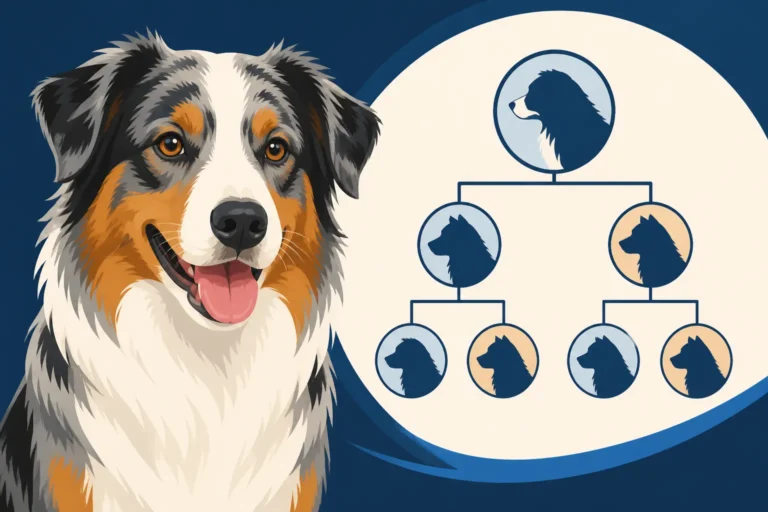
The informal breeding practices centered around utility in California slowly began to coalesce into a recognizable type. As more people saw these remarkable dogs in action, their reputation grew, leading to a more intentional focus on propagating their desirable traits. California wasn't just a place they worked; it was a crucible where the Australian Shepherd was truly forged.
Shaping Traits for the Golden State's Demands
The environment and demands of Californian ranches played a crucial role in shaping the physical and mental characteristics of the evolving Australian Shepherd. Dogs that were too small or too delicate wouldn't survive the rugged work. Those lacking the mental fortitude or problem-solving skills wouldn't effectively manage livestock. Thus, breeders (often inadvertently through simply using their best working dogs for breeding) selected for a medium-sized, sturdy, agile dog with an incredibly keen mind and strong herding instincts. Their distinctive coat, often a beautiful merle pattern, was also functional, providing protection against the elements, both sun and cold.
The early Californian ranchers valued practicality above all else. They needed a dog that could perform consistently, endure harsh conditions, and be a loyal, dependable partner. This emphasis on working ability over strict appearance is a hallmark of the breed's origins. Even today, the phrase Working Line Australian Shepherd Traits conjures images of dogs bred for pure function, reflecting their Californian heritage. This focus on performance meant that traits like intense focus, quick reflexes, and an almost intuitive understanding of livestock movement became deeply ingrained in the breed's DNA.
From Working Dog to Rodeo Star (with California roots)
As the mid-20th century rolled around, the Australian Shepherd's reputation began to spread beyond the ranch gates. A significant turning point came with the rise of the rodeo circuit, particularly in California and other western states. Many cowboys and trick riders, who were often also ranchers, found these intelligent and agile dogs to be perfect partners for their acts. The Aussie's natural athleticism, quick learning ability, and flashy looks (especially the striking merle coats and often blue eyes) made them crowd favorites.
Jay Sisler, a famous rodeo performer from California, is often credited with popularizing the breed through his incredible trick dog acts. His talented Aussies captivated audiences across the country and even appeared in Disney films. This exposure on a national stage cemented the "Australian Shepherd" name, ironically, by associating them with Sisler's own "Australian Shepherds" he had bought from other California ranchers. While the name might have stuck from those dogs that came from Australia (perhaps from families who first passed through there on their way to the US), the true development and refinement of the breed happened in American hands, largely in California. Australian Shepherds in Rodeo Arenas further details how these dogs transitioned from the ranch to the spotlight. This period saw the informal type of dog solidify into a true breed, recognized for its intelligence, athleticism, and undeniable charm. Even as their popularity grew, their working roots remained central to their identity, influencing their temperament and needs, which modern owners understand requires a commitment to active engagement and mental stimulation. Many owners find quality interactive toys and mental enrichment puzzles at Chewy to meet these needs.
The journey of the Australian Shepherd from the fields of California to beloved family pets and top competitors in dog sports is a testament to their enduring qualities. Understanding Why the Australian Shepherd Is Not From Australia truly means appreciating the rich history of the American West and the people and dogs who shaped it.
Disclaimer
This article is for general informational purposes only and does not constitute professional advice. Laws, prices and regulations vary by location and change over time. Consult a qualified professional for guidance on your specific situation.