Whether a Show Line Aussie Is Calmer
It’s a common hope, isn't it? That if you choose an Australian Shepherd from what’s called a "show line," you'll automatically get a calmer, more relaxed dog who's content with fewer demands. The reality, though, is a bit more nuanced than that. While show-bred Aussies can exhibit a more settled demeanor in certain environments, it's crucial to understand what truly defines their temperament and how it differs—or doesn't—from their working line counterparts. This guide will dive deep into the real nature of show line Australian Shepherds and what "calm" truly means for this intelligent, energetic breed.
Understanding "Show Line" Versus "Working Line" in Australian Shepherds
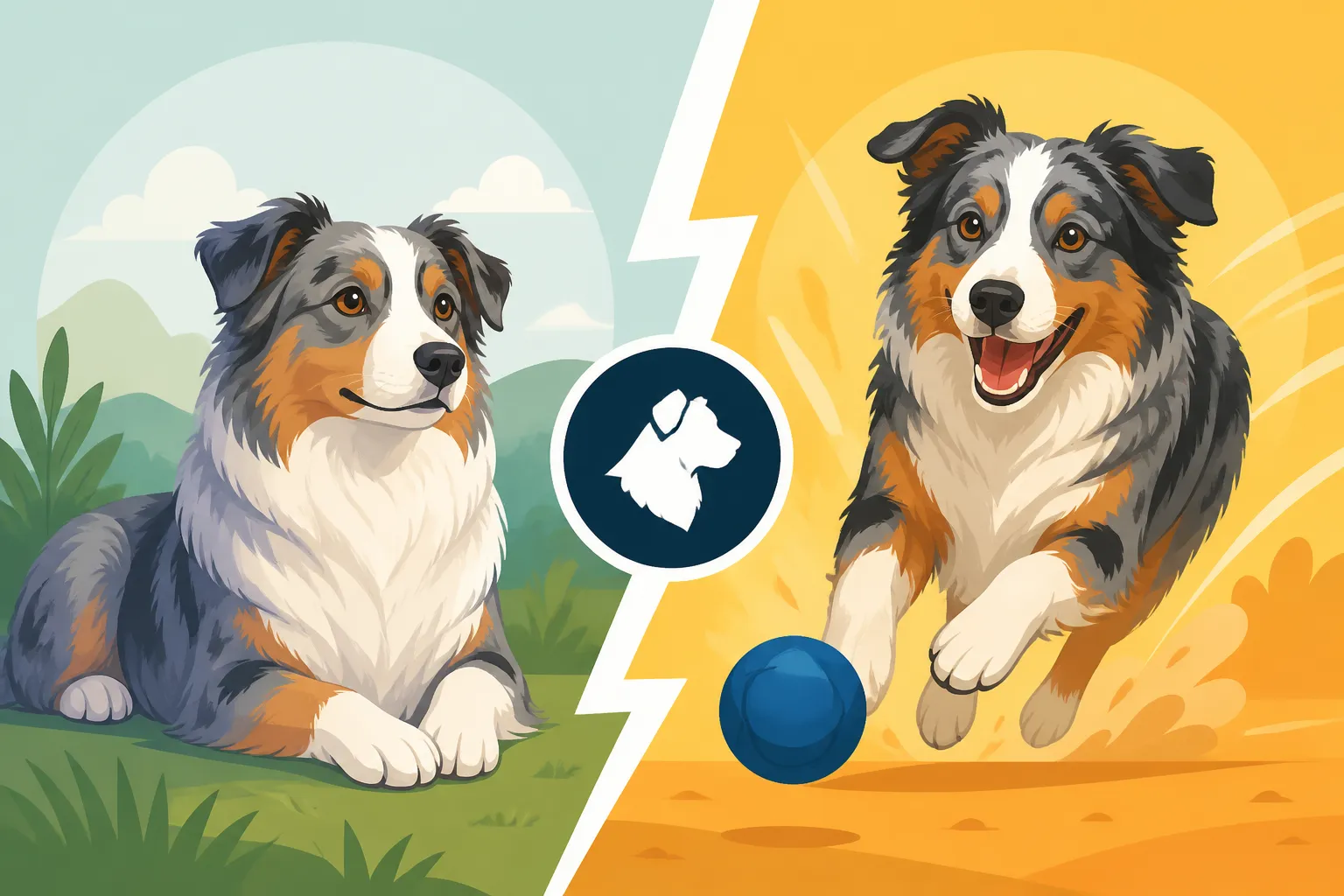
When people talk about "show line" versus "working line" Australian Shepherds, they're often referring to a perceived difference in energy levels and intensity. While there's certainly a distinction in breeding priorities, it's not a black-and-white separation where one is a couch potato and the other is a non-stop dynamo. Both are still Australian Shepherds, imbued with the core characteristics of the breed.
The Historical Divide in Breeding Goals
To truly grasp the difference, we need to look at the history of the breed's development. Australian Shepherds were originally bred as versatile working dogs on ranches in the American West, helping with cattle, sheep, and other livestock. Their intelligence, athleticism, and intense herding drive were paramount. Breeders of "working lines" today continue to prioritize these traits. They're looking for dogs with strong instinct, incredible endurance, quick problem-solving skills, and the ability to work stock with precision and focus, often over long, demanding days. These dogs are selected for their aptitude in the field, sometimes at the expense of what might be considered "ideal" conformation in a show ring.
On the other hand, the "show line" developed as the breed gained recognition in conformation events. Here, the emphasis shifted. Breeders began to select for dogs that fit the written breed standard – a detailed description of the ideal Australian Shepherd's physical appearance, gait, and overall composure in the show ring. This means prioritizing things like coat color and texture, eye shape, ear set, proportion, and movement that looks fluid and elegant. While a sound temperament is always part of the standard (no judge wants to see an aggressive or overly fearful dog), the type of temperament needed for a show ring differs from the relentless drive needed for ranch work. A show dog needs to be confident, poised, able to be handled by strangers (the judge), and perform its paces without being overly reactive to the bustling environment of a dog show.
What "Calm" Really Means for an Australian Shepherd
This is where many prospective owners get tripped up. The idea of a "calmer" show line Aussie often conjures images of a dog happy to lounge all day, needing only a leisurely stroll. However, for an Australian Shepherd, "calm" doesn't mean low energy. It means having an "off switch." A truly calm Aussie, whether from a working or show line, is one that, after receiving appropriate physical and mental exercise, can settle down in the house, relax, and not constantly seek stimulation or create its own (often destructive) entertainment.
A show line Australian Shepherd still possesses the breed's inherent intelligence and energy. They might be bred for a slightly less intense drive or a more outwardly serene disposition in a show setting, but they absolutely still need outlets for their minds and bodies. Expecting a show line Aussie to be a low-maintenance pet without a consistent routine of engaging activities is a recipe for frustration for both dog and owner. They can become destructive, bark excessively, or develop anxiety if their needs aren't met, just like any other Aussie. The difference is often in the intensity of that drive, not its complete absence. They may need slightly less rigorous physical work than a ranch dog, but they still require substantial mental engagement. For more on what keeps an Aussie busy, check out Mental Work That Actually Tires an Australian Shepherd.
Temperament Traits of Show Line Australian Shepherds
While the genetic blueprint of an Australian Shepherd always includes intelligence, loyalty, and a strong drive to work, show line breeders do select for specific temperament traits that thrive in the competitive conformation world. This selection process can result in certain observable differences.
The Emphasis on Stable Temperament for the Ring
A dog that's going to excel in the show ring simply cannot be a nervous wreck or overly aggressive. Imagine a dog cowering from the judge, snapping at other competitors, or lunging at the end of its lead – that's not a winning combination. Therefore, show line breeders place a significant emphasis on breeding dogs with stable, confident temperaments. They want dogs that are biddable, meaning they're willing to please and responsive to their handler's cues. They need to tolerate being touched and examined by strangers, which is a fundamental part of the judging process. This focus on a calm and confident demeanor in novel and often chaotic environments (like a busy show venue) can translate to a dog that is generally well-adjusted in a variety of social settings. They are often more outgoing towards people than some intensely focused working line dogs might be, simply because they've been bred and socialized to accept scrutiny and interaction.
This temperament often means they integrate well into family life, handling visitors or outings to dog-friendly places with aplomb, provided they have been properly socialized from a young age. Early, positive exposure to different people, sights, and sounds is critical for any Australian Shepherd, but particularly for a show-bred dog who will experience many new situations. Socializing an Australian Shepherd Beyond the Farm is a great resource for navigating this.
Still an Australian Shepherd at Heart: Drive and Intelligence
Despite the focus on a calm demeanor for the show ring, it's crucial to remember that a show line Aussie is still, unequivocally, an Australian Shepherd. This means they possess the breed's inherent high intelligence, problem-solving abilities, and a desire to have a "job" to do. Their drive might manifest differently than a working dog's intense herding focus, but it's still there. They are still highly engaged dogs who need mental and physical stimulation to prevent boredom and destructive behaviors. They might not need to herd sheep for hours, but they will thrive on activities like obedience training, agility, scent work, or even complex puzzle toys.
Think of it this way: a show dog still needs to learn intricate patterns and movements for the ring, stay focused amidst distractions, and respond precisely to commands. This requires intelligence and a strong desire to cooperate. If you don't provide adequate outlets for this mental energy, your "calm" show line Aussie could become a frustrated, restless, or even reactive dog. Many show line Aussies still retain enough herding instinct to find activities like Treibball or even just playing with a large exercise ball incredibly fulfilling. Don't fall into the trap of thinking "show dog" means "easy dog." They still need Whether an Aussie Needs a Job to Be Calm to be truly content.
Managing Energy and Drive in a Show Line Aussie
So, you've chosen a show line Australian Shepherd, hoping for that slightly more laid-back demeanor. The good news is that with the right approach, you can certainly foster a balanced and calm companion. It all comes down to understanding and meeting their fundamental breed needs, even if they aren't working cattle daily.
The Importance of a Consistent Routine
One of the most effective tools for managing an Australian Shepherd's energy, regardless of their line, is a consistent daily routine. Dogs thrive on predictability, and an Aussie's intelligent mind will quickly adapt to a schedule, knowing when to expect food, playtime, training, and downtime. This reduces anxiety and helps them understand when it's appropriate to be active and when it's time to settle. Your routine should include a balance of physical exercise and mental stimulation.
For physical exercise, even a show line Aussie needs more than just a quick walk around the block. Aim for Australian Shepherd Exercise at One to Two Hours a Day of varied activity. This could include brisk walks, jogging, playing fetch, or visiting a secure dog park (if your dog is well-socialized). The key is engagement. Fetching a frisbee isn't just physical; it's a game that engages their mind as they track the disc. When you're looking for toys to support this, many pet retailers, including Chewy, offer a wide array of durable and interactive options perfect for high-energy breeds. Beyond physical activity, integrate mental workouts like obedience training sessions, trick training, or puzzle feeders. A tired mind is just as important as a tired body for an Australian Shepherd.
Training for an "Off Switch" and Self-Regulation
One of the most valuable things you can teach any Australian Shepherd is an "off switch." This isn't something they're necessarily born with, especially in a breed hardwired for constant alertness and activity. It's a trained behavior that allows them to transition from high arousal to a state of calm relaxation. Mat work or "place" training are excellent ways to build this. Teach your Aussie to go to a designated mat or bed and stay there quietly, even amidst household activity. Start with short durations and gradually increase the time, rewarding them for calm behavior. This gives them a clear signal that it's time to relax.
Another aspect of self-regulation is teaching impulse control. This means waiting patiently for their food, not bolting out the door, or refraining from grabbing a toy until given permission. These exercises, while seemingly simple, build mental discipline and help them manage their excitement. For dogs prone to Australian Shepherd Reactivity and Overarousal, these skills are indispensable. Utilize enrichment items that encourage independent play and problem-solving, like KONGs stuffed with treats or snuffle mats, which can be easily sourced from stores like Chewy. These tools allow them to engage their minds in a calming, self-directed way, rather than constantly seeking interaction from you. Remember, a dog that chooses to settle is far more reliable than one that's simply too exhausted to move.
The Breeder's Role in Temperament and "Calmness"
While genetics play a huge role, a breeder's practices and choices significantly impact the kind of temperament a puppy develops. When seeking a show line Australian Shepherd with a balanced temperament, understanding what good breeders do is paramount.
Health Testing and Its Impact on Behavior
A responsible breeder, whether of working or show lines, will conduct comprehensive health testing on their breeding stock. This isn't just about preventing physical ailments; it also impacts temperament and overall well-being. A dog suffering from pain or discomfort due to conditions like Australian Shepherd Hip Dysplasia and Working Joints or Aussie Elbow Dysplasia From Hard Turning is far less likely to be "calm" or well-adjusted. Chronic pain can lead to irritability, fear-based aggression, or reluctance to engage in activities, which can be misinterpreted as a "bad temperament."
Similarly, genetic conditions like Australian Shepherd Epilepsy Starting Between One and Five or The MDR1 Mutation Half of Australian Shepherds Carry can profoundly affect a dog's neurological health and behavior. While not directly linked to a dog's "calmness" in the way we typically think of it, a dog prone to seizures or with drug sensitivities might exhibit unpredictable behavior or be more susceptible to stress. Insist on seeing documented health clearances for both parents, including OFA (Orthopedic Foundation for Animals) certifications for hips and elbows, eye certifications from a veterinary ophthalmologist, and DNA tests for known genetic conditions. For a deeper dive, read The Health Tests Every Australian Shepherd Parent Needs.
Early Socialization and Puppy Rearing Practices
Beyond genetics, a breeder's early rearing environment and socialization practices are absolutely critical for shaping a puppy's temperament. The first few weeks of a puppy's life are a critical developmental period. Puppies raised in a stimulating, clean, and loving environment, exposed to various sights, sounds, textures, and gentle human handling, are much more likely to develop into confident, resilient adults. A responsible breeder will ensure their puppies have:
- Exposure to novel stimuli: Different surfaces to walk on, various sounds (household noises, music), and safe objects to explore.
- Early handling: Gentle picking up, touching paws, ears, and mouth, preparing them for vet visits and grooming.
- Positive human interaction: Regular, positive interactions with different people (men, women, children).
- Littermate interaction: Learning bite inhibition and social cues from their siblings.
A puppy that's isolated or raised in a chaotic, neglectful environment, even if from "show lines," is far more likely to develop fear, anxiety, or reactivity later in life, making true "calmness" a distant dream. When you visit a breeder, observe the puppies' environment and how they interact with their surroundings and people. Do they seem confident and curious, or shy and withdrawn? These early experiences lay the foundation for a lifetime of behavior and directly impact whether your show line Aussie will grow into the calm, well-adjusted companion you envision. For essential early training, The Aussie Puppy Curriculum Month by Month is a helpful guide.
Disclaimer
This article is for general informational purposes only and does not constitute professional advice. Laws, prices and regulations vary by location and change over time. Consult a qualified professional for guidance on your specific situation.