Working Line Australian Shepherd Traits
Many Australian Shepherd enthusiasts fall head over heels for their intelligence and striking looks, only to discover that not all Aussies are created equal when it comes to their inherent drive and needs. If you’re looking to understand the distinctive characteristics of Australian Shepherds bred for active work rather than just companionship or the show ring, this guide will walk you through the core traits that define these remarkable dogs.
What Defines a Working Line Aussie?
When we talk about "working line" Australian Shepherds, we're not just referring to a dog that likes to chase a ball in the yard. We're delving into a lineage primarily bred for their aptitude and desire to perform traditional herding tasks. These dogs embody centuries of selective breeding focused on intelligence, stamina, and instinct, traits essential for managing livestock on sprawling ranches. Understanding this foundation is crucial to appreciating their unique qualities.
Ranch Origins and Purpose
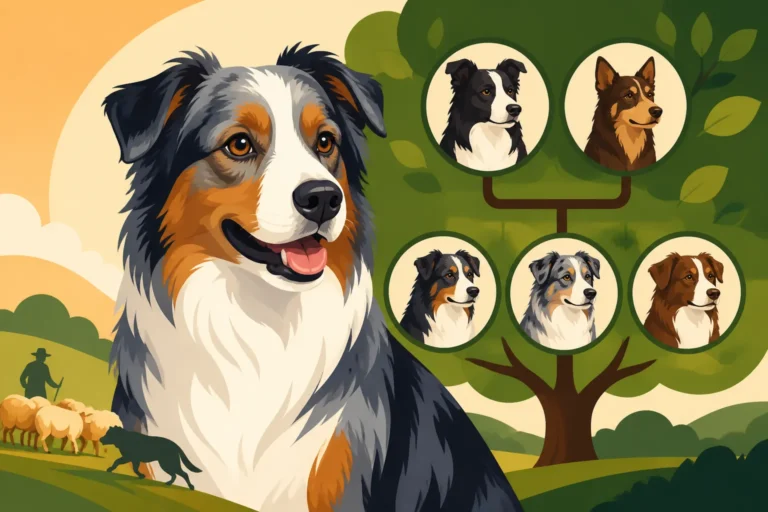
The Australian Shepherd, despite its misleading name, was developed right here in the American West, primarily by Basque shepherds who brought their dogs with them. These early Aussies were indispensable tools on ranches, responsible for moving sheep and cattle across vast and often rugged terrain. Their very existence was predicated on their ability to work tirelessly, make independent decisions, and respond keenly to their handler's commands. Breeders of working lines today continue to prioritize these functional traits above all else. They’re looking for pups that show a strong "eye" for herding, an eagerness to please in a working context, and the physical and mental resilience to handle demanding, long days.
Distinguishing from Show Lines
It’s easy to look at two beautiful Australian Shepherds and assume they're the same, but working lines often present a subtly different picture from their show-bred cousins. While both lines adhere to the general breed standard, working dogs are typically bred for utilitarian purposes first. This means their appearance, though still handsome, is secondary to their working ability. You might see a working Aussie with a slightly leaner build, perhaps a less exaggerated coat, or a more intense, focused gaze. Their energy levels and inherent drive are usually far more pronounced, making them unsuitable for homes that can't provide an outlet for their deep-seated instincts. Show lines, while still intelligent and active, often have a more moderated temperament and a flashier appearance, bred to excel in the conformation ring. You can often learn a lot by looking at the parentage when you are Buying an Aussie From a Ranch or a Show Kennel.
The Enduring Instinct
The most defining characteristic of a working line Australian Shepherd is their instinctual drive to herd. This isn't just a learned behavior; it's deeply ingrained in their genetic makeup, a powerful operating system that dictates much of their behavior. They see the world through the lens of moving and managing things—whether it's livestock, squirrels, children, or even inanimate objects. This instinct manifests as a strong prey drive, quick reactions, and an intense focus on movement. It’s what makes them so brilliant on the farm but can also be the biggest challenge for owners in a non-working environment. This innate drive needs an outlet, and without it, these intelligent dogs will find their own "jobs," which can often lead to behaviors we perceive as problematic. In fact, many people will tell you that Why Herding Instinct Is the Aussie Operating System is the most important thing to understand about the breed.
Drive and Energy: The Unmistakable Hallmark
A working line Australian Shepherd isn't just "energetic"; they possess a unique combination of stamina, mental intensity, and an innate desire to be constantly engaged. This isn't a dog content with a casual stroll around the block. Their energy is a force that needs to be harnessed, directed, and satisfied through consistent effort.
Relentless Energy Reserves
Imagine a dog that can run for hours, zig-zagging across a pasture, rounding up errant sheep, and then come home and still be ready for more. That's the kind of relentless energy a working line Aussie typically possesses. They are built for endurance, with the physical conditioning to sustain high levels of activity over long periods. This means that a quick walk on a leash isn't going to cut it. Owners often find they need to devote a significant portion of their day—sometimes two to three hours or more—to vigorous physical activity just to meet their dog's baseline needs. This could involve running, hiking, swimming, or engaging in demanding dog sports. Without this outlet, their pent-up energy can manifest as destructive chewing, incessant barking, or hyperactive behavior indoors. Understanding How Much Daily Exercise an Australian Shepherd Needs is paramount for these dogs.
Intense Focus and Problem Solving
Beyond mere physical energy, working line Aussies are characterized by an incredible mental intensity and a profound capacity for problem-solving. When they're "on the job," whether herding sheep or navigating an agility course, they display an unwavering focus that can be almost mesmerizing. They're constantly assessing situations, making split-second decisions, and adapting their strategies. This intelligence isn't passive; it's active and requires constant engagement. They thrive on challenges that make them think, puzzle through scenarios, and use their instincts to achieve a goal. This is why puzzle toys, advanced obedience, and complex dog sports are so vital for them. A simple game of fetch, while enjoyable, won't fully satisfy their intricate minds.
The Need for a Job
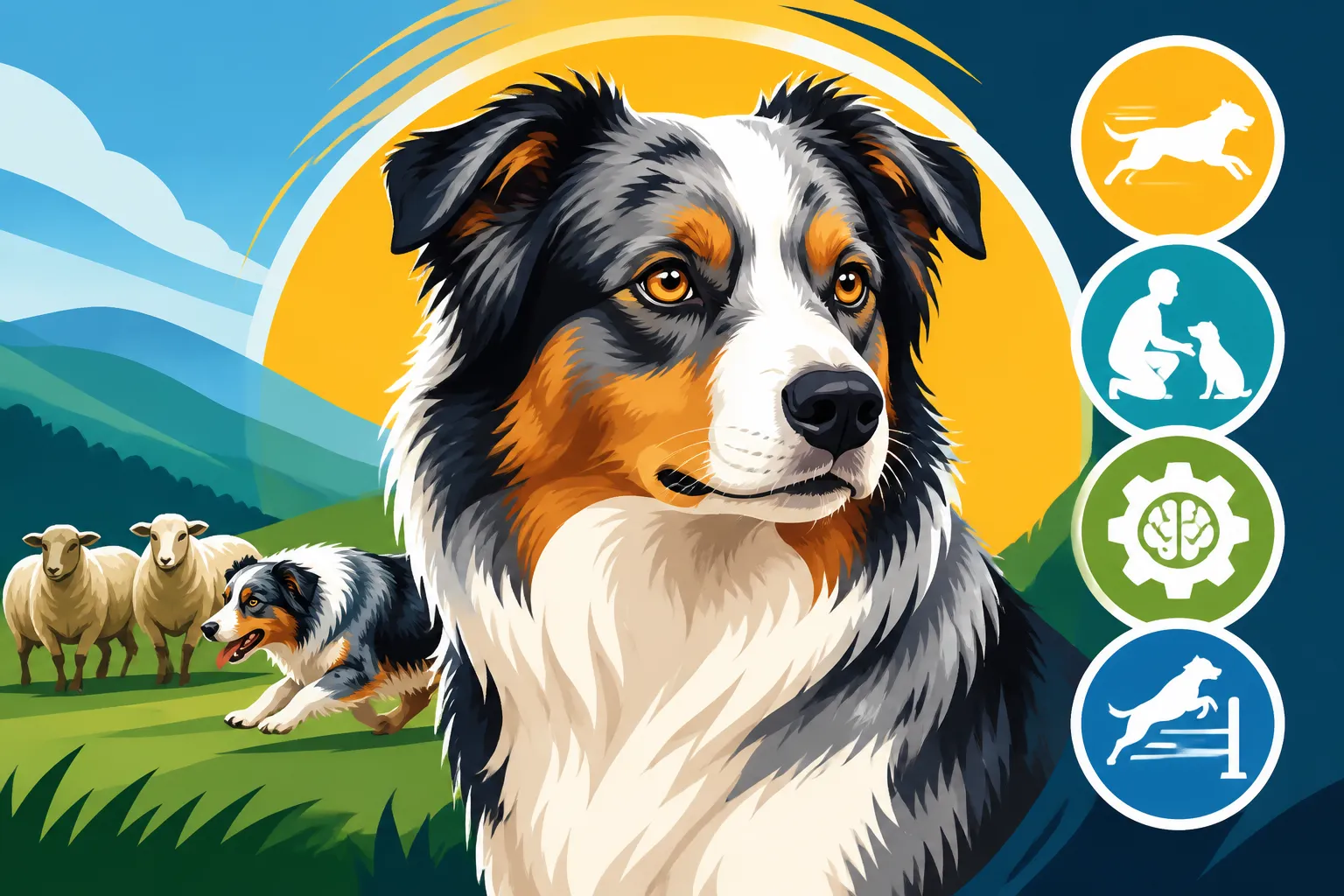
Perhaps the most critical aspect of a working line Australian Shepherd's drive is their inherent need for a "job." This isn't just a preference; it's a fundamental part of their well-being. Their ancestors were bred to work alongside humans, making contributions that were essential to a ranch's operation. This deep-seated purpose translates into a desire for meaningful engagement in modern life. If you don't provide a structured job, they will create one for themselves, which might involve herding your children, "organizing" the furniture, or persistently "helping" with household tasks in ways you didn't intend. Options like herding trials, agility, flyball, competitive obedience, or even advanced scent work can provide that vital sense of purpose and fulfillment. Think of it as a partnership where both dog and owner contribute to achieving a common goal. This is why Mental Work That Actually Tires an Australian Shepherd is often more effective than just physical exercise.
Temperament: Beyond the Show Ring
While often portrayed as outgoing and friendly in popular media, the true working line Australian Shepherd possesses a nuanced temperament, shaped by their demanding roles on the ranch. They are highly intelligent, deeply loyal, but often reserved with strangers, showcasing a profound dedication to their inner circle.
Reserved Nature with Strangers
Unlike many breeds eager to greet every passerby, a working line Australian Shepherd often displays a natural reserve around unfamiliar people and situations. This isn't shyness or aggression, but a cautious, observational demeanor. On a ranch, it was important for them to be discerning about who belonged and who didn't, and to remain focused on their tasks rather than being distracted by strangers. This trait means they typically aren't the type of dog to rush up for pats at the dog park. They often prefer to observe new individuals from a distance, assessing them before deciding if interaction is warranted. Proper early Socializing an Aussie Puppy Off the Farm is crucial to help them develop confidence and appropriate social skills, ensuring their natural reserve doesn't tip into fear or reactivity. This doesn't mean they can't be friendly, but it takes time and a gentle approach for them to warm up.
Deep Loyalty to Their People
Once a working line Aussie accepts you into their circle, their loyalty is profound and unwavering. They form deep bonds with their family, often developing a particular attachment to one primary handler. This loyalty translates into an eager desire to please and a keen attentiveness to their person. They want to be involved in whatever you're doing, always keeping an "eye" on you, ready for the next command or adventure. This intense bond makes them highly trainable, as they genuinely want to work with you. However, it also means they can be prone to separation anxiety if not properly conditioned to tolerate being alone, as their instinct is to be an active participant in the family unit. This deep connection makes them incredible partners, but it also means they thrive best in homes where they are truly integrated into daily life.
Intelligence and Trainability
Australian Shepherds are famously intelligent, and in working lines, this intelligence is amplified by a strong work ethic and an inherent desire to understand and execute commands. They are quick learners, often picking up new tasks with remarkable speed. Their ability to problem-solve and adapt makes them excel in complex training scenarios. However, this high intelligence can be a double-edged sword: if not channeled into productive training and mental stimulation, they can become bored and invent their own activities, which may not align with your household rules. Consistent, positive reinforcement training from a young age is essential. They respond best to handlers who are clear, consistent, and patient, and who understand how to motivate a dog with such intense focus. This breed needs a handler who is as sharp as they are, capable of staying a step ahead. When looking for support, it is critical to be Finding a Trainer Who Understands an Aussie.
Physical Characteristics Tailored for Work
The physical conformation of a working line Australian Shepherd is a testament to its purpose: a robust, agile, and enduring body designed for the rigors of ranch life. Every aspect, from their build to their coat, contributes to their ability to perform their demanding tasks efficiently and comfortably.
Athletic Build and Endurance
A working line Australian Shepherd is built for athleticism and sustained effort. You'll typically observe a dog with a well-muscled, medium build—neither overly heavy nor excessively refined. Their frame is balanced, allowing for quick bursts of speed, agile turns, and the stamina needed to cover many miles in a day. Their gait is smooth, free, and effortless, enabling them to navigate varied terrain without tiring easily. They often have good bone and substance, providing the necessary strength without being cumbersome. This functional physique means they need regular, high-impact exercise to maintain their muscle tone and overall fitness. Without it, their bodies, much like their minds, can become restless and unfulfilled. Maintaining a healthy weight is also vital; What an Australian Shepherd Should Weigh for its frame directly impacts its joint health and longevity, especially for active dogs.
Practical Coat and Structure
While show-line Aussies are often praised for their luxurious, flowing coats, working lines typically sport a more utilitarian version of the breed's signature double coat. It's still dense and weatherproof, offering protection from the elements—be it scorching sun, biting wind, or driving rain—but it might be slightly shorter or have less feathering around the legs and tail. This practical coat is designed to shed burrs, dirt, and moisture more easily, reducing the likelihood of matting and making cleanup after a day in the fields less labor-intensive. Their overall structure, including their moderate angulation and sturdy bone, also speaks to function over flash. Even elements like their ear set and eye shape contribute to their ability to effectively scan and react to their environment while working. A good, functional coat is essential for outdoor work, and you can find many quality grooming tools at places like Chewy that make maintenance easier.
Soundness for Demanding Tasks
The health and structural soundness of a working line Australian Shepherd are paramount. A dog that can't move freely, has joint issues, or is prone to certain health conditions simply cannot perform its job effectively. Therefore, responsible working line breeders place a strong emphasis on producing dogs with excellent health clearances, focusing on common breed issues like hip and elbow dysplasia, as well as eye conditions. Australian Shepherd Hip Dysplasia and Working Joints is a serious concern, so breeders will often test for this. They aim for dogs that are structurally sound enough to withstand the physical demands of herding, agility, or other high-intensity activities for many years. This dedication to soundness also extends to temperament; a dog that is easily stressed, reactive, or lacking confidence would be a detriment in a working environment where clear-headed decision-making is vital. Prospective owners should always inquire about the health testing of a working line puppy's parents to ensure they are getting a structurally sound and robust companion. Performing The Genetic Panel Every Australian Shepherd Needs is a foundational step for breeders.
Living with a Working Line Australian Shepherd
Bringing a working line Australian Shepherd into your home is a commitment to an exceptionally intelligent and driven companion. It requires more than just providing food and shelter; it demands a lifestyle that caters to their profound need for activity, mental engagement, and purposeful interaction.
Meeting Their Exercise Requirements
Let's be clear: "exercise" for a working line Aussie means much more than a couple of short walks a day. These dogs need substantial, high-intensity physical activity, often for one to two hours minimum per day, split into several sessions. This isn't just about letting them run; it's about structured activity that burns both physical and mental energy. Think long, brisk hikes, runs alongside a bicycle, swimming, or active games of fetch and frisbee in a secure area. They excel in dog sports like agility, flyball, or disc dog, which combine physical exertion with mental strategy. Without adequate exercise, a working line Aussie will likely become restless, anxious, and destructive. They might pace constantly, bark excessively, or redirect their pent-up energy into chewing furniture or digging up your yard. Investing in durable outdoor toys and training equipment, easily found on sites like Chewy, is essential.
Providing Mental Stimulation
Physical exercise alone, no matter how intense, will rarely be enough for a working line Australian Shepherd. Their sharp minds need to be challenged just as much as their bodies. This means incorporating daily mental stimulation into their routine. Puzzle toys, KONGs stuffed with treats, and regular training sessions that teach new tricks or advanced obedience commands are excellent. Engaging in scent work, where they use their noses to find hidden treats or articles, can be incredibly tiring for them. Even simple "jobs" around the house, like fetching specific items or helping carry groceries, can provide a sense of purpose. Many owners find success with trick training, which not only provides mental exercise but also strengthens the bond between dog and handler. Remember, a bored Aussie is often a mischievous Aussie, so keeping their brilliant minds occupied is key to a harmonious household. Learning Mental Work That Actually Tires an Australian Shepherd is a game changer for many owners.
Training and Socialization Needs
Given their intelligence and strong herding instincts, consistent training and thorough socialization are non-negotiable for a working line Australian Shepherd. They thrive on structure and clear communication, and their eagerness to learn makes them a joy to train. Early and ongoing obedience training is essential, focusing on solid recall, leash manners, and impulse control. Their instinct to chase moving objects means that a rock-solid Australian Shepherd Recall Around Moving Things is literally life-saving. Socialization should expose them to a wide variety of sights, sounds, people, and appropriate dog interactions from a young age, helping them develop into confident, well-adjusted adults without losing their natural discernment. Their herding drive means they may attempt to "manage" children or other pets, so training to redirect this behavior onto appropriate outlets like a flirt pole or herding ball is crucial. These dogs excel when they have a job to do and a clear understanding of their role within the family unit.
Comparing Working Line and Show Line Traits
Understanding the distinction between working and show lines can help prospective owners choose an Australian Shepherd that best fits their lifestyle. While both are intelligent and beautiful, their priorities in breeding have diverged.
| Trait | Working Line Australian Shepherd | Show Line Australian Shepherd |
|---|---|---|
| Primary Focus | Herding ability, drive, instinct, functional soundness | Conformation (appearance), moderate temperament, soundness |
| Energy Level | Very high, relentless; needs hours of vigorous activity | High; needs regular exercise but often less intense |
| Temperament | Intense, focused, reserved with strangers, highly biddable for work | Often more outgoing, adaptable, still intelligent and loyal |
| Physical Build | Athletic, lean, rugged; built for endurance and agility | Typically more refined, often heavier bone, flashier coat |
| Coat | Practical, dense, weather-resistant; may have less feathering | Longer, denser, more profuse feathering; bred for appearance |
| Mental Need | Constant challenge, problem-solving; requires a "job" | Needs mental stimulation, but may be satisfied with less structured work |
| Training Needs | Requires consistent, advanced training; excels in dog sports | Responds well to obedience; can participate in sports but often less driven |
This table provides a generalized overview, and individual dogs within both lines can vary. However, it highlights the fundamental differences in breeding priorities and the resulting traits. For an owner looking for a dedicated working partner, or someone who embraces an active lifestyle centered around their dog, a working line Aussie might be an ideal match. However, for those seeking a more traditional companion pet, a show line or a less intensely bred Australian Shepherd might be a better fit. Ultimately, it’s about aligning the dog’s inherent traits with your capacity to meet their needs, ensuring a happy and fulfilling life for both of you.
Disclaimer
This article is for general informational purposes only and does not constitute professional advice. Laws, prices and regulations vary by location and change over time. Consult a qualified professional for guidance on your specific situation.