Whether an Aussie Sees Again After Cataract Removal
Seeing your beloved Australian Shepherd start bumping into furniture, hesitating on stairs, or struggling to track a familiar tossed toy is heartbreaking, especially when you suspect their world is becoming cloudy. Cataracts are a common and frustrating reality for many Aussie owners, blurring their dog's once vibrant vision. This guide is here to walk you through what cataracts mean for your Australian Shepherd, the surgical options available, and the very real possibility of your furry friend seeing clearly again after cataract removal.
Unpacking Cataracts in Your Australian Shepherd
The thought of your active, intelligent Aussie losing their sight can be incredibly distressing. Cataracts aren't just a minor inconvenience; they can severely impact your dog's quality of life, making them hesitant, anxious, and even withdrawn. Understanding what cataracts are and why they appear in our Aussies is the first step toward getting them the help they need.
What Exactly Are Cataracts and Why Do Aussies Develop Them?
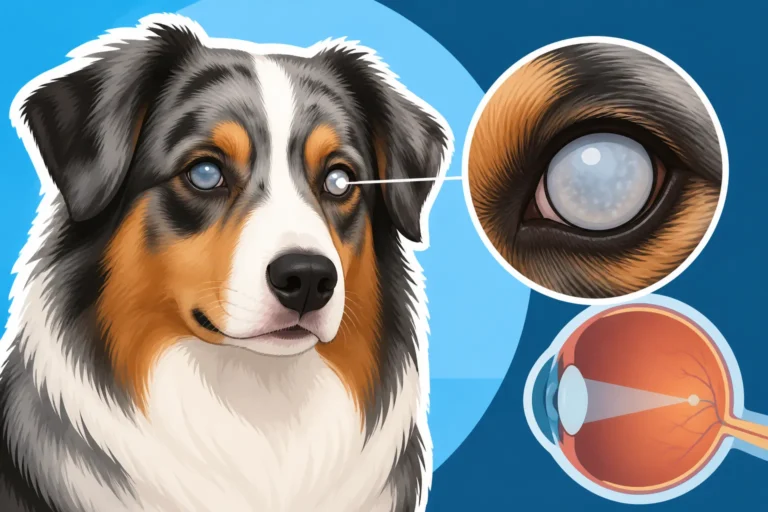
Simply put, a cataract is an opacity or cloudiness that develops within the lens of your dog's eye. Think of it like looking through a frosted window pane; as the cataract progresses, that "frosting" gets thicker, eventually blocking light from reaching the retina and causing significant vision impairment or even blindness.
While cataracts can affect any breed, Australian Shepherds are, unfortunately, predisposed to certain types. Hereditary cataracts are a particular concern in Aussies, often linked to a genetic mutation in the HSF4 gene. This means that even if you've done everything right with their care, genetics can sometimes play a cruel hand. It’s why responsible breeders diligently screen their dogs, and why testing like The Genetic Panel Every Australian Shepherd Needs is so crucial. These inherited cataracts can manifest early in life, sometimes before a year of age, or gradually appear as your dog matures.
Beyond genetics, other factors can contribute to cataract formation. Diabetes mellitus is a significant culprit; the excess sugar in the blood can diffuse into the eye's lens, where it's converted into sorbitol, causing the lens to swell and become opaque rapidly. Trauma to the eye, inflammation, or even nutritional deficiencies in puppyhood can also lead to cataracts, although these are less common causes in Aussies compared to the hereditary predisposition. It's a complex puzzle, but knowing the potential causes helps you and your vet narrow down the best course of action.
Spotting the Early Signs of Cataract Development
As a devoted Aussie parent, you're probably attuned to every subtle shift in your dog's behavior. Catching cataracts early can be pivotal for successful treatment. Initially, you might not notice much. Your Australian Shepherd is incredibly adaptable and will often compensate for diminishing vision by relying more on their keen sense of smell and hearing, especially in familiar environments.
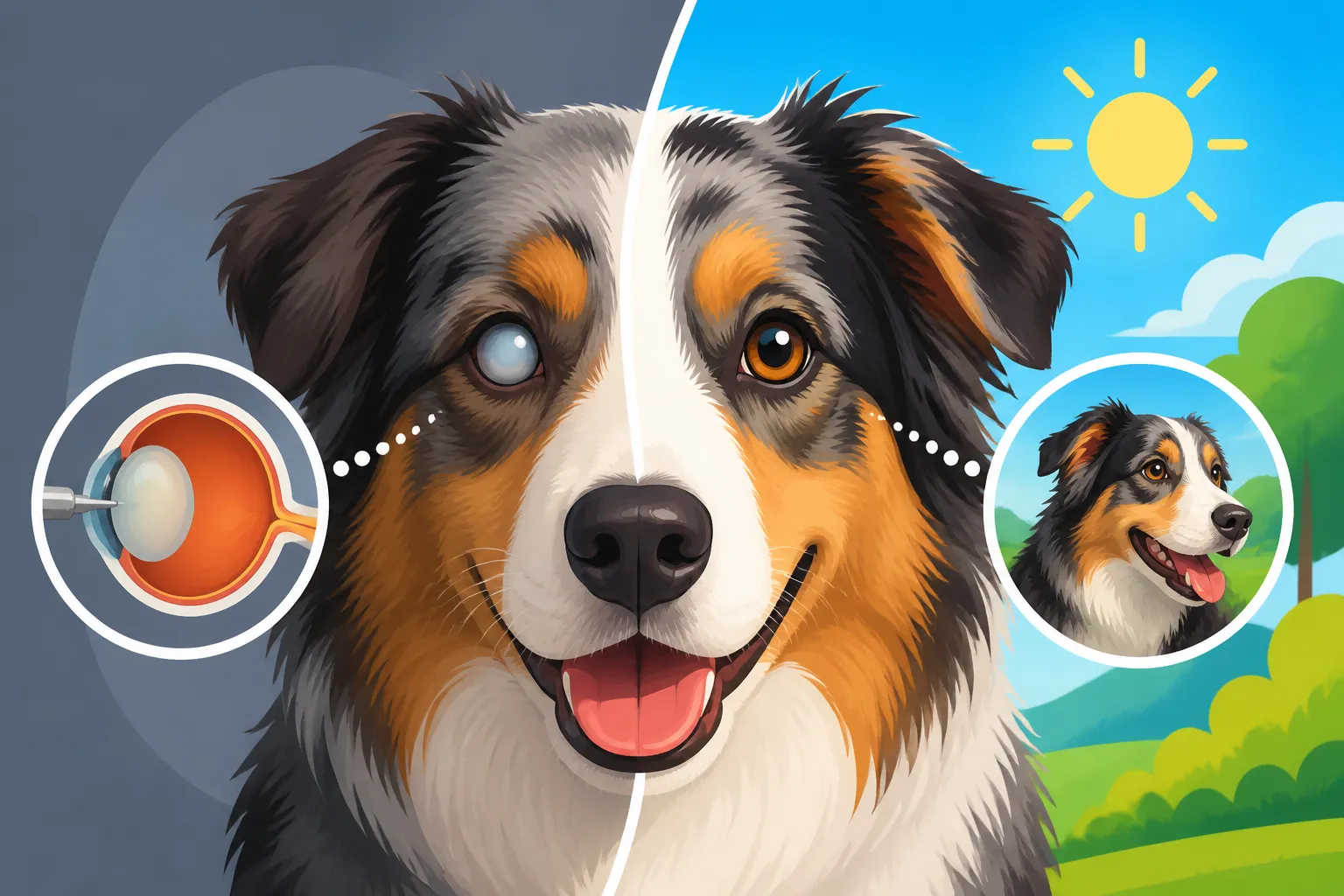
However, as the cataracts progress, the signs become more apparent. Visually, you might start to see a bluish-grey haze or a cloudy spot in the center of your dog's pupil, rather than the clear, dark window you're used to. This cloudiness might be subtle at first, perhaps only visible in certain lighting conditions. As it worsens, the entire pupil can appear milky white.
Behaviorally, look for changes like:
- Hesitation: Your Aussie might start to hesitate before jumping off furniture, navigating stairs, or entering dimly lit rooms.
- Bumping into objects: They might accidentally bump into doorframes, furniture, or even you, especially if objects are moved.
- Reduced play drive: A dog that once loved chasing a frisbee might seem less interested, not because they're tired, but because they can't see the object as clearly.
- Difficulty finding toys or food: They might sniff around more aggressively for items they used to find easily.
- Changes in eye appearance: Beyond the cloudiness, you might notice increased tearing or redness if the cataract leads to inflammation.
If you observe any of these symptoms, don't delay. A visit to your veterinarian, who may refer you to a veterinary ophthalmologist, is essential. Early diagnosis, particularly for conditions like Hereditary Cataracts Clouding an Aussie Eye, ensures that if surgery is an option, it can be performed before the cataract becomes too mature and potentially causes secondary complications, making the surgery more challenging and the outcome less predictable.
Navigating the Path to Cataract Surgery
When cataracts significantly impair your Australian Shepherd's vision, surgery often becomes the best, and sometimes only, option for restoring their sight. It's a big decision, understandably, and you'll want to feel fully informed and prepared for what lies ahead.
Comprehensive Pre-Surgical Evaluation
Before any surgical knife comes near your Aussie's precious eyes, a thorough pre-operative assessment is absolutely critical. This isn't just a quick peek; it's a comprehensive work-up designed to determine if your dog is a good candidate for surgery and to minimize risks. Your primary vet will likely run general bloodwork to ensure your Aussie is healthy enough for anesthesia, checking organ function and blood cell counts.
However, the bulk of the specialized evaluation will be done by a veterinary ophthalmologist. They will perform a series of detailed eye examinations, including:
- Slit-lamp biomicroscopy: This allows them to examine the lens, cornea, iris, and other structures of the eye in high magnification, precisely characterizing the cataract's size, location, and maturity.
- Indirect ophthalmoscopy: This helps visualize the retina and optic nerve at the back of the eye, ensuring there are no other underlying conditions that would prevent vision restoration, even if the cataract is removed.
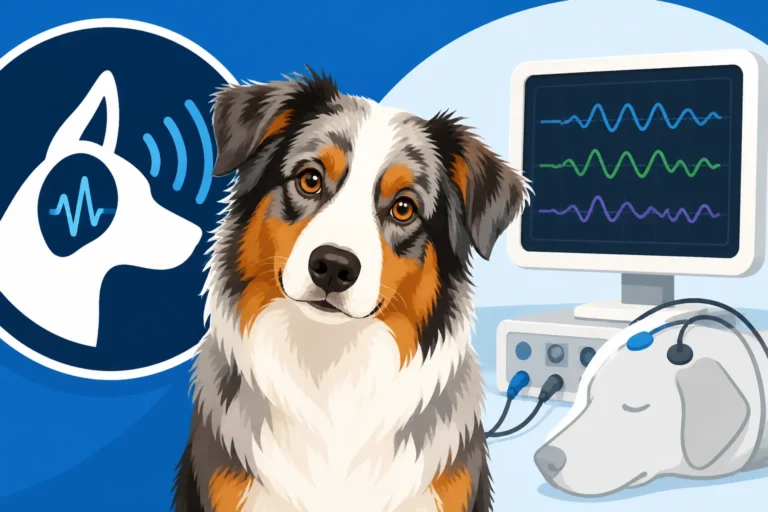
- Electroretinography (ERG): This is a crucial test that measures the electrical activity of the retina. Essentially, it checks if the retina is still functioning properly and capable of processing light once the cloudy lens is removed. If the retina is severely damaged, removing the cataract won't restore vision, making surgery pointless.
- Ocular ultrasound: This non-invasive imaging technique allows the ophthalmologist to "look through" the cloudy lens to check for any hidden abnormalities behind the cataract, such as retinal detachments or tumors.
- Tear production test (Schirmer Tear Test): Dry eye can complicate healing, so this test assesses tear production.
- Intraocular pressure (IOP) measurement: This checks for glaucoma, a painful condition that often co-occurs with advanced cataracts or can be a complication.
If your Aussie has been diagnosed with diabetes, getting their blood sugar levels meticulously controlled is a vital part of the pre-surgical preparation. Uncontrolled diabetes can increase the risk of complications, so your vet will work closely with you to stabilize their condition before surgery. This meticulous pre-assessment is really about setting your Australian Shepherd up for the best possible outcome.
What Happens During the Cataract Removal Procedure?
Cataract surgery in dogs is remarkably similar to the procedure performed on humans, employing advanced microsurgical techniques. The most common and effective method is phacoemulsification. This is a highly specialized procedure that requires an experienced veterinary ophthalmologist and a dedicated surgical team.
Here's a simplified breakdown of what typically occurs:
- Anesthesia: Your Australian Shepherd will be placed under general anesthesia. This is a crucial step, and the veterinary team will carefully monitor their vital signs throughout the entire procedure.
- Incision: A tiny incision, usually just a few millimeters, is made in the cornea.
- Capsulorhexis: A circular opening is then created in the lens capsule, the thin membrane surrounding the lens.
- Phacoemulsification: A small ultrasonic probe is inserted through the incision. This probe emits high-frequency sound waves that emulsify (break up) the cloudy cataract into tiny fragments. Aspiration then removes these fragments from the eye.
- Intraocular Lens (IOL) Implantation: In most cases, once the cataract material is removed, an artificial intraocular lens (IOL) is implanted into the eye. This is a critical step because the natural lens helped focus light onto the retina. Without an IOL, your Aussie would be extremely farsighted, and while they would see shapes and movement, their vision wouldn't be sharp. The IOL restores much of that focusing power, leading to much clearer vision. There are some cases where an IOL cannot be implanted due to complications or individual eye structure, but vision is still significantly improved even without one.
- Closure: The tiny incision is usually self-sealing or may require a single, fine suture.
The entire procedure for one eye typically takes about 30-60 minutes, though it can vary. Many ophthalmologists will operate on both eyes at once if both have significant cataracts and the dog is a good surgical candidate. The precision and delicacy required for this surgery are astounding, highlighting the expertise of these veterinary specialists.
Life After Surgery: Restoring Your Aussie's Sight
Bringing your Australian Shepherd home after cataract surgery can feel like walking on eggshells. You're filled with hope, but also a healthy dose of worry. Understanding the recovery process and what to expect for their vision is key to navigating this period successfully.
The Critical Post-Operative Recovery Period
The success of cataract surgery doesn't end when your Aussie leaves the operating room; a meticulous and dedicated post-operative care regimen is just as vital. This period is intense, requiring significant commitment from you, the owner.
Immediately after surgery, your Aussie will likely wear an Elizabethan collar (the "cone of shame") to prevent them from rubbing or scratching their eyes, which could dislodge sutures or introduce infection. They'll probably be on a strict medication schedule, often including multiple types of eye drops or ointments to prevent inflammation, infection, and manage intraocular pressure. These might need to be administered several times a day for weeks, sometimes even months, gradually tapering off as healing progresses. Missing doses can jeopardize the entire surgical outcome.
Activity restriction is also paramount. For the first few weeks, strenuous exercise, rough play, and anything that might cause a sudden increase in head pressure (like jumping on/off furniture or stairs) should be avoided. Short, leash-only walks are usually permitted. This quiet period allows the eye to heal without undue stress.
You'll have several follow-up appointments with the veterinary ophthalmologist. These are crucial for monitoring healing, checking intraocular pressure, assessing inflammation, and adjusting medication as needed. It's a journey, not a sprint, and your consistent adherence to the post-op instructions will significantly influence your Australian Shepherd's long-term vision.
Here's a quick checklist for your Aussie's post-operative care:
| Post-Op Care Aspect | Details |
|---|---|
| Medication Schedule | Administer all prescribed eye drops/ointments (anti-inflammatory, antibiotic, anti-glaucoma) exactly as directed. This often means multiple applications daily, every few hours, for weeks. Do not skip doses! |
| Protective Collar | Keep the Elizabethan collar on at all times, especially when unsupervised, to prevent rubbing, scratching, or bumping the surgical eye. |
| Activity Restriction | Limit physical activity to short, controlled leash walks. No running, jumping, rough play, or stairs for the period recommended by your ophthalmologist (typically 2-4 weeks). |
| Cleanliness | Keep the area around the eyes clean. Gently wipe away any discharge with a clean, damp cloth, avoiding direct contact with the surgical site. |
| Observation | Monitor your Aussie for signs of discomfort, redness, swelling, increased discharge, or sudden changes in vision. Contact your vet immediately if you notice anything concerning. |
| Follow-up Appointments | Attend all scheduled post-operative recheck appointments with the veterinary ophthalmologist. These are critical for monitoring healing and adjusting medications. |
| Environment | Maintain a calm, familiar, and safe environment at home to minimize stress and prevent accidental injury during recovery. |
| Patience & Positive Reinforcement | Your Aussie might be uncomfortable and confused. Offer gentle reassurance, praise, and treats (if permitted) for cooperating with medication and wearing the cone. |
How Much Vision Can Your Australian Shepherd Regain?
This is the big question every Australian Shepherd owner asks: will my dog see again? The answer, for most suitable candidates, is a resounding yes. The primary goal of cataract surgery is to restore functional vision, allowing your Aussie to navigate their world confidently, enjoy playtime, and recognize their family again.
The degree of vision restoration can vary, but generally, dogs who undergo successful phacoemulsification with IOL implantation regain excellent vision. They'll be able to see clearly enough to avoid obstacles, catch toys, and interact normally. Owners often report a dramatic transformation, describing their dogs as acting like puppies again – more energetic, playful, and engaged. The cloudiness is gone, and light can once again reach the healthy retina, which has been verified by the pre-operative ERG.
It's important to have realistic expectations. While significant vision is restored, it might not be 20/20 human vision. However, for a dog, regaining the ability to see clearly enough to chase a ball, confidently walk off-leash in a safe area, and recognize familiar faces is a profound improvement in their quality of life. In some cases, if an IOL cannot be implanted, the dog will still see much better, perceiving objects and movement, though perhaps not with the same sharpness. Their world will go from blurry to clear, or at least from extremely blurry to comfortably clear. The joy of watching your Australian Shepherd's eyes light up with renewed vision is truly one of the most rewarding experiences.
Understanding and Managing Potential Complications
While cataract surgery boasts a high success rate, typically around 85-95% for vision restoration, it's not without potential complications. Being aware of these helps you monitor your Australian Shepherd and respond promptly if issues arise.
Some of the most common complications include:
- Post-operative inflammation: This is expected to some degree, but excessive inflammation can lead to pain, reduced vision, and other issues. Aggressive medication management usually controls it.
- Glaucoma: An increase in intraocular pressure (IOP) within the eye can be a serious complication, potentially leading to pain and irreversible blindness. This can occur weeks, months, or even years after surgery. Regular IOP checks are crucial post-surgery.
- Retinal detachment: Though rare, the retina can detach from the back of the eye, which can lead to permanent blindness in that eye. This is why the pre-operative ultrasound and ERG tests are so important.
- Posterior capsular opacity (PCO) or "after-cataract": This is a haziness that develops behind the implanted IOL over time. It can slightly reduce vision but is often treatable with a non-invasive laser procedure if it becomes significant.
- Infection: While sterile techniques are used, any surgery carries a small risk of infection. Vigilant use of antibiotic eye drops minimizes this risk.
Your veterinary ophthalmologist will discuss these risks with you in detail before surgery. They are equipped to manage most complications, often with additional medication or, in some cases, further procedures. The key is strict adherence to the post-operative care instructions and prompt communication with your veterinary team if you notice any unusual changes in your Aussie's eye or behavior. This ongoing partnership is essential for safeguarding your Australian Shepherd's newly restored vision and ensuring they enjoy their improved sight for years to come, contributing to their overall Australian Shepherd Lifespan Across Twelve to Fifteen Years.
Planning for the Investment in Your Aussie's Eyesight
Let's be realistic: high-quality veterinary care, especially specialized surgery, comes with a significant price tag. The decision to pursue cataract removal for your Australian Shepherd often involves not only emotional considerations but also substantial financial planning.
The Financial Landscape of Cataract Surgery
Cataract surgery is a complex, delicate procedure requiring specialized equipment, expertise, and extensive post-operative care. Consequently, the costs can be considerable. Typically, you can expect to pay anywhere from $2,500 to $4,500 per eye, with the total cost for bilateral (both eyes) surgery often ranging from $4,000 to $8,000 or more. These figures can vary significantly based on your geographic location, the specific veterinary ophthalmology practice, the complexity of the case, and whether complications arise.
What does this cost include? It generally encompasses:
- Pre-operative evaluations: This includes the comprehensive eye exams, bloodwork, ERG, and ocular ultrasound.
- Anesthesia and surgical fees: The cost of the skilled surgical team, anesthesia monitoring, and the use of the specialized operating room.
- The intraocular lenses (IOLs): The cost of the artificial lenses themselves.
- Hospitalization: Typically, your Aussie will stay overnight for initial monitoring.
- Post-operative medications: The numerous eye drops and oral medications needed for recovery.
- Follow-up appointments: Initial recheck examinations.
It's crucial to get a detailed estimate from your veterinary ophthalmologist, breaking down all potential costs. Don't be shy about asking questions regarding what's included and what might incur additional fees. Knowing the financial commitment upfront allows you to plan effectively. These costs, combined with other potential Aussie Vet Bills Between $15,000 and $40,000 over a lifetime, highlight the importance of being prepared.
The Role of Pet Insurance in Covering Eye Care
Given the significant expense of cataract surgery, pet insurance can be an absolute lifesaver for many Australian Shepherd owners. While the monthly premiums for pet insurance (often around Australian Shepherd Insurance at $35 to $55 a Month) might seem like another outgoing, it can provide invaluable peace of mind when unexpected, costly health issues like cataracts arise.
When looking at pet insurance, it's essential to understand what's covered. Most comprehensive pet insurance policies will cover a large percentage (e.g., 70-90%) of the costs associated with cataract surgery, including diagnostics, the surgery itself, and post-operative medications. However, there are critical considerations:
- Waiting Periods: Almost all pet insurance providers, including popular ones like Healthy Paws, have waiting periods before coverage kicks in for accidents and illnesses. For illnesses, this is often 14 days or more. It's imperative that your Aussie is enrolled before any signs of cataracts appear, or the condition could be considered pre-existing.
- Pre-existing Conditions: If your Australian Shepherd is diagnosed with cataracts before you enroll in a policy or during the waiting period, the insurance company will likely consider it a pre-existing condition and may not cover the treatment. This is why insuring your dog early in life is so important.
- Deductibles and Reimbursement Levels: Understand your chosen plan's deductible (the amount you pay out-of-pocket before insurance starts to cover costs) and the reimbursement percentage (how much the insurance company pays after the deductible). For instance, if you have a $250 deductible and an 80% reimbursement rate on a $5,000 surgery, you'd pay $250 + 20% of the remaining $4,750 ($950), totaling $1,200, with Healthy Paws covering $3,800.
- Annual Limits: Some policies have annual limits on how much they will pay out. Ensure this limit is high enough to cover potential surgical costs.
Providers like Healthy Paws are often highly rated for their comprehensive coverage and straightforward claims process, which can make a huge difference during a stressful time. Investing in a good pet insurance policy when your Australian Shepherd is young and healthy can protect your finances and ensure you can make medical decisions based on what's best for your dog, not just what you can afford, especially for major procedures like Australian Shepherd Surgery Costs From Hips to Eyes. It's worth comparing plans and reading the fine print to understand Whether Insurance Covers Australian Shepherd Eye Surgery and other specialized care.
Disclaimer
The information provided in this article is for general informational purposes only and is not a substitute for professional veterinary advice. Always consult with a qualified veterinarian or veterinary ophthalmologist for any health concerns or before making any decisions related to your Australian Shepherd's care, diagnosis, or treatment.