Australian Shepherd Lifespan Across Twelve to Fifteen Years
It’s a heart-wrenching thought for any Australian Shepherd owner: the day your vibrant, energetic companion starts to slow down. We pour so much love, time, and effort into these amazing dogs, and naturally, we want them with us for as long as humanly possible. This guide is dedicated to exploring the factors that contribute to an Australian Shepherd's lifespan, diving deep into how you can help your beloved Aussie live a full, healthy, and happy life, potentially pushing beyond the average years.
Understanding the Average Australian Shepherd Lifespan
When we bring an Australian Shepherd into our homes, one of the first questions we often have, besides "how much energy will this dog actually have?", is "how long will they be with us?". It’s a natural concern, rooted in the deep bond we form with these incredible dogs. Understanding the average lifespan is just the starting point; what truly matters is maximizing every single one of those precious years.
What "Average Lifespan" Really Means
The term "average lifespan" for any dog breed, including Australian Shepherds, isn't a hard and fast rule set in stone. It's more of a general guideline, a statistical mean based on observations of many dogs of the same breed. For Australian Shepherds, this average typically hovers around 12 to 15 years. However, this isn't a guarantee that your Aussie will live exactly that long, or that they won't far exceed it. Some Aussies, blessed with good genes and exceptional care, might reach 16 or even 17 years, while others, unfortunately, might be taken from us sooner due to unforeseen illness or accidents. It simply gives us an idea of what's generally expected, helping us plan for their long-term care and appreciate every moment.
The Range of Years for an Aussie
While 12 to 15 years is the commonly cited range, it's worth noting that individual experiences can vary wildly. A healthy, well-cared-for Australian Shepherd, especially one from reputable breeding lines that prioritize health, often finds itself comfortably within this range, if not pushing the upper limits. Think of your Aussie's life as a journey with many variables affecting its length and quality. Diet, exercise, genetics, veterinary care, and even mental stimulation all play a part. Some Aussies might face health challenges early on that, while managed, could influence their overall longevity. Others might sail through their younger years only to encounter age-related issues later. The key is to be proactive and informed throughout their entire life.
Comparing Aussies to Other Breeds
When you look at the wider canine world, an Australian Shepherd's lifespan of 12 to 15 years places them squarely in the mid-to-longer range for medium-sized dogs. Smaller breeds often live longer, sometimes into their late teens, while many giant breeds have significantly shorter lifespans, often only 6 to 10 years. For example, a Great Dane might only live 7-10 years, whereas a Chihuahua could easily hit 15-20. Aussies, with their active, robust builds, generally strike a good balance. Their genetic predispositions, while present, don't typically lead to the rapid decline seen in some very large breeds. This makes the possibility of a long, fulfilling life with your Aussie very realistic, provided you're committed to their well-being every step of the way.
Genetic Factors Influencing Longevity
One of the biggest puzzle pieces in your Australian Shepherd's potential lifespan lies deep within their DNA. Genetics can be a double-edged sword: a foundation for robust health or a blueprint for inherited conditions that might shorten their time with you. Understanding this aspect is crucial, especially if you're bringing a puppy into your home or considering breeding your Aussie.
Hereditary Conditions That Can Shorten Life
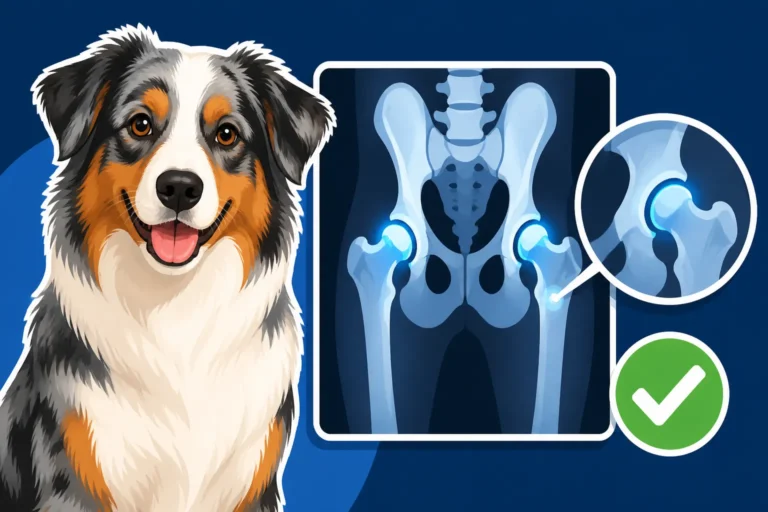
Australian Shepherds, like many purebred dogs, are predisposed to certain hereditary conditions. These aren't just minor inconveniences; some can significantly impact their quality of life and, unfortunately, their lifespan. For instance, epilepsy is a neurological disorder that can manifest in Aussies, often starting between one and five years of age. While many dogs with epilepsy can be managed with medication, severe or uncontrolled seizures can take a toll on their body and overall health. Similarly, conditions like hip and elbow dysplasia can lead to chronic pain and mobility issues, requiring extensive management and potentially shortening their active years. Then there's the infamous MDR1 mutation. If your Aussie has The MDR1 Mutation Half of Australian Shepherds Carry, certain common medications can be toxic, leading to severe neurological reactions and even death if not carefully managed. Awareness of these genetic vulnerabilities is the first step in proactive care.
The Importance of Responsible Breeding
This is where your choice of breeder becomes paramount. A responsible Australian Shepherd breeder is essentially a guardian of the breed's health. They go to great lengths to understand the genetic lineage of their dogs, performing comprehensive health clearances on both parents before breeding. This isn't just about looking at a pretty face; it's about minimizing the risk of passing on debilitating hereditary diseases. They will be transparent about any known health issues in their lines, even those that might not be immediately visible. If a breeder can't provide verifiable health clearances, or acts evasive about genetic testing, it's a huge red flag. Investing in a puppy from a breeder who genuinely cares about the health and longevity of their dogs is perhaps the single most impactful decision you can make for your Aussie's future. It's about setting them up for success from day one.
Genetic Testing as a Proactive Measure
For any Australian Shepherd owner, genetic testing isn't just a fancy term; it's an indispensable tool for proactive health management. There are specific DNA tests available for many of the common hereditary conditions in Aussies, such as the MDR1 mutation, various eye diseases like Collie Eye Anomaly in an Australian Shepherd and hereditary cataracts, and even some forms of epilepsy. Getting The Genetic Panel Every Australian Shepherd Needs can reveal if your dog is clear, a carrier, or affected by these conditions. Knowing this information can be life-saving. For example, if you know your Aussie is MDR1 positive, you and your vet can make informed decisions about medications, avoiding those that could cause a severe reaction. This knowledge empowers you to tailor your Aussie's care, allowing you to mitigate risks and address potential issues before they become crises, ultimately contributing to a longer, healthier life.
The Impact of Lifestyle and Environment on Lifespan
While genetics lay the groundwork, your Australian Shepherd's daily life and surroundings play an enormous role in shaping their health and, by extension, their lifespan. You might have the best genes in the world, but without proper care, even the healthiest Aussie can struggle. This is where your commitment as an owner truly shines through, influencing everything from their energy levels to their longevity.
The Role of Nutrition and Diet
Feeding your Australian Shepherd isn't just about filling a bowl; it's about fueling a highly active, intelligent animal for a long and healthy life. A balanced, high-quality diet is absolutely fundamental. This means choosing a dog food that meets their specific needs, considering their age, activity level, and any sensitivities they might have. For a working Aussie, for example, their caloric needs will be vastly different from a more sedentary companion. You can find detailed guidance on Feeding an Australian Shepherd That Works All Day to ensure they're getting adequate nutrients. Overfeeding, unfortunately, is a common pitfall, leading to obesity. Excess weight puts undue stress on joints, exacerbates conditions like Australian Shepherd Hip Dysplasia and Working Joints, and can contribute to a host of other health problems, including diabetes and heart disease, all of which can drastically shorten their life. Conversely, a diet rich in essential fatty acids and antioxidants can support their immune system, maintain coat health, and promote overall vitality.
Exercise and Mental Stimulation
Australian Shepherds are not couch potatoes. They were bred to work, to think, and to move. Providing adequate exercise isn't just about burning off energy; it's about maintaining physical fitness, joint health, and a healthy weight. Aim for at least one to two hours of vigorous activity daily, incorporating a mix of physical exercise like running, hiking, or fetch, and mentally stimulating activities such as obedience training, puzzle toys, or dog sports like agility or frisbee. A bored Aussie is often a destructive Aussie, but beyond that, a lack of appropriate stimulation can lead to behavioral issues born of frustration, and even depression. Just as a human body needs activity to stay strong, an Aussie's body and mind thrive on being challenged. Regular, appropriate exercise, tailored to their age and physical condition, helps keep their cardiovascular system strong, muscles toned, and joints mobile, all contributing to a longer, more comfortable life. Don't forget that over-exercising a growing puppy can be detrimental to developing joints, so Exercise Limits for a Growing Australian Shepherd is important to consider.
Safety and Environmental Hazards
Keeping your Australian Shepherd safe from harm is another critical aspect of extending their lifespan. This involves everything from securing your yard to prevent escapes and potential accidents with vehicles, to being vigilant about toxic substances in your home and garden. Aussies are naturally curious and often fearless, which can sometimes lead them into dangerous situations. Think about common household items that are toxic to dogs, or garden plants that could cause severe illness. Beyond immediate dangers, consider the long-term impact of their environment. Are they exposed to extreme weather conditions without adequate shelter? Do they have a safe, quiet place to retreat? Regular parasite prevention, including flea, tick, and heartworm medications, protects them from diseases transmitted by these pests. Even something as simple as ensuring they have constant access to fresh water, especially during exercise, is vital. Being mindful of these everyday elements helps prevent accidents and illnesses that could otherwise cut short your Aussie's precious years.
Common Health Challenges and Their Management
Even with the best genes and a perfect lifestyle, Australian Shepherds can face certain health challenges as they age. Being aware of these common ailments and understanding how to manage them effectively can significantly impact both their quality of life and their longevity. Early detection and consistent veterinary care are your strongest allies.
Orthopedic Issues and Joint Health
Australian Shepherds are active dogs, and their dynamic movements, especially in working lines, can put strain on their joints over time. As mentioned earlier, conditions like Australian Shepherd Hip Dysplasia and Working Joints and elbow dysplasia are unfortunately common. These are developmental conditions where the joints don't form correctly, leading to pain, arthritis, and reduced mobility. While genetics play a huge role, factors like rapid growth, excessive exercise in puppyhood, and obesity can exacerbate them. Management often involves a multi-pronged approach: pain medication, anti-inflammatory drugs, joint supplements (like glucosamine and chondroitin), physical therapy, and in severe cases, surgery. Maintaining a lean body weight is crucial to reduce stress on compromised joints. Starting preventative joint support early, especially for active Aussies, can make a real difference in their comfort and mobility as they age.
Neurological Conditions Like Epilepsy
Epilepsy is another significant health concern for Australian Shepherds. It's often idiopathic, meaning it has no known cause, and is thought to be largely genetic. Seizures can be frightening to witness, and while some dogs have mild, infrequent episodes, others experience severe or cluster seizures. Australian Shepherd Epilepsy Starting Between One and Five is a common presentation. Managing epilepsy usually involves anti-seizure medication, often for the dog's entire life. This medication helps control the frequency and severity of seizures, but it requires careful monitoring by your veterinarian, including regular blood tests to check drug levels and liver function. While epilepsy can be managed, it does require a significant commitment from owners and can, in severe cases, impact overall quality of life and longevity. Keeping a detailed log of seizures, their duration, and any observed triggers can be immensely helpful for your vet in tailoring treatment.
Cancer Risks in Australian Shepherds
Sadly, cancer is a leading cause of death in older dogs, and Australian Shepherds are not immune. Like many breeds, they can be predisposed to various forms of cancer, including hemangiosarcoma, lymphoma, osteosarcoma, and mast cell tumors. Australian Shepherd Cancer Risks With Age are a reality we must prepare for. The key to combating cancer is often early detection. Regular veterinary check-ups are vital, as vets can often spot subtle changes or lumps during routine examinations. Owners also play a critical role by performing regular at-home checks, feeling for unusual bumps or swelling, and noticing any changes in appetite, energy levels, or behavior. Treatment options, depending on the type and stage of cancer, can range from surgery, chemotherapy, radiation, or a combination of therapies. While a cancer diagnosis is devastating, advancements in veterinary oncology mean that many forms of canine cancer can be managed, offering dogs more quality time with their families.
Autoimmune Diseases and Allergies
Australian Shepherds can also be prone to various autoimmune diseases and allergies. Autoimmune conditions occur when the body's immune system mistakenly attacks its own healthy cells. Examples include Australian Shepherd Autoimmune Disease like autoimmune thyroiditis (leading to hypothyroidism), Addison's disease, and immune-mediated hemolytic anemia. These conditions often require lifelong medication to suppress the immune response or replace deficient hormones. Symptoms can be vague at first, making early diagnosis challenging but crucial. Allergies, on the other hand, while not directly life-threatening, can significantly impact an Aussie's quality of life. Australian Shepherd Skin, Coat and Allergy Problems are common, manifesting as itchy skin, recurring ear infections, or gastrointestinal upset. Chronic inflammation from allergies can lead to secondary infections and generalized discomfort. Identifying and managing allergies, whether through diet changes, environmental control, or medication, improves comfort and prevents chronic health issues that could otherwise take a toll on their long-term health.
| Health Challenge | Typical Age of Onset | Key Symptoms | Management Strategies | Impact on Lifespan |
|---|---|---|---|---|
| Hip/Elbow Dysplasia | Puppyhood to Young Adult | Lameness, reluctance to move, bunny hopping, difficulty rising, pain | Pain meds, joint supplements, PT, weight management, surgery | Reduced mobility, chronic pain |
| Epilepsy | 1-5 years | Seizures (focal or generalized), confusion, drooling, loss of consciousness | Anti-seizure medication, careful monitoring, seizure logs | Manageable, but severe cases impact QoL |
| Cancer (various forms) | Middle to Senior Years | Lumps/bumps, lethargy, weight loss, limping, changes in appetite/behavior | Surgery, chemo, radiation, supportive care, early detection is key | Variable, often fatal if advanced |
| MDR1 Mutation (drug sensitivity) | Any age (with exposure) | Neurological signs (staggering, tremors, blindness) after certain medications | Avoidance of specific drugs, genetic testing, vet awareness | Potentially fatal with wrong meds |
| Autoimmune Diseases | Young Adult to Senior | Lethargy, weight changes, skin issues, GI upset, joint pain, anemia | Immunosuppressants, hormone replacement, symptom management | Manageable, but lifelong care needed |
| Allergies | Any age | Itching, rashes, hot spots, ear infections, GI upset | Diet changes, environmental control, medication, supplements | Impacts quality of life, can lead to secondary issues |
| Bloat (GDV) | Any age | Distended abdomen, retching, restlessness, collapse | Emergency surgery | Rapidly fatal without immediate intervention |
Preventive Care for a Longer, Healthier Life
The old adage "an ounce of prevention is worth a pound of cure" couldn't be more true when it comes to your Australian Shepherd's health and longevity. Proactive care, rather than reactive treatment, is the cornerstone of ensuring your Aussie lives a full and vibrant life within their 12 to 15 years, or even beyond. This commitment starts from puppyhood and continues diligently into their senior years.
Regular Veterinary Check-ups and Screenings
Annual (or even twice-annual for seniors) veterinary check-ups are non-negotiable. These visits aren't just for vaccinations; they're comprehensive health assessments. Your vet will perform a thorough physical exam, checking everything from their teeth and ears to their heart and joints. They'll ask about any changes in behavior, appetite, or energy levels. These routine visits allow your vet to establish a baseline for your Aussie's health, making it easier to spot subtle changes that could indicate a developing problem. Furthermore, they can recommend appropriate screenings based on your dog's age, breed, and individual risk factors. This might include blood work to check organ function, urinalysis, or specific screenings for conditions like Collie Eye Anomaly in an Australian Shepherd or hypothyroidism. Early detection of issues, even seemingly minor ones, often leads to more effective and less invasive treatment, significantly improving outcomes and potentially extending their healthy years.
Vaccinations and Parasite Prevention
Keeping your Australian Shepherd up-to-date on vaccinations and consistent with parasite prevention is a fundamental aspect of their health. Vaccinations protect your Aussie from highly contagious and often deadly diseases like rabies, distemper, parvovirus, and leptospirosis. While adult dogs might not need every vaccine every year, following your vet's recommended schedule ensures robust immunity. Beyond vaccinations, diligent parasite prevention is critical. This includes monthly heartworm medication, which is vital for all dogs, even those that spend most of their time indoors. It's especially important if your Aussie has What MDR1 Does Inside an Australian Shepherd Brain to ensure the chosen medication is safe for them. Additionally, year-round flea and tick prevention protects against uncomfortable infestations and the serious diseases these parasites can transmit, such as Lyme disease, Ehrlichia, and Rocky Mountain Spotted Fever. These preventive measures are relatively simple steps that provide immense protection against illnesses that could otherwise significantly compromise your Aussie's health and longevity.
Maintaining Optimal Weight and Dental Hygiene
These two often-overlooked aspects of preventive care have a profound impact on an Australian Shepherd's lifespan. Maintaining an optimal weight is crucial. We mentioned it before, but it bears repeating: obesity is an epidemic in pets and is linked to numerous health problems, including arthritis, diabetes, heart disease, certain cancers, and a shortened life. It's not just about looking good; it's about reducing the strain on their body. Your vet can help you assess your Aussie's body condition score and recommend a feeding plan. Equally important is dental hygiene. Imagine never brushing your own teeth; the same unpleasant consequences apply to your dog. Plaque and tartar buildup lead to gingivitis, periodontal disease, painful abscesses, and even systemic infections when bacteria from the mouth enter the bloodstream and affect major organs like the heart, kidneys, and liver. Regular home dental care, like brushing, combined with professional dental cleanings under anesthesia as needed, as outlined in Australian Shepherd Dental Care, can prevent serious health issues and add years to their life. Many owners don't realize how much dental health contributes to overall wellness, but it truly is a cornerstone of longevity.
Navigating the Senior Years with Your Aussie
Watching your once boundless Australian Shepherd enter their senior years is a bittersweet experience. While their energy might wane, their capacity for love and companionship only grows stronger. Providing specialized care during this phase is essential to ensure their comfort, maintain their quality of life, and help them enjoy their golden years to the fullest, extending the rich tapestry of your shared life.
Recognizing Signs of Aging
Just like us, dogs show signs of aging gradually. For an Australian Shepherd, this might start subtly around 7-8 years old, though many remain spry much longer. Common signs include a decrease in energy and stamina, graying around the muzzle and eyes, and a tendency to sleep more. You might notice stiffness after naps or a reluctance to jump into the car or climb stairs, potentially indicating Australian Shepherd Arthritis After Years of Work. Their senses might dull; hearing loss and Progressive Retinal Atrophy in an Aussie are not uncommon, meaning they might not respond to commands as readily or might startle more easily. Behavioral changes, such as increased anxiety or confusion, might also emerge. It’s important not to dismiss these as "just old age" but to see them as signals that your Aussie's needs are changing. Early recognition allows you and your vet to intervene, manage discomfort, and support their evolving health.
Adjusting Care for an Older Australian Shepherd
As your Aussie ages, their care routine needs to adapt. This often means more frequent veterinary visits, perhaps every six months, to monitor for age-related conditions. These visits might include more extensive blood work to check organ function, especially kidneys and liver, and to screen for conditions like Australian Shepherd Autoimmune Thyroiditis. Their diet might need adjusting to a senior-specific formula, which often has fewer calories to prevent weight gain (as their metabolism slows) but remains rich in joint-supporting nutrients. Exercise should shift from high-impact activities to gentler, shorter walks, swimming, or mental enrichment games that don't stress their joints. Providing comfortable, orthopedic bedding can alleviate pressure on sore joints. You might need to adjust your home environment, adding ramps for stairs or helping them into the car. Patience becomes even more paramount as their senses or cognitive function might decline. The focus shifts from peak performance to maximum comfort and maintaining their cognitive and physical abilities for as long as possible. For more detailed advice, check out Senior Australian Shepherd Care After Ten.
When to Consider Quality of Life
This is perhaps the hardest conversation any pet owner faces. There comes a point in every senior dog's life where managing chronic conditions or dealing with new ailments becomes less about living and more about existing in discomfort. Quality of life assessment is deeply personal and involves a realistic look at your Aussie's daily happiness, comfort, and ability to engage in activities they once enjoyed. Are they still eating? Are they in pain that medication can't fully control? Do they still show interest in their surroundings and interact with the family? Are they experiencing more bad days than good? It's a spectrum, not an on-off switch. Having open, honest discussions with your veterinarian, who can provide objective medical insights, is crucial. They can help you understand the prognosis and discuss palliative care options. Sometimes, the most loving, albeit heartbreaking, decision we can make for our cherished senior Australian Shepherds is to relieve them of suffering. This conversation is never easy, but it’s a vital part of responsible pet ownership, ensuring their last moments are peaceful and dignified.
Making Informed Decisions for Your Aussie's Future
The journey with an Australian Shepherd is a long-term commitment, both emotionally and financially. Planning ahead, making informed choices, and understanding the potential costs involved can ease anxieties and ensure you're always prepared to give your Aussie the best care possible throughout their entire 12 to 15-year lifespan.
Budgeting for Long-Term Health Costs
Let's be realistic: owning an Australian Shepherd, especially one that lives a long life, is not cheap. Vet bills for routine care, unexpected illnesses, or age-related conditions can quickly add up. Think about the potential for expensive treatments for conditions like Australian Shepherd Hip Dysplasia and Working Joints or lifelong medication for Australian Shepherd Epilepsy Starting Between One and Five. It's not uncommon for lifetime vet bills for an Aussie to range from $15,000 to $40,000. Setting aside a dedicated savings fund for your pet's health emergencies is a wise decision. Even a small amount saved regularly can provide a cushion when unexpected costs arise. Understanding these financial realities upfront allows you to plan accordingly and ensures that cost doesn't become a barrier to providing the necessary medical care your Aussie deserves as they age. Being proactive with your budget is just as important as being proactive with their health.
Choosing a Veterinarian Who Understands Aussies
Not all veterinarians are created equal, especially when it comes to breed-specific nuances. Australian Shepherds have particular health predispositions, such as the MDR1 gene, which impacts how they metabolize certain drugs. Finding a veterinarian who is familiar with the breed, or at least open to learning and consulting breed-specific resources, can make a significant difference. A vet who understands the unique temperament of an Aussie—their intelligence, their sensitivity, and their drive—will also be better equipped to handle their care, from routine exams to managing complex health issues. Look for a vet who prioritizes preventative care, encourages genetic testing, and is transparent about treatment options. Don't be afraid to ask questions about their experience with herding breeds or their approach to managing conditions common in Aussies. A strong partnership with a knowledgeable vet is an invaluable asset in extending your Australian Shepherd's healthy life.
Considering Pet Insurance for Peace of Mind
For many Australian Shepherd owners, pet insurance offers a crucial safety net against the high costs of unexpected veterinary care. Given the breed's predispositions to conditions like epilepsy, hip dysplasia, and certain cancers, having insurance can mean the difference between being able to afford life-saving treatment and making difficult financial decisions. Policies typically cover accidents, illnesses, surgeries, medications, and sometimes even wellness care. When researching options, compare different providers and plans. A company like Healthy Paws, for instance, is known for its comprehensive coverage for accidents and illnesses. Be sure to understand what's covered, what's excluded (pre-existing conditions are a common exclusion, so enrolling when your Aussie is young and healthy is often best), deductibles, and reimbursement percentages. While it's an additional monthly expense, pet insurance can provide immense peace of mind, allowing you to focus on your Aussie's recovery rather than crippling vet bills. Healthy Paws and similar providers can help manage the financial strain, especially during costly treatments. Think of it as investing in their long-term health and your financial stability. Many owners find that having pet insurance, perhaps from a provider like Healthy Paws, allows them to pursue the best possible medical care without hesitation.
Disclaimer
The information provided in this article is for general informational purposes only and is not a substitute for professional veterinary advice. Always consult with a qualified veterinarian regarding your Australian Shepherd's specific health concerns, diagnosis, and treatment options. Breed-specific health information is general, and individual dogs may vary.