Progressive Retinal Atrophy in an Aussie
It's absolutely heartbreaking to watch your beloved Australian Shepherd start to lose their sight, bumping into familiar furniture, hesitating on stairs they once bounded up, or struggling to find a dropped toy right in front of them. The worry and helplessness can be overwhelming, especially when you suspect something deeper than just "getting old." This guide is here to walk you through progressive retinal atrophy (PRA) in Australian Shepherds, helping you understand what it is, how to spot the signs, what to expect, and how to help your furry family member adapt and live their best life.
Understanding Progressive Retinal Atrophy in Australian Shepherds
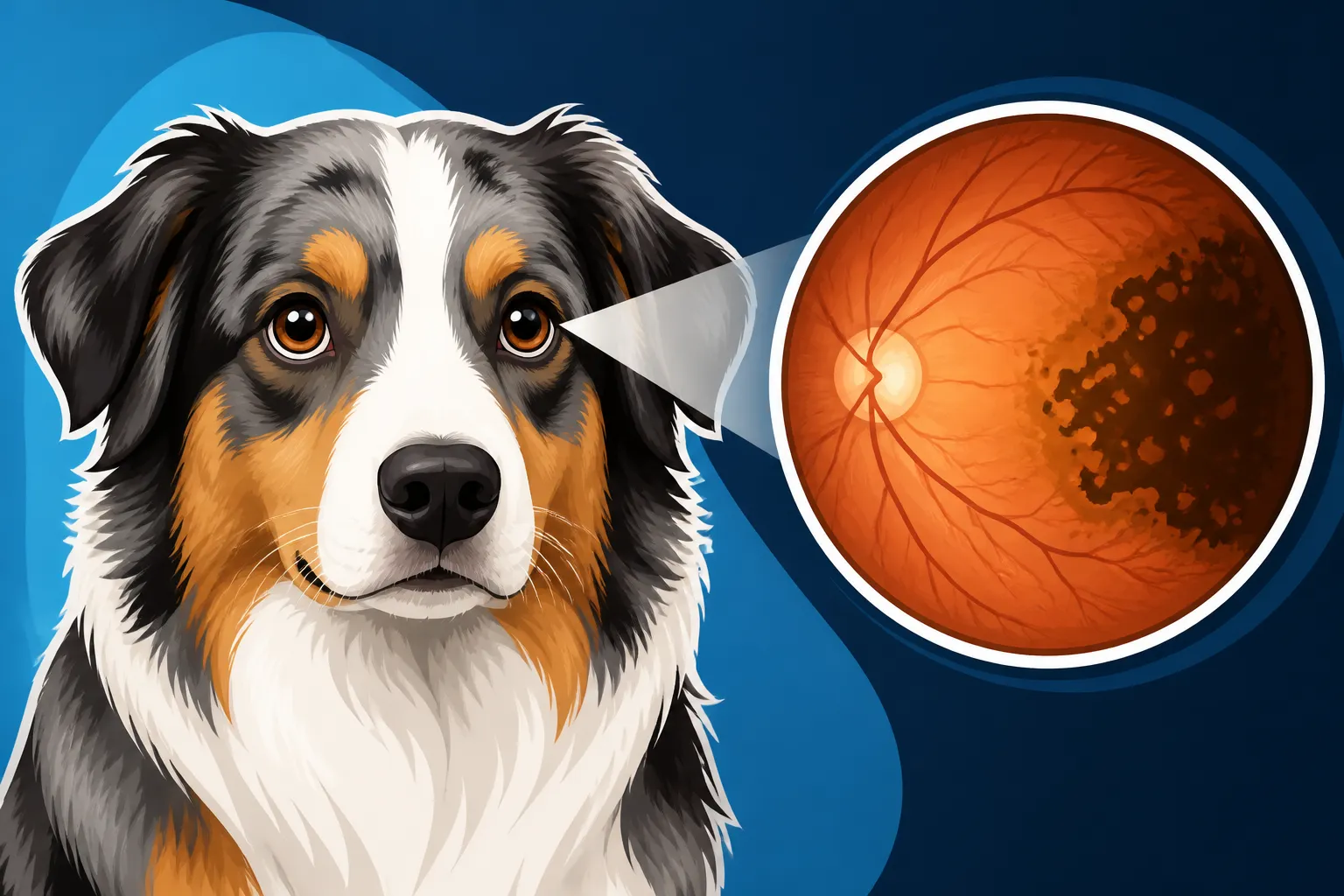
Progressive Retinal Atrophy (PRA) isn't just one disease; it's actually a whole group of inherited eye conditions that gradually lead to blindness. For us, it sounds terrifying, but for our Aussies, it's a slow, usually painless, process that affects the photoreceptor cells in their eyes. These are the specialized cells in the retina that detect light, essentially what allows them to see. Think of it like the film in an old camera slowly degrading until it can no longer capture an image.
What makes PRA so insidious is its progressive nature. It doesn't happen overnight. Instead, the photoreceptor cells, which are either rods (responsible for vision in dim light and detecting movement) or cones (responsible for daylight vision and color), begin to degenerate. Initially, it's often the rods that are affected, leading to "night blindness." Your Aussie might seem perfectly fine during the day, happily chasing a frisbee, but as dusk settles, they become hesitant, bumping into furniture, or barking at shadows. As the disease progresses, the cone cells also start to fail, and eventually, the vision loss becomes complete, leaving your loyal companion fully blind.
The cruel twist with PRA in Australian Shepherds, and many other breeds, is that it's often an inherited condition, meaning it's passed down through genetics. Several different gene mutations can cause PRA, with the most common form often referred to as prcd-PRA (progressive rod-cone degeneration). This specific type is autosomal recessive, which means a dog needs to inherit two copies of the faulty gene (one from each parent) to be affected by the disease. Dogs with only one copy of the faulty gene are considered "carriers"; they won't develop PRA themselves, but they can pass the gene on to their puppies. This is why understanding The Genetic Panel Every Australian Shepherd Needs is so vital for responsible breeders. Symptoms for prcd-PRA in Aussies typically emerge later in life, usually between 3 and 6 years of age, though it can vary. Other forms of PRA might manifest earlier or even later.
Recognizing the Signs and Symptoms
Catching the signs of progressive retinal atrophy early can be challenging because the disease often develops so gradually. Our Aussies are incredibly adaptable creatures, and they're masters at compensating for diminishing sight, especially if they’re in a familiar environment. They rely heavily on their other senses – their incredible hearing and powerful sense of smell – to navigate the world. This means you might not notice anything amiss until a significant portion of their vision is already gone, or they're in a new or dimly lit setting.
The very first symptom many owners notice is a subtle change in their Aussie's behavior in low light conditions, often referred to as "night blindness" or nyctalopia. This might manifest as:
- Hesitation at Dusk or in Dark Rooms: Your dog might become reluctant to go outside in the evening, especially into the backyard, or they might bump into objects they usually navigate with ease. Going from a brightly lit room into a dimly lit hallway might cause them to slow down considerably or even freeze.
- Clumsiness in Unfamiliar Dark Areas: If you're on a late-night walk in an unlit park, your Aussie might stumble or walk into things they would normally avoid. Inside the house, they might bump into furniture or walls after the lights are turned off, even if it's furniture that's been in the same spot for years.
- Difficulty Catching Things in Low Light: A favorite toy thrown at dusk might be missed entirely, or they might seem confused about where it landed.
As the PRA progresses, the vision loss extends into daylight hours. This is when the cone cells, responsible for bright light vision, start to degenerate, and the signs become much more apparent regardless of the lighting:
- Generalized Clumsiness: Your Aussie might start bumping into furniture more frequently, even in well-lit rooms. They might misjudge distances when jumping onto the couch or into the car, or they could have trouble finding their food bowl if you've moved it slightly.
- Reluctance to Navigate Stairs or New Environments: Steps become a huge hurdle, and new places can cause anxiety and confusion. They might seem disoriented or hesitant in places they used to explore with confidence.
- Dilated Pupils: This is a key visual clue. To compensate for less light reaching the deteriorating retina, your dog’s pupils will often appear permanently dilated, trying to let in as much light as possible. This can give their eyes a shiny, reflective, or even "glow-in-the-dark" appearance, especially at night or when light catches them just right.
- Changes in Eye Appearance: While PRA doesn't typically cause the cloudy, bluish haze you might see with Hereditary Cataracts Clouding an Aussie Eye, some dogs might develop secondary cataracts later in the disease process, which can add to the cloudiness and further obscure vision. However, the primary issue is retinal degeneration, not lens opacity.
- Increased Startle Response: Because they can't see objects or people approaching, a touch or a sudden noise might cause your Aussie to jump or startle more easily.
It’s easy to dismiss some of these early signs as just normal aging, especially when PRA often shows up in middle to senior years. If your Aussie is over the age of ten, some vision changes might occur naturally, but it's always worth investigating. If you're seeing these symptoms in a younger dog, or a progressive worsening, it's even more crucial to consult with your veterinarian. Being proactive, even if it feels like minor changes at first, can make a huge difference in managing the condition and supporting your Australian Shepherd's quality of life as they move into Senior Australian Shepherd Care After Ten.
Diagnosing PRA and Managing the Condition
When you suspect your Australian Shepherd might be experiencing vision loss, the first step is always a visit to your trusted veterinarian. They'll perform a thorough general examination and an initial eye exam. However, because PRA is a specialized condition, your vet will likely recommend a referral to a veterinary ophthalmologist – a specialist in animal eye diseases.
How PRA is Diagnosed
A veterinary ophthalmologist has the specialized tools and expertise to accurately diagnose PRA. Here's what you can expect during the diagnostic process:
- Comprehensive Ophthalmic Exam: The ophthalmologist will conduct a detailed examination of your Aussie's eyes, looking for specific changes. This includes a fundic examination, where they look at the back of the eye (the retina) using an ophthalmoscope. In cases of PRA, they might see characteristic changes like hyper-reflectivity of the tapetum (the reflective layer behind the retina), thinning of the retinal blood vessels, and optic nerve atrophy, which indicates the retina is deteriorating.
- Electroretinography (ERG): This is the definitive diagnostic test for PRA. An ERG measures the electrical activity of the photoreceptor cells in the retina in response to light flashes. Even before outward signs of vision loss are obvious, an ERG can detect abnormal retinal function. Your Aussie will usually be lightly sedated for this procedure to ensure they remain still and comfortable. A flat or significantly reduced ERG reading confirms the diagnosis of PRA.
- Genetic Testing: Since PRA is an inherited condition, genetic testing is often recommended, especially to pinpoint the specific mutation involved (like prcd-PRA). A simple DNA sample, often a cheek swab or blood test, can identify if your dog is clear, a carrier, or affected. This is incredibly valuable not just for diagnosis but also for understanding the genetic implications for any related dogs or future breeding plans. Many breeds have specific DNA tests available for common forms of PRA. This genetic insight can complement the ERG findings and provide a complete picture, similar to how breeders might test for The CEA DNA Test for Australian Shepherds for another eye condition. Breeders often use services from organizations like the Orthopedic Foundation for Animals (OFA) or Canine Health Information Center (CHIC) for comprehensive health databases, including these specific eye tests. It's a key component of The ACVO Eye Exam Australian Shepherd Breeders Run to ensure the health of their lines.
Living with an Australian Shepherd with PRA
Currently, there is no cure for progressive retinal atrophy. Once the photoreceptor cells are damaged, they cannot be regenerated. This can be a tough pill to swallow for any dedicated Aussie owner, but it's crucial to remember that a dog losing its sight can still lead a full, happy, and fulfilling life with the right support and adaptations. Your role shifts from preventing the disease to managing it and ensuring your dog's comfort and well-being.
Here are some strategies for managing life with a visually impaired Australian Shepherd:
- Maintain a Consistent Environment: This is paramount. Avoid moving furniture, dog beds, or food and water bowls. Your Aussie creates a mental map of their home, and consistency allows them to navigate confidently. If you must move something, guide them around the new setup several times. Use child gates to block off stairs or areas that might be dangerous.
- Establish Strong Routines: Dogs thrive on routine, and a blind dog relies on it even more. Stick to regular feeding times, potty breaks, and walk schedules. Predictability reduces anxiety and helps them know what to expect.
- Use Scent and Sound Cues: Because their other senses are heightened, leverage them! Talk to your Aussie frequently as you move around the house, so they know where you are. Use specific verbal cues for steps, obstacles, or turns on walks. You can also put bells on other pets in the household so your blind Aussie knows their location. Scent markers (like essential oils or unique air fresheners) in specific areas can also help them orient themselves.
- Safety First: When outside, always keep your Australian Shepherd on a leash, even in a fenced yard, until you are absolutely certain of their ability to navigate safely. Invisible fences are not safe for blind dogs, as they cannot see the boundary. Block off swimming pools or other water features. Ensure sharp edges on furniture are padded.
- Enrichment and Mental Stimulation: Don't stop playing or training! Many blind dogs still love fetch with a scented or noisy ball. Scent work, like hiding treats around the house for them to sniff out, is a fantastic way to engage their strongest sense and provide mental stimulation. Puzzle toys are also excellent.
- Physical Contact and Communication: Your touch becomes incredibly important. Gentle touches before picking them up, guiding them with a hand on their side, and plenty of praise and cuddles will reassure them.
- Consult a Professional: A certified professional dog trainer or behaviorist experienced with visually impaired dogs can offer tailored advice and training techniques to help your Aussie adapt. Some of the strategies for living with sensory loss can be similar to those needed for Living With a Deaf Australian Shepherd.
- Nutritional Support: While no supplement can cure PRA, some veterinarians suggest antioxidants like Vitamin E, Vitamin C, Lutein, and Omega-3 fatty acids might help support overall eye health or potentially slow down the progression in some forms of retinal degeneration. Always discuss any supplements with your vet first.
The emotional toll on owners is real. It's okay to grieve the loss of your dog's sight, but remember that your Aussie still has you, their loving companion. They will lean on you for guidance and reassurance, and your positive attitude can make all the difference.
Here's a quick reference table for managing PRA:
| PRA Progression Stage | Common Signs | Owner Actions & Focus |
|---|---|---|
| Early Stage | Night blindness, hesitation in dim light | Maintain consistent home layout, verbal cues, extra patience. |
| Mid Stage | Daytime clumsiness, dilated pupils | Leash walks only, child gates, scent/sound cues, engage other senses. |
| Advanced Stage | Full blindness, increased startle response | Prioritize safety, constant verbal reassurance, gentle handling, continued enrichment. |
Breeding Considerations and Prevention
Because Progressive Retinal Atrophy is an inherited condition, responsible breeding practices are absolutely crucial in preventing its spread within the Australian Shepherd population. This isn't just about avoiding affected dogs; it's about understanding the genetics and making informed choices to produce healthy puppies.
The Role of Genetic Testing in Breeding
For many forms of PRA, including prcd-PRA, a genetic test is available. This test can determine if a dog is:
- Clear (N/N): The dog does not carry the gene mutation and cannot pass it on to its offspring.
- Carrier (N/PRA or N/P): The dog carries one copy of the gene mutation. It will not develop PRA itself (unless it's a very rare dominant form, which prcd-PRA is not), but it can pass the gene to 50% of its offspring.
- Affected (PRA/PRA or P/P): The dog carries two copies of the gene mutation and will develop PRA.
Reputable Australian Shepherd breeders understand the importance of comprehensive genetic health screening. They will have all their breeding dogs tested for known genetic diseases relevant to the breed, including PRA. This is part of the essential The Genetic Panel Every Australian Shepherd Needs to make informed breeding decisions.
Responsible Breeding Practices
The goal of responsible breeding regarding PRA is to never produce an "affected" puppy. This can be achieved through careful planning:
- Clear to Clear Breedings: This is the safest pairing. Two clear dogs will only produce clear puppies, eliminating any risk of PRA.
- Clear to Carrier Breedings: This pairing can be done responsibly. It will produce approximately 50% clear puppies and 50% carrier puppies, but no affected puppies. Breeders who use a carrier dog in their program should only do so if that dog has exceptional qualities that outweigh the carrier status, and they must ensure the mate is genetically clear. All puppies from such a breeding should be tested, and owners informed of their puppy's status.
- Avoiding Carrier to Carrier, or Carrier/Affected to Affected Breedings: These pairings are considered irresponsible, as they have a 25-50% chance of producing affected puppies. A good breeder will absolutely avoid these combinations.
When looking for an Australian Shepherd puppy, always ask the breeder about the genetic health testing of both parents. They should be transparent and willing to show you documentation for tests like PRA, hip and elbow evaluations, and other relevant screenings. Any breeder who dismisses genetic testing or claims it's unnecessary should be a major red flag. This transparency about The Test Results an Aussie Breeder Must Produce is a hallmark of ethical breeding.
Planning for the Unexpected
Even with the best breeding practices, life can throw curveballs. Sometimes, conditions appear that aren't easily screened for, or accidents happen. This is where pet insurance can be a real lifesaver. Companies like Healthy Paws offer coverage for unexpected illnesses and injuries, which can help mitigate the financial strain of veterinary care. However, it's crucial to understand that once a condition like PRA is diagnosed, it becomes a pre-existing condition, meaning it likely won't be covered by a new insurance policy. This highlights the importance of enrolling your Australian Shepherd in a policy early in their life, ideally before any health issues arise. Just like understanding Insuring an Australian Shepherd Before Its First Seizure is vital for epilepsy, early enrollment can provide peace of mind for other unforeseen health challenges.
While PRA can be a daunting diagnosis, remember that with your love, patience, and commitment to adaptation, your Australian Shepherd can continue to live a wonderful life. They may lose their sight, but they never lose their heart, their spirit, or their place as a cherished member of your family.
Disclaimer
The information provided in this article is for general informational purposes only and is not a substitute for professional veterinary advice. Always consult with a qualified veterinarian or veterinary ophthalmologist for any health concerns or before making any decisions about your pet's medical care.