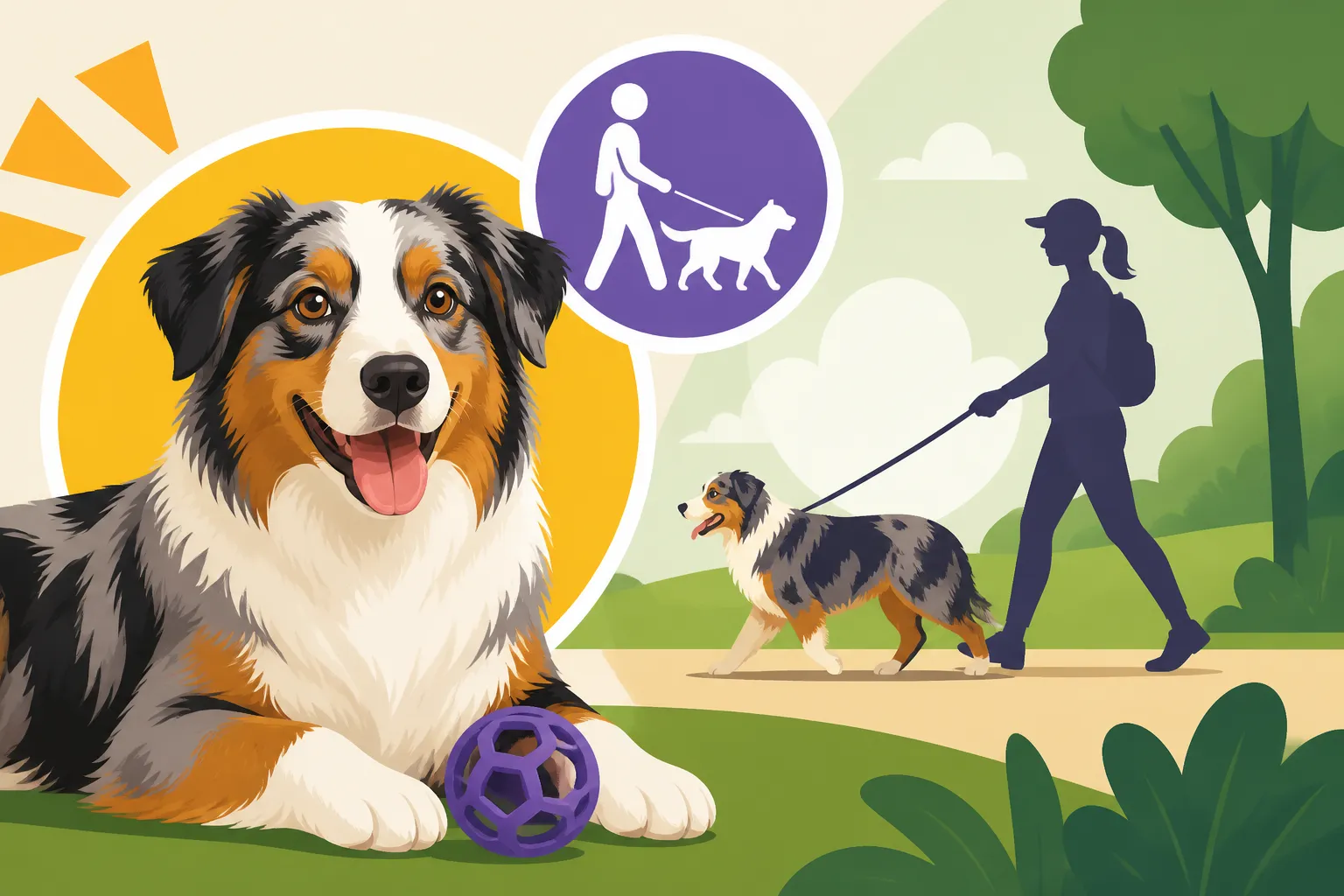
Dog Walkers for an Under-Exercised Australian Shepherd
It’s a common scenario: you love your Australian Shepherd more than words can say, but you’re also grappling with a demanding job, family commitments, or unexpected life curveballs that leave you feeling guilty about your dog's unspent energy. An under-exercised Aussie isn't just a bouncy, inconvenient dog; it's often a frustrated, anxious, and even destructive one. This guide will help you understand why dog walkers can be a lifesaver for both you and your high-energy companion, and how to find the perfect fit to ensure your Aussie gets the physical and mental stimulation they truly need.
The Harsh Reality of an Under-Exercised Aussie
If you live with an Australian Shepherd, you already know they're not your average couch potato. These are dogs bred for intense work, for covering miles, and for making quick, intelligent decisions. When that fundamental need for activity and mental engagement isn't met, you don't just get a bored dog; you get a dog struggling with its very nature. Many owners feel a deep sense of failure when their Aussie starts acting out, but it's crucial to remember that this isn't a reflection of bad ownership, but a symptom of an unmet breed-specific need.
More Than Just "Zoomies" – The Deeper Issues
We all laugh at the occasional "zoomies," but for an Australian Shepherd, perpetual excess energy can manifest in far more problematic ways. It's not just a cute burst of running around; it can become a constant, underlying tension. You might see your Aussie start to bark excessively at every leaf blowing past the window, or perhaps they begin to herd your children, your cats, or even the vacuum cleaner with an intensity that crosses the line from quirky to concerning. This is their frustrated herding drive finding an inappropriate outlet. They're literally begging for a job. For a deep dive into this, consider reading about Australian Shepherd Behavior Problems From Under-Exercise.
Beyond herding, under-exercised Aussies often develop destructive chewing habits, not out of malice, but pure boredom and a desperate need to self-soothe or burn energy. Your favorite couch leg or that expensive pair of shoes might become the unfortunate victim. Some Aussies become hyper-vigilant and reactive, lunging at other dogs or strangers on walks because they've built up so much unreleased energy that they can't process novel stimuli calmly. This can lead to stress for both dog and owner, making walks a dreaded chore instead of an enjoyable outing.
Why Your Schedule Doesn't Always Cut It
Let’s be honest: life happens. Even with the best intentions, fitting in the 1-2 hours of quality, engaging exercise an Australian Shepherd needs daily can feel impossible. Maybe you work long hours, have a demanding commute, or a new baby has entered the picture. Perhaps you’re dealing with your own health issues or the weather just isn't cooperating. It’s not about lacking love for your dog; it's about the very real constraints of modern life. You might think a quick trip to the backyard is enough, but an Aussie needs more than just space; they need purpose and engagement.
Many owners try to compensate with intense weekend activities, but that often leaves the dog under-stimulated for five days, leading to a boom-and-bust cycle that can actually exacerbate behavioral issues. Consistency is key for these intelligent, routine-oriented dogs. Relying solely on your own capacity, especially when unexpected events crop up, can lead to a rollercoaster of good days and bad days for your Aussie, making it hard for them to truly settle. It’s okay to admit you need help, and a professional dog walker is often the perfect solution to ensure those essential daily needs are met, even when you can’t personally provide them.
How a Dog Walker Fills the Gap
A dog walker isn't just someone who lets your dog out to potty; for an Australian Shepherd, they become an extension of your care, providing vital physical and mental outlets that are crucial for their well-being. Thinking of them as an essential part of your dog's routine, much like regular grooming or vet visits, can really shift your perspective on their value.
Different Types of Walking Services
The world of dog walking is more diverse than you might imagine, offering options to suit nearly every Aussie and owner. Standard leashed walks are the most common, but even within this category, there are variations. Some walkers specialize in brisk, longer walks that cover significant distances, perfect for burning off that pent-up energy. Others might incorporate more structured training elements, reinforcing good leash manners or practicing commands, which can be invaluable for a dog like an Aussie that thrives on learning.
Beyond basic walks, you'll find services like "adventure walks" or "pack walks." Adventure walks might involve trips to local hiking trails or parks, providing varied terrain and new scents, which are gold for an Australian Shepherd’s sensory needs. Pack walks, if done safely and with appropriate dog introductions, can offer valuable supervised socialization, teaching your Aussie how to interact politely with other dogs. However, for Aussies prone to Australian Shepherd Reactivity and Overarousal, individual walks or very small, carefully curated groups might be a better starting point. Always inquire about group sizes and the walker's approach to dog-to-dog introductions. Websites like Chewy or local pet supply stores often have bulletin boards where walkers advertise these diverse services, and you can also find a variety of durable leashes and harnesses there that are essential for any walk.
Beyond Just a Walk: Enrichment and Socialization
A great dog walker understands that an Australian Shepherd needs more than just physical exertion; they need mental enrichment. This can come in many forms during a walk. A skilled walker might incorporate "sniffaris," allowing your Aussie ample time to explore new smells, which is incredibly mentally stimulating. They might hide high-value treats for your dog to find, turning a walk into a mini-scent work session. Even simple commands like "sit," "stay," or "heel" reinforced throughout the walk can be mental exercises. For more ideas on how to tire out your Aussie mentally, check out Scent Games That Tire an Australian Shepherd.
Some walkers go above and beyond, incorporating play sessions with appropriate toys, or even basic obedience practice. This consistent reinforcement of good behavior and exposure to new situations, handled calmly and positively, is invaluable for socialization, especially for a breed that can be reserved with strangers or new environments. When considering a dog walker, don't just ask about the duration of the walk, but the quality of the engagement they provide.
Finding the Right Walker for Your High-Energy Aussie
Finding a dog walker can feel like dating – you want to ensure it's a good match for both you and your beloved Aussie. This isn't just about finding someone available; it's about finding a trustworthy, knowledgeable professional who understands the unique needs of a working breed.
What to Look For in a Professional
First and foremost, look for someone who genuinely understands the Australian Shepherd breed, or at least highly active herding breeds. They should know that two hours of casual strolling won't cut it, and that a tired Aussie is usually a well-behaved Aussie. A good walker will ask you about your dog's specific quirks, their energy levels, their triggers, and their favorite activities. They should be able to identify signs of stress or overarousal and adjust the walk accordingly. For a deeper understanding of how much exercise an Aussie needs, read How Much Daily Exercise an Australian Shepherd Needs.
Experience is paramount. Look for walkers with a solid track record, positive references, and ideally, certifications in pet first aid and CPR. This isn't just a nice-to-have; it's essential for your peace of mind, especially with an active dog that might encounter unexpected situations on a walk. Reliability and communication are also non-negotiable. You need someone who will show up consistently and keep you informed about your dog's walks, including any observations about their mood or health. Companies like Healthy Paws, while an insurance provider, indirectly highlight the importance of preventative care and careful handling, as they are often the ones picking up the pieces if something goes wrong.
Interview Questions and Vetting Process
Don't be shy about interviewing potential walkers. Think of it as hiring a temporary employee for your most valued furry family member. Here’s a table of questions to get you started:
| Category | Key Questions | Why It Matters for an Aussie |
|---|---|---|
| Experience & Knowledge | Do you have experience with high-energy breeds like Australian Shepherds? | They understand the drive and intelligence. |
| What is your approach to leash manners and redirecting unwanted behaviors? | Crucial for managing herding instincts and reactivity. | |
| Are you certified in pet first aid/CPR? | Safety for unexpected incidents like paw injuries or heat exhaustion. | |
| Logistics & Safety | How do you handle emergencies? Do you have a vet on call? | Knowing your dog is safe if they get injured or sick. |
| What is your protocol for extreme weather (heat, cold, storms)? | Protecting your Aussie's double coat and paw pads. | |
| Do you walk dogs individually or in groups? What size are groups? | Ensures appropriate socialization and attention. | |
| Are you insured and bonded? | Protects you and your dog in case of accidents or damage. | |
| Communication | How will you communicate after each walk (notes, app, text)? | Keeping you informed about the walk's quality and your dog's state. |
| How do you manage keys/access to my home securely? | Trust and security are paramount. |
Always ask for references and follow up on them. A quick phone call can tell you a lot about a walker's reliability and rapport with other clients. A reputable walker should also offer a meet-and-greet, allowing you, your Aussie, and the walker to interact before any services begin. This gives you a chance to see how your dog responds to them and discuss your specific needs face-to-face.
Setting Up for Success: Communication and Expectations
Once you've chosen a walker, clear and consistent communication is the foundation of a successful relationship. Share everything your walker needs to know: your Aussie's routine, feeding schedule if applicable, any commands they know, and especially any known health issues or behavioral quirks. If your Aussie is on a specific diet, perhaps with a fresh food service like Ollie, ensure the walker knows what kind of treats are appropriate. Provide them with all necessary supplies, including a well-fitting harness or collar and a sturdy leash; for more on this, check out Long Lines and Harnesses for an Australian Shepherd.
Discuss what you expect from each walk – is it purely for physical exercise, or do you want mental games incorporated? Talk about routes, duration, and any areas you want to avoid. Provide emergency contact information, including your vet's details, and clearly outline what to do in various scenarios. A good walker will appreciate this level of detail, as it helps them provide the best care for your Australian Shepherd. Remember, this is a partnership aimed at enriching your dog's life.
Budgeting for Your Aussie's Extra Support
Let's talk money, because while a dog walker is an investment in your Aussie's well-being, it's also a significant line item in your budget. Understanding the cost and how to maximize the value is crucial for sustainable care.
Understanding the Cost Spectrum
Dog walking rates can vary widely depending on your location, the walker's experience, the type of service, and the duration of the walk. Generally, you can expect to pay more for individual walks, specialized services like adventure outings, or walks during off-peak hours or holidays. Group walks might be a bit more economical, but they might not be suitable for every Australian Shepherd, especially if your dog has specific training needs or is easily overstimulated.
It’s important not to automatically choose the cheapest option, particularly when it comes to a high-energy, intelligent breed like an Aussie. A less expensive walker might be cutting corners on experience, insurance, or the quality of the walk itself, which could cost you more in the long run through behavioral issues or health problems. Think of it as an investment in your dog’s overall health and happiness, reducing the likelihood of future vet bills for stress-related conditions or property damage. For a broader look at potential financial surprises, explore The Aussie Cost Owners Never See Coming.
Maximizing Value and Ensuring Safety
To get the most value from your dog walker, consider how their services align with your Aussie's specific needs. If your dog thrives on mental challenges, find a walker who incorporates puzzle-solving or training exercises. If they need to run, look for someone who can safely engage them in vigorous play or trail excursions. Buying in bulk or signing up for weekly packages can sometimes offer a discount. For more cost-effective ways to keep your Aussie engaged, check out Puzzle Feeders and Enrichment Gear for an Aussie.
Safety should always be the top priority, even when budgeting. Ensure your walker is insured and bonded. Verify their pet first aid knowledge. Discuss their safety protocols for things like heat stroke (a real concern for a double-coated Aussie), off-leash policies, and encounters with other dogs or wildlife. A responsible walker will be transparent about these things. Having pet insurance, like a plan from Healthy Paws, can also provide a safety net for unexpected vet visits, especially if your active Aussie gets into a mishap during an outing, regardless of who is walking them. This ensures that even with a dog walker, you’re prepared for all possibilities, keeping your Aussie healthy and happy for years to come.
Disclaimer
This article is for general informational purposes only and does not constitute professional advice. Laws, prices and regulations vary by location and change over time. Consult a qualified professional for guidance on your specific situation.