The Aussie Cost Owners Never See Coming
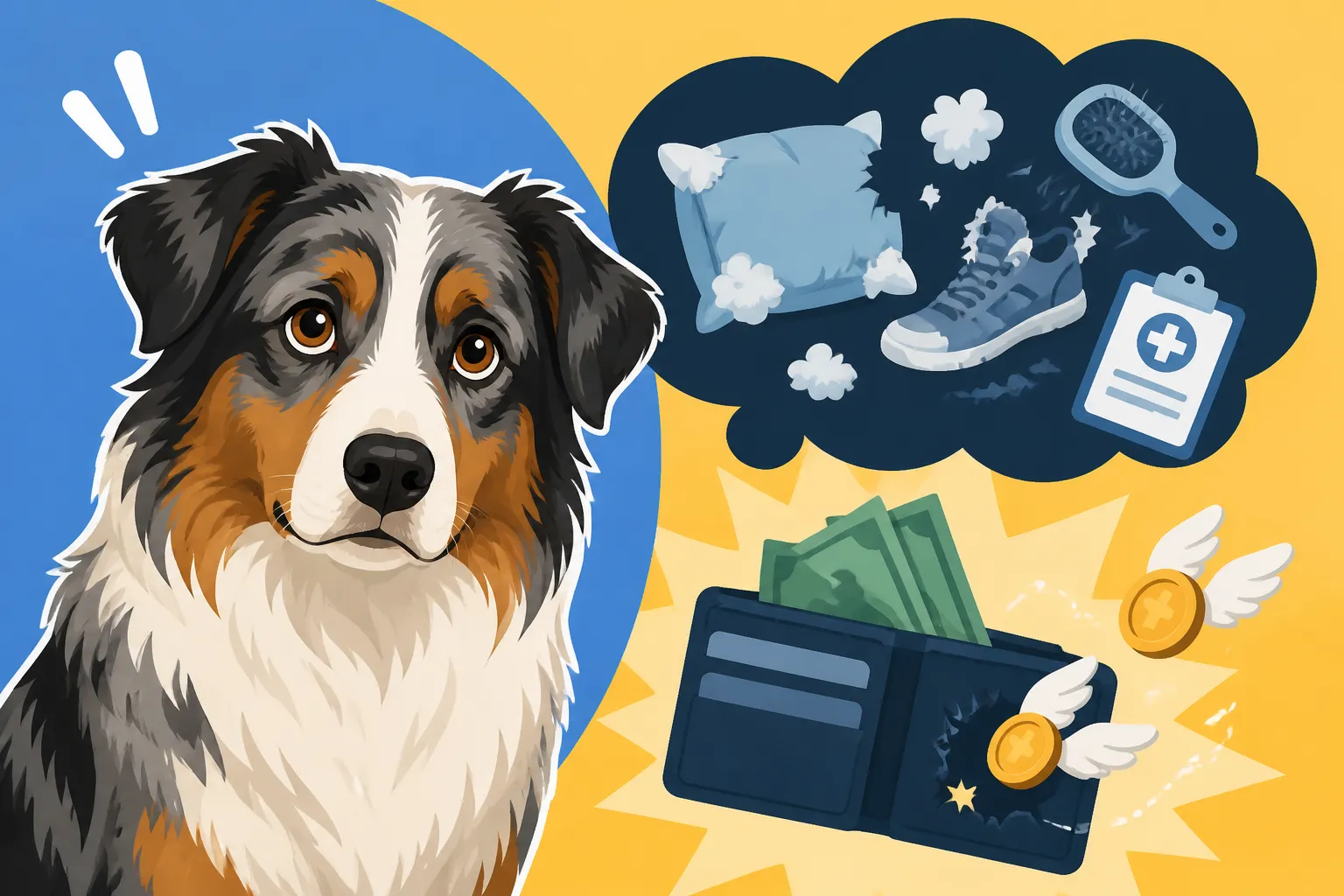
Bringing an Australian Shepherd into your life is an absolute joy, filled with boundless energy, intelligent antics, and unwavering loyalty. However, many new Aussie parents are blindsided by the financial realities that extend far beyond the initial purchase price, leading to stress and difficult decisions down the road. This guide is here to shed light on those often-overlooked and unexpected costs, helping you budget realistically for the wonderful, active life your Australian Shepherd deserves.
Beyond the Sticker Price: Initial Surprises
That initial puppy price, whether it’s a few hundred or a couple of thousand dollars, is just the tip of the iceberg. The real costs often start piling up the moment you bring your furry bundle of joy home, and sometimes even before. It’s easy to focus on the cute puppy pictures, but overlooking the practicalities can lead to early financial strain.
The True Cost of "Free" Puppies and Bargains
We all love a good deal, but when it comes to living creatures, a "bargain" Australian Shepherd puppy can quickly become the most expensive dog you've ever owned. Puppies from questionable sources, like online ads with no verifiable breeder information or those offered at unusually low prices, often come without critical health screenings. This means you might be bringing home a puppy predisposed to serious genetic conditions that reputable breeders screen for, such as hip dysplasia, elbow dysplasia, or hereditary eye diseases. The upfront savings are almost always dwarfed by the vet bills that follow. For instance, without proper genetic testing, you might not know if your Aussie is affected by conditions like Aussie Puppies Bred With No Genetic Testing. A breeder who doesn't perform these checks saves money, but you, the new owner, pay the price later. This is precisely Why a Cheap Merle Aussie Puppy Is a Warning, as unscrupulous breeders might also cut corners on prenatal care, nutrition for the mother, and initial vet checks for the litter. The result can be a puppy with existing health issues or a compromised immune system, leading to immediate vet visits for things like severe parasites or chronic diarrhea.
Essential Gear Beyond the Basics
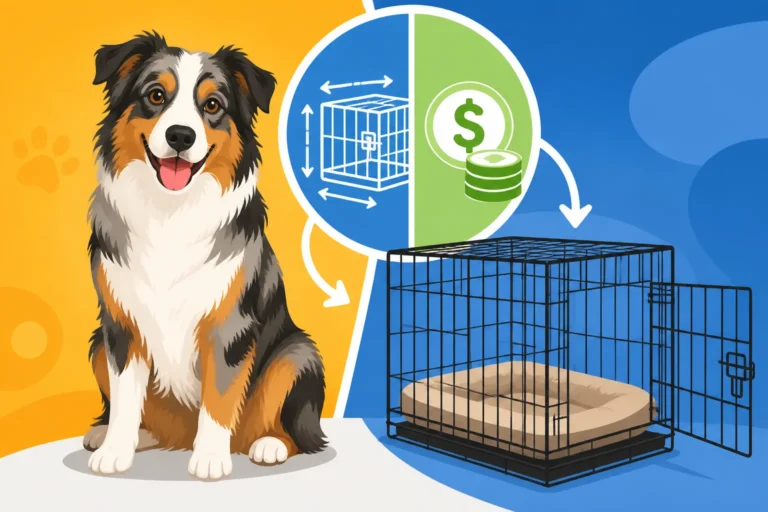
You’ve got a collar, a leash, and a food bowl, right? Great start! But for an Australian Shepherd, the list of essential gear quickly expands. These aren't just luxuries; they're necessities for managing a high-energy, intelligent, and often destructive breed. A sturdy, appropriately sized crate is non-negotiable for house training and providing a safe space, and a cheap one won't last. Aussies are notorious chewers, so investing in durable, high-quality toys that can withstand their powerful jaws is crucial unless you want your furniture to become their next victim. Think about a good quality harness that fits properly to prevent pulling and protect their neck, especially if they're still learning leash manners. A long line, perhaps 30 feet or more, is invaluable for safe recall practice in open spaces before your Aussie has a bulletproof "come." These items, while available on sites like Chewy, add up significantly, especially when you need to replace them because your clever Aussie found a way to deconstruct them.
Unexpected Early Vet Bills
Even if you get a puppy from a responsible breeder with all its initial health checks and vaccinations, there are still costs that sneak up on you in the first few months. Beyond the initial vet exam to establish care, your puppy will need a series of vaccinations. Many first-time owners are surprised by the total cost of the full The Puppy Shot Series for an Aussie, which often requires multiple visits over several weeks. Then there's microchipping, which is vital for identification if your agile Aussie ever makes a break for it. Deworming might be an ongoing cost, as puppies can easily pick up parasites even with preventive measures. And let’s not forget the inevitable, unexpected issues that can crop up with a curious, adventurous puppy – a sudden bout of Australian Shepherd Puppy Diarrhea After Homecoming from eating something they shouldn't have, a minor cut on a paw, or a reaction to a new food. These seemingly small incidents can quickly lead to emergency vet visits, diagnostic tests, and medication costs that you hadn't budgeted for, even before your puppy reaches adulthood.
The Hidden Price of High Energy: Exercise & Mental Stimulation
Australian Shepherds are not just beautiful dogs; they are incredibly intelligent and driven working animals. This means their needs for exercise and mental engagement are far more demanding than many owners anticipate, translating into significant unexpected costs. It’s not just about walks; it’s about providing a fulfilling outlet for their innate abilities.
The Time Commitment vs. Financial Outlay
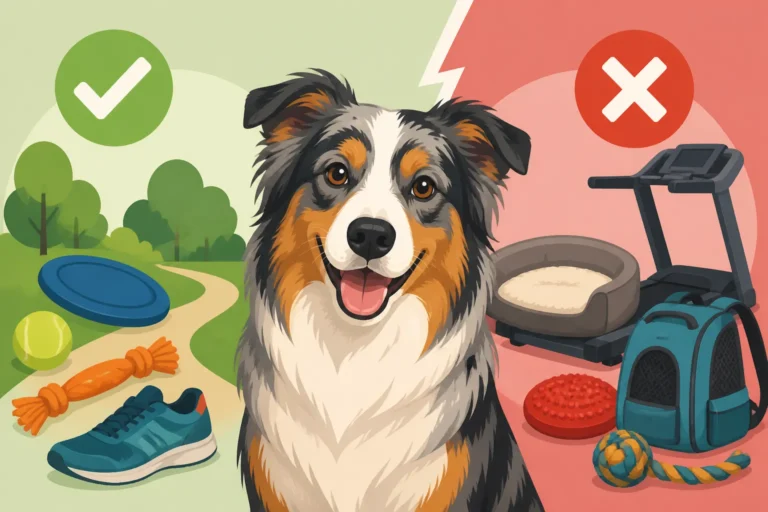
"Two hours of exercise a day." Sounds simple, right? Many new Aussie owners quickly realize that "exercise" for an Australian Shepherd doesn't just mean a leisurely stroll around the block. It means vigorous activity that burns off their immense physical energy and engages their sharp minds. If you’re a busy professional or have an unpredictable schedule, that two hours might become a significant financial burden. A good dog walker who understands the unique needs of a herding breed isn't cheap, often costing $20-$40 per walk, several times a week. Doggy daycare, while a fantastic way to socialize and burn energy, can run $30-$60 per day, and many facilities aren't equipped to handle an Aussie's specific play style without overstimulating them. For an Aussie, a single hour of running might only make them more restless; it's about structured activities that truly tire them out. This is a common realization when owners discover Why Two Hours of Running Never Settles an Aussie and they start looking for external help, leading to the costs of Daycares That Can Tire an Aussie Out. These services add up quickly, becoming a substantial monthly expense that wasn’t in the initial budget.
Specialized Equipment for High-Drive Aussies
Beyond basic leashes and collars, keeping an Australian Shepherd mentally and physically stimulated requires specialized gear. These aren't just toys; they are tools. A high-quality herding ball or a large, durable Jolly Ball can fulfill some of their herding instincts in a safe way, preventing them from trying to herd your children or other pets. Flirt poles are excellent for channeling their prey drive and burning energy in a small space, but they need to be sturdy to last. Puzzle feeders are vital for mental enrichment, forcing them to "work" for their food rather than just gulping it down. Look for interactive toys from brands on Chewy that challenge their intelligence and reward their problem-solving skills. These items are often more expensive than standard dog toys because they need to be robust and engaging. Neglecting this mental enrichment can lead to destructive behaviors, which then incur further costs in repairing chewed furniture or replacing damaged household items. Investing in Puzzle Feeders and Enrichment Gear for an Aussie upfront can save you headaches and expenses later.
Training Beyond Basic Obedience
Most people budget for a puppy class, perhaps a basic obedience course. But for an Australian Shepherd, this is often just the beginning. Their innate intelligence and strong working drive mean they thrive on having a job. Without it, they can become bored, destructive, or develop behavioral issues. Therefore, investing in advanced training or dog sports often becomes a necessity, not just a hobby. Think about agility classes, herding instinct tests, scent work, or advanced obedience. These classes, taught by experienced trainers who understand herding breeds, typically cost hundreds of dollars per session or course, and often involve ongoing commitment. The fees for Australian Shepherd Training and Sport Costs can be significant. If you get truly hooked, the costs of traveling to trials and competitions, including entry fees for events like Aussie Agility Class and Trial Entry Fees, can quickly become a major line item in your budget. Moreover, if your Aussie develops reactivity or anxiety due to under-stimulation, hiring a professional behaviorist can be very costly, easily running into thousands of dollars for consultations and ongoing support.
Grooming and Health: More Than Just Brushing & Basic Vet
The Australian Shepherd’s stunning double coat and robust appearance often mask potential costs related to grooming and breed-specific health issues. These aren't just "routine" expenses; they require specific attention and can lead to unexpected bills if not properly managed.
The Reality of the Double Coat
That beautiful, fluffy Australian Shepherd coat is a marvel, but it's also a commitment. Aussies have a dense double coat designed to protect them from the elements. This means serious shedding, especially during their twice-yearly "coat blow" seasons. While daily brushing at home is necessary, it often isn't enough. Professional grooming for deshedding treatments can cost anywhere from $50-$100 per session, and you might need these every few months. Investing in specialized tools like undercoat rakes and high-velocity dryers is essential if you plan to tackle grooming yourself, and these aren't cheap. Without proper grooming, the undercoat can mat tightly against the skin, leading to painful hot spots, skin infections, and even requiring veterinary intervention and potentially full body shaves under sedation, which are expensive and can permanently damage the coat. Learning to manage Brushing an Australian Shepherd Through Coat Blow is key, and if you opt for professional help, be prepared for the costs of Australian Shepherd Deshedding Treatments at a Salon. Many owners are also surprised by the extra vacuum cleaner bags, lint rollers, and professional house cleaning services needed to manage the sheer volume of hair these dogs produce.
Common Breed-Specific Health Predispositions
While generally healthy, Australian Shepherds are prone to several genetic and breed-specific health conditions that can rack up considerable vet bills. Hip and elbow dysplasia, common in many active, medium-to-large breeds, can lead to expensive diagnostics, pain management, and potentially costly surgeries like total hip replacements. Understanding Australian Shepherd Hip Dysplasia and Working Joints is vital. Epilepsy, particularly Australian Shepherd Epilepsy Starting Between One and Five, is another significant concern. Managing epilepsy involves lifelong medication, regular blood tests to monitor drug levels and liver function, and potentially expensive specialist consultations or MRIs. Eye conditions like hereditary cataracts, which can blind an Aussie, may require specialist ophthalmic exams and potentially surgical removal, a procedure that can cost thousands of dollars per eye. Learning about Hereditary Cataracts Clouding an Aussie Eye is crucial for prospective owners. Many of these conditions manifest later in life, making them unexpected and often unbudgeted expenses. This is precisely why pet insurance, from providers like Healthy Paws, is often recommended, but it's crucial to enroll before any symptoms appear, as most policies consider such conditions pre-existing.
Diet and Nutrition for an Active Breed
Feeding an Australian Shepherd isn't just about pouring kibble into a bowl. Their high energy levels and active lifestyles demand a high-quality, nutrient-dense diet. This typically means premium dog food, which is more expensive than generic brands. Many Aussies thrive on specific diets tailored to their activity level, sometimes even requiring calorie adjustments depending on their workload. Understanding Feeding an Australian Shepherd That Works All Day can help you choose the right food. Furthermore, Australian Shepherds can be prone to allergies, both environmental and food-related. Diagnosing food allergies often involves an expensive and time-consuming elimination diet, followed by purchasing specialized hypoallergenic or novel protein diets, which are often significantly more expensive than standard kibble. Finding out about Food Allergy Itching in an Australian Shepherd early can save discomfort later, but the special food comes at a premium. Some owners opt for fresh food diets, like those offered by Ollie, which can be fantastic for health but come with a higher price tag and require careful portioning to ensure nutritional balance for an active dog. These dietary considerations mean your monthly food budget could easily be double or triple what you might expect for a less active or less sensitive breed.
| Cost Category | Expected Annual Cost (Approx.) | Unexpected / Variable Annual Cost (Approx.) | Explanation of Unexpected Costs |
|---|---|---|---|
| Initial Purchase | $1,000 – $2,500 | $500 – $3,000+ | Rescue fees, genetic testing for "bargain" pups, initial vet visits for existing conditions. |
| Routine Vet Care | $300 – $700 | $500 – $5,000+ | Emergency visits, diagnostics for undiagnosed issues, specialist referrals, ongoing medication. |
| Food & Treats | $600 – $1,200 | $300 – $1,000+ | Prescription diets for allergies/medical conditions, fresh food upgrades, supplements. |
| Grooming | $100 – $300 (DIY) | $300 – $1,200+ | Professional deshedding, mat removal, specialized tools, vet visits for skin issues from poor grooming. |
| Training & Enrichment | $100 – $500 (Basic) | $500 – $3,000+ | Advanced classes, dog sports, behaviorist consultations, specialized toys. |
| Supplies | $200 – $500 | $100 – $500+ | Replacing chewed items, higher quality durable gear, specialized beds. |
| Pet Insurance | $420 – $660 (Monthly) | N/A (Cost if not purchased) | Up to $15,000-$40,000 in vet bills over a lifetime without coverage for major issues. |
| Boarding/Daycare | $0 – $500 | $500 – $3,000+ | High-energy suitable facilities, last-minute needs, extended stays. |
Note: These are approximations and can vary widely based on location, individual dog's needs, and lifestyle choices.
Special Needs & Contingencies: The "What Ifs"
No one wants to think about their beloved dog getting sick or injured, but it's a critical part of responsible pet ownership. For an Australian Shepherd, their active lifestyle and genetic predispositions mean that unexpected health crises can be particularly expensive.
Emergency Vet Visits and Accidents
Australian Shepherds are active, intelligent, and sometimes a little reckless. Whether they're chasing a squirrel into traffic, jumping off something too high, or ingesting a foreign object, accidents happen. And when they do, they can lead to sudden, astronomical vet bills. A broken bone could mean thousands for surgery and recovery. Ingesting something toxic or an obstruction can lead to emergency surgery. Bloat (Gastric Dilatation-Volvulus), a life-threatening condition common in deep-chested breeds like Aussies, requires immediate, intensive veterinary intervention, and Australian Shepherd Bloat Surgery Cost can easily run into the thousands. These are the kinds of costs that literally appear overnight, and without an emergency fund or robust pet insurance from a company like Healthy Paws, they can be financially devastating. This is why it's so important to prepare for Emergency Vet Bills an Aussie Owner Should Expect – because it’s often not if but when they will occur.
Managing Chronic Conditions
If your Australian Shepherd develops a chronic condition, the financial implications extend far beyond the initial diagnosis. For example, if your Aussie is diagnosed with epilepsy, managing it involves a lifelong commitment to medication (e.g., phenobarbital, potassium bromide), which can be costly monthly, plus regular blood work to monitor drug levels and potential side effects on the liver. Over a year, these recurring costs can easily add up to hundreds or even thousands of dollars. Similarly, severe allergies might require ongoing allergy shots, specialized shampoos, and prescription diets for life. Autoimmune diseases, joint supplements for arthritis, or medication for thyroid issues also fall into this category. These are not one-time expenses but continuous outlays that become part of your monthly budget. This is where comprehensive pet insurance, like a plan that specifically covers Epilepsy Coverage on an Australian Shepherd Policy, can be an absolute lifesaver, covering a significant portion of these ongoing medical costs after your deductible.
Senior Care and End-of-Life Planning
As your Australian Shepherd moves into their golden years, typically around 10-12, their needs change, and so do the costs. Senior Aussies often develop Australian Shepherd Arthritis After Years of Work, requiring joint supplements, pain medication, and potentially physical therapy or even advanced treatments like laser therapy. They may experience cognitive decline, hearing loss, or vision impairment, necessitating more frequent vet visits to manage age-related conditions. Routine bloodwork becomes more frequent to catch issues early. Mobility aids like ramps, orthopedic beds, or even a doggie wheelchair for severe mobility issues can become necessary expenses. The care for Senior Australian Shepherd Care After Ten can be intensive. Finally, end-of-life decisions, while emotionally devastating, also come with financial considerations. Euthanasia, cremation, or burial services, while often performed with love and dignity, are costs that many owners simply haven't considered until the heartbreaking moment arrives.
The "Lifestyle Shift" Costs You Don't Budget For
Owning an Australian Shepherd isn't just about direct monetary expenses; it also entails indirect costs related to significant lifestyle adjustments, home maintenance, and even unforeseen impacts on your personal time and choices. These "hidden" costs can be just as impactful as the more obvious ones.
Home Modifications and Maintenance
Bringing an Australian Shepherd home often means a silent overhaul of your living space and daily routines. If you don't already have one, a secure fence is a paramount expense, especially for a herding breed that can be quick to dart after perceived "livestock" (squirrels, kids on bikes, etc.). Building or repairing a robust fence to contain an agile Aussie can cost hundreds to thousands of dollars, a crucial investment that often doesn't make it into initial budgets. Furthermore, get ready for a significant increase in cleaning supplies. An Aussie's double coat means constant shedding, requiring a powerful vacuum cleaner specifically designed for pet hair, and frequent replacements of filters or bags. You’ll also find lint rollers become a household staple. If your Aussie is a chewer, you might be looking at replacing furniture, shoes, or even door frames. Pet-proofing your home to prevent destructive chewing or ingestion of dangerous items can also involve installing gates, secure cabinets, and replacing easily damaged decor. The cumulative effect of Fencing Costs for an Aussie That Herds Everything and Vacuum and Cleaning Costs in an Aussie Household can be quite a shock.
Travel and Boarding Challenges
Many new Aussie owners underestimate how much their travel habits will change. Finding suitable boarding for an Australian Shepherd can be a challenge and an expense. Not all kennels are equipped to handle their high energy and intelligence, and specialized facilities that provide ample exercise and mental stimulation often charge premium rates. Expect to pay anywhere from $40-$80 a night for quality care, which quickly adds up for even a short vacation. Researching Australian Shepherd Boarding Rates ahead of time is wise. If you prefer to take your Aussie with you, finding pet-friendly accommodations (which often come with additional fees or deposits) and planning activities that include your dog requires more effort and can limit your choices. Flying with a large dog also involves significant costs for a specialized crate and airline fees, as well as the stress of flying with a pet. Long car rides require proper securing (crate or car harness), and ensuring your Aussie stays calm and comfortable for extended periods can be a challenge. Owners often realize that Traveling With an Aussie That Needs Two Hours of activity a day means significant planning and often additional expense.
Opportunity Costs and Time Investment
Perhaps the most insidious "cost" of owning an Australian Shepherd isn't monetary at all, but rather the opportunity cost and immense time investment. Your free time will be drastically reallocated to exercise, training, grooming, and mental enrichment. Spontaneous outings might become rarer if your Aussie can't come along or if you haven't arranged adequate care. Hobbies that once filled your evenings might be replaced by long walks, training sessions, or puzzle feeder prep. This isn't necessarily a negative – for many, the joy an Aussie brings far outweighs these sacrifices – but it is a real impact on your personal life and routines. The mental load of managing a high-drive dog, ensuring they are well-adjusted and stimulated, can also be considerable. For some, this commitment might even impact career choices or housing decisions, as you prioritize your Aussie's needs. While you can't put a dollar amount on it, this profound shift in lifestyle is a universal experience for Australian Shepherd owners and one that truly needs to be considered.
Disclaimer
Please remember that this article provides general information and estimates. The actual costs of owning an Australian Shepherd can vary significantly based on your location, lifestyle, the individual dog's health, and your personal choices regarding their care. Always consult with your veterinarian for personalized advice regarding your pet's health and well-being.