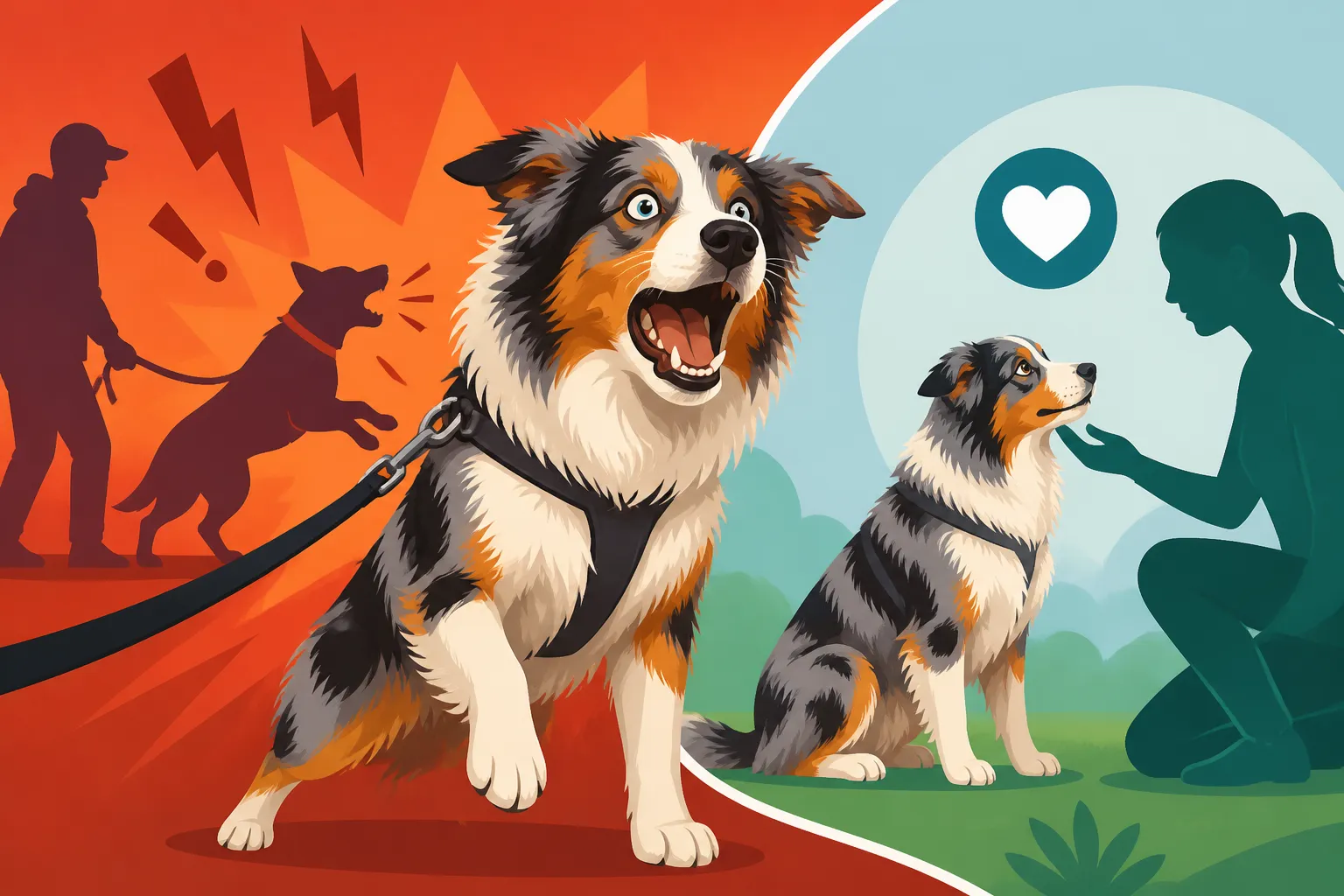
Australian Shepherd Reactivity and Overarousal
It’s a scenario many Australian Shepherd owners know all too well: one moment, your beautiful, intelligent Aussie is perfectly calm, and the next, they’re lunging, barking, or spinning at the sight of a passing skateboarder, another dog, or even just a rustling plastic bag. This isn't just a quirky habit; it's reactivity and overarousal, two deeply frustrating and often misunderstood behaviors that can turn a peaceful walk into a stressful ordeal. This guide aims to shed light on why your Australian Shepherd might be struggling with these issues, what they truly mean, and, most importantly, how you can help your dog navigate a world that often feels too stimulating and overwhelming.
Understanding Australian Shepherd Reactivity: More Than Just "Bad Behavior"
When your Australian Shepherd suddenly explodes into a barking, lunging frenzy, it's easy to feel embarrassed, frustrated, and even angry. You might think your dog is being "naughty" or "stubborn," but the truth is, reactivity is rarely about defiance. It’s a deeply rooted emotional response, often born from fear, anxiety, or an overwhelming sense of frustration. Your Aussie isn't trying to give you a hard time; they're having a hard time.
What Reactivity Looks Like in an Aussie
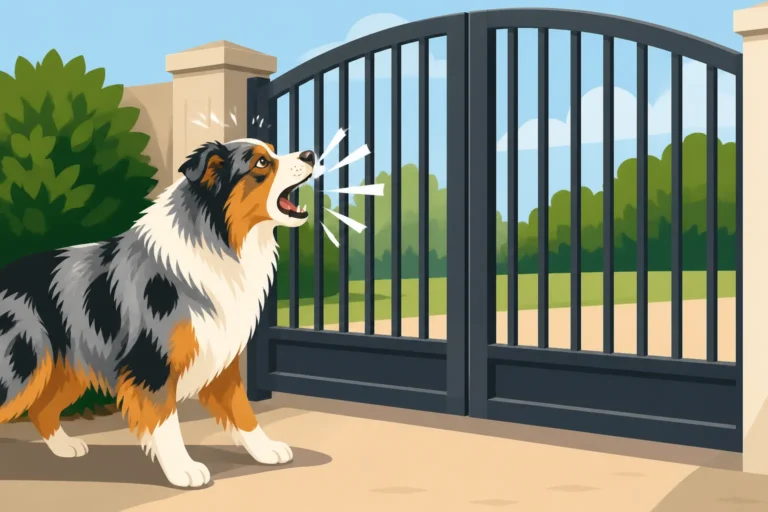
Reactivity in an Australian Shepherd can manifest in various ways, but it almost always involves an intense, often disproportionate, reaction to a specific trigger. Picture this: you're walking your otherwise lovely Aussie down the street. Suddenly, a child on a bicycle whizzes past. Your dog immediately tenses, lets out a series of sharp, rapid barks, lunges forward at the end of their leash, and perhaps even tries to spin or snap at the air. This isn't a playful greeting; it's an outburst.
Common triggers for these dramatic displays include other dogs, unfamiliar people, especially those who approach too quickly or are perceived as threatening (like someone wearing a hat or carrying a package), bicycles, skateboards, joggers, cars, and even certain sounds. The key is that these reactions are often unpredictable in their intensity and can leave both you and your dog emotionally drained. It's not just a momentary lapse in manners; it's a profound inability for your dog to process and cope with a situation.
The Difference Between Reactivity and Aggression
This is a crucial distinction that often gets muddled. While a reactive display can certainly look aggressive—with barking, growling, and lunging—it's not always the same as true aggression. Aggression typically stems from a desire to cause harm or assert dominance, whereas reactivity is frequently a defensive, "get away from me!" response. Think of it as a dog's way of saying, "I'm overwhelmed, scared, or frustrated, and I need this thing to stop or go away!"
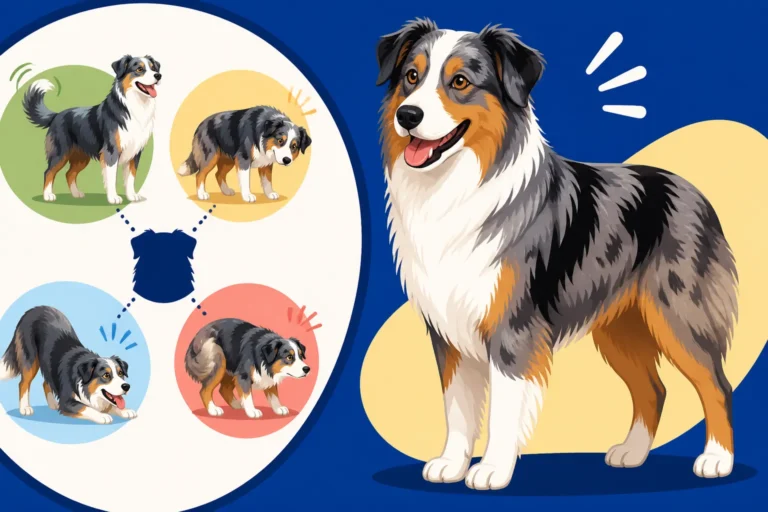
Many reactive Aussies are actually quite fearful or anxious. They might be trying to create distance between themselves and the perceived threat, rather than intending to attack. Their body language, while intense, will often show signs of anxiety: tucked tails, flattened ears, yawning, lip-licking, or even avoidance cues before the full outburst. An Aussie experiencing true aggression might display more confident, stiff body language, direct stares, and a clear intent to engage. Understanding this difference helps us approach the problem with empathy and appropriate training strategies.
Common Triggers for Australian Shepherd Reactivity
Australian Shepherds, with their keen senses and strong working drives, can be particularly susceptible to certain triggers. Their heritage as herding dogs means they are highly sensitive to movement. A jogger, a passing car, or a child playing can activate that intense desire to control and organize, and when they can't, it turns into frustration. Similarly, their natural suspicion of strangers, a trait bred into many herding breeds, means new people can be seen as potential threats rather than friends.
Loud or sudden noises can also set off a reactive Aussie, leading to fear-based responses. Over-stimulation in busy environments, like dog parks or crowded sidewalks, can quickly push them past their threshold. Sometimes, reactivity can even be rooted in pain or discomfort, which is why a vet check is always a good first step. Identifying your Aussie's specific triggers is the first step toward effective management. You might notice your Aussie reacts to An Australian Shepherd Lunging at Passing Dogs or An Aussie That Reacts to Skateboards and Bikes. Each trigger tells a story about what overwhelms your sensitive dog.
Deciphering Australian Shepherd Overarousal: The "Zoomie" That Won't Stop
Beyond specific reactive outbursts, many Australian Shepherds live in a perpetual state of "too much." This isn't just high energy; it's overarousal, where their nervous system is constantly humming at a level that prevents them from truly relaxing and processing the world calmly. It's like having the gas pedal stuck down, even when they're supposed to be idling.
Signs Your Aussie Is Overaroused, Not Just Energetic
Every Australian Shepherd has energy, that's a given! But there's a distinct difference between a healthy, energetic dog who can settle down and one who is chronically overaroused. An overaroused Aussie might exhibit frantic play that escalates into nipping or relentless chasing, even with other dogs. Indoors, they struggle to relax, pacing, whining, or incessantly seeking attention by nudging, pawing, or bringing toys even after ample exercise. They might seem "hyperactive," unable to simply lie down and nap, always on alert, and easily startled.
You'll often see excessive barking at mundane household sounds, difficulty focusing during training, or even compulsive behaviors like spinning or tail chasing. They might get the "zoomies" that don't seem to have an end, crashing into furniture or refusing to listen. This isn't just a dog with a lot of pep; it's a dog whose nervous system is struggling to regulate itself, making it hard for them to experience true calm.
The Cycle of Overstimulation and How It Builds
Overstimulation isn't a one-time event; it's often a cumulative process. Imagine your Aussie taking in every smell, sound, and movement on a walk, then going to a busy dog park, coming home to a noisy family, and then trying to settle down. Each new stimulus adds to their "cup" of arousal. If that cup never gets a chance to empty through relaxation and proper processing, it overflows, leading to a state of chronic overarousal.
When an Aussie is constantly pushed past their comfort zone, their body is flooded with stress hormones like cortisol and adrenaline. These chemicals take time to clear their system, meaning a stressful walk in the morning can still impact their ability to settle in the afternoon. Repeated exposure to triggers without a chance to recover or learn coping mechanisms reinforces this cycle, creating a dog who is always on edge, always anticipating the next "threat" or exciting event. This "always on" state often means An Australian Shepherd That Cannot Switch Off even when they should be resting.
How Overarousal Fuels Reactivity
The link between overarousal and reactivity is direct and undeniable. Think of it this way: a dog who is already teetering on the edge of overstimulation has a much shorter fuse. Their "threshold" for reacting to a trigger is significantly lower. If an otherwise calm Aussie might just glance at a passing bike, an overaroused Aussie, whose system is already revved up, is far more likely to lunge and bark.
When a dog is overaroused, their capacity for rational thought and impulse control diminishes. They operate more from instinct and emotion. This means that even mild triggers can provoke intense reactions because their brain isn't in a state to pause, assess, and respond thoughtfully. They're already in a heightened state of alert, making them more prone to explosive, less controllable behaviors. It's a vicious cycle where chronic overarousal primes them for reactive outbursts, and reactive outbursts further contribute to their overall stress and arousal levels.
Root Causes: Why Are Australian Shepherds Prone to This?
It’s easy to feel like you’ve done something wrong when your Aussie displays these behaviors. But often, it's a perfect storm of genetics, breed traits, and environmental factors that converge. Australian Shepherds are complex dogs, and understanding their inherent predispositions is key to unraveling the mystery of their reactivity and overarousal.
The Powerful Herding Instinct
At the core of many Australian Shepherd behaviors lies their powerful herding instinct. These dogs were bred for centuries to gather, control, and move livestock. This means they are inherently sensitive to movement – a bike, a jogger, a child running – can all trigger that deep-seated desire to "work" or "manage" the environment. When they can’t fulfill this instinct in a constructive way, it often manifests as frustration or an overwhelming urge to chase and bark.
Their intense focus and prey drive can also contribute. They lock onto moving objects with incredible intensity. Without a proper outlet or redirection, this can lead to barking and lunging at perceived "errant" sheep (which, in a suburban setting, could be anything that moves unexpectedly). This is why The Australian Shepherd Herding Drive You Cannot Train Out needs to be channeled, not suppressed. It's not about eradicating the instinct, but teaching them what is and isn't appropriate to herd, and how to disengage when they can't.
Genetics, Breeding, and Early Experiences
While instinct plays a huge role, genetics and early life experiences are equally critical. Unfortunately, not all Australian Shepherds are bred with sound temperaments in mind. Backyard breeders or those focused solely on appearance might not prioritize stable nerves, leading to puppies who are genetically predisposed to anxiety, fear, or a lower threshold for arousal. A dog with a nervous genetic makeup is far more likely to become reactive, regardless of early socialization.
Furthermore, the critical socialization window (roughly 3-16 weeks) is paramount. A puppy who isn't exposed to a wide variety of sights, sounds, people, and novel experiences in a positive, controlled way can develop anxieties and fears that blossom into reactivity as they mature. Conversely, overwhelming a puppy with too much too soon, forcing interactions, or using harsh training methods can also contribute to fear-based reactivity. A good breeder will ensure their puppies have positive early experiences and come from parents with excellent temperaments, reducing the likelihood of issues like An Aussie That Gets Worse in the Evening.
Inadequate Mental and Physical Exercise
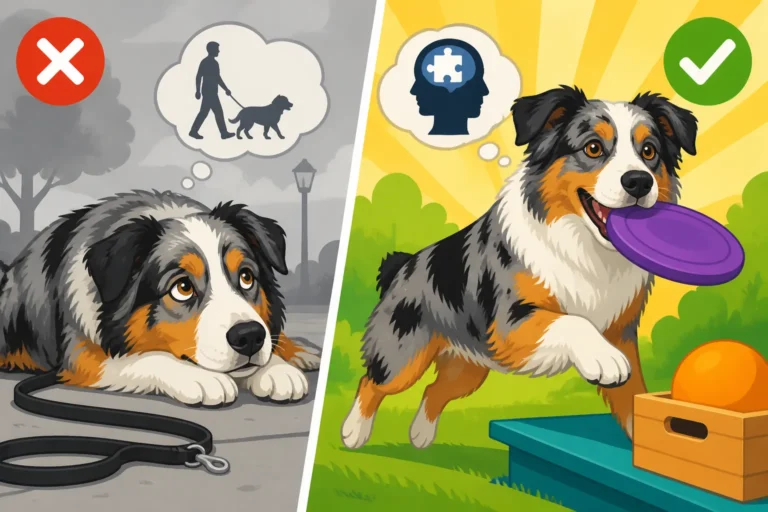
It's a common misconception that simply throwing a ball for an hour will exhaust an Australian Shepherd. While physical exercise is crucial, it's often not enough to fully satisfy this intelligent, driven breed. An Aussie needs a job, a purpose, something to engage their brilliant minds. Without adequate mental stimulation, boredom sets in, and a bored Aussie will find their own (often destructive or problematic) ways to entertain themselves.
This deficit in mental exercise often manifests as overarousal. A dog with pent-up mental energy can't relax, leading to incessant pacing, whining, or seeking attention in demanding ways. They might become hyper-vigilant because their brain is constantly looking for something to do. Why Physical Exercise Alone Never Settles an Aussie is a concept many new owners struggle with. Combining physical activity with challenging mental work, like puzzle toys you can find on Amazon or scent games, is far more effective at creating a calm, well-adjusted Aussie.
Strategies for Managing Reactivity: From Management to Modification
Dealing with a reactive Australian Shepherd requires a multi-faceted approach. There's no magic bullet, but a combination of careful management and consistent, positive reinforcement training can make a world of difference. It's about changing your dog's emotional response to their triggers, not just suppressing the behavior.
Managing the Environment to Prevent Overwhelm
The immediate priority when dealing with reactivity is to prevent your dog from practicing the unwanted behavior. Every time your Aussie reacts, the behavior is reinforced, making it harder to change. This means becoming a master of environmental management. Avoid known triggers whenever possible, especially in the initial stages of training. If your dog reacts to other dogs on leash, walk at quieter times, choose less populated routes, or drive to a secluded park for exercise.
Consider using a long line in a safe, fenced area to allow for sniffing and exploration without the pressure of close encounters. You can find robust options on Amazon. For dogs that lunge or bark intensely, a comfortable, well-fitting muzzle (muzzle training should be introduced gradually and positively!) can provide peace of mind and prevent accidental nips, allowing you to focus on training without constant worry. Creating "safe spaces" at home where your dog can retreat from noise or visitors is also crucial. Remember, the goal is to keep your Aussie "under threshold" – at a distance from triggers where they can still think and respond, rather than react. The right Long Line Length for an Australian Shepherd can give them space to roam safely while you maintain control.
Counter-Conditioning and Desensitization Techniques
Once you can manage your Aussie's exposure to triggers, you can begin the work of changing their emotional response through counter-conditioning and desensitization.
Desensitization means gradually exposing your dog to a trigger at a low intensity (far away, short duration) so they don't react.
Counter-conditioning means changing their negative emotional association with the trigger to a positive one.
Here’s how it works:
- Identify the trigger and threshold: What is your dog reacting to, and at what distance or intensity do they start to notice but not react? This is your starting point.
- Use high-value rewards: When the trigger appears at a safe distance, immediately give your dog a super tasty treat (cooked chicken, cheese, hot dogs). The goal is for your dog to see the trigger and think, "Yay! Where's my treat?"
- Short, positive sessions: Keep training sessions brief and positive. As soon as the trigger disappears, stop giving treats.
- Gradual progression: Slowly, over weeks or months, decrease the distance or increase the intensity of the trigger, always ensuring your dog remains under their threshold. If they react, you’ve gone too fast; move back to an easier step.
This process takes patience and consistency. It’s about creating new, positive associations instead of allowing the old, negative ones to be reinforced. This strategy is also helpful for An Australian Shepherd Lunging at Passing Dogs.
Building Calmness and Impulse Control
Reactive and overaroused Aussies often lack impulse control. Proactive training in a calm environment can build a strong foundation. Teach a solid "look at me" command, so your dog can disengage from a trigger and focus on you. "Leave it" is another invaluable cue, teaching them to ignore distractions.
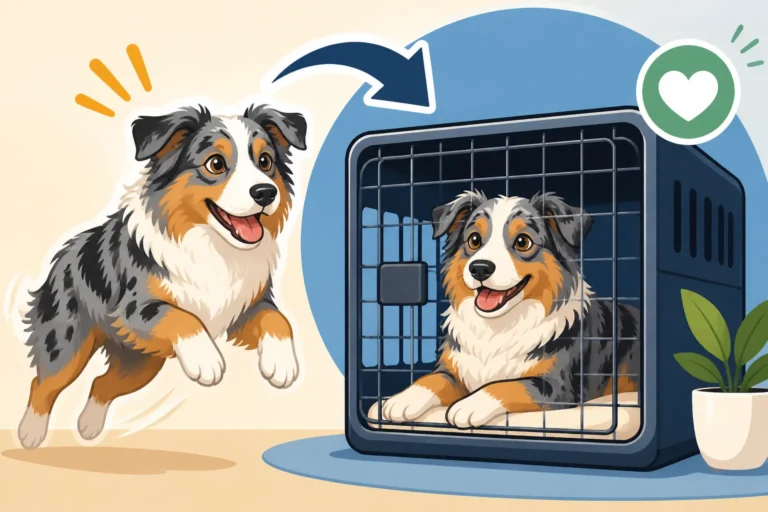
"Settle" or "place" training teaches your dog to go to a designated spot and relax, even amidst distractions. This is great for Mat Settle Training for a Restless Aussie. Practice these skills frequently in low-stress environments before gradually introducing more distractions. Enforced naps, especially for puppies and adolescents, are also incredibly powerful. Just like human children, overtired Aussies can be cranky and prone to outbursts. A quiet, dark crate can be a sanctuary. Consider integrating mental enrichment activities like snuffle mats or slow feeders, available on Amazon, which encourage calm, focused work and can help reduce overall arousal.
Addressing Overarousal: Teaching Your Aussie to Chill Out
While managing reactivity deals with specific outbursts, addressing overarousal is about teaching your Aussie to regulate their own emotions and truly relax. It's about finding that coveted "off switch" that many herding dogs seem to lack.
Structured Exercise vs. Free-for-All Play
Many owners mistakenly believe that the solution to an overaroused Aussie is simply more exercise. While physical activity is essential, the type of exercise matters immensely. Mindless running or endless games of fetch can actually contribute to overarousal, reinforcing the "always on" mentality and increasing adrenaline. Instead, focus on structured, purposeful exercise.
Think long, sniff-heavy walks in quiet areas, where your Aussie can engage their powerful nose and explore at their own pace. This is mentally stimulating and calming. Introduce controlled games of fetch with clear start and stop cues, teaching them to wait for the throw and bring the ball back for a calm retrieve. Consider activities like Treibball, which taps into their herding drive in a controlled, non-physical way. The goal isn't just to tire them physically, but to engage them mentally in a way that promotes focus and calmness, reducing the frantic energy often seen in Why Two Hours of Running Never Settles an Aussie.
The Importance of an "Off Switch"
One of the most valuable things you can teach an Australian Shepherd is how to have an "off switch." This isn't something they inherently possess in spades, especially with their drive! The "place" command, as mentioned earlier, is phenomenal for this. Teach your dog to go to their bed or mat and stay there calmly, even as you move around. Start with short durations and gradually increase the time, rewarding heavily for calmness.
Relaxation protocols, which involve systematically teaching your dog to relax in various positions and environments, can also be beneficial. The goal is to reward stillness, quietness, and a relaxed demeanor. This might seem counter-intuitive for an energetic breed, but actively teaching and rewarding calm behavior is paramount. Many online training platforms, such as BAXTER & Bella, offer structured programs specifically designed to build these foundational skills, turning a restless dog into one that can truly unwind.
Mental Stimulation as a Calming Tool
As we've touched upon, mental stimulation is arguably even more important than physical exercise for an Australian Shepherd. It tires their brain, which in turn helps calm their body. Engage your Aussie in activities that require focus and problem-solving. Scent work, where they use their incredible noses to find hidden treats or toys, is incredibly enriching and exhausting in a good way.
Puzzle feeders and food-dispensing toys, readily available on Amazon, can turn mealtime into a mental challenge. Trick training is another fantastic option; teaching new commands or complex sequences not only provides mental exercise but also strengthens your bond and builds confidence. Trick Training as Aussie Mental Work is not just for fun; it's a vital component of a balanced life for this intelligent breed. When their minds are engaged in constructive ways, they are less likely to seek out disruptive behaviors driven by boredom or overarousal.
Seeking Professional Help and Community Support
It's important to remember that you don't have to tackle reactivity and overarousal alone. These are complex issues, and there are many qualified professionals and supportive communities available to help you and your Australian Shepherd thrive.
When to Call a Certified Professional Dog Trainer or Behaviorist
Knowing when to seek professional help is a sign of a responsible owner, not a failure. If your Aussie's reactivity is severe (causing injury, property damage, or posing a risk to others), if you feel overwhelmed and unable to make progress, or if the behaviors are impacting your daily life significantly, it's time to call in the experts. Look for certified professional dog trainers (CPDT-KA) or certified dog behavior consultants (CDBC).
These professionals can assess your dog's specific situation, identify underlying causes, and develop a customized training plan. They can provide hands-on guidance, teach you how to read your dog's body language more accurately, and help you implement management and modification techniques effectively. Trying to navigate severe reactivity on your own can be frustrating and even dangerous. A good trainer will use positive reinforcement methods and understand the nuances of Finding a Trainer Who Understands an Aussie and their specific breed traits.
Exploring Veterinary Behaviorists and Medication
In some cases, reactivity and overarousal have a strong physiological or neurological component that goes beyond what traditional training can address alone. This is where a veterinary behaviorist comes in. These are veterinarians who have specialized training in animal behavior, allowing them to diagnose and treat behavioral issues from both a medical and behavioral perspective.
A veterinary behaviorist can rule out underlying medical conditions (pain, thyroid issues, etc.) that might be contributing to the behavior. They can also assess whether anxiety medication or supplements might be beneficial to help lower your Aussie's overall anxiety levels, making them more receptive to training. Medication isn't a "cure," but it can be a valuable tool to help your dog get to a place where they can actually learn and generalize new, calmer responses. It's about supporting their brain chemistry so that training can be more effective.
Online Resources and Support Groups
While professional, in-person help is invaluable for severe cases, there's also a wealth of online resources and communities that can offer support, shared experiences, and valuable tips. Joining breed-specific forums or social media groups for Australian Shepherd owners can connect you with others who understand your struggles. Sharing stories and strategies can provide a sense of camaraderie and reduce feelings of isolation.
Many reputable trainers and organizations offer online courses and workshops that can teach you foundational skills and provide guidance on specific behavioral issues. For instance, platforms like BAXTER & Bella offer comprehensive online training programs that cover everything from puppy socialization to advanced obedience, all taught with positive reinforcement methods. These can be excellent supplements to in-person training or a good starting point if professional help isn't immediately accessible. Just be discerning about the advice you take online, ensuring it comes from qualified, positive reinforcement-based sources.
A reactive or overaroused Australian Shepherd can be a challenge, but with understanding, patience, consistent effort, and the right support, you can help your loyal companion navigate the world with greater confidence and calm.
Here's a quick comparison of normal energy versus overarousal/reactivity in an Aussie:
| Characteristic | Normal Aussie Energy | Overarousal / Reactivity |
|---|---|---|
| Play | Engages in vigorous play, then settles quickly | Frantic, escalating play that struggles to end; nipping |
| Focus | Able to focus on tasks, learns quickly | Easily distracted, struggles to concentrate |
| Settling Indoors | Can relax, nap, or chew calmly | Paces, whines, constantly seeks attention, can't relax |
| Response to Triggers | Notices, might look, then disengages | Lunges, barks, growls, spins, frantic movements |
| Vocalization | Purposeful barks (e.g., alert to visitor) | Excessive, seemingly unprovoked barking |
| Body Language | Relaxed, loose, expressive; can offer calm signals | Stiff, tense, hyper-vigilant; often fear-based signals |
| Recovery | Recovers quickly from excitement or startle | Takes a long time to calm down after a stimulating event |
Disclaimer
This article is for general informational purposes only and does not constitute professional advice. Laws, prices and regulations vary by location and change over time. Consult a qualified professional for guidance on your specific situation.