The Genetic Panel Every Australian Shepherd Needs
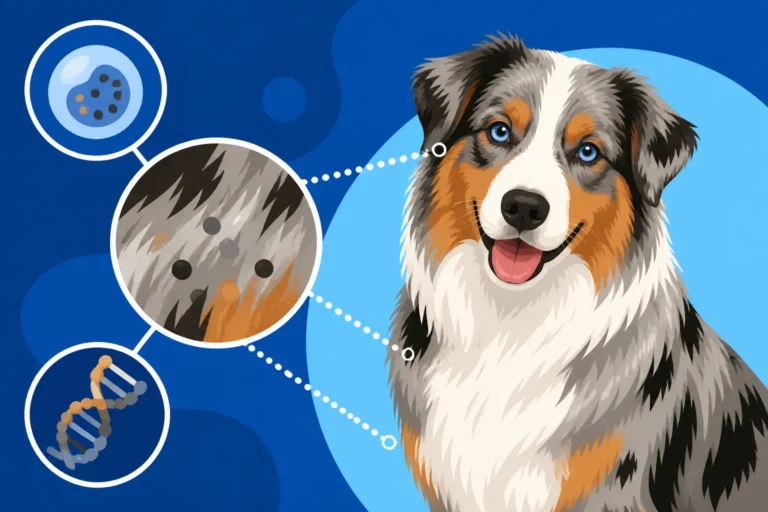
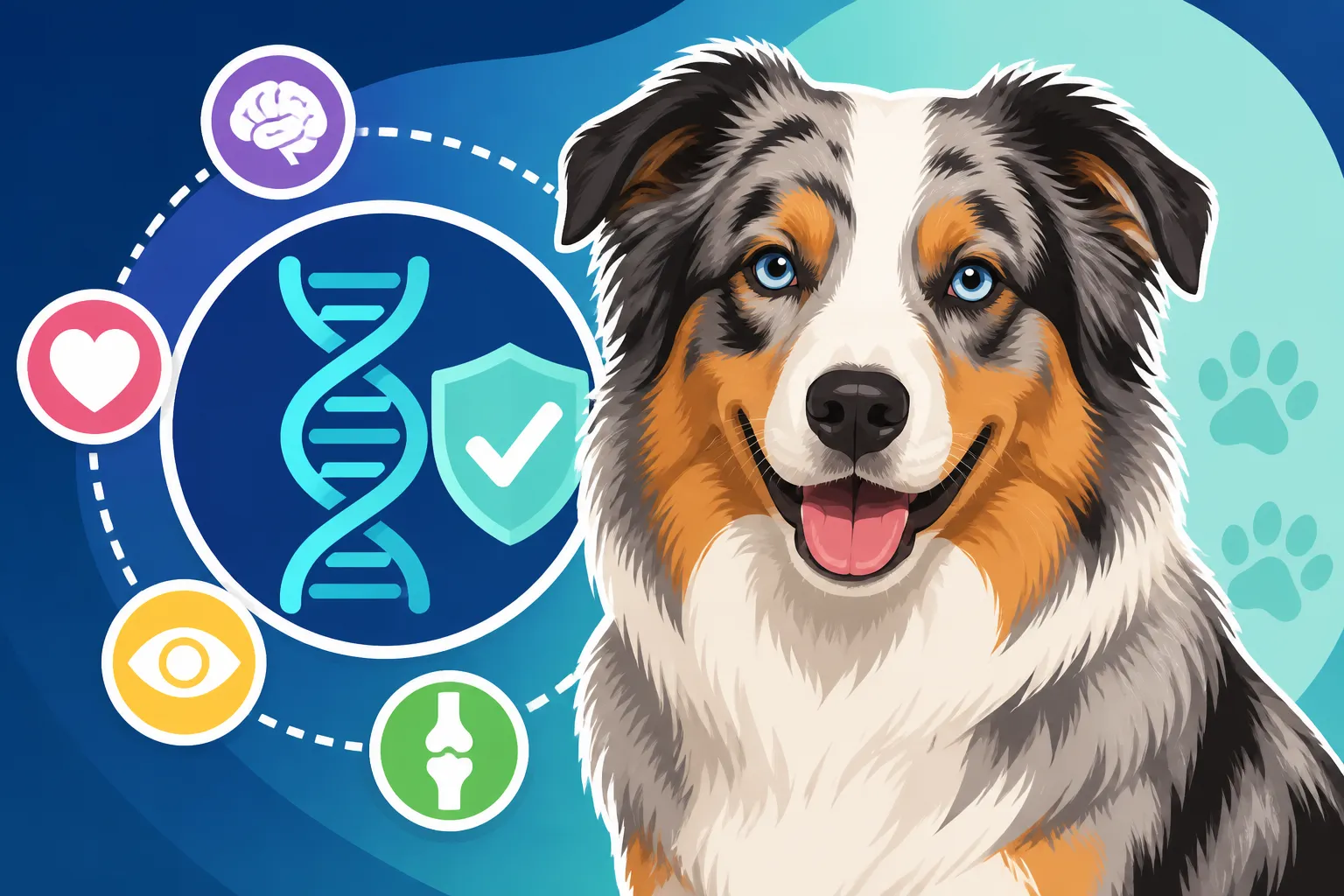
Bringing an Australian Shepherd into your life is an absolute joy, full of boundless energy, incredible intelligence, and unwavering loyalty. But let's be honest, alongside that joy often comes a nagging worry: what health challenges might lie ahead? Many Aussie parents feel overwhelmed by the sheer number of potential genetic conditions that can affect this wonderful breed. This comprehensive guide is here to cut through the confusion, helping you understand the essential genetic panel every Australian Shepherd needs, empowering you to advocate for your dog's long and healthy life.
Understanding the Importance of Genetic Testing for Australian Shepherds
When you welcome an Australian Shepherd into your home, you're not just getting a dog; you're getting a legacy of dedicated working lines. These dogs were bred for specific traits – intelligence, agility, and the drive to herd livestock all day long. While these traits make them exceptional companions and working partners, the breed's history also means they can be predisposed to certain genetic conditions. It’s not about finding fault; it’s about understanding their unique genetic blueprint.
Why Aussies are Prone to Genetic Conditions
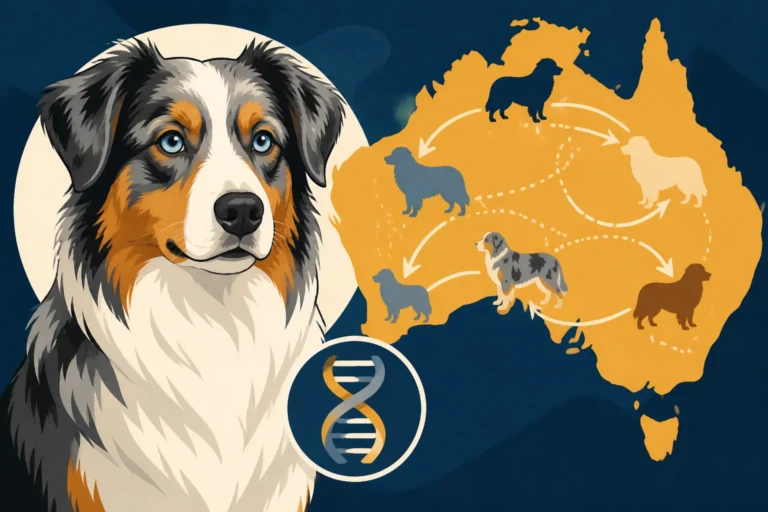
The Australian Shepherd breed, like many purebred dogs, developed from a relatively small gene pool. Early breeders focused intently on working ability and desired physical characteristics, sometimes inadvertently concentrating certain genes that carried predispositions to health issues. While these dogs are incredibly hardy and resilient, certain genetic mutations became more prevalent in the population. Think of it like a family tree; if a distant relative carried a specific trait, it has a higher chance of showing up down the line, especially if careful breeding practices aren't consistently followed to screen for such issues. This isn't unique to Aussies, but understanding this background helps explain why a genetic panel is so crucial for them.
Many of these conditions are recessive, meaning a dog needs to inherit two copies of a faulty gene (one from each parent) to be affected by the disease. However, dogs inheriting only one copy are carriers, and while they might show no symptoms themselves, they can pass the gene to their offspring. This is why testing both parents before breeding is paramount, and why knowing your own dog's status is vital for future planning, even if you don't intend to breed.
Peace of Mind for Pet Parents
Let's face it, nothing is more distressing than seeing your beloved Aussie suffer from an illness you didn't anticipate. Genetic testing isn't about predicting every sniffle or limp, but it provides an invaluable roadmap for potential major health issues. Knowing your dog's genetic status allows you to be proactive. For instance, if your Aussie tests positive for a drug sensitivity, you can inform your vet immediately, potentially preventing a life-threatening reaction during a routine procedure or illness.
This knowledge also helps you and your veterinarian create a tailored wellness plan. You can monitor for early signs of conditions your dog might be prone to, adjust their lifestyle, diet, or exercise, and even discuss preventive measures. For many owners, this proactive approach significantly reduces anxiety, transforming a vague worry into concrete action. It empowers you to be the best advocate for your dog's health, turning uncertainty into informed decision-making. Knowing what to expect, or at least what to watch for, can also help you budget for potential veterinary costs down the line, giving you time to consider options like pet insurance from providers such as Healthy Paws to help cover unexpected health events.
The Essential Genetic Test: MDR1 Mutation
Hands down, the single most critical genetic test for any Australian Shepherd owner is for the Multidrug Resistance 1 (MDR1) gene mutation. If you only do one test, make it this one. This isn't just about a potential future problem; it's about immediate, life-saving knowledge that every vet needs to know.
What is the MDR1 Gene and Its Impact
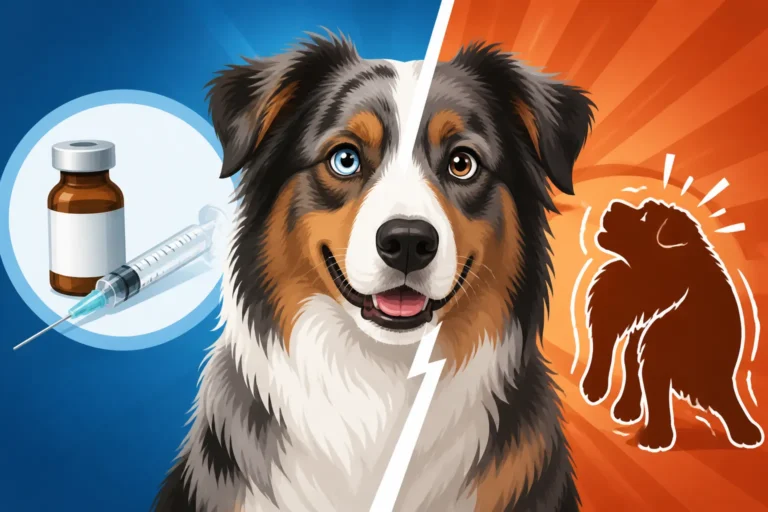
The MDR1 gene is responsible for producing P-glycoprotein, a protein that acts like a pump, pushing certain drugs and toxins out of the brain and other sensitive organs. Think of it as your dog's internal security system, diligently guarding critical tissues from harmful substances. In Australian Shepherds, and several other collie-type breeds, a mutation in this gene can severely impair or completely disable this P-glycoprotein pump. This means that certain common medications, which are perfectly safe for dogs with a normal MDR1 gene, can accumulate to toxic levels in an MDR1-mutant dog's brain, leading to severe neurological symptoms, and potentially death.
The mutation is inherited in an autosomal recessive fashion, meaning a dog can be Clear (two normal copies), a Carrier (one normal, one mutant copy), or Affected (two mutant copies). While affected dogs are at the highest risk, even carriers can have some degree of drug sensitivity, though typically less severe. This nuanced understanding is why The MDR1 Mutation Half of Australian Shepherds Carry is such an important topic to explore further. It’s not just an "on or off" switch; there's a spectrum of risk.
Dangerous Drugs for MDR1 Positive Aussies
The list of drugs that can cause problems for an MDR1-mutant Aussie includes some very common medications you might encounter at any vet visit or even over-the-counter. The most notorious one is Ivermectin, an antiparasitic often found in heartworm preventatives and dewormers. While modern heartworm doses are generally considered safe even for MDR1-affected dogs because the dose is so low, higher doses used for treating certain parasites can be catastrophic. Understanding Why Heartworm Doses Are Still Safe for an MDR1 Aussie is key, but vigilance remains necessary.
Beyond Ivermectin, other drugs include:
- Loperamide (Imodium): A common anti-diarrhea medication.
- Acepromazine: A sedative often used for anxiety or before anesthesia.
- Butorphanol: A pain reliever and sedative.
- Vincristine, Vinblastine, Doxorubicin: Chemotherapy drugs.
- Cyclosporin: An immunosuppressant.
Symptoms of a drug reaction can range from lethargy, drooling, and disorientation to tremors, blindness, coma, and seizures. It's truly terrifying to witness. This is why knowing your dog's MDR1 status before any medication is administered is non-negotiable.
Testing and Management for MDR1
Thankfully, testing for MDR1 is straightforward and inexpensive. It typically involves a simple cheek swab that can be done at home or by your vet. You send the swab to a specialized lab, and within a few weeks, you'll receive a detailed report. Companies like Embark or Optimal Selection offer comprehensive panels that include MDR1. Once you have the results, it's crucial to inform every veterinarian, emergency vet, and even groomer who might handle your dog. Putting MDR1 on an Australian Shepherd's Collar Tag is a smart, proactive step.
Managing an MDR1-positive Aussie isn't difficult; it just requires awareness. Your vet will adjust drug dosages or choose alternative medications to ensure your dog's safety. For example, instead of acepromazine, they might use another sedative. For flea and tick prevention, you'll simply need to ensure you're using products that are not affected by the MDR1 mutation. Many excellent and safe options are available on the market. This knowledge truly gives you control over a potentially life-threatening situation, making it an invaluable part of The Genetic Panel Every Australian Shepherd Needs.
Eye Health: CEA and HSF4 Cataracts
Beyond the vital MDR1 test, understanding your Australian Shepherd's genetic predisposition to certain eye conditions is another cornerstone of responsible ownership. Aussies are known for their striking eyes, but unfortunately, they are also genetically vulnerable to a couple of significant ocular diseases.
Collie Eye Anomaly (CEA)
Collie Eye Anomaly, or CEA, is a congenital, inherited eye disease that affects the development of the choroid, an important layer of tissue beneath the retina. As the name suggests, it's prevalent in Collies, but it's also a significant concern for Australian Shepherds. The severity of CEA can vary dramatically. In its mildest form, known as choroidal hypoplasia (CH), it might not significantly impact vision at all. Many dogs with mild CEA live full, visually normal lives. However, in more severe cases, CEA can lead to colobomas (holes in parts of the eye), retinal detachment, or intraocular hemorrhage, all of which can cause significant vision impairment or even blindness.
CEA is an autosomal recessive condition. This means that a dog must inherit two copies of the mutated gene to be affected. Dogs that inherit one copy are carriers and will not show symptoms but can pass the gene to their offspring. This is why breeders test for CEA, aiming to produce only clear puppies. For pet owners, knowing your dog's CEA status is important for understanding potential future eye issues, especially if you have an affected dog. The Aussie Puppy Eye Check at Six Weeks is a standard protocol to identify CEA early on.
Hereditary Cataracts (HSF4)
Cataracts are a common age-related condition in many dog breeds, but Australian Shepherds are particularly susceptible to hereditary cataracts, specifically linked to a mutation in the HSF4 gene. Unlike some forms of cataracts that develop later in life and are less severe, HSF4 cataracts can appear early, sometimes as young as 1-2 years of age, and often progress rapidly, leading to significant vision loss or even complete blindness. These cataracts can affect one or both eyes, causing the lens of the eye to become opaque, preventing light from reaching the retina.
The HSF4 mutation is inherited in a dominant fashion with incomplete penetrance. This means that a dog only needs to inherit one copy of the mutated gene to be at risk of developing cataracts. However, incomplete penetrance means that not every dog with the HSF4 mutation will develop cataracts, or they might develop them later or in a milder form. Still, the risk is significantly elevated. Knowing if your dog carries this gene allows you to be vigilant, ensuring regular eye checks and seeking specialist veterinary ophthalmologist care if any cloudiness in their eyes is observed. This also plays into the overall understanding of Australian Shepherd Lifespan Across Twelve to Fifteen Years, as good eye health contributes to quality of life.
The ACVO Eye Exam and Genetic Testing
For comprehensive eye health assessment in Australian Shepherds, both genetic testing and regular ophthalmic examinations are crucial. Genetic tests for CEA and HSF4 are readily available and can tell you if your dog is clear, a carrier, or affected by these specific mutations. Many of the same companies that offer MDR1 testing will include CEA and HSF4 in their breed-specific panels.
However, genetic testing isn't a substitute for a physical eye exam by a board-certified veterinary ophthalmologist (ACVO). A thorough ACVO eye exam can detect other potential eye issues not covered by genetic tests, such as retinal diseases, glaucoma, or other forms of cataracts. For puppies, a specialized eye exam between 6 and 8 weeks of age can detect CEA and other congenital anomalies before they are sent to new homes. For adult Aussies, annual ACVO exams are recommended, especially for breeding dogs, to monitor for any changes or progression of eye conditions. This dual approach ensures you have the fullest picture of your Aussie's eye health.
Hip and Elbow Dysplasia: More Than Just X-Rays
While genetic tests are fantastic for identifying single-gene mutations, some complex conditions, like hip and elbow dysplasia, are influenced by multiple genes and environmental factors. This means that while there aren't direct "clear/affected" DNA tests for these, understanding their genetic component and utilizing screening tools is still vital for Australian Shepherd health.
Understanding Hip Dysplasia
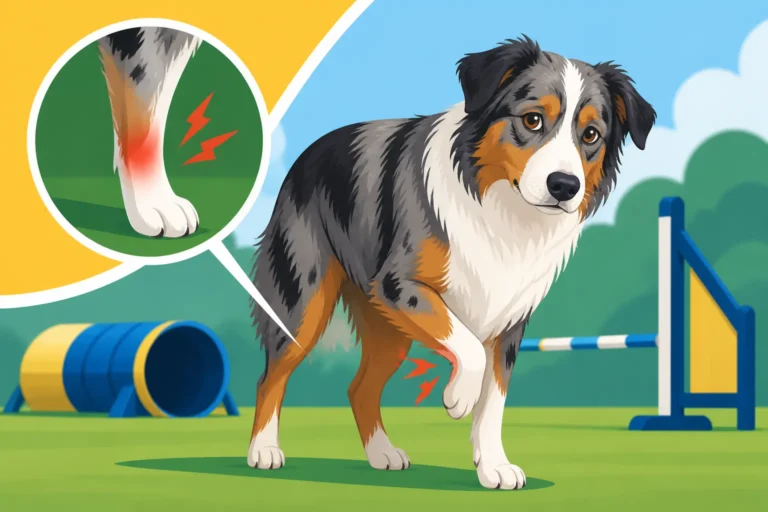
Hip dysplasia is a malformation of the hip joint, where the ball (femoral head) and socket (acetabulum) don't fit together properly. This misalignment causes instability, leading to grinding and wear over time. The body tries to compensate, often resulting in arthritis, pain, and lameness. It's a hugely common orthopedic issue in large and active breeds, including Australian Shepherds. While largely genetic, environmental factors like rapid growth, excessive or inappropriate exercise in puppies, and nutrition can significantly impact the severity of the condition.
Symptoms can range from subtle stiffness after rest to obvious lameness, difficulty getting up, reluctance to jump or run, and a "bunny hop" gait. Early diagnosis is crucial for managing the condition and maintaining a good quality of life. Responsible breeders screen their breeding dogs for hip dysplasia, aiming to reduce its incidence in future generations. This condition can lead to Australian Shepherd Hip Dysplasia and Working Joints becoming quite painful and debilitating if not managed. The financial implications can also be significant, which is where having comprehensive pet insurance from a provider like Healthy Paws can truly help owners cover costly diagnostics and treatments.
Elbow Dysplasia and Its Impact
Similar to hip dysplasia, elbow dysplasia is a complex condition that refers to several developmental abnormalities of the elbow joint. These can include fragmented coronoid process (FCP), ununited anconeal process (UAP), osteochondritis dissecans (OCD), and elbow incongruity. All of these conditions cause abnormal development of the joint, leading to pain, lameness, and secondary osteoarthritis. Elbow dysplasia is often even more insidious than hip dysplasia because symptoms can be less obvious initially, sometimes manifesting as intermittent lameness that worsens after exercise.
Like hip dysplasia, elbow dysplasia has a strong genetic component, but also environmental influences. It can affect Aussies who engage in high-impact activities, putting repetitive stress on their joints. Diagnosing elbow dysplasia typically involves X-rays, and sometimes more advanced imaging like CT scans. Management strategies often include weight control, anti-inflammatory medications, joint supplements, physical therapy, and in some cases, surgery. Preventing Aussie Elbow Dysplasia From Hard Turning is a concern for working and sport dog owners, emphasizing proper conditioning and rest.
OFA and PennHIP Evaluations
Since there isn't a direct genetic test for hip and elbow dysplasia, the most widely accepted screening methods involve X-ray evaluations. The two primary organizations offering these evaluations in North America are the Orthopedic Foundation for Animals (OFA) and the PennHIP program.
OFA: The OFA evaluates hip and elbow X-rays submitted by veterinarians, providing a consensus grade from multiple radiologists.
- Hips: Graded as Excellent, Good, Fair (all considered passing), or Borderline, Mild, Moderate, Severe (all considered dysplastic). Dogs must be at least 24 months old for a final certification.
- Elbows: Graded as Normal (Grade I, II, or III for minor changes) or Dysplastic (Grade I, II, or III for increasing severity). Again, dogs must be 24 months old.
The OFA system also provides a public database, allowing prospective owners to look up the hip and elbow scores of a dog's parents.
PennHIP: PennHIP offers a different, often more sensitive, method for evaluating hip laxity (looseness of the joint), which is a primary indicator of a dog's susceptibility to hip dysplasia. This method requires specialized training and positioning for the X-rays, often performed under sedation. PennHIP provides a distraction index (DI) score, which is a percentile ranking comparing the dog's hip laxity to that of other dogs within the same breed. A lower DI indicates tighter hips and a lower risk of developing dysplasia. PennHIP evaluations can be performed on dogs as young as 16 weeks, offering earlier insight into hip health.
While neither OFA nor PennHIP provides a "genetic test" in the DNA sense, they are critical tools for breeders to select against these conditions and for pet owners to understand their dog's orthopedic health, especially if their Aussie is prone to Australian Shepherd Hip Dysplasia and OFA Scoring.
Epilepsy: A Complex Genetic Challenge
One of the most heartbreaking and frustrating health conditions to manage in Australian Shepherds is epilepsy. It’s a condition that not only impacts the dog but can also take an enormous emotional toll on their human families, who often feel helpless in the face of seizures.
Idiopathic Epilepsy in Australian Shepherds
Idiopathic epilepsy is a chronic neurological disorder characterized by recurrent, unprovoked seizures, with no identifiable underlying cause (such as a brain tumor, infection, or metabolic disorder). In Australian Shepherds, idiopathic epilepsy is considered an inherited condition and is sadly quite common, affecting an estimated 1-5% of the breed. Seizures typically begin between the ages of one and five years, though they can occur earlier or later. The age an Australian Shepherd's First Seizure Comes is often a critical diagnostic point.
Seizures can vary widely in presentation, from generalized "grand mal" seizures where the dog loses consciousness, convulses, and may urinate or defecate, to more subtle focal seizures that might manifest as twitching, fly-biting, or staring spells. The period immediately before a seizure (the aura) and after a seizure (the post-ictal phase) can also be distressing, with dogs appearing confused, disoriented, or restless. This is often described as Idiopathic Epilepsy in an Australian Shepherd.
Genetic Links and Breeding Considerations
The genetics of idiopathic epilepsy in Australian Shepherds are complex and not fully understood. It's believed to be a polygenic trait, meaning it's influenced by multiple genes working together, rather than a single gene mutation like MDR1 or HSF4. This complexity makes it extremely challenging to breed away from the condition. There isn't a simple DNA test that can definitively say "this dog will get epilepsy" or "this dog is completely clear." Researchers are actively working to identify specific genetic markers, but a reliable, widely available genetic test for epilepsy in Aussies is not yet a reality.
Despite the lack of a direct genetic test, responsible breeders play a crucial role. They carefully track seizure occurrences in their lines, avoid breeding affected dogs, and often choose not to breed dogs that produce multiple affected offspring, even if those parents are outwardly healthy. However, because carriers often appear normal, and the inheritance is complex, epilepsy can still unexpectedly appear in well-researched lines. This is a difficult reality for breeders and owners alike.
Managing Epilepsy
While there's no cure for idiopathic epilepsy, it can often be effectively managed with medication, allowing affected dogs to live long, good-quality lives. The goal of treatment is to reduce the frequency, severity, and duration of seizures. Common anti-seizure medications include phenobarbital, potassium bromide, zonisamide, and levetiracetam (Keppra). The specific drug or combination of drugs, and their dosages, will be tailored by your veterinarian, often in consultation with a veterinary neurologist, based on your dog's individual response.
Managing an epileptic Aussie involves consistent medication schedules, regular blood tests to monitor drug levels and potential side effects (especially liver function with drugs like phenobarbital), and meticulous logging of seizures. Owners also learn about seizure first aid, how to keep their dog safe during a seizure, and how to support them during the post-ictal phase. While the journey can be challenging, many epileptic Aussies thrive with dedicated care. The financial aspect of managing a chronic condition like epilepsy can be substantial, with ongoing medication, bloodwork, and specialist visits. This is another area where pet insurance like Healthy Paws can provide much-needed support, helping to cover these recurring costs over an Australian Shepherd's lifespan.
Thyroid and Autoimmune Conditions
Beyond the more commonly discussed genetic predispositions, Australian Shepherds are also known to be more prone to certain autoimmune conditions, particularly those affecting the thyroid gland. These conditions can significantly impact a dog's overall health and well-being if not identified and managed appropriately.
Autoimmune Thyroiditis
Autoimmune thyroiditis is the most common cause of hypothyroidism in dogs, and Australian Shepherds are considered a breed at increased risk. In this condition, the dog's immune system mistakenly attacks and destroys its own thyroid gland. The thyroid gland is a crucial endocrine gland located in the neck that produces hormones essential for regulating metabolism. When the thyroid gland is damaged, it can't produce enough of these hormones, leading to hypothyroidism.
Symptoms of hypothyroidism are often vague and can develop slowly, making diagnosis challenging. They might include:
- Lethargy and reduced activity levels
- Weight gain despite no change in diet
- Dull, dry, or brittle coat, sometimes with excessive shedding
- Skin issues like recurrent infections or scaling
- Cold intolerance
- Mental dullness or changes in temperament
- In some cases, reproductive problems
Diagnosis involves blood tests to measure thyroid hormone levels (T4 and Free T4) and to check for the presence of autoantibodies against thyroid components. Treatment is usually lifelong and involves daily thyroid hormone replacement medication, which is highly effective in resolving symptoms. Understanding Australian Shepherd Autoimmune Thyroiditis is key to early detection.
Addison's Disease and Other Autoimmune Concerns
While autoimmune thyroiditis is the most common, Australian Shepherds can also be predisposed to other autoimmune diseases, though less frequently. One notable example is Addison's Disease, or hypoadrenocorticism. This condition occurs when the adrenal glands, located near the kidneys, fail to produce adequate amounts of critical hormones, primarily glucocorticoids (like cortisol) and mineralocorticoids (like aldosterone). The immune system attacking the adrenal glands is the most common cause.
Addison's is often called "the great imitator" because its symptoms are notoriously non-specific and can wax and wane, making diagnosis difficult. These can include:
- Lethargy, weakness, and loss of appetite
- Vomiting and diarrhea
- Weight loss
- Increased thirst and urination
- Shaking or muscle tremors
- In severe cases, a sudden, life-threatening "Addisonian crisis" can occur, presenting as severe collapse, shock, and profound weakness.
Other autoimmune conditions sometimes seen in Aussies include immune-mediated hemolytic anemia (IMHA), where the body attacks its own red blood cells, and certain immune-mediated skin diseases. These conditions highlight the general tendency of some Aussie lines towards an overactive or misdirected immune system.
Monitoring and Early Detection
For autoimmune thyroiditis and other less common autoimmune conditions, there isn't typically a pre-screening DNA test like there is for MDR1 or HSF4. Instead, early detection relies on careful observation by the owner and regular veterinary check-ups, including routine blood work.
Your vet may recommend a thyroid panel as part of your Aussie's annual wellness exam, especially as they approach middle age, or if you notice any subtle changes in their energy, coat quality, or weight. If an autoimmune condition is suspected, further diagnostic tests will be performed. For Addison's Disease, for example, a specific ACTH stimulation test is required for definitive diagnosis.
Because these conditions can often mimic other illnesses, it’s vital to maintain a good relationship with your veterinarian and provide them with detailed observations about your dog’s behavior and health. Being proactive about veterinary care can mean the difference between managing a condition effectively and facing a crisis situation. Testing an Australian Shepherd Thyroid at Two Years is a good practice to establish a baseline for your dog's health.
Beyond the Core Panel: Other Important Tests
While MDR1, CEA, HSF4 cataracts, and responsible orthopedic screening form the bedrock of an Aussie health panel, there are other genetic conditions that dedicated owners and breeders may choose to screen for. These tests provide an even more comprehensive picture of your Australian Shepherd's genetic health.
Progressive Retinal Atrophy (PRA)
Progressive Retinal Atrophy (PRA) refers to a group of inherited degenerative diseases that affect the retina, the light-sensitive tissue at the back of the eye. In PRA, the photoreceptor cells (rods and cones) in the retina gradually break down over time, ultimately leading to blindness. Different forms of PRA exist, with some causing early-onset blindness and others leading to vision loss later in life. In Australian Shepherds, specific forms of PRA have been identified, including prcd-PRA (progressive rod-cone degeneration).
The first sign of PRA is typically night blindness, as the rod cells (responsible for low-light vision) are usually affected first. Dogs might become hesitant to go out in the dark or bump into objects in dimly lit environments. As the disease progresses, day vision also deteriorates, eventually leading to complete blindness. Thankfully, PRA is not painful. Genetic tests are available for several forms of PRA, including prcd-PRA. Knowing your dog's status can help you prepare for eventual vision loss and manage their environment to keep them safe and comfortable. This is another crucial aspect of The Genetic Panel Every Australian Shepherd Needs.
Degenerative Myelopathy (DM)
Degenerative Myelopathy (DM) is a progressive neurological disease that affects the spinal cord, specifically the white matter tracts responsible for transmitting motor commands and sensory information. It is essentially the canine equivalent of Amyotrophic Lateral Sclerosis (ALS) or Lou Gehrig's disease in humans. DM is seen in many breeds, including Australian Shepherds, and is caused by a mutation in the SOD1 gene. It is inherited in an autosomal recessive pattern, meaning a dog must inherit two copies of the mutated gene (one from each parent) to be at risk of developing the disease.
DM is a late-onset disease, typically appearing in middle to senior dogs, often between 8 to 14 years of age. The initial symptoms usually involve progressive weakness and incoordination in the hind limbs, which can be mistaken for arthritis. Dogs may scuff their paws, stumble, or have difficulty rising. Over time, the weakness progresses, leading to paralysis of the hind limbs and eventually affecting the front limbs. There is currently no cure for DM, and it is ultimately fatal. A genetic test for the SOD1 mutation can identify if a dog is clear, a carrier, or at risk (affected) for developing DM. While a positive test doesn't guarantee the dog will develop DM (as penetrance can vary), it indicates a high probability.
Other Breed-Specific Tests
Beyond these well-known conditions, some genetic testing companies offer even broader panels that include tests for less common but still relevant conditions in Australian Shepherds. These might include:
- Hyperuricosuria (HUU): This condition affects the metabolism of uric acid, leading to elevated levels in the urine. This can predispose dogs to developing painful bladder stones (urates). It's an autosomal recessive trait, and a genetic test can identify clear, carrier, and affected dogs. Affected dogs require special diets and monitoring to prevent stone formation.
- Cone-Rod Dystrophy (cord1): Another form of retinal degeneration that can cause progressive vision loss.
- Dilated Cardiomyopathy (DCM): While less common than in some other large breeds, some genetic markers associated with DCM may be included in comprehensive panels. DCM is a heart condition where the heart chambers enlarge, leading to impaired pumping function.
While it can feel like a lot to take in, remember that a comprehensive genetic panel gives you the power of knowledge. This knowledge, coupled with discussions with your veterinarian, allows you to be proactive, prepared, and provide the best possible care for your beloved Aussie.
Navigating the Results and Communicating with Your Vet
Receiving your Australian Shepherd's genetic panel results can be a mixed bag of emotions. You might feel relief, concern, or even confusion. The key is to understand what the results mean and how to effectively use this information to benefit your dog's health, working in close partnership with your veterinarian.
Interpreting Your Aussie's Genetic Report
Genetic reports typically categorize results into three main statuses for most recessive conditions:
- Clear / Normal: Your dog has two healthy copies of the gene and is not affected by the condition, nor can they pass the mutated gene to offspring. This is the ideal result for any condition.
- Carrier: Your dog has one healthy copy and one mutated copy of the gene. For recessive conditions, carriers typically do not show symptoms of the disease themselves. However, they can pass the mutated gene to 50% of their offspring if bred. For a pet Aussie, this means they are generally healthy regarding this specific condition. For a breeding dog, it means careful selection of a clear mate to ensure no affected puppies are produced.
- Affected / At-Risk: Your dog has two mutated copies of the gene (for recessive conditions) or one mutated copy (for dominant conditions like HSF4 cataracts). This means your dog either has the disease or is at a significantly increased risk of developing it. This result requires immediate attention and discussion with your veterinarian to develop a monitoring and management plan.
For complex, polygenic conditions like hip and elbow dysplasia or epilepsy, the results won't be as straightforward as "clear" or "affected." Instead, you'll receive grades or rankings (like OFA or PennHIP scores) that indicate the likelihood of the condition or the severity of any present issues. Understanding Reading an Aussie MDR1 Result Line by Line is a good starting point for detailed interpretation.
Creating a Proactive Health Plan
Once you have your Australian Shepherd's genetic profile, you can truly step into the role of a proactive pet parent. The information isn't just for breeders; it's a guide for your dog's entire life.
If your Aussie is a carrier for a recessive condition like CEA, it typically means no special care is needed, but it's good information to have. If they are affected by something like MDR1, your health plan will immediately include informing all veterinary staff and ensuring that only safe medications are used. This might involve keeping a laminated card with your dog's MDR1 status in your wallet or attaching it to their leash or collar.
For conditions like hereditary cataracts (HSF4) or PRA, knowing your dog is at risk means scheduling regular eye exams with a veterinary ophthalmologist to catch any changes early. For orthopedic concerns like hip or elbow dysplasia, you'll focus on maintaining a healthy weight, providing appropriate exercise (avoiding high-impact activities if warranted), and discussing joint supplements with your vet. This kind of detailed planning helps contribute to a long and healthy Australian Shepherd Lifespan Across Twelve to Fifteen Years. Early awareness allows for intervention, potentially slowing progression or managing symptoms more effectively.
The Importance of Sharing Information
This is perhaps the most crucial step: always share your Australian Shepherd's complete genetic health panel results with your veterinarian. Do not assume they will ask, or that they will know. Hand them a copy of the report, ask them to add it to your dog's permanent medical file, and discuss what each result means for your dog's individual care plan.
Why is this so important?
- Drug Safety: For MDR1, your vet needs to know this before prescribing any medication or performing any procedure involving sedatives or anesthetics. This could literally save your dog's life.
- Preventive Care: If your dog is predisposed to certain eye or orthopedic conditions, your vet can recommend specialized screenings or preventive measures.
- Informed Decisions: Should your dog develop symptoms later in life, their genetic history provides valuable context for diagnosis and treatment choices.
- Emergency Situations: In an emergency, if your primary vet isn't available, having this information readily accessible in your dog's file means any emergency vet can provide the safest care.
Being open and communicative with your vet about these results fosters a collaborative approach to your Aussie's health. It ensures that all medical professionals who care for your dog are fully informed, allowing them to make the best possible decisions. Remember, you are your dog's voice and advocate, and providing this critical genetic information is one of the most powerful ways to protect them.
| Genetic Test | What it Screens For | Impact on Care | Inheritance Pattern |
|---|---|---|---|
| MDR1 | Drug sensitivity | Avoid/adjust dosages of specific common medications | Autosomal Recessive |
| CEA | Collie Eye Anomaly (eye development) | Monitor for vision issues; no treatment for affected | Autosomal Recessive |
| HSF4 Cataracts | Hereditary cataracts (early onset) | Regular eye exams; potential for surgery; prepare for vision loss | Autosomal Dominant (incomplete penetrance) |
| prcd-PRA | Progressive Retinal Atrophy (retinal degeneration) | Regular eye exams; prepare for progressive vision loss | Autosomal Recessive |
| DM (SOD1) | Degenerative Myelopathy (spinal cord degeneration) | No cure; focus on supportive care and mobility management | Autosomal Recessive |
| HUU | Hyperuricosuria (bladder stones) | Special diet and monitoring to prevent stone formation | Autosomal Recessive |
Disclaimer
The information provided in this article is for educational and informational purposes only and does not constitute veterinary advice. Always consult with a qualified veterinarian for any health concerns or before making any decisions related to your Australian Shepherd's care, diet, or treatment. Genetic testing provides valuable insights but is only one component of comprehensive veterinary care.