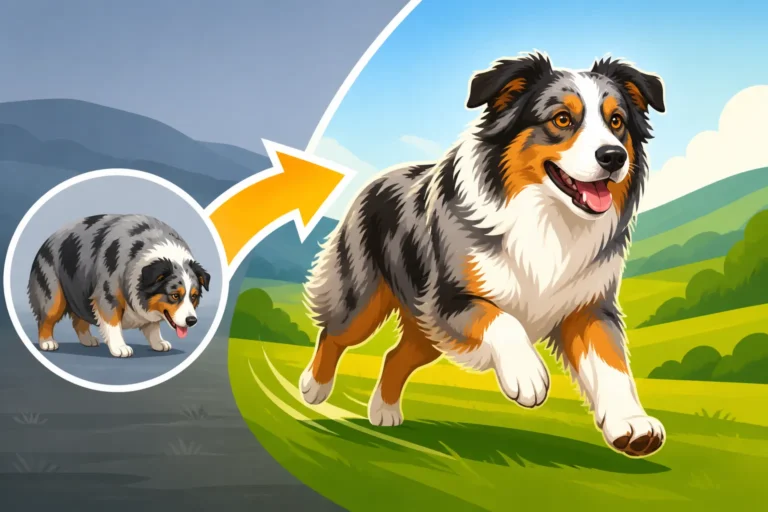
An Old Australian Shepherd Losing Its Sight
It’s a tough pill to swallow when you notice your once-vigilant Australian Shepherd, who used to track every leaf blowing across the yard, starting to hesitate, bump into familiar furniture, or just seem a little “off.” The heartbreak of watching a senior companion lose their edge, especially something as fundamental as their sight, can feel overwhelming and leave you wondering how to best support them. This guide aims to shed light on the subtle signs of vision loss in older Australian Shepherds, explore the common causes, and provide practical, empathetic strategies to help you and your beloved Aussie navigate this challenging transition, ensuring they maintain the best possible quality of life.
Recognizing the Subtle Signs of Vision Loss
It’s often not a sudden, dramatic blindness, but a gradual decline that can be easy to miss, especially in smart, adaptable breeds like Australian Shepherds who learn to compensate with their other keen senses. You might find yourself questioning if you're just imagining things, or if it's simply "old age." But trust your gut; those small changes often speak volumes.
Changes in Familiar Environments
One of the first places you might notice signs of vision impairment is right in your own home, a place your Aussie knows like the back of their paw. They might start to misjudge distances, like walking into the side of a doorway they've navigated thousands of times, or stumbling on a step that used to be second nature. Perhaps they're a little more hesitant to jump onto the couch or navigate a tight hallway.
Imagine your Australian Shepherd, traditionally so confident, now moving more slowly through the living room, nose to the ground, almost like they're mapping it out anew. You might see them pause before stepping off a curb or down a single step, using their paws to feel the surface before committing. These aren't necessarily signs of joint pain at first, but rather a cautious approach to what they can no longer clearly see. A toy thrown might be missed completely, or they might overshoot it, searching frantically with their nose instead of their eyes. It’s an adjustment for them, and for you, realizing that the world they perceive is changing.
Altered Behavior and Confidence
Vision loss, even partial, can significantly impact an Australian Shepherd's confidence and overall demeanor. Their world, once so visually rich and predictable, becomes a place of uncertainty. This often manifests as increased anxiety, particularly in unfamiliar surroundings or when introduced to new people or animals. Your dog might become more clingy, constantly seeking your presence for reassurance, or preferring to stay in one secure spot rather than exploring.
You might notice they startle more easily to sounds or touch, as they can no longer visually anticipate what's coming. That confident, outgoing Aussie who loved greeting visitors might now hang back, bark more, or even snap if approached unexpectedly. It’s not aggression; it’s fear born from vulnerability. They might be less inclined to play certain games, especially those involving fast-moving objects, or become confused in busy environments like a dog park. This shift in personality can be heartbreaking, as you witness their once vibrant spirit begin to dim under the weight of their failing eyesight. It’s crucial to remember this isn't defiance or "bad behavior," but a coping mechanism for a profound sensory change.
Physical Indicators of Eye Issues
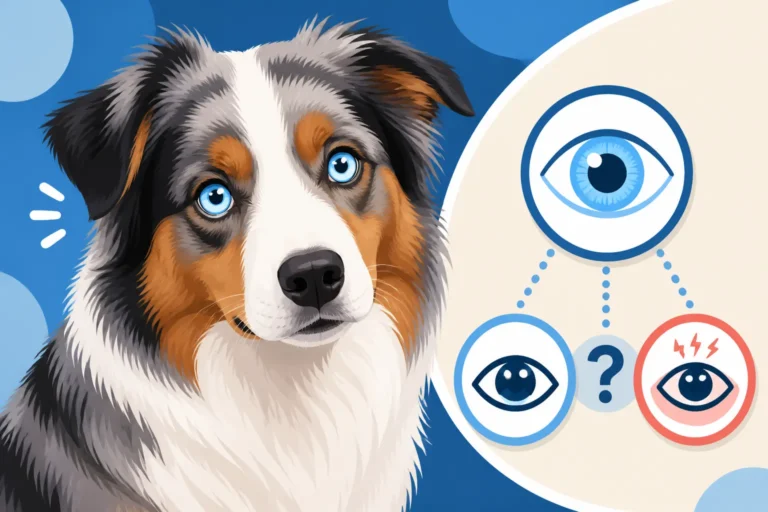
Beyond behavioral changes, there can be physical signs in your Aussie's eyes themselves that point to vision problems. These might be subtle at first, or they could develop quite rapidly depending on the underlying cause. Many older Australian Shepherds develop a slight bluish haze to their pupils, a condition called nuclear sclerosis, which is a normal part of aging and typically doesn't severely impair vision. However, a dense, milky white or gray cloudiness covering the entire lens could indicate cataracts, which can significantly block light and reduce sight.
Keep an eye out for redness in or around the eyes, excessive tearing, or discharge. These can signal inflammation, infection, or more serious conditions like glaucoma. You might also notice one pupil appearing larger than the other, or both pupils being excessively dilated even in bright light, which means they're struggling to regulate light intake due to underlying issues. Sometimes, the eyes might appear sunken, or their color might seem different, perhaps a duller blue or brown than usual. It’s always best to have any noticeable physical change in your Aussie’s eyes checked out by your veterinarian, as some conditions are painful and require immediate attention.
Common Causes of Sight Loss in Senior Australian Shepherds
Understanding the specific causes behind your Australian Shepherd's vision loss is the first step toward effective management and, potentially, treatment. It's not just "old age"; there are often identifiable conditions at play.
Nuclear Sclerosis and Cataracts
As Australian Shepherds age, it's very common to see a slight blue-gray haziness appear in the center of their pupils. This is called nuclear sclerosis, a natural hardening of the lens fibers. Think of it like a mild presbyopia in humans – it slightly diminishes their ability to focus, especially up close, but doesn't usually lead to profound blindness. Many Aussies with nuclear sclerosis navigate their world just fine, relying on their excellent peripheral vision, hearing, and sense of smell.
Cataracts, however, are a different story. These involve an opacification of the lens, meaning the clear lens becomes cloudy and prevents light from reaching the retina. Unlike nuclear sclerosis, cataracts can range from small, localized opacities that have minimal impact to complete clouding that causes total blindness. In Australian Shepherds, cataracts can be hereditary and appear earlier in life, but age-related cataracts are also common. While some breeds are prone to early-onset hereditary cataracts, senior Aussies can develop them like any other dog. If your vet diagnoses cataracts, there may be surgical options to restore vision. You can learn more about this specific challenge by reading about Hereditary Cataracts Clouding an Aussie Eye.
Progressive Retinal Atrophy PRA
Progressive Retinal Atrophy, or PRA, is a group of genetic, degenerative diseases that affect the photoreceptor cells in the retina (rods and cones), eventually leading to complete blindness. In Australian Shepherds, several forms of PRA have been identified. The most common presentation is that the rod cells, responsible for vision in dim light, degenerate first. This means the earliest sign an owner might notice is night blindness – your Aussie becomes hesitant to go outside in the dark, bumps into things in low light, or just seems disoriented after sunset.
As the disease progresses, the cone cells, which handle bright light and color vision, also begin to fail, leading to total blindness even in daylight. PRA is not painful, but the gradual loss of sight can be disorienting and stressful for the dog. Unfortunately, there is no cure for PRA, but understanding its progression allows owners to adapt their environment and help their Aussie adjust. For a deeper dive into how this condition impacts your dog, consider learning more about Retinal Atrophy Taking an Aussie's Night Vision. Early genetic testing, often part of The Genetic Panel Every Australian Shepherd Needs, can sometimes identify carriers or affected dogs, though age-related forms may not be genetically predictable.
Glaucoma and Other Optic Nerve Issues
Glaucoma is a serious and painful eye condition characterized by increased pressure within the eye. This pressure damages the optic nerve, which transmits visual information from the eye to the brain, eventually leading to irreversible blindness. Unlike cataracts or nuclear sclerosis, glaucoma is often an emergency situation because prolonged high pressure can cause rapid and permanent vision loss, sometimes within hours or days. Signs of glaucoma can include a cloudy or bluish appearance to the cornea (the front surface of the eye), a dilated pupil that doesn't react to light, redness of the eye, excessive tearing, and most notably, severe pain. Your Aussie might squint, rub their eye, or become lethargic and withdrawn due to the discomfort.
While some forms of glaucoma are inherited, particularly in certain breeds, it can also occur secondary to other eye conditions like inflammation or injury. Early diagnosis and immediate treatment are critical to managing pain and preserving any remaining vision. This might involve medications to reduce eye pressure or, in severe cases, surgical intervention. Left untreated, glaucoma invariably leads to total blindness and chronic pain, which is why prompt veterinary attention is paramount.
Systemic Diseases Affecting Vision
It's not always just about the eyes themselves; sometimes, vision loss can be a symptom or complication of underlying systemic diseases affecting your Australian Shepherd's overall health. For instance, diabetes mellitus, a common endocrine disorder in older dogs, can lead to the rapid development of cataracts due to changes in glucose metabolism within the eye lens. If your Aussie is diagnosed with diabetes, keeping their blood sugar well-regulated is crucial for managing this risk.
High blood pressure (hypertension), which can be caused by conditions like kidney disease or an overactive thyroid, can also affect vision. Severe hypertension can cause retinal detachment or hemorrhages in the eye, leading to sudden blindness. Similarly, certain cancers can spread to the eyes or affect the optic nerve, causing vision problems. Even severe nutritional deficiencies, although less common with modern commercial dog foods, can sometimes impact eye health over the long term. This is why a thorough veterinary examination, including blood work, is essential when your senior Australian Shepherd starts experiencing vision loss, to rule out or manage any contributing systemic conditions that might be at play.
Adapting Your Home and Routine for a Visually Impaired Aussie
Discovering your Australian Shepherd is losing its sight is undeniably upsetting, but with some thoughtful adjustments, you can help them continue to live a full and happy life. Their reliance on you will increase, but so will the bond you share.
Creating a Safe and Predictable Environment
The most immediate and impactful thing you can do for a visually impaired Australian Shepherd is to ensure their home environment is safe and consistently predictable. This means, first and foremost, do not rearrange your furniture. Resist the urge to redecorate, as your dog relies on a mental map of their space. If you absolutely must move something, do it gradually and guide them around the new layout several times.
Consider gating off stairs or other hazardous areas where they might fall. Use baby gates or pet barriers to create safe zones. For important areas like their food and water bowls, bed, or the dog door, consider placing textured mats (like a rubber mat or a small rug) that provide a tactile cue. Some owners even use scent markers – a drop of a distinctive, dog-safe essential oil (like lavender or cedarwood, diluted heavily) near key spots can act as a guide. Keep pathways clear of clutter – no tripping hazards like shoes, bags, or children’s toys. Corners and table legs can be padded with child-proofing bumpers to prevent painful bumps. Their world needs to shrink in terms of novelty but expand in terms of security.
Enhancing Communication and Engagement
With vision fading, your Australian Shepherd will rely much more heavily on their other senses, especially hearing and smell, and your touch. This is an opportunity to strengthen your communication using verbal cues and touch signals. Start using distinctive verbal commands for everything – "step up," "step down," "wait," "left," "right." Always announce your presence with your voice before approaching them, especially if they’re sleeping, to avoid startling them. A gentle touch, like a hand on their shoulder, can guide them.
Mental stimulation becomes incredibly important to keep their minds sharp and engaged. This can be achieved through scent work, which they'll excel at given their strong noses. Hide treats around the house for them to sniff out, or use puzzle feeders. These activities are fantastic for tiring them out mentally without requiring vision. You can explore activities like Scent Games That Tire an Australian Shepherd to keep them stimulated and happy. Continue to talk to your Aussie often, using an encouraging and calm tone. Regular, gentle grooming sessions can also provide comforting physical contact and help you identify any new bumps or changes.
Maintaining Outdoor Safety
Taking a visually impaired Australian Shepherd outdoors requires extra vigilance and a shift in your routine. Your secure, fenced yard, if you have one, should be thoroughly checked for any new holes, sharp objects, or anything that could be a hazard. Keep the layout consistent and free of obstacles. For walks, a leash is no longer optional – it's absolutely essential, even in areas you consider safe. Using a longer line in a secure, familiar, and quiet park can allow them to explore with their nose while still being safely attached to you. For more on this, you might find guidance in Long Line Length for an Australian Shepherd.
Choose consistent walking routes that are familiar, less crowded, and have predictable terrain. Let them sniff and explore at their own pace. Be their eyes: describe the environment ("car coming," "step up," "curb down"), anticipate obstacles, and gently guide them away from potential dangers. A sturdy harness can be helpful for guiding, rather than relying solely on a collar. Some owners opt for a special vest that indicates "Blind Dog" to alert others. Remember that their recall might be compromised without visual cues, so practicing their verbal recall cues in a safe, enclosed space is vital.
Supporting Overall Well-being
Beyond the immediate environmental adjustments, supporting the holistic well-being of your visually impaired Australian Shepherd is paramount. This includes maintaining a high-quality diet, potentially supplemented with vision-specific nutrients like antioxidants, omega-3 fatty acids, and vitamins C and E, if recommended by your vet. These supplements, though not a cure for established vision loss, can support overall eye health.
Regular veterinary check-ups are more important than ever. Your vet can monitor any progression of eye conditions, manage pain if present (especially with conditions like glaucoma), and address any other age-related concerns like arthritis, which can make navigating even more difficult. It's often beneficial to discuss these ongoing and potentially unexpected veterinary costs with providers like Healthy Paws. Pet insurance can be a huge relief when dealing with the advanced care needs of a senior dog. Providing ample emotional support, patience, and unwavering love will be their anchor. They're relying on you more than ever, and your calm, reassuring presence makes all the difference.
When to Seek Veterinary Intervention and Management Options
It's natural to feel overwhelmed when your senior Australian Shepherd starts losing its sight, but remember that veterinary medicine offers many avenues for diagnosis and management, and your vet is your best partner in this journey.
Comprehensive Ophthalmic Examination
When you first notice signs of vision loss, the most critical step is a comprehensive ophthalmic examination by your general veterinarian or, ideally, a board-certified veterinary ophthalmologist. This isn't just a quick peek; it's a thorough evaluation designed to pinpoint the exact cause of vision loss and determine if it's treatable or progressive.
The vet will typically start with a detailed history, asking about when you first noticed changes, how quickly they've progressed, and any other health issues your Aussie might have. They'll then perform a series of tests, including:
- Schirmer Tear Test: Measures tear production to rule out dry eye.
- Fluorescein Stain: Checks for corneal abrasions or ulcers.
- Tonometry: Measures the intraocular pressure (IOP) to diagnose or rule out glaucoma. This is often done with a specialized device like a TonoPen.
- Ophthalmoscopy: Using a special light, the vet will examine the retina, optic nerve, and other structures at the back of the eye.
- Slit Lamp Examination: Allows for a magnified view of the front structures of the eye, including the cornea, iris, and lens, to identify cataracts or other anterior segment issues.
- Electroretinography (ERG): If PRA is suspected, an ERG measures the electrical responses of the cells in the retina to light, confirming the function of the photoreceptors.
This diagnostic process might seem extensive, but it's crucial for getting an accurate picture of what's happening inside your Aussie's eyes. It helps differentiate between conditions like nuclear sclerosis (which is benign) and cataracts (potentially treatable), or between glaucoma (painful and urgent) and PRA (non-painful, progressive).
Medical and Surgical Treatments
Once a diagnosis is made, your vet will discuss the available treatment options. For some conditions, particularly cataracts, surgery can offer a dramatic restoration of vision. Cataract surgery involves removing the cloudy lens and often replacing it with an artificial intraocular lens, much like in humans. This is a specialized procedure performed by a veterinary ophthalmologist and can be quite costly, often running several thousand dollars per eye. However, the joy of seeing your Aussie navigate confidently again can be immeasurable. If you're considering this, it's worth exploring how long an Aussie can retain vision after surgery and what the recovery involves, by reading about Whether an Aussie Sees Again After Cataract Removal or even researching What Cataract Surgery Runs on an Aussie. Many owners find that having pet insurance, such as through Healthy Paws, can make these substantial surgical costs more manageable, especially if the policy was in place before the condition developed.
For glaucoma, treatment focuses on reducing the eye pressure and managing pain. This often involves a combination of eye drops and oral medications. In severe cases or when medical management isn't sufficient, surgical options like laser cyclophotocoagulation or even eye removal (enucleation) might be considered to alleviate pain. For conditions like PRA, where there is no cure, treatment shifts to supportive care, ensuring comfort, and helping your Aussie adapt to progressive blindness. If the vision loss is secondary to a systemic disease like diabetes or hypertension, managing the underlying condition is key to stabilizing or sometimes even improving their ocular health.
Proactive Care and Long-Term Support
Living with a senior Australian Shepherd that is losing its sight is a journey that requires ongoing commitment and flexibility. It’s not a one-time fix; it’s about adjusting care as their needs evolve. Regular follow-up appointments with your veterinarian or ophthalmologist are essential to monitor the progression of any eye disease, adjust medications, and address new challenges. This proactive approach helps ensure your Aussie remains as comfortable and independent as possible. You can learn more about general care for aging Australian Shepherds by looking into Senior Australian Shepherd Care After Ten and understanding How Often a Ten Year Old Aussie Needs Checking.
Consider adding Mobility Aids for an Old Australian Shepherd to your home, such as ramps or orthopedic beds, especially if they also have Australian Shepherd Arthritis After Years of Work. These tools can enhance their comfort and ability to navigate. Remember, their world might be getting darker, but your love, patience, and consistent routine will be their guiding light. While the financial implications of managing chronic conditions and potential surgeries can be significant, having a robust pet insurance plan like those offered by Healthy Paws can truly help ease the burden, allowing you to focus on providing the best possible care for your beloved companion without constant worry about the budget. Prioritizing their quality of life, comfort, and emotional well-being above all else is the ultimate goal.
Common Eye Conditions in Senior Australian Shepherds
Here's a quick look at some of the most common eye conditions that can lead to vision loss in older Australian Shepherds:
| Condition | Description | Common Symptoms | Progression | Treatment Options |
|---|---|---|---|---|
| Nuclear Sclerosis | Natural age-related hardening of the eye lens. | Bluish-gray haze in pupil, generally mild vision changes. | Slow, usually non-blinding. | No treatment required, benign. |
| Cataracts | Clouding of the eye lens, blocking light. | Milky white/gray clouding, bumping into objects, reluctance to move. | Variable, can lead to blindness. | Surgical removal of the lens, artificial lens implant. |
| Progressive Retinal Atrophy (PRA) | Degeneration of photoreceptor cells in the retina. | Night blindness first, then complete blindness in bright light. | Gradual, irreversible. | No cure; supportive care, environmental adaptation. |
| Glaucoma | Increased pressure within the eye, damaging the optic nerve. | Redness, cloudy cornea, dilated pupil, squinting, severe pain, vision loss. | Rapid, can cause irreversible blindness in days. | Emergency medications to reduce pressure, surgery, eye removal. |
| Retinal Detachment | Retina separates from underlying support tissue. | Sudden blindness, dilated pupil, changes in eye appearance. | Rapid, can be partial or complete. | Surgical reattachment, medication to reduce inflammation. |
Disclaimer
This article is intended for informational purposes only and is not a substitute for professional veterinary advice. Always consult with a qualified veterinarian or veterinary ophthalmologist for any health concerns or before making any decisions about your Australian Shepherd's medical care.