How MDR1 Spread Through Australian Shepherd Lines
It’s a truly unsettling moment when you discover your beloved Australian Shepherd carries the MDR1 gene mutation, especially if that discovery comes after a concerning reaction to a common medication. Many of us have been there, blindsided by a genetic reality we never anticipated. This guide delves deep into the history and genetics of the MDR1 mutation, exploring exactly how it became so prevalent within Australian Shepherd lines and what this means for our furry family members today.
Understanding the MDR1 Mutation and Its Impact
The MDR1 gene, short for Multi-Drug Resistance 1, is a fascinating and critical piece of canine genetics. For Australian Shepherd owners, understanding this gene isn't just academic; it's vital for their dog's health and safety. This mutation, unfortunately, is quite common in Aussies and several other herding breeds, leading to serious drug sensitivities that can easily be overlooked.
What is the MDR1 Gene?
At its core, the MDR1 gene is responsible for producing a protein called P-glycoprotein. Think of P-glycoprotein as a diligent bouncer at the "blood-brain barrier" club. Its job is to pump certain drugs and toxins out of the brain and other vital organs, effectively protecting them from harmful substances. It ensures that only necessary compounds get in, and dangerous ones are swiftly escorted out.
Now, imagine that bouncer having a faulty uniform, or perhaps not showing up for work reliably. That's essentially what happens with an MDR1 gene mutation. The mutation causes the P-glycoprotein to be either defective or completely absent. When this critical protein isn't doing its job, certain medications can accumulate to toxic levels in the brain, spinal cord, and other sensitive areas. Instead of being pumped out, these drugs cross the blood-brain barrier unchecked, leading to a cascade of neurological symptoms that can range from mild tremors to seizures, coma, or even death. It's a profound defect in the body's natural defense system that has significant implications for affected dogs.
Why it Matters for Australian Shepherds
For Australian Shepherds, the MDR1 mutation is particularly relevant because a significant portion of the breed carries at least one copy of this altered gene. This means that a seemingly routine veterinary procedure or a common medication, harmless to most dogs, could be life-threatening for an Aussie with the mutation. The list of drugs that can cause problems is extensive and includes common antiparasitics, chemotherapy agents, and even some anesthetics and anti-diarrhea medications.
One of the most widely recognized issues is the reaction to Ivermectin, an antiparasitic drug often used in livestock. While typically safe at heartworm prevention doses, higher doses can be catastrophic for an MDR1-affected Aussie. Other drugs like Loperamide (commonly found in over-the-counter anti-diarrhea medications), acepromazine (a common sedative), and certain chemotherapy drugs like vincristine and doxorubicin, must be used with extreme caution or avoided altogether. The effects can be devastating: disorientation, blindness, ataxia (loss of coordination), drooling, seizures, and severe depression. It's a terrifying prospect for any dog owner, which is why understanding The Drugs an MDR1 Australian Shepherd Cannot Take is absolutely essential for proactive care. The mechanism behind this sensitivity, or What MDR1 Does Inside an Australian Shepherd Brain, highlights the critical role of that P-glycoprotein "bouncer."
Early Discoveries and Genetic Identification
The story of the MDR1 mutation's discovery is deeply intertwined with Collie breeds. For years, veterinarians and breeders noticed that Collies, and later other herding breeds, had an unusual sensitivity to certain drugs, particularly Ivermectin. They would exhibit severe neurological symptoms at doses that were safe for other breeds, leading to the term "Ivermectin sensitivity" becoming synonymous with Collies.
It wasn't until the late 1990s and early 2000s that scientists at Washington State University (WSU) pinpointed the exact genetic cause. They identified a specific mutation in the MDR1 gene (now often referred to as ABCB1-1Δ) that was responsible for these drug sensitivities. This groundbreaking discovery allowed for the development of a genetic test to identify affected dogs, moving beyond anecdotal observations to a definitive scientific diagnosis. Once the test became available, it quickly became clear that this wasn't just a Collie problem; the mutation was present in a wide array of herding breeds, including Australian Shepherds, Shetland Sheepdogs, German Shepherds, and Old English Sheepdogs, indicating a shared ancestry where this gene had spread.
The Journey of MDR1 Through Herding Breed Ancestry
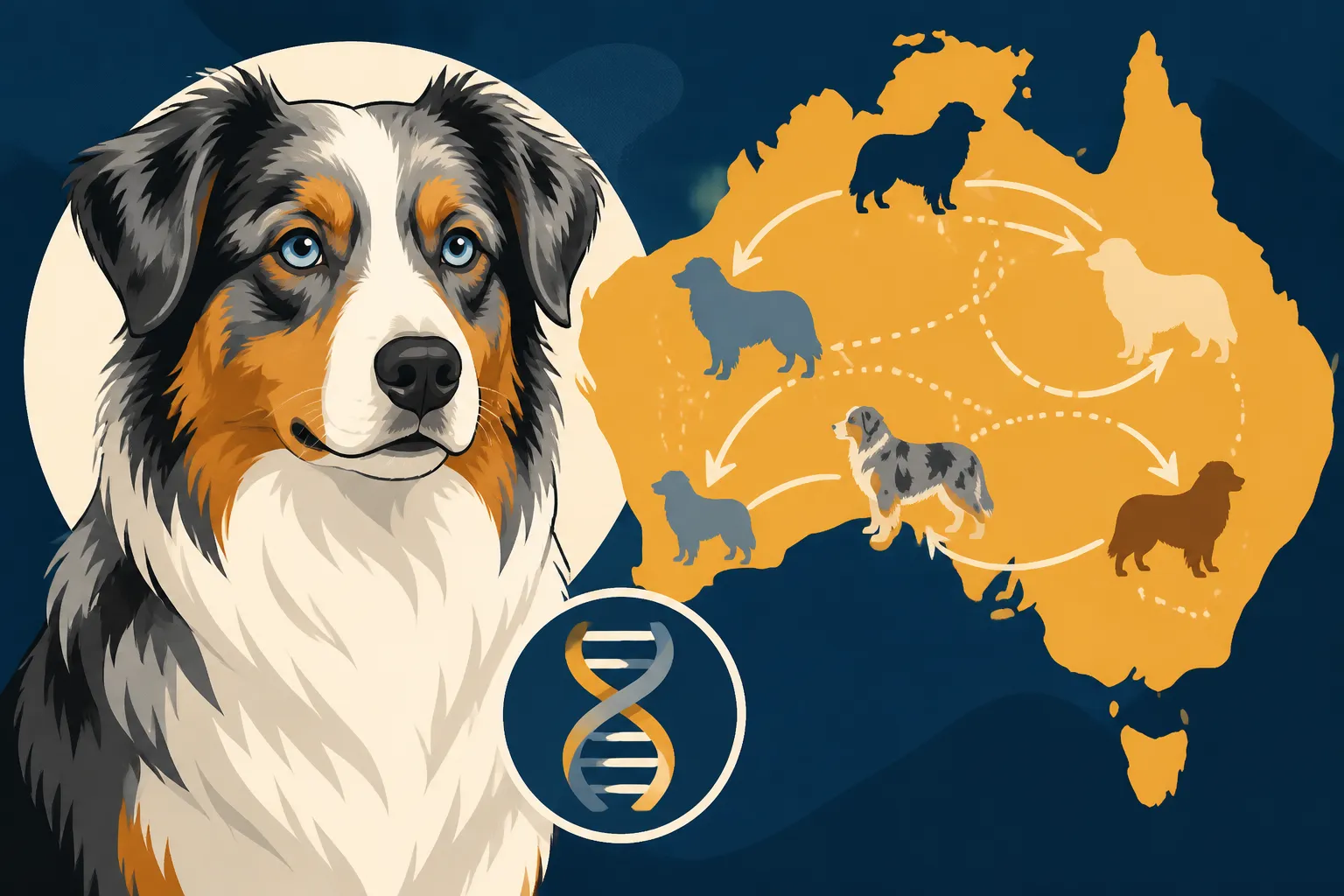
The presence of the MDR1 mutation across several distinct herding breeds strongly suggests a common origin and a fascinating genetic journey through canine history. It wasn't a mutation that popped up independently in different breeds; rather, it traveled through shared bloodlines long before our modern breed distinctions were firmly established.
A Single Origin Point
Scientific research has largely concluded that the MDR1 mutation likely originated in a single dog, many generations ago, probably sometime in the 1800s. This ancestral dog, a common progenitor of many modern herding breeds, would have then passed on this altered gene to its offspring. Because the mutation itself doesn't cause any overt health issues unless the dog is exposed to specific medications, it was able to spread silently through the population for decades, completely undetected by breeders and owners.
Imagine a single sheepdog, exceptional in its working ability or appearance, that happened to carry this mutation. That dog might have been widely bred, passing its desirable traits—and unknowingly, the MDR1 mutation—to many pups. As these pups grew up, they too might have been highly valued and bred, further dispersing the gene. This "founder effect," where a small group of individuals establishes a new population or lineage, can lead to a higher frequency of certain genes, including mutations, in subsequent generations.
Spread Through Popular Sires
One of the most significant accelerators for the MDR1 mutation's spread was the widespread use of popular sires. In the days before comprehensive genetic testing, breeders relied on a dog's physical characteristics, temperament, and working prowess. If a male dog was an outstanding worker, excelled in conformation, or produced excellent offspring, he would naturally be bred extensively, sometimes siring hundreds of puppies over his lifetime across different kennels and regions.
If such a popular sire happened to carry the MDR1 mutation, he would effectively become a super-spreader of the gene. Each of his offspring would have a 50% chance of inheriting his copy of the mutation, even if he himself was only a carrier (meaning he had one normal and one mutated copy). His sons and daughters, in turn, might also become popular breeding dogs, continuing the cycle. This practice, while understandable given the lack of scientific knowledge at the time, inadvertently cemented the MDR1 gene into the genetic fabric of entire breeds. It's a stark reminder of how powerful a single animal's legacy can be, for better or for worse, in shaping the genetic landscape of a breed.
Interbreeding Among Herding Dogs
The origins of many modern herding breeds are not as distinct as we might imagine them today. Historically, dogs were bred for function, not necessarily for a strict breed standard. Working sheepdogs from various regions and lines were often interbred to enhance specific desirable traits, such as herding instinct, intelligence, and stamina. This genetic fluidity among early herding dogs meant that the MDR1 mutation, once it arose, could easily jump between what we now consider separate breeds.
For example, the ancestral lines that contributed to the modern Collie, Shetland Sheepdog, and Australian Shepherd often overlapped. It wasn't uncommon for a dog identified as a "Scotch Collie" or "English Shepherd" to contribute to the developing lines of what would eventually become the Australian Shepherd in the American West. This intermingling of bloodlines provided ample opportunity for the MDR1 gene to be shared across a broad spectrum of the herding dog population. The table below illustrates the approximate prevalence of the MDR1 mutation in some affected breeds, highlighting the shared genetic heritage that facilitated its spread.
| Breed | Approximate MDR1 Prevalence (Affected or Carrier) | Primary Geographic Origin | Ancestral Herding Role |
|---|---|---|---|
| Australian Shepherd | 50% | USA (Western US) | Sheep, Cattle |
| Collie (Rough/Smooth) | 70-75% | Scotland | Sheep |
| Shetland Sheepdog | 15-20% | Scotland | Sheep |
| Longhaired Whippet | 65% | USA | Lure Coursing |
| Miniature American Shepherd | 50% | USA | Sheep, Cattle |
| English Shepherd | 15% | USA | General Farm, Herding |
| German Shepherd Dog | 10% | Germany | Sheep, General Work |
| Old English Sheepdog | 5% | England | Sheep, Cattle |
| White Swiss Shepherd | 10% | Switzerland | Herding |
This table makes it clear that the Australian Shepherd is right up there with the Collie in terms of how frequently the gene appears. The wide variation across breeds, even those with shared ancestry, reflects different breeding practices, population bottlenecks, and selection pressures over time.
Australian Shepherds and the MDR1 Legacy
The Australian Shepherd’s specific journey with the MDR1 gene is a tale of unintended consequences, where excellent working dogs, bred for their utility and intelligence, unknowingly carried and passed on a significant genetic vulnerability.
Unmasking the Mutation in Aussies
For many years, the drug sensitivities associated with MDR1 were predominantly recognized in Collies. It took time and increased awareness for veterinarians and Aussie owners to connect similar adverse drug reactions in Australian Shepherds to the same underlying genetic cause. Often, this discovery happened through heartbreaking experiences: an Aussie suffering a severe reaction to a dose of Ivermectin or a common anesthetic, prompting further investigation.
These incidents, coupled with the rising popularity of the breed, pushed researchers to investigate the Australian Shepherd population more thoroughly. When genetic testing for MDR1 became widely available through institutions like Washington State University's College of Veterinary Medicine, it confirmed what many suspected: the mutation was indeed widespread in Australian Shepherds, affecting roughly half of the breed as either carriers or fully affected individuals. This unmasking was a crucial step, shifting the conversation from anecdotal evidence to concrete genetic facts, allowing owners to take proactive steps to protect their dogs.
The Role of Early Breeding Practices
Before the advent of genetic testing, breeders had no way of knowing if their dogs carried the MDR1 mutation. Their focus was understandably on producing healthy, sound, and talented working or companion dogs. They prioritized traits like strong herding drive, intelligence, conformation, and overall vigor. If a dog possessed these qualities, it would be considered an excellent candidate for breeding.
The irony is that the very success of early breeding programs, which often relied on a relatively small number of highly esteemed individuals to establish and solidify the breed's characteristics, also contributed to the high prevalence of MDR1. If those foundational dogs happened to be carriers or affected, the gene would be efficiently propagated throughout their progeny. Breeders were making decisions based on observable traits and health as they understood it at the time, completely unaware of the silent genetic passenger they were inadvertently transmitting. This lack of knowledge meant that even the most responsible breeders, with the best intentions, could unknowingly perpetuate the spread of the MDR1 gene within Australian Shepherd lines.
Genetic Testing and Modern Breeding
The availability of a reliable genetic test for MDR1 completely revolutionized breeding practices for Australian Shepherds. Suddenly, breeders could make informed decisions, identifying carriers and affected dogs before breeding. This marked a profound shift from breeding based solely on phenotype (what a dog looks like and acts like) to genotyping (understanding a dog's underlying genetic makeup).
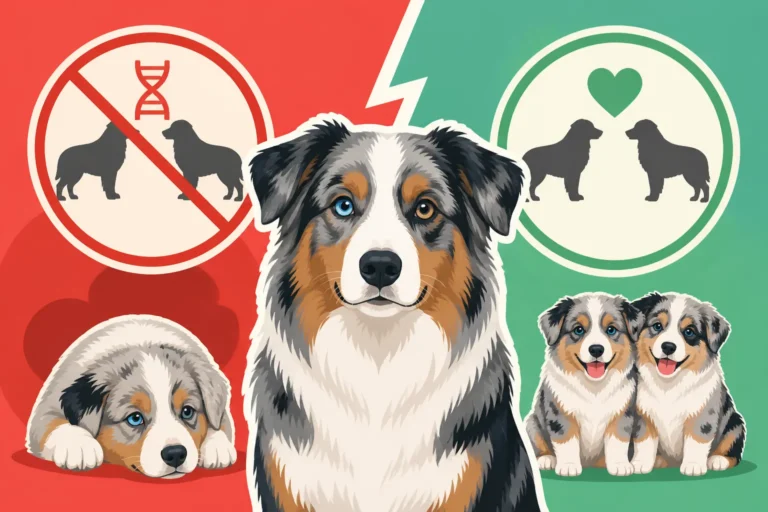
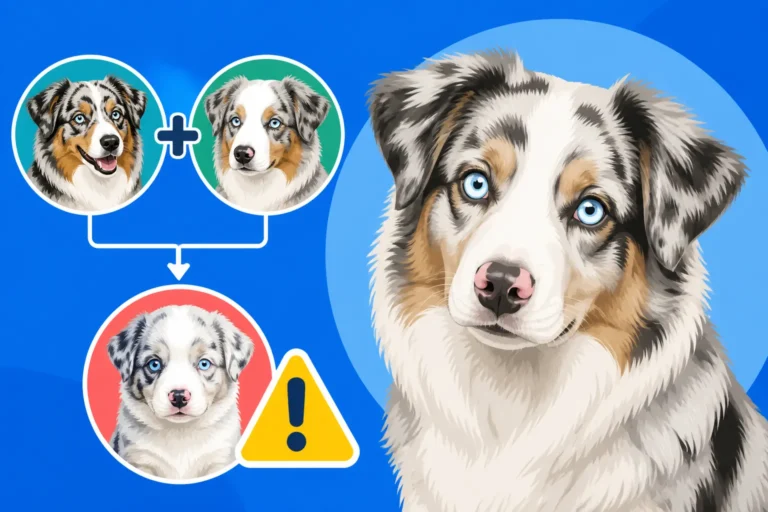
Today, reputable Australian Shepherd breeders routinely test their breeding stock for MDR1, often as part of a broader The Genetic Panel Every Australian Shepherd Needs. This allows them to avoid breeding two affected or two carrier dogs together, which would increase the chances of producing affected puppies. While breeding two carriers together can still result in affected puppies (25% chance per litter), knowing a dog's status empowers breeders to manage their breeding lines responsibly. They might choose to breed a carrier to a clear dog, ensuring no affected puppies are produced, and then test the resulting litter to identify which pups are clear, carriers, or affected. This careful approach helps to reduce the incidence of the mutation while still allowing breeders to utilize valuable genetic lines, preserving diversity. Companies like Paw Print Genetics, Embark, and Optimal Selection offer comprehensive panels that include MDR1 testing, making it accessible for breeders and pet owners alike.
Living with MDR1 and Responsible Breeding
Discovering your Australian Shepherd's MDR1 status is just the first step. The real work lies in how you manage their care and, for breeders, how you contribute to the future health of the breed. It's about being proactive, informed, and diligent.
Identifying Your Aussie's Status
The easiest and most accurate way to know your Australian Shepherd's MDR1 status is through genetic testing. This is typically done with a simple cheek swab that you can collect at home or have your vet do. The sample is then sent to a specialized laboratory for analysis. The results will typically classify your dog into one of three categories:
- MDR1 N/N (Clear): Your dog has two normal copies of the gene and will not be sensitive to MDR1-affecting drugs. They will also not pass the mutation to their offspring.
- MDR1 N/M (Carrier): Your dog has one normal copy and one mutated copy. They may have mild sensitivities to certain drugs at high doses, but typically do not exhibit severe reactions. They will pass the mutation to approximately 50% of their offspring. What a Carrier MDR1 Result Means for an Aussie is a topic many owners grapple with, and it's important to understand the nuances.
- MDR1 M/M (Affected): Your dog has two mutated copies of the gene. They are highly sensitive to MDR1-affecting drugs and are at significant risk of severe, life-threatening reactions if exposed. They will pass the mutation to 100% of their offspring.
Getting this test done early in your dog's life is invaluable. If you're wondering how to get started, a quick search for The Cheek Swab That Tests Australian Shepherd MDR1 will point you to reputable testing kits and labs. Once you have the results, understanding Reading an Aussie MDR1 Result Line by Line will ensure you accurately interpret the findings for your specific dog.
Managing an MDR1 Affected Dog
If your Australian Shepherd is identified as a carrier (N/M) or, especially, as affected (M/M), managing their health requires vigilance and clear communication with your veterinarian. The most important step is to compile a comprehensive list of drugs to avoid or use with extreme caution. This list should be kept handy and shared with every veterinarian, emergency clinic, and even pet sitter who might care for your dog.
Always remind your vet of your dog's MDR1 status before any treatment, medication, or procedure. Some common medications, even those for flea and tick prevention, can contain ingredients that are problematic for MDR1 affected dogs. Luckily, there are many safe alternatives available. Your vet can advise you on appropriate alternatives for everything from parasite control to pain management or surgical anesthesia. For instance, Why Heartworm Doses Are Still Safe for an MDR1 Aussie explains how certain dosages are managed. It's not just about avoiding drugs; it's about making informed choices to protect your dog. Knowing Telling Your Vet an Australian Shepherd Is MDR1 Positive effectively is a crucial communication skill for every Aussie owner. Furthermore, it's wise to carry specific Emergency Vet Instructions for an MDR1 Australian Shepherd in case of unforeseen circumstances.
Responsible Breeding in the Face of MDR1
For breeders, navigating the MDR1 mutation responsibly is a balance between eliminating a genetic defect and preserving the overall genetic diversity of the breed. The goal isn't necessarily to eradicate all carriers immediately, as doing so could severely limit the gene pool and potentially lead to other genetic problems. Instead, the focus is on preventing the birth of affected (M/M) puppies.
This means that carrier (N/M) dogs can still be part of a responsible breeding program, but they must always be bred to a clear (N/N) mate. This pairing will ensure that no puppies in the litter are affected (M/M), though approximately half will be carriers (N/M). These carrier offspring would then need to be tested themselves before being considered for future breeding. Understanding Whether an MDR1 Australian Shepherd Should Be Bred requires careful thought and a commitment to genetic health. Breeders should openly share MDR1 test results with prospective puppy buyers, educating them on the importance of this mutation and how to manage it. This transparent approach helps ensure that future generations of Australian Shepherds are not only beautiful and intelligent but also live long, healthy lives free from preventable drug reactions.
Disclaimer
The information provided in this article is for general informational purposes only and does not constitute veterinary advice. Always consult with a qualified veterinarian for any health concerns or before making any decisions about your pet's medical care.