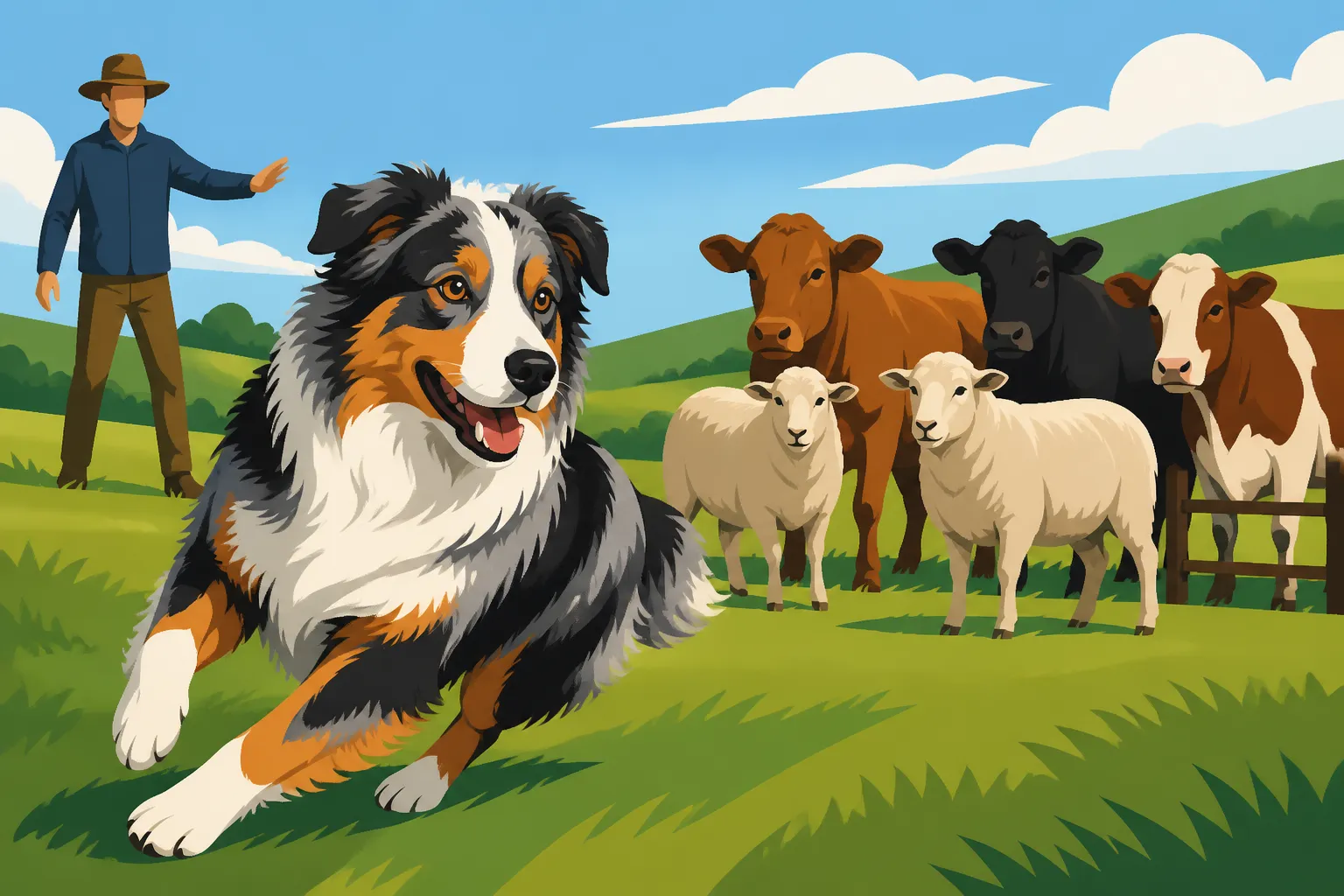
Australian Shepherd Recall Around Livestock
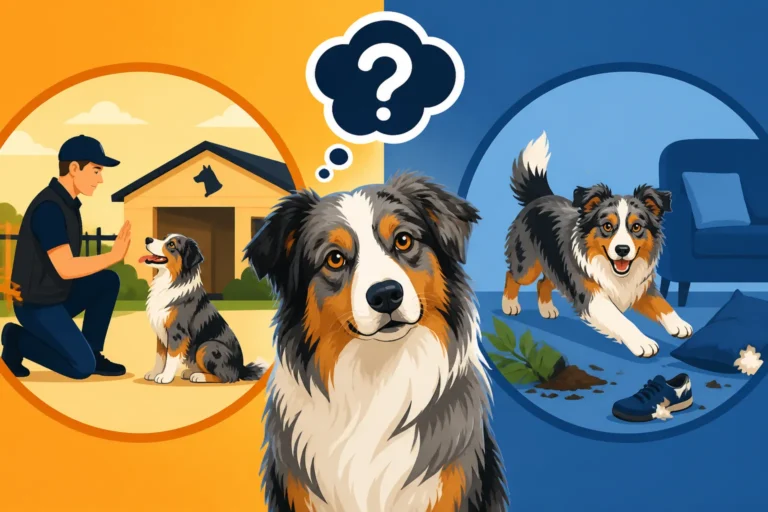
There are few things more frustrating, and frankly, terrifying, for an Australian Shepherd owner than watching their beloved dog's impeccable recall completely fall apart the second a herd of sheep, a flock of chickens, or even a lone cow appears on the horizon. It’s like their ears suddenly stop working, and all those hours of training vanish into thin air, leaving you yelling into the wind while your Aussie enthusiastically attempts to "organize" someone else's livelihood. This guide is here to walk you through understanding why this happens, and more importantly, how to build a recall strong enough to bring your Australian Shepherd back, even when their deepest instincts are screaming to do the exact opposite.
Understanding the Australian Shepherd's Herding Instinct Around Livestock
When we talk about an Australian Shepherd's recall around livestock, we're not just discussing a simple distraction. We're delving into the very DNA of the breed. These dogs were bred for centuries to work, to manage, and to move animals. It's not just a desire; it's a profound, ingrained drive that can override almost everything else.
The Deep-Seated Drive to Control Movement
Imagine having a job you were born to do, a calling that resonates with every fiber of your being. For an Australian Shepherd, that job is often herding. Their eyes are designed to spot movement, their bodies are built for quick pivots and bursts of speed, and their minds are wired to categorize, predict, and influence the direction of livestock. This isn't just about chasing; it's about control, a deep-seated desire to bring order to chaos, from their perspective. When they see a group of animals, especially if those animals are moving, an almost irresistible switch flips.
This instinct means that "herding" isn't just an activity; it's often the operating system of an Australian Shepherd. Even if your Aussie has never set paw near a sheep in their life, the sight of geese in a park, children playing, or even a distant deer can trigger that primal urge. When it comes to actual livestock – the very animals their ancestors worked – this drive is magnified tenfold. It’s not disobedience; it’s instinct. Many owners wonder Why Herding Instinct Is the Aussie Operating System and how it manifests in modern life. It's crucial to understand that while you can manage and redirect this drive, you can never truly "train it out."
Why "Come" Can Fail Near Temptation
You’ve practiced "come" a thousand times in the backyard, at the park, even on busy sidewalks. Your Aussie is a rock star. Then you take them near a field with horses, and suddenly, they're deaf. This isn't because they're being stubborn or spiteful. It’s because the perceived reward of engaging with the livestock utterly outweighs any treat you might have in your pocket, or any praise you can offer. Their brain is flooded with dopamine from the thrill of the chase, the mental puzzle of the flock, and the sheer satisfaction of fulfilling their genetic destiny.
Think of it like this: you’re trying to call a child in from an amusement park ride with a piece of broccoli. It’s just not going to work. For an Australian Shepherd, livestock can be the ultimate amusement park. The sounds, the smells, the erratic movements – it all creates an incredibly compelling sensory experience that takes precedence over your voice. Your voice, while important, often gets lost in the neural fireworks happening inside their head. Understanding this immense pull is the first step towards developing strategies that truly work. This strong drive is one of the key reasons Why Aussies Land in Rescue at Eighteen Months if owners aren't prepared for it.
Foundations of a Reliable Recall: Beyond the Barn Door
Before you even think about introducing your Australian Shepherd to a field full of tempting livestock, you absolutely must have a rock-solid recall in every other environment. This isn't just a suggestion; it's a non-negotiable safety requirement for both your dog and any animals they might encounter.
Building a Bulletproof General Recall First
A reliable recall is built on trust, consistency, and incredibly high rewards. Start in a controlled, distraction-free environment, like your living room or a securely fenced yard. Use a unique, exciting recall word or sound – something you only use for recall, not for everyday commands. When your Aussie comes, make it the best thing that ever happened to them: a party of praise, a jackpot of their absolute favorite treats (we’re talking cooked chicken or cheese, not just kibble!), and maybe a quick game of tug. The goal is for them to associate coming back to you with immense joy and reward.
As they get better, gradually introduce mild distractions in safe, enclosed spaces. A long line is your best friend here, especially when you start working in open areas or places with more stimuli. You can find excellent quality long lines of various lengths, often 30 feet or more, on platforms like Amazon. These lines allow your dog freedom to explore while giving you the ultimate safety net and control if they get distracted. Never, ever, practice recall in an unfenced area if you suspect they might ignore you, especially early on. It's critical for them to never learn that ignoring your recall command has a positive outcome. They need to understand that "come" means something wonderful and immediate.
Gradual Introduction to Distractions
Once your Aussie's recall is superb in low-distraction settings, it's time to slowly dial up the challenge. But don't jump straight to a sheep farm! Start with people walking by, other dogs playing in the distance, or maybe a busy park path. The key is to work under threshold – meaning you introduce just enough distraction for them to notice, but not so much that they're overwhelmed and fail. If they ignore you, you’ve asked for too much too soon. Reel them in gently with the long line, reset, and try again with less distraction.
Practice makes perfect, but successful practice makes perfect. Each successful recall builds the positive association. Use varying distances, times of day, and types of distractions. The more places you successfully practice, the more generalized and reliable their recall will become. This phased approach teaches your Australian Shepherd that "come" is always the right answer, regardless of what else is going on. Remember, you want to be more interesting than the environment, even if that environment has a squirrel. Teaching an Australian Shepherd Recall Off a Squirrel is a great stepping stone before livestock.
Specific Strategies for Livestock Recall
Now we get to the heart of the matter: how to manage that intense herding instinct when actual livestock is present. This stage requires immense patience, management, and a deep understanding of your dog's drives.
Controlled Exposure and Management
The first rule of recall around livestock is: prevention is better than cure. Never give your Australian Shepherd the opportunity to self-reward by chasing or intensely staring at livestock if you cannot guarantee their recall. This means rigorous management. Start with highly controlled exposure. This might mean having them on a leash, or a long line, behind a fence, watching the livestock from a distance where they can remain calm. Your goal here isn't to call them away, but to reward them for simply existing calmly in the presence of the animals. This is about building a foundation of neutrality, not excitement.
Use a sturdy, well-fitting harness and a strong leash. If you're using a long line, ensure it's robust and that you're wearing gloves to prevent rope burn. Let them observe, and as soon as they offer even a moment of calm, looking away from the animals, or checking in with you, reward heavily. The moment they fixate or start to show intense interest, gently move them further away or create a visual barrier. Long Line Length for an Australian Shepherd can vary depending on the space, but ensure it's long enough to give them some freedom but short enough for you to maintain control. This phase is about teaching them that livestock are part of the scenery, not an invitation to work.
High-Value Reinforcement and Interrupting the Stare
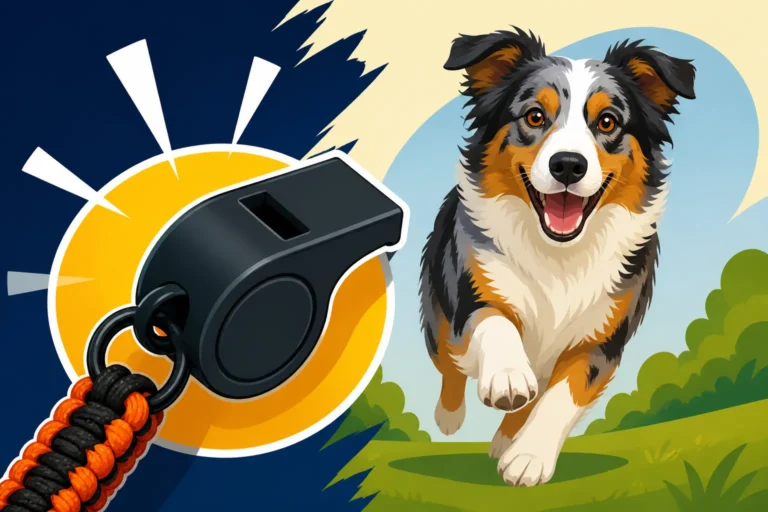
When you do try recall around livestock, your rewards need to be absolutely irresistible. Forget plain kibble. Think boiled chicken, bits of hot dog, or cheese that your Aussie goes wild for. The reward must be more enticing than the self-reward of chasing. You also need a way to break their intense focus, known as "the stare." This might be a sharp, clear whistle, a specific high-pitched verbal cue they associate only with recall, or even a gentle physical touch if they're close enough. The timing is critical: interrupt the stare before they fully engage in herding behavior.
Many owners find immense benefit in structured online training programs that understand the unique challenges of herding breeds. Companies like BAXTER & Bella offer comprehensive online puppy and dog training programs that can provide step-by-step guidance on building recall, impulse control, and managing high-drive behaviors, all from the comfort of your home. These programs often break down complex behaviors into manageable steps, which is invaluable when dealing with something as ingrained as herding instinct. The goal is to create a pattern where, the moment they hear your recall cue, they immediately turn to you for that incredible reward. This builds a positive conditioned emotional response that can compete with the excitement of livestock.
Desensitization and Counter-Conditioning
This is where you proactively change your Australian Shepherd's emotional response to livestock. Instead of livestock triggering an urge to chase, you want it to trigger a feeling of "oh, that means good things are coming from my human!" This involves pairing the sight of livestock with positive experiences, carefully and incrementally. For example, if you see sheep from a distance, immediately start feeding a continuous stream of high-value treats. The sheep appear, treats appear. The sheep disappear, treats stop.
Over time, this helps to reframe the presence of livestock from a high-arousal trigger to a cue for calm, focused attention on you. This process takes a long time and must be done at your dog’s pace. If they become over-aroused, you’ve gone too far, too fast. Retreat to a greater distance and try again. For some Australian Shepherds, especially those with very strong instincts, this might mean that they can eventually walk calmly past livestock on a leash, but off-leash recall might remain a dream best left unpursued for safety reasons. Knowing The Recall Word That Stops an Aussie Mid-Chase is crucial here.
When Professional Help is Necessary
There are times when even the most dedicated owner, armed with the best intentions and techniques, reaches a point where the herding drive around livestock is simply too powerful to manage alone. And that's perfectly okay.
Recognizing When You've Reached Your Limit
If you’ve been consistently working on recall, management, and desensitization, and your Australian Shepherd still loses all connection with you the moment livestock appears, or if their behaviors are escalating (nipping, barking incessantly, ignoring physical redirection), it’s a clear sign you need professional intervention. Safety is paramount. An uncontrolled Australian Shepherd can injure livestock, and in turn, put themselves in danger from defensive animals or angry owners. If you constantly feel anxious taking your dog near any kind of farm animal, or if your walks are stressful due to the constant vigilance required, it’s time to call in a specialist.
Another indicator is if your Aussie exhibits extreme frustration when prevented from engaging with livestock. This could manifest as excessive whining, destructive behavior, or redirected aggression. These are all signs that the drive is causing genuine distress, and a professional can help you find appropriate outlets or management strategies. Understanding your limitations is not a failure; it’s responsible pet ownership.
Finding a Qualified Herding or Behavior Trainer
Finding the right professional is key. Look for trainers who specialize in herding breeds or who have extensive experience with high-drive dogs and livestock. A general obedience trainer might not have the nuanced understanding of herding instincts necessary for this specific challenge. Ask about their philosophy – they should emphasize positive reinforcement, management, and understanding breed-specific behaviors, rather than relying on punishment. Look for trainers certified by reputable organizations.
A good trainer will likely start with an assessment to understand the specific intensity of your Aussie's drive and suggest a tailored training plan. This might involve specific exercises to build impulse control, structured exposure to various types of livestock in controlled settings, or even teaching appropriate outlets for their herding instinct, like Starting an Australian Shepherd in Herding with real sheep, under strict guidance. Sometimes, providing a sanctioned, controlled outlet for their drive can actually improve their general obedience and recall in other situations, as their primal needs are being met in a safe, productive way. They might also suggest other Australian Shepherd Sports From Herding to Agility to channel that energy.
Comparing General Recall vs. Livestock Recall Strategies
| Feature | General Recall Strategy | Livestock Recall Strategy |
|---|---|---|
| Primary Goal | Immediate return in varied environments. | Immediate return despite intense, instinctual distraction. |
| Starting Point | Low-distraction environments (home, fenced yard). | Extremely controlled, distant exposure to livestock (behind fences). |
| Reward Value | High-value treats, praise, play. | Extremely high-value, novel treats (e.g., cooked meat, cheese). |
| Cue Effectiveness | Consistent verbal cue, hand signal. | Unique, piercing whistle or specific verbal cue to cut through focus. |
| Management Tools | Leash, long line for practice. | Long line, secure fencing, physical barriers, crate/car confinement. |
| Distraction Level | Gradually increasing distractions (people, dogs, smells). | Incremental, highly controlled exposure to stationary then moving livestock. |
| Focus Shift | From environment to handler. | From primal herding instinct to handler. |
| Time Investment | Significant, ongoing practice. | Extensive, likely requiring months or years of dedicated effort. |
| Professional Help | Useful for troubleshooting. | Often essential for safety and success with strong drives. |
Ultimately, teaching an Australian Shepherd reliable recall around livestock is one of the most challenging but rewarding aspects of owning such a brilliant, driven breed. It demands patience, understanding, and a willingness to meet your dog's instincts with intelligent training and management. With the right approach and, if needed, the guidance of a professional, you can ensure your Aussie's safety and peace of mind for everyone involved.
Disclaimer
This article is for general informational purposes only and does not constitute professional advice. Laws, prices and regulations vary by location and change over time. Consult a qualified professional for guidance on your specific situation.