Hours Alone Before an Aussie Finds a Job
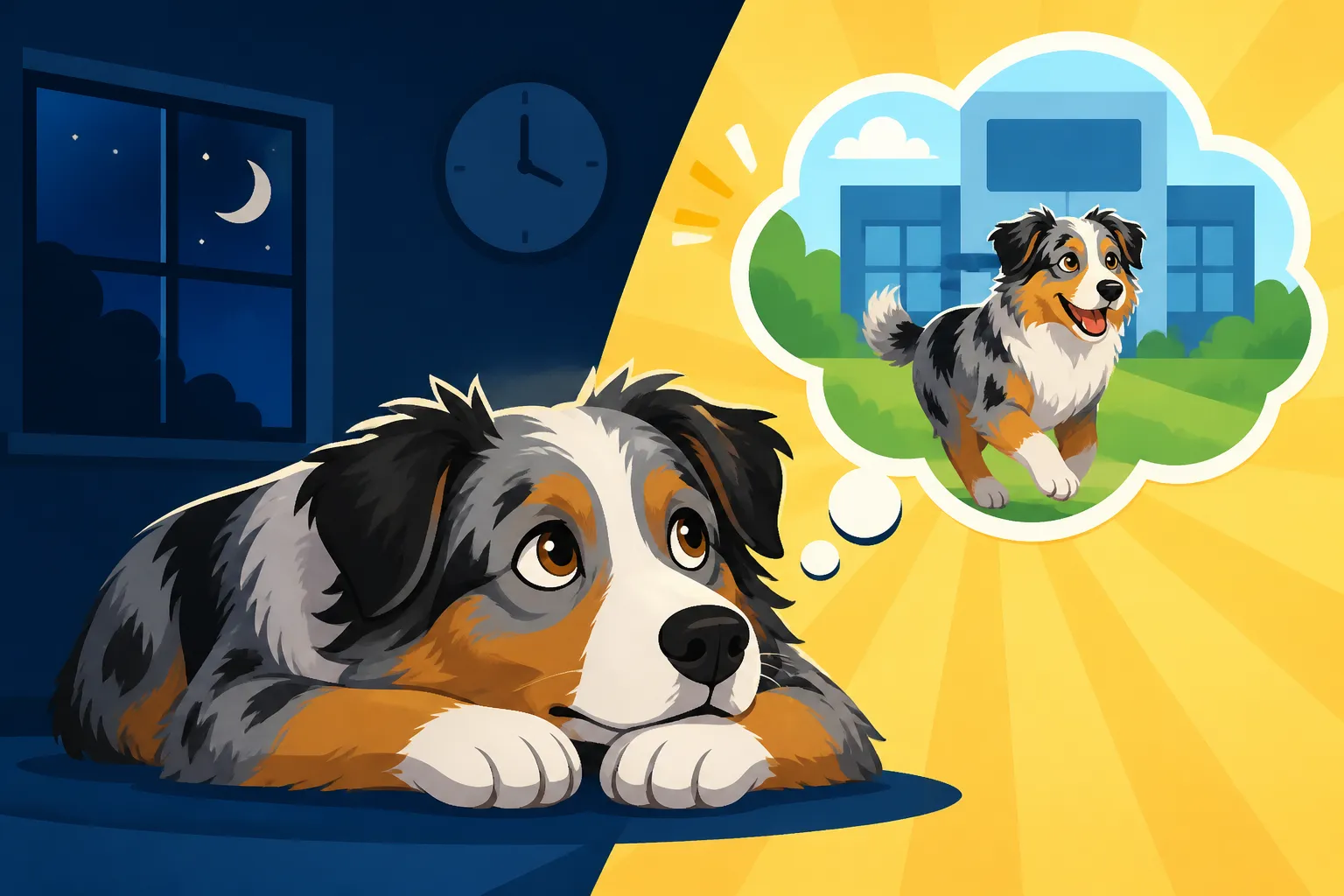
It's a familiar scenario for many Australian Shepherd owners: you leave for work, imagining your sweet, fluffy companion curled up peacefully, dreaming of sheep. You come home hours later, and instead, you're greeted by a scene that suggests a small, furry demolition crew has been at work. Chewed baseboards, shredded couch cushions, a "redecorated" yard, or a frantic dog whose energy has reached a fever pitch – these are the unmistakable signs that your Aussie has been left alone too long and has found a "job" for themselves. This guide is all about understanding why your intelligent Aussie struggles with solitude and what practical steps you can take to prevent them from turning your home into their personal construction site.
Understanding the Aussie's Need for "Work"
Australian Shepherds are not like some other breeds that are content to snooze the day away. They were bred for intense, engaging work, often alongside a human partner for hours on end. This isn't just a quirk; it's deeply ingrained in their DNA, and it means their brains are hardwired to be active, problem-solving, and in constant motion. When this inherent drive isn't met, especially during periods of solitude, it often manifests in ways we owners find frustrating.
The Herding Instinct: What it Means for Solitude
Imagine being designed to manage and direct a flock of sheep, to constantly observe, anticipate, and react, and then being told to just… do nothing. That's often what it feels like for an Australian Shepherd left without a purpose. Their herding instinct isn't just about actual sheep; it’s about control, movement, and having a job to do. Without a flock (or even your family members) to "manage," that energy and mental drive has to go somewhere.
When left alone, this can translate into an Aussie attempting to "herd" your furniture, your rugs, or even unseen dust bunnies. They might pace endlessly, fixating on sounds outside, or trying to organize the contents of your trash can. It's not malicious; it's simply their brain trying to find an outlet for that powerful, innate desire to work and control their environment. This is why understanding Why Herding Instinct Is the Aussie Operating System is so crucial; it sheds light on almost all of their behaviors, including those that crop up when they’re alone.
The Intelligence Trap: Smart Dogs Get Bored Faster
Australian Shepherds are incredibly intelligent dogs, which is both a blessing and a curse. They are quick learners, excellent problem-solvers, and thrive on mental challenges. However, this high intelligence means they get bored much faster than many other breeds. A bored Aussie isn't just a little restless; a bored Aussie is a dog actively seeking entertainment, and often, that entertainment doesn't align with human notions of "good behavior."
A smart dog can quickly figure out how to open cabinets, dismantle toys, or even unlatch doors if they are under-stimulated and left to their own devices. They need their minds engaged, not just their bodies tired. Without a challenging puzzle to solve or a task to complete, their clever brains will invent their own tasks, which might include excavating the sofa stuffing or re-landscaping your houseplants. It's not about being "naughty"; it's about an unfulfilled need for intellectual engagement.
How Long Is Too Long? Realistic Expectations
The "how long can I leave my dog alone" question is one of the most common and difficult to answer precisely, because every Aussie is an individual. However, there are general guidelines and critical factors to consider, especially concerning their age and the preparation you put in before you walk out the door.
Puppy Limitations: A Full Bladder, a Busy Mind
Leaving an Australian Shepherd puppy alone is a completely different ballgame than leaving an adult. Young puppies have tiny bladders and cannot hold it for more than a couple of hours, at most. Expecting them to, especially in their early months, is setting them up for failure and can seriously hinder house training efforts.
Beyond bladder control, puppies are in a crucial developmental stage where they need frequent interaction, socialization, and consistent training. Being left alone for long periods can lead to separation anxiety, destructive chewing (they're teething, after all!), and a general lack of confidence. During those early months, aim for no more than 1-2 hours of alone time, gradually increasing it as they mature and demonstrate solid bladder control and comfort with solitude. Crate training can be a lifesaver here, providing a safe den, but even a crated puppy can only hold it for so long. For help with the basics, consider resources like House Training an Aussie Puppy in Six Weeks.
Adult Aussie Tolerance: The Ticking Clock
For a well-adjusted, properly exercised, and mentally stimulated adult Australian Shepherd, you might be able to stretch alone time to 4-6 hours. This isn't a hard and fast rule, and it depends heavily on your dog's individual temperament, training, and the quality of their exercise before you leave. However, anything consistently beyond 6-8 hours a day is pushing the limits for most Aussies and will likely lead to problems.
It’s crucial to understand that "tired" doesn't just mean physically exhausted. An Australian Shepherd needs mental stimulation just as much, if not more, than physical exercise. A long run is great, but if their brain isn't engaged, they'll still be looking for a "job" within a few hours. Think about the quality of their exercise: a sniffy walk, a training session, or some Scent Games That Tire an Australian Shepherd can be far more tiring for their minds than endless rounds of fetch. Many owners find that even Why Two Hours of Running Never Settles an Aussie is a harsh reality they face.
Here's a general table of maximum recommended alone times, assuming proper pre-departure exercise and enrichment:
| Age of Australian Shepherd | Maximum Recommended Alone Time (Assuming Pre-Departure Prep) | Notes |
|---|---|---|
| 8-10 Weeks | 1-2 hours | Very short bladder control; critical socialization needs. |
| 10-16 Weeks | 2-3 hours | Bladder control improving; continued high need for interaction. |
| 4-6 Months | 3-4 hours | Bladder control better; still prone to teething destruction. |
| 6-12 Months | 4-5 hours | Adolescent phase; can be prone to testing boundaries and anxiety. |
| 1-7 Years (Adult) | 4-6 hours | Varies greatly by individual; maximum 8 hours in emergencies. |
| 8+ Years (Senior) | 4-6 hours | May have reduced bladder control; can become more anxious or disoriented. |
Remember, these are maximums. Striving for shorter, more broken-up periods of solitude is always better for an Aussie.
Signs Your Aussie Is "Finding a Job"
Your Australian Shepherd isn't going to send you an email detailing their dissatisfaction. Instead, they communicate through their behavior. Recognizing these signs early is key to addressing the underlying issue before it becomes a deeply ingrained habit.
Destructive Chewing and Digging
This is probably the most common and often infuriating sign that your Aussie is bored, anxious, or both. When left alone, they might target furniture legs, remote controls, shoes, or even rip up carpet or flooring. It's not just "being naughty"; it's often a coping mechanism. Chewing is a self-soothing behavior that releases endorphins, and for a high-drive Aussie, it's also a way to engage their jaws and minds.
You might come home to find cushions completely disemboweled, a section of the wall gnawed down to the drywall, or perhaps they've "gardened" your potted plants all over the living room floor. In the yard, excessive digging can be another sign of boredom or pent-up energy, as they create their own excavation projects. The issue isn't that they like to destroy things; it's that the act of destroying provides the stimulation their unengaged minds crave. Ensuring they have appropriate Chew Toys That Last With an Australian Shepherd is vital, but even the toughest toy won't cut it if the underlying need isn't met.
Excessive Barking and Howling
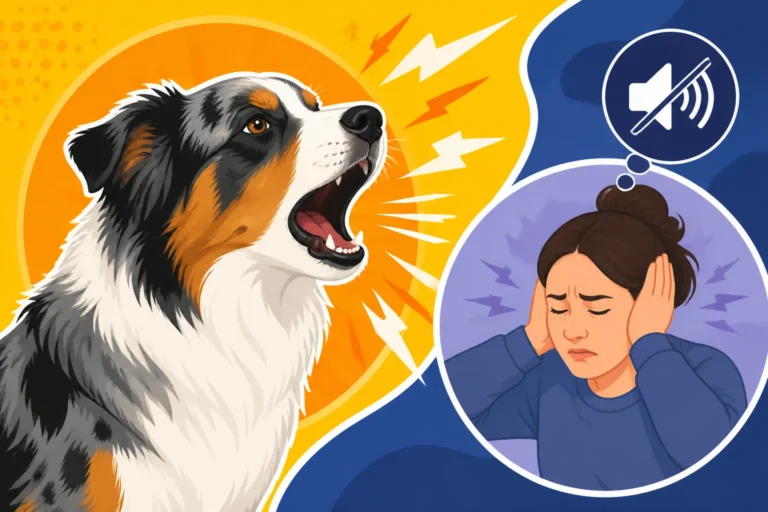
Another common complaint from neighbors, and a clear indicator of distress or boredom, is incessant barking or howling. Australian Shepherds are naturally alert dogs, and they will bark to warn you of perceived threats or new arrivals. However, if your dog is barking non-stop when you're gone, it's usually a sign of boredom, frustration, or separation anxiety.
This isn't just "alert barking." It can be a monotonous, repetitive bark at every leaf blowing past the window, a desperate howl for attention, or a series of frustrated barks at the perceived injustice of being left alone. This can be incredibly disruptive to neighbors and indicates a high level of stress or unmet needs in your Aussie. If you suspect your Aussie is Australian Shepherd Barking at Movement constantly when alone, it's time to re-evaluate their routine.
Potty Accidents and Anxiety
While potty accidents can sometimes be a sign of a medical issue or simply a puppy with a small bladder, frequent accidents from an otherwise house-trained adult Australian Shepherd when left alone often point to stress, anxiety, or insufficient potty breaks. An anxious dog might lose control, or they might even "mark" indoors as a response to feeling insecure in their environment.
These aren't "spite" accidents; your dog isn't trying to punish you. Instead, it's a physiological response to stress or a lack of appropriate opportunities. If you're coming home to puddles or piles despite having a house-trained adult dog, consider whether they are being left for too long, experiencing anxiety, or not getting a thorough enough potty break before you leave. Sometimes, especially with male Aussies, A Male Australian Shepherd Marking Indoors can also be a sign of stress or a perceived lack of security when alone.
Proactive Strategies for Managing Alone Time
The good news is that you don't have to quit your job to keep your Australian Shepherd happy! There are many strategies you can implement to make alone time more manageable and less stressful for both of you. The key is preparation and providing appropriate outlets for their inherent drives.
Structured Enrichment Before You Leave
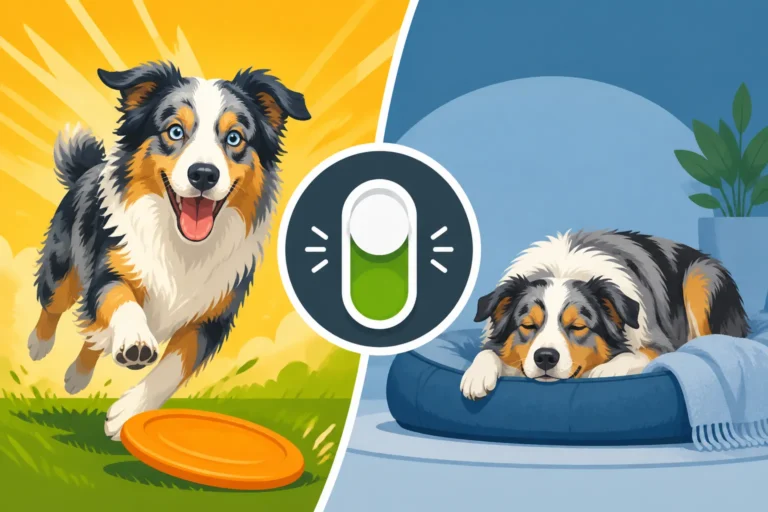
The quality of your Aussie's engagement before you leave sets the stage for how they handle solitude. A quick potty break and a scoop of kibble just isn't enough. You need to engage both their mind and body in a meaningful way. This could mean a vigorous game of fetch, followed by a 15-minute training session where they work on obedience commands or learn new tricks. This combination of physical exertion and mental effort helps drain that excess energy and gives their brain something productive to do.
Think about a morning routine that includes a long, sniffy walk where they get to explore their environment and use their noses, which is incredibly tiring for dogs. Or perhaps a session with a flirt pole, working on impulse control, followed by a puzzle toy for breakfast. The goal is to send them into their "alone time" feeling physically tired, mentally satisfied, and ready for a good, long nap. Skipping this crucial step is often the root cause of destructive behavior. Don't underestimate the power of Mental Work That Actually Tires an Australian Shepherd.
Tools and Toys for Solo Entertainment
Once you've done your part with pre-departure enrichment, you can set your Aussie up for success with a range of tools and toys designed to keep them busy and happy while you're gone. These are not substitutes for your interaction, but crucial aids for managing boredom.
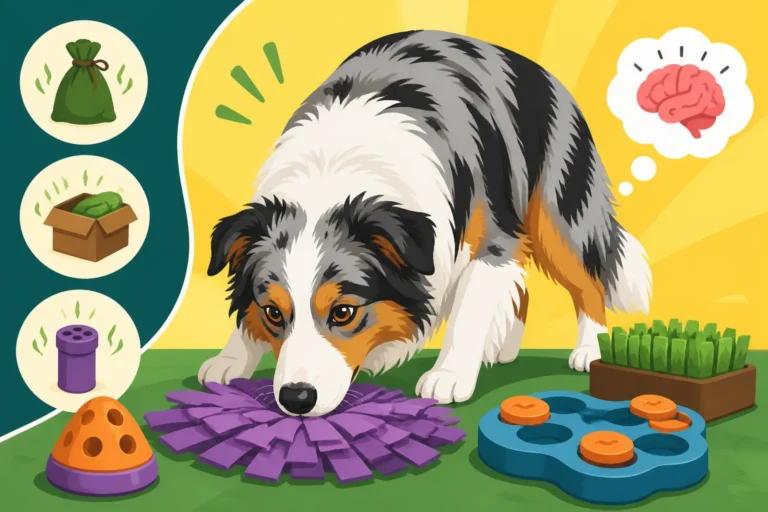
- Puzzle Feeders and Dispensing Toys: These are gold for Australian Shepherds. Fill a Kong with peanut butter and freeze it, or use a treat-dispensing ball. There are many options available on Amazon that challenge their minds and make them work for their food, turning mealtime into a mental exercise. This can keep them engaged for a significant period. Don't forget to check out articles like Puzzle Feeders That Slow an Australian Shepherd for ideas.
- Durable Chew Toys: Invest in high-quality, durable chew toys that can withstand an Aussie's powerful jaws. Rotate them regularly to keep things interesting. Make sure they are safe for unsupervised chewing.
- Scent Games: Hide treats around a safe, confined area of the house (e.g., a crate or a puppy-proofed room) before you leave. Your Aussie will spend time sniffing them out, engaging their natural instincts.
- Calming Aids: For some dogs with mild anxiety, a dog-safe essential oil diffuser, a calming pheromone collar, or even classical music designed for dogs can help create a more relaxed environment.
When selecting toys, always prioritize safety. Avoid anything that could be easily swallowed or broken into sharp pieces.
Breaking Up Long Stretches Alone
Let's be realistic: a typical 8-9 hour workday is a long stretch for most Australian Shepherds. If you truly need to be away for that long, consider ways to break up their solitude.
- Dog Walkers: Hiring a professional dog walker to come mid-day can be a game-changer. They can provide a potty break, a quick walk, and some much-needed human interaction, effectively splitting their alone time into two more manageable chunks.
- Doggy Daycare: For Aussies who are social and enjoy the company of other dogs, a few days a week at a quality doggy daycare can be an excellent solution. They'll get supervised play, exercise, and mental stimulation, coming home happily exhausted. Just be sure to vet the daycare carefully, as some are better equipped to handle high-energy breeds than others. Finding Daycares That Can Tire an Aussie Out is key.
- Family/Friend Check-ins: If you have a trusted family member or friend who can pop in for a visit, a potty break, and some playtime, that can also significantly alleviate your Aussie's boredom and loneliness.
- Pet Cameras: These devices, often available on Amazon, allow you to check in on your Aussie remotely, sometimes even dispensing treats or letting you speak to them. While not a replacement for human interaction, they can offer peace of mind and help you observe your dog's behavior while you're away to identify patterns of stress or boredom.
- Online Training Resources: If you're struggling with separation-related behaviors, an online training program like those offered by BAXTER & Bella can provide structured guidance to build your Aussie's confidence and independence, making alone time less stressful for them.
By combining thorough pre-departure enrichment with appropriate tools and strategies to break up long periods of solitude, you can help your Australian Shepherd navigate their alone time much more successfully and keep your home (and sanity!) intact.
Disclaimer
This article is for general informational purposes only and does not constitute professional advice. Laws, prices and regulations vary by location and change over time. Consult a qualified professional for guidance on your specific situation.