Australian Shepherd Barking at Movement
Oh, the joys of living with an Australian Shepherd! If you're reading this, chances are you've experienced the distinct, often ear-splitting, phenomenon of your beloved Aussie erupting into barks at anything that dares to move. Whether it's the mail carrier, a squirrel, a passing car, or even just another family member walking across the room, this guide is here to unravel the mystery of why your Australian Shepherd barks at movement and, more importantly, equip you with realistic, empathetic strategies to manage this deeply ingrained behavior.
Understanding the "Why" Behind the Bark
It’s easy to get frustrated when your Australian Shepherd starts barking, lunging, or herding at anything that moves. You might feel like they’re being “bad” or disobedient, but in reality, much of this behavior stems from their very core being. These aren't just random acts; they are deeply rooted in their history and genetics. Understanding this "why" is the first step toward effective management and building a stronger bond with your movement-sensitive companion.
The Deep-Seated Herding Instinct
Australian Shepherds were bred for generations to work livestock. Their job was to gather, control, and move animals, often over vast distances and varied terrain. This isn't just a learned skill; it’s an instinct, a powerful drive that is hardwired into their DNA. When they see something move—a person, a bicycle, a ball, another dog—their brain often interprets it as a "flock" that needs to be controlled. The barking, chasing, and nipping are all part of this ancient behavioral repertoire. They're not trying to be annoying; they're literally trying to do the job they were created for, even if that job is now applied to your child on a scooter or the neighbor walking their poodle.
This herding drive is so intrinsic that you truly cannot train it out. What you can do, however, is channel it. Think about it: a dog that needs to move stubborn sheep needs confidence, quick reflexes, and a voice. That voice is their bark. So, when your Aussie barks at the UPS truck, it's their way of saying, "Hey, that thing is moving! I need to gather it! I need to tell it where to go!" It's a powerful instinct, and sometimes, the sheer intensity of it can be overwhelming for both dog and owner. The Australian Shepherd Herding Drive You Cannot Train Out really dives into this foundational aspect of the breed.
Alert and Guarding Tendencies
Beyond herding, Australian Shepherds also possess natural alert and guarding tendencies. While they might not be true "guard dogs" in the traditional sense, they are observant and often take their role as family protectors seriously. This means they are quick to notice changes in their environment, especially movement, and can be vocal about it. A new person walking by, a car pulling into the driveway, or even a leaf blowing across the yard can trigger an alert bark. They want to make you aware of potential threats or changes.
This isn't necessarily aggressive behavior, but rather a warning system. They're letting you know, and sometimes letting the "intruder" know, that they're on duty. This can be particularly pronounced in their home territory. You might find your Aussie patrolling the fence line, barking at passersby, or reacting strongly to anyone approaching your front door. It’s part of their innate drive to keep their flock – which is your family and home – safe. This instinct often combines with their herding drive, creating a complex cocktail of behaviors that can be challenging to manage. They see movement, and they feel compelled to both herd it and alert you to its presence.
Frustration, Excitement, and Overstimulation
Sometimes, the barking isn't purely about herding or guarding; it's a symptom of underlying frustration, excitement, or overstimulation. Imagine an Aussie seeing a dog walk by the window, but they can't go interact. That can build intense frustration, which often manifests as barking. Similarly, some Aussies get so incredibly excited by certain movements – like a ball being thrown or a game of chase starting – that they express this high energy through frantic barking. This is often seen when their energy levels are high and they haven't had adequate physical or mental outlets.
An Australian Shepherd's keen senses and high intelligence mean they are constantly processing a huge amount of environmental information. Too much noise, too much movement, too many new sights can lead to sensory overload. When they become overstimulated, their coping mechanism can be to bark, lunge, or become reactive. This isn't always aggression; it's often a dog saying, "I can't handle all this input right now!" It's a common issue, and understanding Australian Shepherd Reactivity and Overarousal can help you recognize these signs before they escalate into full-blown barking fits.
Common Triggers for Movement-Related Barking
Understanding why your Australian Shepherd barks is crucial, but equally important is identifying what specifically triggers these outbursts. Aussies are incredibly observant, and their "triggers" can be surprisingly varied and specific. Pinpointing these common scenarios will help you develop targeted strategies for managing the barking and guiding your dog towards calmer reactions.
People, Animals, and Vehicles Outside the Window
This is arguably one of the most common scenarios for Australian Shepherd barking. Your home often has large windows that offer a perfect view of the "outside world," which for your Aussie, is a constant stream of potential "flock" members or perceived threats.
- Mail Carriers and Delivery Drivers: These are often the arch-nemeses of many Aussies. They approach the house, stop, deliver something, and then leave. This pattern is highly stimulating: movement towards the perceived territory, a brief pause, and then movement away. Your Aussie might interpret this as successful "herding" – their barking "made" the person leave, reinforcing the behavior. The uniform, the vehicle, the sudden appearance – it all adds up to a potent trigger.
- Passing Pedestrians and Cyclists: Anyone walking, jogging, or cycling past your window can set off an Aussie. The quick, linear movement is a classic herding trigger. They might attempt to "gather" them through the window, barking loudly, lunging at the glass, and sometimes even nipping at the air. This is particularly noticeable if you live on a busy street or have a front window overlooking a sidewalk. An Australian Shepherd Circling Joggers and Cyclists touches on how this instinct manifests even when they're separated by a barrier.
- Other Dogs and Animals: Squirrels, rabbits, cats, and especially other dogs can ignite an Aussie's prey or herding drive. The erratic movements of these animals are highly captivating. For dogs, it's not just the movement but the social interaction (or lack thereof) that can cause frustration. Your Aussie might bark out of excitement to play, frustration at not being able to greet, or a strong desire to "control" the other dog's movement.
Managing these external triggers often involves environmental control. Covering windows with privacy film, strategically placed furniture, or even opaque curtains can significantly reduce the visual input that triggers barking. When you do allow them to observe, make it a training opportunity with treats and redirection.
Family Members Moving Indoors
It might seem counterintuitive, but many Australian Shepherds will bark at family members moving around inside the house. This can be one of the most frustrating aspects for owners because it feels so personal and disruptive to daily life.
- Children Playing or Running: Kids are often fast-moving, unpredictable, and make high-pitched noises – all things that can trigger an Aussie's herding instinct. A child running through the living room can quickly become a "stray sheep" in your Aussie's eyes, leading to barking, heel-nipping, and attempts to "round them up." This isn't malicious; it's instinctual, but it can be dangerous for young children. An Australian Shepherd Nipping a Toddler's Ankles highlights the seriousness of this behavior.
- Adults Moving Between Rooms: Even adults walking from the kitchen to the bedroom can sometimes trigger a bark, especially if the Aussie is feeling under-stimulated or anxious. This can be particularly common when you're busy or ignoring them, and they might be seeking attention or feeling their "flock" is not cohesive. The sudden appearance or disappearance can be perceived as something needing attention or control.
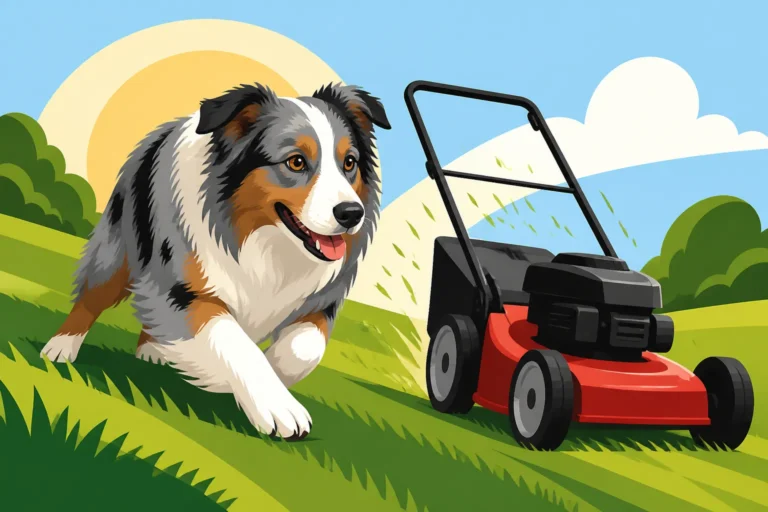
- Household Chores and Erratic Movements: Vacuum cleaners, mops, brooms, or even just moving furniture can set off an Aussie. The object moves, you move with it, and suddenly it's a whole "herd" that needs managing. Some Aussies are particularly sensitive to these types of unpredictable movements and loud noises, leading to a cascade of barking and sometimes even attempts to "attack" the offending object.
For indoor triggers, consistent training, teaching a "place" command, and providing appropriate outlets for their energy are key. Redirecting their attention with a toy or a short training session can interrupt the barking cycle.
Outdoor Environments and Novel Stimuli
Taking your Australian Shepherd out into the world, whether for a walk, a hike, or a trip to the park, introduces a whole new set of movement-related triggers. These environments are often less predictable than your home, making management even more challenging.
- Other Dogs on Leash: This is a classic reactivity trigger. Your Aussie sees another dog, is excited or frustrated, and then barks. The other dog's movement, especially if it's pulling on its leash or making eye contact, can further escalate the situation. It's like seeing a potential playmate or rival but being restrained.
- Skateboards, Bicycles, and Scooters: These wheeled conveyances are often fast, quiet until they're right next to you, and involve people moving in an often erratic or unexpected way. They are prime targets for an Aussie's herding or chase drive, leading to intense barking, lunging, and pulling on the leash. The quick movement is incredibly stimulating, and for many Aussies, almost irresistible.
- Wildlife in Parks or Trails: Squirrels darting up trees, birds flying low, or deer in the distance are all high-value moving targets. While some Aussies might quietly stalk, many will erupt in a frenzy of barks, desperate to chase and control. This is where a solid recall becomes absolutely vital, as their instinct to pursue can easily override any training. Australian Shepherd Recall Around Moving Things is a critical read for any owner facing this challenge.
In outdoor settings, focus on management, short, positive training sessions, and building your Aussie's confidence in new environments. Working with a long line in a safe, open area can allow them some freedom to express their chase drive in a controlled way, while still allowing you to manage their recall.
Strategies to Manage and Reduce Barking
Now that we've delved into the "why" and "what" of your Australian Shepherd's movement-related barking, it's time to talk about the "how." Managing this behavior isn't about punishment; it's about understanding, redirection, and consistent training. It requires patience, a commitment to daily effort, and a willingness to be creative with how you meet your Aussie's unique needs.
Proactive Management and Environmental Control
The easiest way to stop a behavior is to prevent it from happening in the first place. For movement-triggered barking, this often means strategically managing your Aussie's environment to reduce exposure to triggers or change how they perceive those triggers.
- Window Management: Those large windows that offer a perfect view of the world are also prime barking trigger zones. Consider using privacy film on lower window panes, especially in rooms where your Aussie spends a lot of time. Opaque curtains or blinds that can be drawn during peak "trigger times" (like mail delivery) are also invaluable. The goal isn't to create a sensory deprivation chamber, but to reduce the constant visual bombardment that keeps your Aussie on high alert. If they can't see the mail carrier or the passing dog, they can't bark at them.
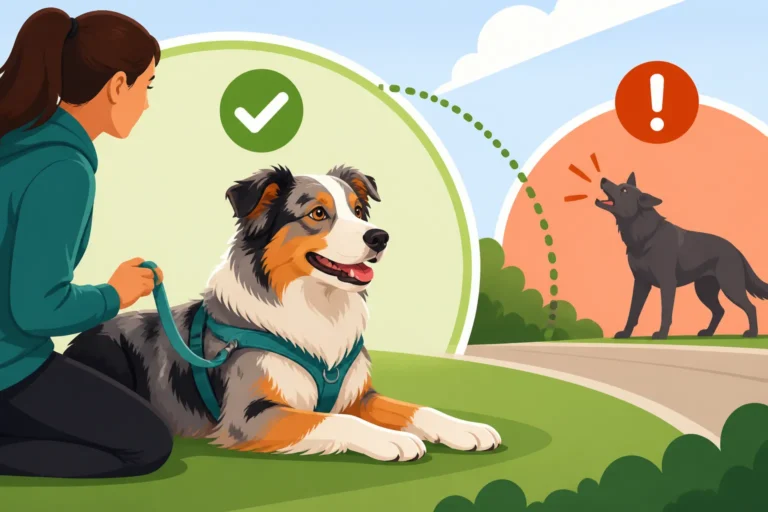
- Leash Walking Strategies: If your Aussie barks at passing dogs or people on walks, you need to adjust your walking routine. This might mean walking at off-peak hours, choosing less busy routes, or even driving to a quiet park for exercise. When you do encounter triggers, create distance. Walk in a wide arc around other dogs or cross the street. Your goal is to keep your Aussie "under threshold" – at a distance where they notice the trigger but don't react with barking. This allows you to reinforce calm behavior. Use a comfortable, well-fitting harness rather than just a collar to prevent discomfort if they do pull.
- Safe Zones and Designated Spots: Create a designated "safe zone" in your home where your Aussie can relax without being constantly on guard. This could be a crate covered with a blanket, a dog bed in a quieter room, or a corner away from high-traffic windows. Teach them a "place" command to go to this spot and settle. Reward calm behavior in this area generously. This provides them with a mental break from constant vigilance. BAXTER & Bella offers excellent online training programs that can guide you through teaching a "place" command effectively, emphasizing positive reinforcement.
By being proactive, you're not just reacting to the barking; you're setting your Aussie up for success and teaching them that they don't always need to be on duty for every little movement.
Redirection and Positive Reinforcement Training
Once you've managed the environment, the next step is to actively train your Aussie to respond differently when they do encounter triggers. This involves redirecting their attention and heavily reinforcing desirable, calm behaviors.
- "Look at Me" or "Focus" Command: This is your foundational tool. Teach your Aussie to make eye contact with you on cue, even in distracting environments. Start in a quiet room, hold a treat near your eye, and say "Look!" or "Focus!" As soon as they make eye contact, mark the behavior (with a clicker or a verbal "Yes!") and reward generously. Gradually increase distractions. When you see a trigger approaching on a walk, use your "Look at Me" command before they start barking, then reward them for choosing to look at you instead of the trigger.
- "Find It" or Scatter Feeds: When your Aussie notices a trigger but hasn't started barking yet, toss a handful of high-value treats on the ground (say "Find It!") and let them sniff them out. This engages their nose, which is a calming activity, and redirects their attention away from the trigger. It also physically lowers their head, breaking their intense stare at the trigger. This is an excellent technique for managing sudden appearances of triggers indoors or outdoors.
- Appropriate Outlets for Herding/Chase Drive: Your Aussie has an innate need to chase and herd. If you don't provide appropriate outlets, they'll find their own – like the mail carrier or your children. Engage in activities like flirt pole play in the yard, where they can chase and "catch" a lure, or teach them to play fetch with a specific boundary. Some Aussies excel at Treibball, a sport where they herd large exercise balls into a goal. Providing these structured outlets can significantly reduce their need to apply their herding instincts to inappropriate moving targets. Tug as a Legal Outlet for Aussie Herding Drive and Treibball as an Aussie Alternative to Sheep offer great ideas for this.
The key is to interrupt the barking cycle before it begins or very early on, and then reward them for choosing a different, calmer behavior. Consistency is paramount here. Every time you redirect successfully, you're building a new, more desirable habit.
Addressing Underlying Needs with Mental and Physical Work
A significant portion of movement-related barking, especially that stemming from frustration or overstimulation, can be traced back to unmet needs for physical and mental stimulation. Australian Shepherds are working dogs, and they need a "job" to do every single day.
- Daily Structured Exercise: "Exercise" for an Aussie doesn't just mean a quick walk around the block. They need substantial, structured physical activity. Aim for at least one to two hours of focused exercise daily. This could include vigorous games of fetch, long hikes on varied terrain, or runs in a safe, fenced area. However, be mindful that simply running can sometimes wind up an Aussie rather than settling them. The type of exercise matters. How Much Daily Exercise an Australian Shepherd Needs expands on this, emphasizing quality over just quantity.
- Mental Stimulation and Puzzle Solving: This is where many owners fall short. An Aussie's brain needs as much, if not more, exercise than their body. Incorporate daily mental work like puzzle feeders, KONGs stuffed with treats (you can find many options on Amazon), scent work games (like hiding treats around the house for them to find), and trick training. Learning new commands or perfecting old ones is incredibly mentally fatiguing for them. Just 15-20 minutes of intense mental work can be as tiring as a long run. Mental Work That Actually Tires an Australian Shepherd offers more insights into this crucial aspect.
- Training Classes and Dog Sports: Enroll your Aussie in dog sports like agility, obedience, rally, or even herding if available in your area. These activities provide a structured outlet for their energy, intelligence, and drive, fulfilling their need to work alongside you. They learn to focus, problem-solve, and channel their instincts in a productive, controlled way. This can dramatically reduce their tendency to create their own "jobs" (like barking at movement) out of boredom or under-stimulation.
Remember, a tired Aussie (mentally and physically) is a good Aussie. When their needs are met, they are far less likely to resort to nuisance barking at every moving thing they see.
When to Seek Professional Help
While many of the strategies above can be incredibly effective, there are times when your Australian Shepherd's barking at movement might indicate something more complex or simply be beyond what you can manage on your own. Recognizing these situations and knowing when to call in the professionals is a sign of a responsible and caring owner.
Persistent or Escalating Barking
If you've diligently applied management and training techniques for several weeks or months, and your Aussie's barking at movement shows no improvement, or worse, seems to be getting more intense or frequent, it's definitely time to seek professional guidance. This isn't a failure on your part, but rather an indication that the problem might be deeper than simple boredom or an unchecked instinct.
- No Improvement Despite Effort: You've tried covering windows, doing daily training, increasing exercise, and providing mental games, but the barking persists with the same intensity. This suggests either your approach needs refinement, or there's an underlying issue you haven't identified.
- Increasing Frequency or Intensity: Perhaps your Aussie used to bark only at the mail carrier, but now they bark at every car, every pedestrian, and every leaf blowing by. Or, the barks have become more frantic, prolonged, or include other behaviors like lunging and snapping. Escalation is a clear sign that the current strategies aren't enough.
- Barking Causes Significant Stress: If your Aussie's barking is causing you significant stress, impacting your quality of life, or creating tension in your household or with neighbors, it's not sustainable. A professional can help alleviate this burden and provide actionable plans.
A qualified professional can observe your Aussie in their environment, identify subtle triggers you might be missing, and tailor a training plan specific to your dog's individual personality and your household dynamics.
Combining Barking with Other Problem Behaviors
Movement-related barking is often just one piece of a larger behavioral puzzle. If your Aussie's barking is accompanied by other concerning behaviors, a professional assessment is crucial. These additional behaviors can signal anxiety, fear, territorial aggression, or a serious lack of impulse control.
- Aggression or Fear: If the barking includes growling, snapping, lunging with intent to make contact, or attempts to bite, especially towards people or other dogs, you are dealing with aggression. Conversely, if your Aussie barks frantically but tries to retreat or cower, it could be fear-based reactivity. Both require immediate professional intervention to ensure safety for everyone involved.
- Resource Guarding: Sometimes, the barking at movement is linked to guarding valued resources, whether it's their food bowl, a favorite toy, or even a person. They might bark at anyone who approaches their "resource" when they are moving.
- Separation Anxiety or Destructive Behavior: If the barking only happens when you leave the house, or if it's coupled with destructive chewing, house-soiling, or intense pacing when alone, it points towards separation anxiety rather than simple movement reactivity. This requires a very different approach than standard barking protocols.
- Excessive Herding Nipping: While mild heel-nipping can be part of their herding instinct, if your Aussie is frequently nipping at children, guests, or even you in a way that causes pain or fear, it needs to be addressed. This often accompanies movement-related barking, especially indoors. An Australian Shepherd Nipping a Toddler's Ankles again emphasizes how serious this can be.
Anytime barking is combined with behaviors that threaten safety or significantly impact well-being, a certified professional dog trainer or veterinary behaviorist should be consulted.
Finding the Right Professional
Choosing the right professional is critical for effective and humane behavior modification. Look for credentials and experience, especially with herding breeds.
- Certified Professional Dog Trainers (CPDT-KA, CDBC): These individuals have undergone rigorous education and passed certification exams. They specialize in positive reinforcement and force-free training methods. They can teach you how to communicate effectively with your Aussie and implement behavior modification plans.
- Veterinary Behaviorists (DACVB): These are veterinarians who have completed advanced residency training in animal behavior and are board-certified. They are qualified to diagnose and treat behavioral disorders, including prescribing medication if necessary, often in conjunction with a training plan. This is the go-to if the barking is severe, resistant to training, or suspected to have a medical component.
- Experience with Herding Breeds: When interviewing potential trainers, specifically ask about their experience with Australian Shepherds or other high-drive herding breeds. An understanding of their innate drives is paramount. Finding a Trainer Who Understands an Aussie offers valuable advice on this selection process.
- Avoid Aversive Methods: Steer clear of any trainer who advocates for punitive methods like shock collars, choke chains, or alpha rolls. These methods can suppress barking in the short term but often create fear, anxiety, and can escalate aggression in the long run. Positive reinforcement builds trust and a stronger relationship with your dog.
Remember, seeking help isn't a failure; it's an investment in your Aussie's well-being and your peace of mind.
Living With a Movement-Sensitive Aussie
Bringing an Australian Shepherd into your life means embracing their unique traits, including their incredible sensitivity to movement and their vocal nature. While the journey to manage barking at movement can feel like a marathon, it’s entirely possible to live harmoniously with a movement-sensitive Aussie. It requires realistic expectations, a commitment to consistency, and building a lifestyle that truly supports their needs.
Realistic Expectations and Long-Term Commitment
One of the biggest pitfalls for Aussie owners is expecting their dog to behave like a low-drive breed. Your Australian Shepherd isn't going to suddenly become a silent, unreactive couch potato overnight, and they may never be completely devoid of barking at novel or exciting movements.
- Embrace Their Nature: Your Aussie's herding drive and alertness are fundamental to who they are. Instead of fighting it, learn to channel it. Accept that some level of reactivity to movement is part of the package. The goal isn't necessarily zero barking, but controlled, manageable, and appropriate barking.
- Patience is a Virtue: Behavior modification takes time. Weeks, even months, of consistent effort are often required before you see significant changes. There will be good days and bad days, breakthroughs and setbacks. Celebrate the small victories and don't get discouraged by regressions.
- It's a Lifestyle, Not a Quick Fix: Managing a movement-sensitive Aussie isn't about attending a few training classes and being done. It’s about integrating training, management, and enrichment into your daily routine for their entire life. This commitment means constantly adapting as your dog matures and their environment changes. This long-term commitment is also why Fifteen Years of Australian Shepherd Costs is something every owner should consider, as it covers the ongoing investment in their well-being and training.
Adjusting your expectations and settling in for the long haul will reduce your frustration and help you appreciate the incredible dog you have.
Building a Calm and Predictable Routine
Australian Shepherds thrive on routine and predictability. A chaotic or inconsistent environment can heighten their anxiety and make them more prone to barking at movement. Establishing a clear, consistent schedule can significantly reduce their need to be constantly on alert.
- Consistent Schedule for Exercise and Potty Breaks: Try to walk, play, and feed your Aussie at roughly the same times each day. Predictable potty breaks mean they're less likely to be uncomfortable and therefore more receptive to training. Knowing when their next walk or play session is coming can reduce anticipatory barking.
- Designated Relaxation Times: Just as important as exercise is teaching your Aussie to relax. Incorporate enforced naps, especially for puppies, or quiet "settle" times in their crate or on their bed. Reward them for simply being calm and quiet. This helps them develop an "off switch" rather than being in a constant state of arousal. An Australian Shepherd That Cannot Switch Off is a great resource for this.
- Predictable Training Sessions: Make training a consistent part of your day, even if it's just 5-10 minute sessions. This provides mental stimulation, reinforces good habits, and strengthens your bond. Predictable interactions, where they know what's expected of them, build confidence and reduce uncertainty.
A predictable routine helps your Aussie feel secure in their environment, allowing them to relax and be less reactive to sudden movements or changes.
Tools and Resources for Success
You don't have to go it alone! There are many tools and resources available to help you on your journey with a movement-sensitive Australian Shepherd.
- High-Value Treats: For redirection and positive reinforcement, high-value treats are a game-changer. Think small pieces of cooked chicken, cheese, or specialized training treats. Experiment to find what truly motivates your Aussie. You can find a huge variety of options on Amazon, making it easy to stock up.
- Enrichment Toys: Puzzle feeders, treat-dispensing toys, and durable chew toys are essential for mental stimulation. These can keep your Aussie engaged and redirect their energy away from barking at moving objects. Again, Amazon has countless options, but look for sturdy, challenging puzzles that will hold their attention.
- Long Lines: For practicing recall and giving your Aussie some freedom in a safe, open space while still maintaining control, a long line (15-30 feet) is invaluable. It allows them to express their desire to run and chase in a controlled manner, reducing frustration. How Long an Aussie Long Line Should Be provides guidance on choosing the right length.
- Online Training Programs: For owners who need structured guidance from home, online platforms like BAXTER & Bella offer comprehensive programs that cover everything from basic obedience to advanced problem-solving, all using positive reinforcement. These can be particularly helpful for building foundational skills like "look at me" and "place" that are critical for managing movement reactivity.
- Veterinary Support: Regular vet check-ups are important. Sometimes, underlying pain or medical issues can contribute to behavioral changes, including increased reactivity or barking. Always rule out medical causes for sudden behavioral shifts.
By implementing these strategies and leveraging available resources, you can transform your relationship with your Australian Shepherd, turning frustrating barking into manageable communication and enjoying your incredible companion to the fullest.
Disclaimer
This article is for general informational purposes only and does not constitute professional advice. Laws, prices and regulations vary by location and change over time. Consult a qualified professional for guidance on your specific situation.