A Male Australian Shepherd Marking Indoors
It’s incredibly frustrating, and often quite upsetting, to discover your beloved male Australian Shepherd has marked indoors. You thought potty training was a thing of the past, or perhaps this behavior has suddenly started seemingly out of nowhere, leaving you wondering what went wrong and how to fix it. This comprehensive guide will delve into the various reasons why your male Aussie might be marking inside your home and provide actionable, empathetic strategies to address and resolve this challenging behavior.
Understanding Why Your Male Aussie Marks Indoors
Before you can tackle the problem, it’s essential to understand the potential motivations behind your Australian Shepherd’s indoor marking. It's rarely out of spite, despite how it might feel when you find a fresh puddle on your favorite rug. Instead, it’s usually rooted in instinct, stress, or sometimes, an underlying health issue.
The Instinctual Drive to Mark Territory
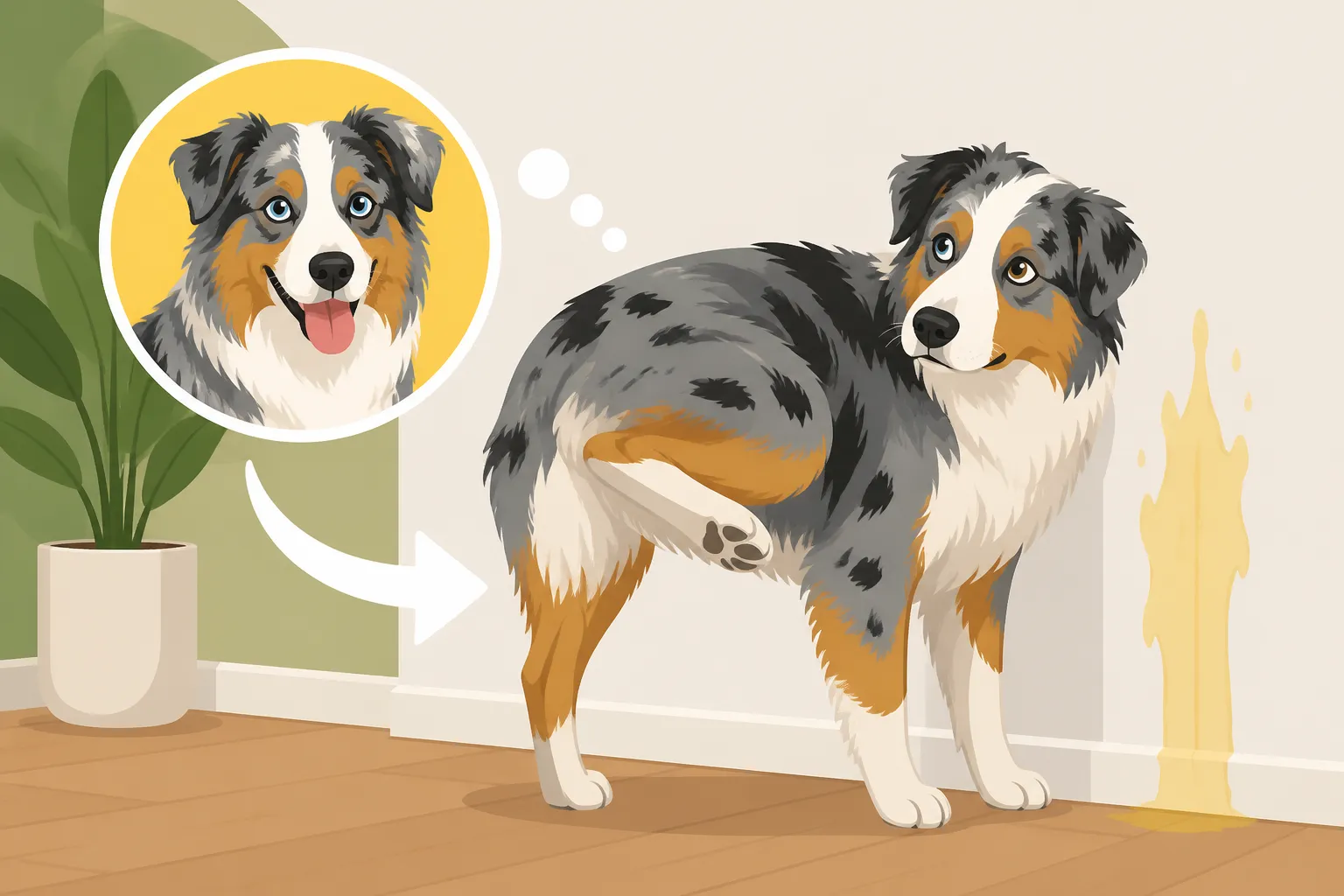
One of the most common reasons a male Australian Shepherd, particularly an intact one, might mark indoors is his inherent instinct to communicate and claim territory. Dogs, especially males, use urine to leave messages for other dogs about their presence, status, and availability. It’s their way of saying, "I was here," or "This is my space."
This territorial marking isn't always about aggression; it's often a form of social communication. If you have guests over, especially those with other pets, your Aussie might feel the need to reinforce his claim over his home environment. Similarly, new furniture, a visitor's bag, or even the smell of another dog from outside can trigger this instinct. He's not trying to upset you; he's simply doing what comes naturally to his species, often without understanding the human consequences. Even well-trained dogs can exhibit this behavior if their instincts are strongly triggered.
Think about it from his perspective: a new scent appears, perhaps on the leg of a table or a freshly laundered blanket, and his primal brain tells him, "Someone else's scent is here, I must mark over it!" This can be particularly pronounced in breeds with a strong protective and territorial drive like the Australian Shepherd.
Stress, Anxiety, and Insecurity Marking
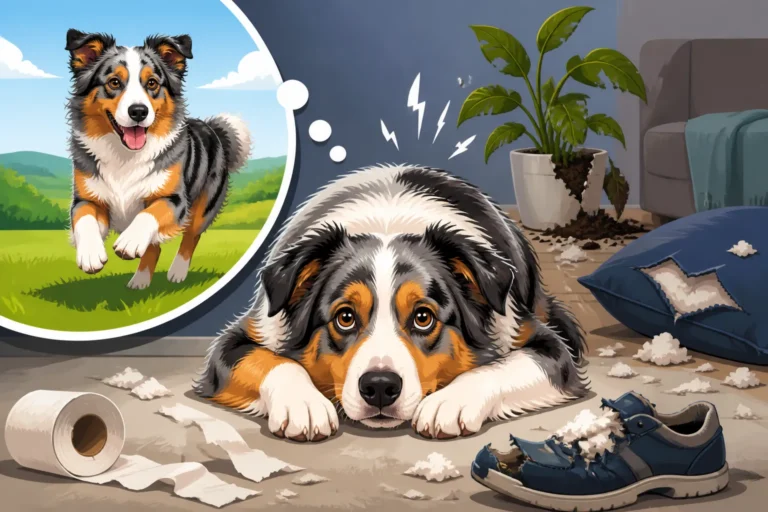
While instinct plays a big role, stress and anxiety are also significant contributors to indoor marking. An Australian Shepherd is a sensitive and intelligent breed, and changes in their environment or routine can easily throw them off balance. When an Aussie feels insecure, anxious, or stressed, marking can become a self-soothing behavior, or a way to assert some control in an unpredictable world.
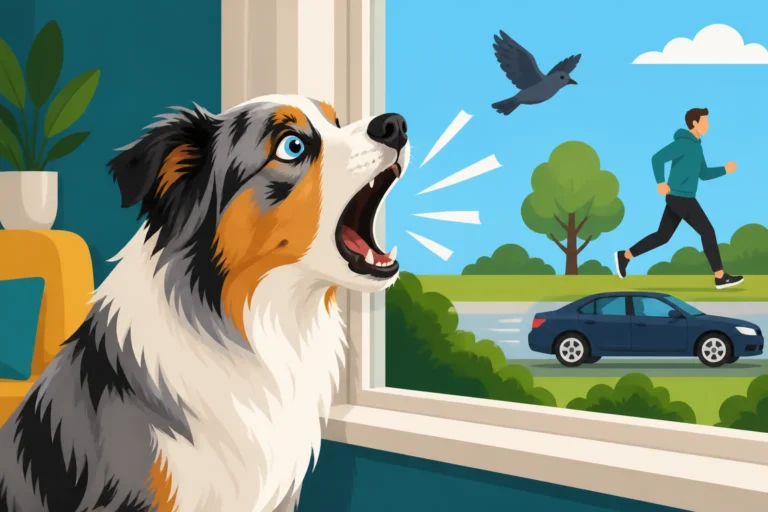
Environmental changes are often culprits. Has there been a recent move, a new pet introduced, or a change in your work schedule that means he's spending more time alone? These shifts can create anxiety. An Aussie might mark near a door or window if he feels anxious about people or dogs passing by, or if he's worried about your departure, potentially indicating separation anxiety. For deeper insights into this, you might find The Signs an Aussie Is Panicking Alone helpful. The act of marking, for him, can be a way to create a familiar scent landscape when his world feels uncertain, making him feel a little more secure.
Even subtle changes, like rearranging furniture or having noisy contractors in the house, can be enough to trigger a stress response. It’s crucial to observe when and where the marking occurs, as this can offer valuable clues to the underlying emotional state of your dog. He might be trying to tell you, in the only way he knows how, that something isn't quite right in his world.
Medical Causes Behind Inappropriate Urination
Before you assume it's purely a behavioral issue, it is absolutely paramount to rule out any medical conditions. Sudden onset of marking, especially in a previously well-trained dog, should always prompt a visit to the veterinarian. Dogs are masters at hiding discomfort, and what looks like a behavioral problem to us can often be a symptom of pain or illness.
Common medical causes include urinary tract infections (UTIs), bladder stones, or even kidney issues. These conditions can cause increased frequency of urination, urgency, and a loss of bladder control, which can easily be mistaken for deliberate marking. Sometimes, even discomfort in other parts of the body, like hip pain (which Australian Shepherds can be prone to, as discussed in Australian Shepherd Hip Dysplasia and Working Joints), can make a dog reluctant to go outside or position himself properly, leading to accidents.
In older Australian Shepherds, cognitive decline or other age-related health issues could be a factor. Just as with people, an aging dog's cognitive functions can diminish, leading to confusion about appropriate potty spots. A thorough veterinary examination, including urine tests and potentially blood work, is the first step to take. Addressing any underlying medical issues will not only stop the marking but also significantly improve your Aussie's overall comfort and quality of life. Don't skip this crucial step, as untreated medical problems can lead to more serious complications and higher Aussie Vet Bills Between $15,000 and $40,000 in the long run.
Practical Strategies to Stop Indoor Marking
Once you've ruled out medical causes, you can focus on implementing practical strategies to curb indoor marking. Consistency, patience, and a multi-pronged approach are key to success.
Thorough Cleaning and Odor Elimination
This step is absolutely critical and often overlooked or done incorrectly. Dogs are driven by scent, and if they can still smell residual urine, they will be drawn back to that spot to mark again. Regular household cleaners, no matter how strong they smell to us, often only mask the odor to the human nose, leaving behind potent, dog-attracting enzymes.
You must use an enzymatic cleaner specifically designed for pet urine. These cleaners break down the uric acid crystals in urine, truly eliminating the odor rather than just covering it up. Simply spraying and wiping isn't enough; you need to saturate the area thoroughly and allow the cleaner to air dry, following the product instructions carefully. For soft surfaces like carpets, upholstery, or curtains, you might need to use a wet/dry vac or repeat the process multiple times to get deep into the fibers. Consider that your Aussie's sense of smell is far more powerful than yours, so what smells clean to you might still be a giant "pee here" sign to him. Without proper cleaning, you're fighting an uphill battle against his instincts.
Think of it as resetting the canvas – once the scent is truly gone, there's less incentive for him to mark that particular spot again. If the marking happened on a porous surface like unsealed concrete or wood, it might be an even bigger challenge, sometimes requiring professional cleaning or even replacement of affected materials.
Management and Supervision Techniques
While you're working on the root cause, effective management can prevent marking opportunities and break the habit. This means constant supervision, especially when your Aussie is indoors. If you can't actively watch him, he shouldn't have free roam of the house.
One highly effective management tool is a belly band (sometimes called a male dog wrap). These are essentially absorbent wraps that go around your dog's waist, covering his genitals, and catching any urine if he attempts to mark. While not a training solution, they prevent damage to your home and remove the reinforcing satisfaction of marking, as he doesn't leave his scent. You can find a variety of reliable belly bands on platforms like Amazon, offering different sizes and absorbencies. Just remember to check and change them regularly to prevent skin irritation.
Tethering your Aussie to you with a leash while you're home can also be beneficial, ensuring he's always within sight. If he attempts to mark, you can immediately interrupt the behavior. Restricting access to known problem areas, perhaps by closing doors or using baby gates, is another temporary measure. For times when you can't supervise, a crate can be an invaluable tool. Most dogs are reluctant to soil their sleeping area, so a appropriately sized crate can be a safe, clean haven. You can learn more about appropriate gear in Australian Shepherd Crates, Long Lines and Gear.
Re-establishing Potty Training Basics
Even if your Aussie was perfectly potty trained as a puppy, a marking problem often means you need to go back to basics and reinforce the fundamental rules. This isn't about shaming him, but about clearly communicating expectations and building new, positive habits.
Start by taking your Aussie outside much more frequently than you think he needs to go – every 1-2 hours, first thing in the morning, last thing at night, after waking from naps, and after playing or eating. Take him to a designated potty spot on a leash and wait patiently. When he successfully urinates outside, celebrate enthusiastically with praise, treats, and perhaps a quick game of fetch. Make going potty outside the most rewarding thing he does all day.
The key here is consistency. Everyone in the household needs to be on the same page. Don't assume he'll "ask" to go out; many dogs who mark indoors don't exhibit typical signals. Until you've gone several weeks without any indoor accidents, treat him as if he's still a puppy learning the ropes. This structured approach helps reinforce that outside is the only acceptable place to relieve himself. For a refresher on these foundational skills, the article House Training an Aussie Puppy in Six Weeks offers excellent guidance, even for an adult dog.
Addressing Underlying Behavioral and Environmental Factors
Beyond the immediate strategies, delving into the deeper behavioral and environmental elements can provide long-term solutions for indoor marking. This is where you really start to understand your Australian Shepherd's unique needs.
Neutering and Hormonal Influence
For intact male Australian Shepherds, hormones play a significant role in territorial marking. Testosterone amplifies the instinct to spread their scent and claim their space. While neutering isn't a magical cure-all, it can significantly reduce, or even eliminate, marking behavior in many males, especially if done relatively early in life before the habit becomes deeply ingrained.
It’s important to have a frank discussion with your vet about the benefits and timing of neutering for your specific dog. Some studies suggest that the older an intact male is when neutered, the less likely it is to completely stop a long-standing marking habit, as the behavior has become conditioned rather than purely hormonal. However, even if it doesn't stop it entirely, it often reduces the frequency and intensity of marking. The decision around neutering can have wider impacts on your Aussie's behavior, which you can explore further in Neutering and Australian Shepherd Behavior. While a crucial conversation, remember that even a neutered male can still mark if driven by anxiety or past habits.
Reducing Stress and Building Confidence
Many Australian Shepherds mark due to underlying stress, anxiety, or insecurity. Addressing these emotional states is vital for a lasting solution. Providing a stable, predictable routine can be incredibly comforting for an Aussie. Consistent meal times, potty breaks, and exercise schedules help them feel secure in their environment.
Enrichment activities are also key. A bored or under-stimulated Aussie is a stressed Aussie. Puzzle toys, chew items, and regular training sessions that challenge his intelligent mind can help reduce anxiety. Consider exploring resources like BAXTER & Bella, which offer structured online training programs that can help build confidence and provide mental stimulation. A confident dog is less likely to feel the need to mark his territory out of insecurity. Sometimes, severe anxiety might require professional intervention from a certified dog behaviorist or even veterinary behaviorist, especially if you see other signs of stress like excessive barking, destructive behavior, or withdrawn demeanor. The article Working a Reactive Aussie Under Threshold offers valuable insights into managing an anxious dog's responses to triggers.
Managing Multi-Pet Households and Triggers
If you live in a multi-pet household, or if your Aussie is frequently exposed to other dogs, this can intensify marking behavior. The presence of another intact male, or a female in heat, can be a huge trigger for a male Australian Shepherd to mark his territory. Even the scent of a neighborhood dog passing by your window can be enough.
Here are some ways to manage these triggers:
- Separate Spaces: Ensure each dog in a multi-pet household has their own 'safe space' or den where they can retreat and feel secure. This reduces competition and perceived threats.
- Controlled Introductions: If introducing a new pet, do so gradually and under strict supervision.
- Window Film/Blinds: If your Aussie marks near windows, consider using frosted window film or keeping blinds drawn to block his view of external triggers.
- Outdoor Cleanup: If neighborhood dogs are marking near your property, periodically rinse down fences or bushes with an enzymatic cleaner to remove lingering scents.
By proactively managing these environmental factors and triggers, you can significantly reduce your Aussie's perceived need to mark indoors.
Here's a quick summary table of common marking triggers and potential solutions:
| Trigger | Potential Cause | Solution |
|---|---|---|
| New furniture/objects | Territorial claim | Thorough cleaning, supervision, re-establish boundaries. |
| Visitors (especially with pets) | Insecurity, territorial claim | Confinement/tethering during visits, belly band, high-value treats for calm. |
| New pet in household | Stress, perceived threat | Gradual introductions, separate resources, increased individual attention. |
| Owner's schedule change | Anxiety, insecurity | Consistent routine, mental enrichment, separation anxiety training. |
| Intact male dog | Hormonal drive, territorial | Consider neutering, management (belly band), reduce exposure to triggers. |
| Female dog in heat | Hormonal influence, mating instinct | Strict confinement, avoid exposure to females in heat. |
| Uncleaned past accidents | Scent reinforcement | Enzymatic cleaning is paramount. |
Remember, addressing indoor marking in your male Australian Shepherd requires patience, consistency, and a little detective work to understand his motivations. It’s a common issue, and with the right approach, you can restore peace and cleanliness to your home.
Disclaimer
This article is for general informational purposes only and does not constitute professional advice. Laws, prices and regulations vary by location and change over time. Consult a qualified professional for guidance on your specific situation.