Why Heartworm Doses Are Still Safe for an MDR1 Aussie
One of the biggest worries for Australian Shepherd owners, especially those new to the breed, revolves around the MDR1 gene mutation. The moment you hear that your beloved Aussie might react poorly, even fatally, to common medications, a wave of panic can set in. It’s a frightening prospect, and it leads many to question every single drug their vet recommends, including crucial preventatives like heartworm medication. This guide is here to reassure you and thoroughly explain why, despite the scary reputation of the MDR1 mutation, standard heartworm doses are, in fact, safe for your Australian Shepherd.
Understanding the MDR1 Mutation and Its Impact
The MDR1 (Multi-Drug Resistance 1) gene, now often referred to as ABCB1, is a genetic mutation that affects a specific protein called P-glycoprotein. This protein acts like a tiny, vigilant bouncer at certain cellular gateways in your dog's body, especially in the brain, intestines, and liver. Its job is to pump out toxins and certain drugs, preventing them from accumulating to harmful levels. When the MDR1 gene is mutated, this P-glycoprotein pump doesn't work correctly, or sometimes not at all.
What the MDR1 Gene Does
Imagine your dog's brain as a fortress, protected by a special wall known as the blood-brain barrier. Normally, the P-glycoprotein pump actively transports various substances, including many medications, out of the brain cells and away from this sensitive area. It's a critical defense mechanism, ensuring that only necessary compounds reach the brain in controlled amounts. For an Australian Shepherd with a normal MDR1 gene, this system functions perfectly, keeping potentially harmful drugs from building up.
However, if your Aussie carries one or two copies of the mutated MDR1 gene, this protective pump is compromised. This means that certain drugs, instead of being efficiently pumped out, can accumulate to much higher concentrations in the brain and other organs. This accumulation is what leads to toxic reactions, which can manifest as severe neurological symptoms, gastrointestinal issues, or even organ damage. Understanding What MDR1 Does Inside an Australian Shepherd Brain really helps grasp the severity of the mutation for specific drug types. It’s why knowing your Aussie’s status through genetic testing is so vital.
Drugs That Are Dangerous for MDR1 Aussies
The list of drugs that can cause severe reactions in MDR1-affected Australian Shepherds is specific and often involves high doses or particular classes of medications. Chemotherapy drugs, for instance, are a major concern because they are designed to be potent and kill rapidly dividing cells. Certain anti-diarrheal medications, like loperamide (Imodium), are also problematic when given at doses intended for humans, as the drug can cross the compromised blood-brain barrier and cause profound neurological depression.
Among the most infamous examples is ivermectin. While we’re about to discuss heartworm prevention, it's crucial to distinguish this from the high doses of ivermectin used to treat parasitic conditions like mange. These higher, therapeutic doses can be extremely toxic, leading to symptoms ranging from tremors and disorientation to seizures, blindness, coma, and even death. It's the concentration that makes all the difference, and this is where much of the confusion and fear around heartworm medication originates. Always consult your vet about The Drugs an MDR1 Australian Shepherd Cannot Take if your dog tests positive for the mutation, as they can help navigate these complexities. Your vet might also need to adjust Anesthetics That Need Adjusting for an MDR1 Aussie for various procedures.
How Heartworm Medications Work
Heartworm disease is a serious and potentially fatal condition caused by parasitic worms (Dirofilaria immitis) that live in the heart, lungs, and associated blood vessels of affected pets. These worms can grow up to a foot long and cause severe lung disease, heart failure, and damage to other organs. The disease is transmitted through the bite of an infected mosquito, making it a widespread threat, regardless of where you live. This is why prevention is so incredibly important for all dogs, including our beloved Australian Shepherds.
The Active Ingredients in Common Heartworm Preventatives
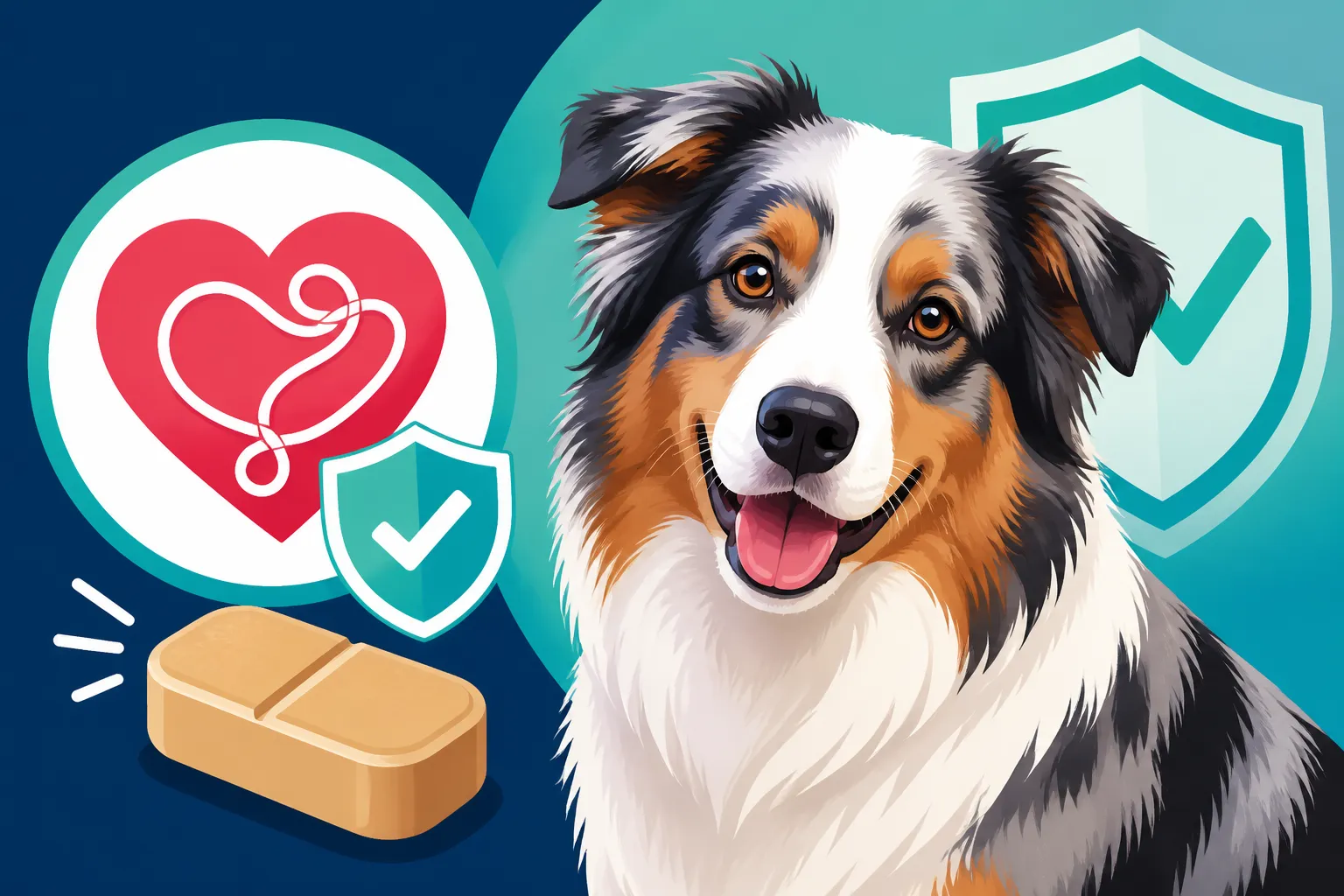
Most heartworm preventatives work by killing the immature (larval) stages of heartworms that have been transmitted by a mosquito bite within the past month or so. They don't kill adult heartworms, which is why consistent, monthly administration is key. The active ingredients found in these preventatives belong to a class of drugs called macrocyclic lactones.
Some of the most common active ingredients you'll see in heartworm preventatives include:
- Ivermectin: Found in products like Heartgard Plus and Tri-Heart Plus. This is the ingredient that causes the most concern due to its known dangers at high doses for MDR1 dogs.
- Milbemycin Oxime: Present in Sentinel Spectrum, Interceptor Plus, and Trifexis.
- Moxidectin: Used in topical preventatives like Advantage Multi and ProHeart 6 (an injectable, long-acting preventative).
- Selamectin: Found in Revolution and Revolution Plus, which are topical treatments.
These drugs disrupt the nervous system of the parasites, effectively paralyzing and killing them before they can mature into adult heartworms and cause irreparable damage.
The Importance of Heartworm Prevention
Let's be brutally honest: heartworm disease is a nasty one. It's not just a minor inconvenience; it's a chronic, progressive disease that can lead to severe health problems and dramatically reduce your dog's quality of life. Imagine spaghetti-like worms living in your Aussie's heart and lungs, causing inflammation, blockages, and eventually, organ failure. Treatment for established heartworm disease is not only expensive and lengthy – often involving several rounds of injections and strict rest – but it's also risky. The adult worms die and break apart, and these fragments can lodge in the blood vessels, leading to potentially fatal pulmonary embolisms.
Given the severity of the disease and the risks associated with treatment, prevention is undeniably the best course of action. It's far safer, simpler, and less stressful for both you and your Australian Shepherd. Skipping prevention, especially for an active breed like an Aussie that spends time outdoors, is a gamble that no responsible owner should take. Regular prevention ensures that even if your dog is bitten by an infected mosquito, the larval heartworms are eliminated before they can mature and cause disease. This proactive approach saves heartache, prevents suffering, and protects your dog's long-term health.
The Crucial Difference: Dosage Levels
This is really the heart of the matter, and where the common fears about MDR1 and heartworm prevention often get misunderstood. It's not that ivermectin and related drugs are never dangerous for an MDR1 Aussie; it's about the amount of the drug being administered. The difference between a preventative heartworm dose and a therapeutic dose used for treating other parasites is astronomical.
Microdoses in Heartworm Preventatives
Heartworm preventatives are formulated with extremely low, microgram-level doses of macrocyclic lactones. We're talking about tiny, tiny amounts – often 0.006 mg per kilogram of body weight for ivermectin, for example, in a heartworm preventative. This is precisely why they are safe for Australian Shepherds, even those with the MDR1 mutation.
Think of it this way: imagine a single grain of sugar. That's roughly the equivalent of the dose in a heartworm pill. Now imagine a whole teaspoon of sugar. That might be closer to the dose used to treat something like mange or other internal parasites that would overwhelm the compromised P-glycoprotein pump in an MDR1 dog. The P-glycoprotein pump, even when mutated, isn't completely shut down in all cases; it's simply less efficient. These microdoses are so low that the body can still metabolize and excrete them, or the minuscule amount that might cross the blood-brain barrier isn't enough to cause neurological toxicity.
This distinction is absolutely critical. The preventative doses are specifically designed to be effective against larval heartworms while remaining well below the threshold that would cause an adverse reaction in an MDR1-positive dog. It's a testament to careful pharmaceutical formulation and extensive safety testing.
Therapeutic vs. Preventative Dosing
To really drive this home, let's contrast preventative dosing with therapeutic dosing.
- Preventative Dosing: As we discussed, this is the very low dose of medication given monthly to kill heartworm larvae. These doses are measured in micrograms (µg) and are universally considered safe for MDR1 Australian Shepherds. For example, a dog might receive 6 to 12 micrograms of ivermectin per kilogram of body weight for heartworm prevention.
- Therapeutic Dosing: This refers to the much higher doses of medication used to treat an active parasitic infection, such as intestinal worms, ear mites, or mange. These doses are often measured in milligrams (mg) – a thousand times greater than a microgram! For instance, treating mange might require 300 to 600 micrograms of ivermectin per kilogram of body weight, which is significantly higher and is dangerous for an MDR1-positive Aussie. At these levels, the compromised P-glycoprotein pump cannot handle the influx of the drug, leading to accumulation in the brain and severe neurotoxicity.
This critical difference is why you might hear conflicting information if you don't have the full picture. It's why How an MDR1 Australian Shepherd Reacts to Ivermectin specifically refers to the higher doses used in treating active infestations, not the tiny amounts in heartworm preventatives. So, when your vet prescribes a monthly heartworm pill, rest assured that the dose is carefully calibrated to be safe, even for an MDR1-affected Australian Shepherd.
| Medication Type | Dosage Level | MDR1 Safety for Aussies | Purpose | Examples of Use |
|---|---|---|---|---|
| Heartworm Preventatives | Microgram (µg) | Generally Safe | Prevents heartworm infection | Monthly chewable or topical dose |
| Parasite Treatment | Milligram (mg) | Potentially Toxic | Treats active parasite infestations | High doses for mange, intestinal worms, etc. |
| Other Medications | Varies by drug | Potentially Toxic | Anesthetics, anti-diarrheals, chemotherapies | Certain drugs can cross blood-brain barrier at normal therapeutic doses |
Real-World Experiences and Veterinary Consensus
It’s easy to get swept up in fear when you read about genetic mutations and drug sensitivities. However, it's incredibly reassuring to look at the practical experience of veterinarians and countless Australian Shepherd owners over the years. This isn't a new problem; the MDR1 mutation has been known for a long time, and veterinary medicine has adapted accordingly.
Decades of Safe Use in MDR1 Carriers
For decades, long before genetic testing for MDR1 became widely available and affordable, veterinarians were prescribing heartworm preventatives containing ivermectin or similar macrocyclic lactones to millions of dogs, including Australian Shepherds. There simply wasn't a widespread issue of Aussies having severe, toxic reactions to these standard preventative doses. This extensive real-world experience forms a massive body of evidence supporting their safety.
When the MDR1 mutation was identified and understood, researchers and veterinarians were able to confirm why these preventatives had always been safe: the doses were simply too low to cause a problem. Even if your Australian Shepherd is homozygous for the MDR1 mutation (meaning they inherited two copies of the mutated gene), the minute amounts of medication in a heartworm preventative are generally not enough to overwhelm their compromised P-glycoprotein pumps or cause a toxic build-up in the brain. Whether an MDR1 Carrier Australian Shepherd Ever Reacts at these low doses is essentially a non-issue, which is a huge relief for owners.
Consulting Your Veterinarian and Testing for MDR1
While the general consensus is that heartworm preventatives are safe for MDR1 Aussies, it is absolutely paramount to have an open and honest conversation with your veterinarian. They are your best resource for personalized advice based on your dog's specific health history, lifestyle, and local heartworm risk. Your vet can provide guidance, address any lingering concerns, and ensure your Aussie receives the most appropriate care.
Moreover, if you haven't already, getting your Australian Shepherd tested for the MDR1 mutation is a very wise decision. It’s a simple, non-invasive cheek swab test, and knowing your dog's status provides invaluable information for all aspects of their veterinary care. Knowing the results of The Genetic Panel Every Australian Shepherd Needs can put your mind at ease. If your Aussie tests positive, you can then proactively discuss all medications with your vet, ensuring they are aware of the mutation before prescribing anything. This helps avoid accidental issues with other drugs that are genuinely problematic at therapeutic doses. Don't hesitate to tell your vet directly that Telling Your Vet an Australian Shepherd Is MDR1 Positive is crucial information for any treatment plan. Pet insurance providers like Healthy Paws, for example, emphasize preventative care and regular vet visits as part of maintaining your pet's overall health, and knowing your Aussie's genetic predispositions helps in planning that care effectively.
Common Heartworm Preventatives and MDR1 Safety
With the understanding that dosage is the key, let's look at some of the most common heartworm preventatives available and why they are considered safe for Australian Shepherds, regardless of their MDR1 status. The good news is that there are plenty of options, both oral and topical, that veterinarians routinely recommend for all dogs.
Oral Medications Safe for MDR1 Aussies
Many popular oral heartworm preventatives rely on macrocyclic lactones, and they are formulated to be well within the safe dosage range for MDR1-affected dogs. These are often chewable tablets or treats, making them easy to administer monthly.
- Heartgard Plus (ivermectin/pyrantel): This is one of the most widely recognized heartworm preventatives. As discussed, the ivermectin dose here is a microdose, specifically designed for heartworm prevention, making it safe for MDR1 Aussies. The added pyrantel targets common intestinal worms.
- Tri-Heart Plus (ivermectin/pyrantel): Similar to Heartgard Plus, this generic version also uses microdoses of ivermectin and pyrantel, making it a safe and effective choice for MDR1-affected Australian Shepherds.
- Interceptor Plus (milbemycin oxime/praziquantel): Milbemycin oxime is another macrocyclic lactone, and like ivermectin, it is safe at the low preventative doses used in this product. Interceptor Plus also provides protection against several intestinal parasites, including tapeworms.
- Sentinel Spectrum (milbemycin oxime/lufenuron/praziquantel): This comprehensive preventative not only protects against heartworms and common intestinal parasites (milbemycin oxime/praziquantel) but also includes lufenuron, which is an insect growth regulator that helps control flea populations by preventing the development of flea eggs. All these ingredients are considered safe for MDR1 Aussies at the doses provided.
When considering options for Parasite Prevention Safe for an MDR1 Australian Shepherd, your vet will likely discuss these very common and trusted brands, giving you peace of mind that you're protecting your dog without putting them at risk.
Topical Preventatives Safe for MDR1 Aussies
For Australian Shepherds who might be picky about taking pills, or for owners who prefer a combined approach, topical heartworm preventatives are an excellent choice. These are typically applied directly to the skin, usually between the shoulder blades, and are absorbed into the bloodstream.
- Revolution (selamectin): Selamectin is a macrocyclic lactone that is applied topically. It prevents heartworm disease, controls and treats fleas, and treats and controls ear mites and certain ticks. Revolution's active ingredient is also safe for MDR1-affected Australian Shepherds at its preventative dose.
- Revolution Plus (selamectin/sarolaner): An enhanced version of Revolution, Revolution Plus adds sarolaner for broader tick coverage and treatment of intestinal hookworm and roundworm. The selamectin component remains at a safe preventative dose for MDR1 Aussies.
- Advantage Multi (moxidectin/imidacloprid): This topical solution uses moxidectin for heartworm prevention and treatment of various intestinal parasites, combined with imidacloprid for flea control. Both ingredients are safe for MDR1-positive dogs at the doses in Advantage Multi.
Whether you opt for an oral or topical preventative, the key takeaway is that veterinary science has confirmed the safety of these products for your MDR1 Australian Shepherd. Regular administration, as directed by your veterinarian, is the most effective way to safeguard your dog against the devastating effects of heartworm disease.
What to Watch For (Even with Safe Doses)
Even with the strong assurance that heartworm preventatives are safe for MDR1 Australian Shepherds at their prescribed doses, it's completely normal to feel a little anxious. As responsible pet parents, we always want to be vigilant. While true MDR1-related toxic reactions from heartworm preventatives are incredibly rare, it’s good to understand what any dog might experience, and what constitutes a true emergency.
Minor Side Effects and Individual Sensitivity
Just like humans, dogs can occasionally have mild, non-MDR1 related side effects to any medication. These are typically minor and transient. For heartworm preventatives, these might include:
- Mild gastrointestinal upset: Some dogs might experience a little nausea, vomiting, or loose stools after taking an oral preventative. This is often more related to the palatable nature of the chew (some dogs eat them too fast) or simply an individual sensitivity to one of the ingredients, not specific to the MDR1 gene.
- Lethargy or decreased appetite: A very temporary dip in energy or interest in food might occur in some sensitive individuals.
- Topical application site reactions: For spot-on treatments, you might see temporary irritation, redness, or hair loss at the application site.
These types of reactions are not indicative of an MDR1 toxicity. If they occur, they are usually mild, resolve quickly, and are generally not a cause for alarm, though you should always mention them to your vet. If symptoms persist or worsen, then it's definitely time for a call or visit.
Neurological Signs to Be Aware Of (Rarely from Preventatives)
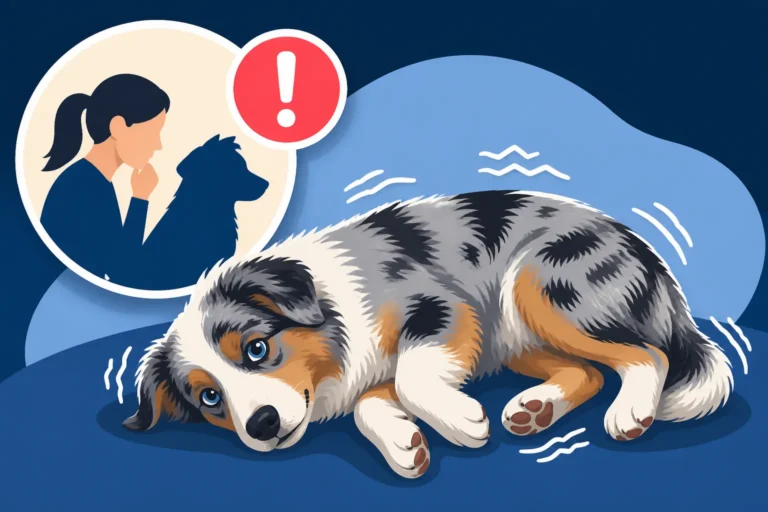
True MDR1 drug toxicity, which comes from overdosing an MDR1-affected dog with problematic medications, typically manifests as severe neurological signs. It’s crucial to understand these symptoms so you can differentiate them from minor side effects, but remember, these are extremely unlikely to occur with standard heartworm preventative doses.
If, by some incredibly rare chance (perhaps from accidental ingestion of a very large quantity of medication, or a mislabeled product, which is almost unheard of), an MDR1 Aussie were to suffer an overdose of a macrocyclic lactone, you might see signs such as:
- Disorientation or confusion: Your dog might seem lost, stare blankly, or not recognize you.
- Ataxia (loss of coordination): This looks like stumbling, drunken gait, or difficulty walking in a straight line.
- Weakness or paralysis: Especially in the hind limbs, leading to collapse.
- Dilated pupils or blindness: Vision impairment can be a severe symptom.
- Hypersalivation (excessive drooling).
- Vomiting and diarrhea.
- Tremors or seizures.
- Coma.
These are the severe Neurological Signs an Aussie Is Reacting to a Drug when that drug is present in toxic quantities. If you ever observe any of these severe symptoms after giving any medication, treat it as an immediate veterinary emergency and seek care right away. But again, for standard, veterinary-prescribed heartworm preventatives, the risk of these severe reactions in an MDR1 Australian Shepherd is virtually nonexistent due to the minuscule dosage. Knowing your dog's MDR1 status and working closely with your vet provides the best possible protection and peace of mind.
Disclaimer
The information provided in this article is for general educational purposes only and is not a substitute for professional veterinary advice. Always consult with your veterinarian for any health concerns or before making any decisions related to your pet's medical care or treatment.