Neurological Signs an Aussie Is Reacting to a Drug
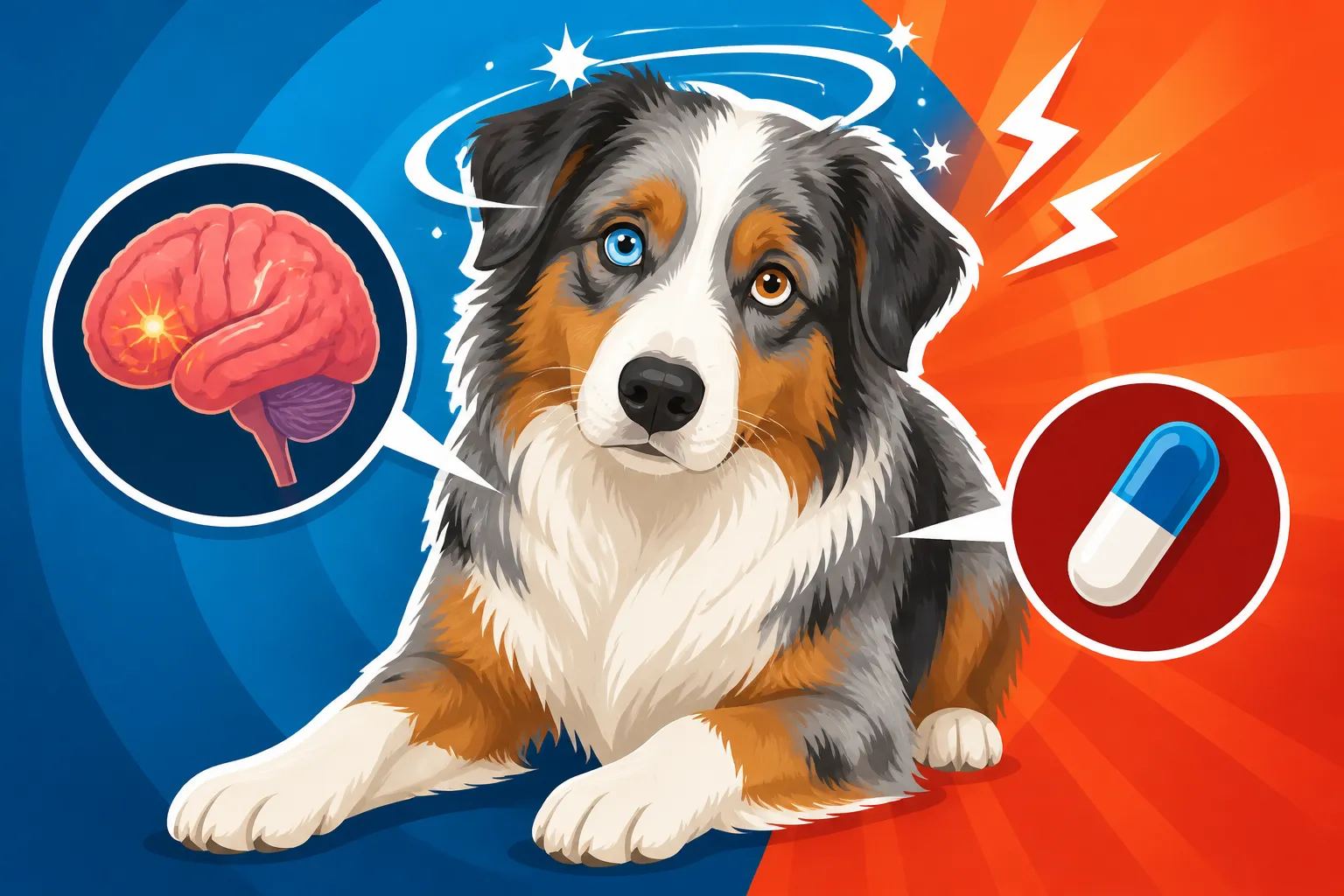
It's incredibly frightening when your Australian Shepherd starts acting strangely after taking medication. One moment you're giving them a routine pill, the next they might be stumbling, disoriented, or even seizing, leaving you with a knot of panic in your stomach. This guide will walk you through the neurological signs that indicate your beloved Aussie might be reacting adversely to a drug, what steps you need to take immediately, and how to proactively protect them from such harrowing experiences in the future.
Understanding Your Australian Shepherd's Unique Sensitivities
Australian Shepherds, as wonderful and vibrant as they are, come with a specific genetic quirk that can make them exceptionally sensitive to certain medications. It’s not just an "oops" moment; it's a profound physiological difference that can turn a standard dose into a dangerous overdose for them.
The MDR1 Gene and Drug Metabolism
The biggest factor playing into an Australian Shepherd's drug sensitivity is the Multi-Drug Resistance 1 (MDR1) gene mutation, also known as ABCB1. This isn't some rare anomaly; it's incredibly common, with roughly half of all Australian Shepherds carrying this mutation. When a dog has a functional MDR1 gene, it produces a protein called P-glycoprotein, which acts like a bouncer at the blood-brain barrier. This P-glycoprotein actively pumps certain drugs and toxins out of the brain, protecting it from harm.
However, in Aussies with the mutated MDR1 gene, this P-glycoprotein doesn't work correctly, or isn't produced at all. This means that when they receive certain medications, those drugs aren't effectively pumped out of the brain, leading to an accumulation of toxic levels. Imagine trying to keep water out of a boat with a broken pump – eventually, the boat fills up. Similarly, the drug levels in the brain rise unchecked, leading to severe neurological symptoms. For a deeper dive into this, you might find our article on The MDR1 Mutation Half of Australian Shepherds Carry incredibly insightful.
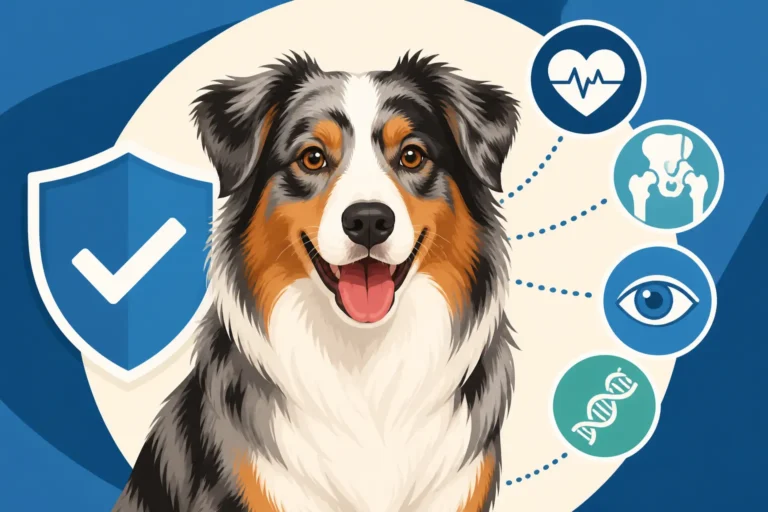
The list of problematic drugs for MDR1-affected Aussies includes common medications that vets might prescribe without knowing your dog's specific genetic status. For example, some anti-parasitic drugs like ivermectin (at higher doses) can be devastating. Loperamide, an anti-diarrhea medication, can also cross the blood-brain barrier unimpeded, causing severe neurological depression. Even some chemotherapy drugs, opioids, and anesthetics need dose adjustments. It’s truly a game-changer for how you manage your Aussie's health. This is why getting The Genetic Panel Every Australian Shepherd Needs is not just a recommendation, but a critical step in responsible Australian Shepherd ownership.
Beyond MDR1: Other Factors Increasing Risk
While the MDR1 gene is a major player, it's not the only factor that can increase your Aussie's risk of adverse drug reactions. There are several other considerations that can tip the scales, making a seemingly safe medication problematic.
Firstly, your dog's overall health and organ function are paramount. The liver and kidneys are the body’s primary detoxification organs. If your Aussie has underlying liver or kidney disease, even a drug considered safe for MDR1 dogs might not be metabolized or excreted properly, leading to accumulation and toxicity. A senior Australian Shepherd, for instance, might have reduced organ function due to age, making them more vulnerable. Similarly, a young puppy's liver and kidneys aren't fully developed, so they may process drugs differently than an adult dog.
Concurrent medications are another huge risk factor. If your Aussie is already on several medications for conditions like Australian Shepherd Autoimmune Disease or chronic pain, there's a higher chance of drug interactions. One drug might inhibit the metabolism of another, leading to unexpectedly high levels. Always provide your vet with a complete list of all medications, supplements, and even herbal remedies your Aussie is taking, no matter how innocuous they seem. This comprehensive view helps your vet anticipate potential interactions and adjust dosages accordingly.
Finally, individual sensitivity can vary. Just like in humans, some dogs are simply more sensitive to certain compounds than others, even without a known genetic mutation. Factors like diet, stress levels, and even environmental toxins can subtly influence how a dog responds to medication. It's a complex puzzle, and every piece of information helps your vet tailor the safest treatment plan for your unique Australian Shepherd.
Recognizing Subtle to Severe Neurological Signs
When an Australian Shepherd reacts to a drug, the signs can range from barely noticeable to profoundly alarming. Knowing what to look for, from the subtle shifts in behavior to outright emergencies, can make all the difference in getting your Aussie the help they need quickly.
Early and Mild Indicators
Sometimes, the first signs are incredibly subtle, making them easy to miss if you're not attuned to your Aussie's normal behavior. You know your dog best, and any deviation from their usual cheerful, energetic self should raise a flag, especially if they've recently started a new medication.
One of the most common early indicators is a change in their energy levels. Your typically bouncy Aussie might seem unusually lethargic, sleeping more than usual, or showing less enthusiasm for walks and playtime. They might appear a bit "off" or disoriented, perhaps staring blankly into space, struggling to navigate familiar surroundings, or seeming a little confused about simple commands.
You might also notice minor coordination issues. Perhaps a slight wobble when they stand up, a clumsiness they don't normally possess, or an awkwardness in their gait. They might bump into furniture or misjudge steps. Excessive drooling, changes in pupil size (either dilated or constricted), or rapid eye movements (nystagmus) can also be early neurological signs. Some Aussies might exhibit mild tremors, particularly in their head or limbs, or seem generally restless and unable to settle, despite appearing tired. These aren't always immediate emergencies, but they are absolutely signals that you need to contact your veterinarian right away. It's like a quiet alarm bell, giving you a chance to intervene before things escalate. Careful observation, and perhaps even jotting down what you're seeing, can be crucial, just like when you're Logging Aussie Seizures for the Neurologist.
Moderate to Severe Symptoms Requiring Urgent Attention
When neurological signs become more pronounced, they demand immediate, emergency veterinary attention. These are not symptoms you can wait out; minutes can literally matter in these situations.
The most terrifying severe symptom is often a seizure. An Aussie experiencing a seizure might collapse, paddle their legs uncontrollably, lose bladder or bowel control, drool excessively, and be unresponsive. These can range from grand mal seizures, affecting the entire body, to focal seizures, which might manifest as twitching in one limb or facial area. Witnessing The First Seizure in a Two Year Old Australian Shepherd can be particularly shocking and requires swift action.
Severe ataxia, or a complete loss of coordination, is another critical sign. Your Aussie might be unable to stand, repeatedly fall over, or walk in circles. They may appear completely drunk and unable to control their movements. This level of disorientation is often accompanied by significant changes in consciousness, from stupor to complete unresponsiveness.
Other severe signs include sudden blindness or deafness, which can be disorienting and terrifying for your dog. Behavioral changes can also be profound; an otherwise friendly Aussie might become aggressive, extremely fearful, or agitated, unable to recognize familiar people or surroundings. In some cases, respiratory distress or collapse can occur, indicating a systemic toxic reaction affecting vital organs as well as the nervous system. If you see any of these more severe symptoms, do not hesitate – this is an absolute emergency. Understanding Emergency Vet Instructions for an MDR1 Australian Shepherd becomes paramount in such moments, ensuring you can provide critical information and care.
What to Do When You Suspect a Drug Reaction
Discovering your Australian Shepherd is having an adverse drug reaction is a heart-stopping moment. Panic can easily set in, but a clear head and swift action are your best allies. Knowing exactly what steps to take can significantly impact the outcome for your beloved companion.
Immediate Steps at Home
Your first priority is to prevent further exposure to the suspected medication. If you've just given a dose, and you immediately see concerning signs, stop giving any more. However, do not try to induce vomiting unless specifically instructed to do so by a veterinarian. Some drugs can cause more harm coming back up, especially if your dog is already disoriented or having trouble breathing, as it could lead to aspiration pneumonia.
As soon as you suspect a reaction, call your veterinarian or the nearest emergency veterinary clinic immediately. Do not wait for symptoms to worsen. When you call, be prepared to provide crucial information:
- The name of the medication, the dosage given, and the time it was administered.
- Your Aussie's medical history, especially their known MDR1 status. This is truly vital, and if you haven't tested them, mention that too. When you have to tell your vet, "My Australian Shepherd is MDR1 Positive," it changes everything about their treatment plan.
- A detailed description of the symptoms you are observing, including when they started and how they've progressed.
While you're on the phone, keep your dog safe and calm. Move them to a quiet, dimly lit area to minimize stimulation, especially if they are disoriented or seizing. If they are having a seizure, ensure they are not near stairs or sharp objects where they could injure themselves. Do not attempt to hold their tongue or put anything in their mouth; they will not swallow their tongue, and you risk getting bitten. Just focus on keeping them as safe as possible until you can get to the vet. Take deep breaths and try to remain as calm as you can for your dog.
Working with Your Veterinarian and Emergency Care
Once you've contacted your vet, they will likely advise you to bring your Australian Shepherd in immediately, especially if the symptoms are severe. As you head to the clinic, continue to observe your dog and note any changes. This continuous stream of information helps the vet understand the progression of the reaction.
Upon arrival, be ready to share all the details again. The veterinary team will perform a thorough physical examination, checking vital signs, neurological responses, and overall body condition. They might run diagnostic tests, which could include blood work to assess organ function (liver, kidneys), electrolyte balance, and general health. In some cases, more advanced diagnostics like an MRI or CT scan might be considered if the cause of neurological signs isn't immediately clear, though this is less common for acute drug reactions.
Treatment for a drug reaction is primarily supportive, focusing on stabilizing your Aussie and helping their body eliminate the toxin. This might involve:
- Intravenous (IV) Fluids: To help flush the drug from their system and maintain hydration.
- Activated Charcoal: If the drug was ingested recently, activated charcoal can bind to it in the digestive tract, preventing further absorption.
- Medications: Depending on the symptoms, vets might administer anti-seizure medications, muscle relaxants, or drugs to control vomiting.
- Monitoring: Your Aussie will be closely monitored for changes in their neurological status, heart rate, breathing, and blood pressure.
This kind of unexpected emergency care can be incredibly expensive. This is where having pet insurance, like a policy from Healthy Paws, can be an absolute lifesaver. Knowing that a significant portion of those emergency vet bills will be covered allows you to make decisions based purely on your Aussie's health needs, without the added stress of financial burden. Healthy Paws can truly help cushion the blow of these unforeseen, urgent medical situations. For more detailed insights on urgent care, our guide on Australian Shepherd Drug Reactions at the Emergency Vet provides valuable information.
Preventing Future Drug Reactions in Your Aussie
The best defense against adverse drug reactions is a strong offense rooted in proactive care and informed decision-making. Knowing your Australian Shepherd's unique needs and communicating them effectively can prevent much heartache.
Proactive Genetic Testing and Record Keeping
The single most important step you can take to prevent drug reactions in your Australian Shepherd is to get them tested for the MDR1 gene mutation. This is a simple, non-invasive cheek swab test that can be done at home or at your vet's office. The results will tell you if your Aussie is clear, a carrier, or affected. A dog that is a carrier might still have some sensitivity to certain drugs, though typically less severe than an affected dog. Knowing Whether an MDR1 Carrier Australian Shepherd Ever Reacts is vital for informed treatment. This crucial information should be a part of your dog's permanent health record and shared with every veterinarian, specialist, emergency vet clinic, and even pet sitter who might care for your Aussie. Think of it as their "allergy alert" that always needs to be front and center. If you're curious about how the test works, check out The Cheek Swab That Tests Australian Shepherd MDR1.
Beyond MDR1, maintain a comprehensive health record for your Aussie. This should include:
- All previous medications, their dosages, and any observed effects (positive or negative).
- Vaccination records, noting any sensitivities, which can sometimes be linked to MDR1 concerns, as discussed in Australian Shepherd Vaccination and MDR1 Concerns.
- Results from all genetic tests.
- Any chronic conditions, allergies, or previous illnesses.
- A list of foods, treats, and supplements they regularly consume.
Keep this information easily accessible, perhaps in a digital file you can quickly share, or a physical binder you can grab in an emergency. This thorough documentation acts as a medical passport for your Aussie, ensuring continuity of care and preventing miscommunications, especially with new or emergency veterinary staff.
Informed Medication Practices
Having your Aussie's genetic and health records is only half the battle; the other half is actively using that information to guide their care. Always inform any new veterinarian about your Australian Shepherd's breed and, specifically, their MDR1 status before any medication is prescribed or administered. Don't assume they know, or that it's in their system; a verbal reminder is always best.
When your vet proposes a new medication, take the time to ask questions:
- Is this medication safe for an MDR1-affected or carrier dog?
- Are there any potential drug interactions with other medications or supplements my Aussie is currently taking?
- What are the potential side effects, and specifically, what neurological signs should I watch for?
- What is the correct dosage for my Aussie's weight and health status?
For routine treatments, such as parasite prevention, be proactive in selecting safe options. Not all flea, tick, and heartworm medications are created equal when it comes to MDR1 sensitivity. Discuss specific brands and active ingredients with your vet to ensure you're choosing Parasite Prevention Safe for an MDR1 Australian Shepherd. Brands like Sentinel Spectrum, Trifexis, and Interceptor Plus are often recommended as safe options for MDR1 dogs, but always confirm with your vet.
Even with drugs considered safe for MDR1 Aussies, it's wise to monitor your dog closely for the first 24-48 hours after starting any new medication. Slight changes in behavior, appetite, or energy could be early indicators of an adverse reaction or sensitivity. Your vigilance is the final layer of protection for your Australian Shepherd.
Remember that unexpected emergencies, even with the best preventative measures, can sometimes happen. This is another area where a robust pet insurance plan can make a world of difference. For example, Healthy Paws can offer great peace of mind, covering accidents and illnesses, which would include unforeseen adverse drug reactions. This means if, despite all your precautions, your Aussie does have a bad reaction requiring costly emergency care, you won't be left to bear the full financial weight alone.
| Neurological Sign | Severity | Urgency | Description |
|---|---|---|---|
| Lethargy/Disorientation | Mild-Moderate | Contact vet within hours | Unusually sleepy, dullness, staring blankly, confusion, difficulty navigating familiar spaces. Less responsive to cues. |
| Mild Tremors/Muscle Twitching | Mild-Moderate | Contact vet within hours/same day | Shivering or trembling, particularly in head or limbs, without being cold or anxious. Localized muscle spasms. |
| Ataxia (Poor Coordination) | Moderate-Severe | Urgent vet visit (within 1-2 hours) | Wobbling, stumbling, appearing drunk, difficulty standing or walking straight, bumping into objects, uncharacteristic clumsiness. |
| Vision/Hearing Changes | Moderate-Severe | Urgent vet visit (within 1-2 hours) | Sudden onset of blindness (bumping into things, pupils dilated/unresponsive to light) or deafness (no response to sounds/commands). |
| Behavioral Alterations | Moderate-Severe | Urgent vet visit (within 1-2 hours) | Uncharacteristic aggression, extreme fearfulness, agitation, restlessness, pacing, disinterest in surroundings or people, confusion, inability to settle. |
| Seizures | Severe | Immediate emergency vet visit | Collapse, convulsions, uncontrolled paddling of limbs, loss of consciousness, drooling, vocalization, loss of bladder/bowel control. Can be full-body or localized (e.g., facial twitching). |
| Collapse/Loss of Consciousness | Severe | Immediate emergency vet visit | Sudden inability to stand or respond, limpness, unresponsiveness. Indicates severe systemic or neurological distress. |
Disclaimer
This article is intended for informational purposes only and does not constitute veterinary advice. Always consult with a qualified veterinarian for any health concerns or before making any decisions about your pet's medical care. In an emergency, contact your veterinarian or an emergency veterinary clinic immediately.