Australian Shepherd Vaccination and MDR1 Concerns
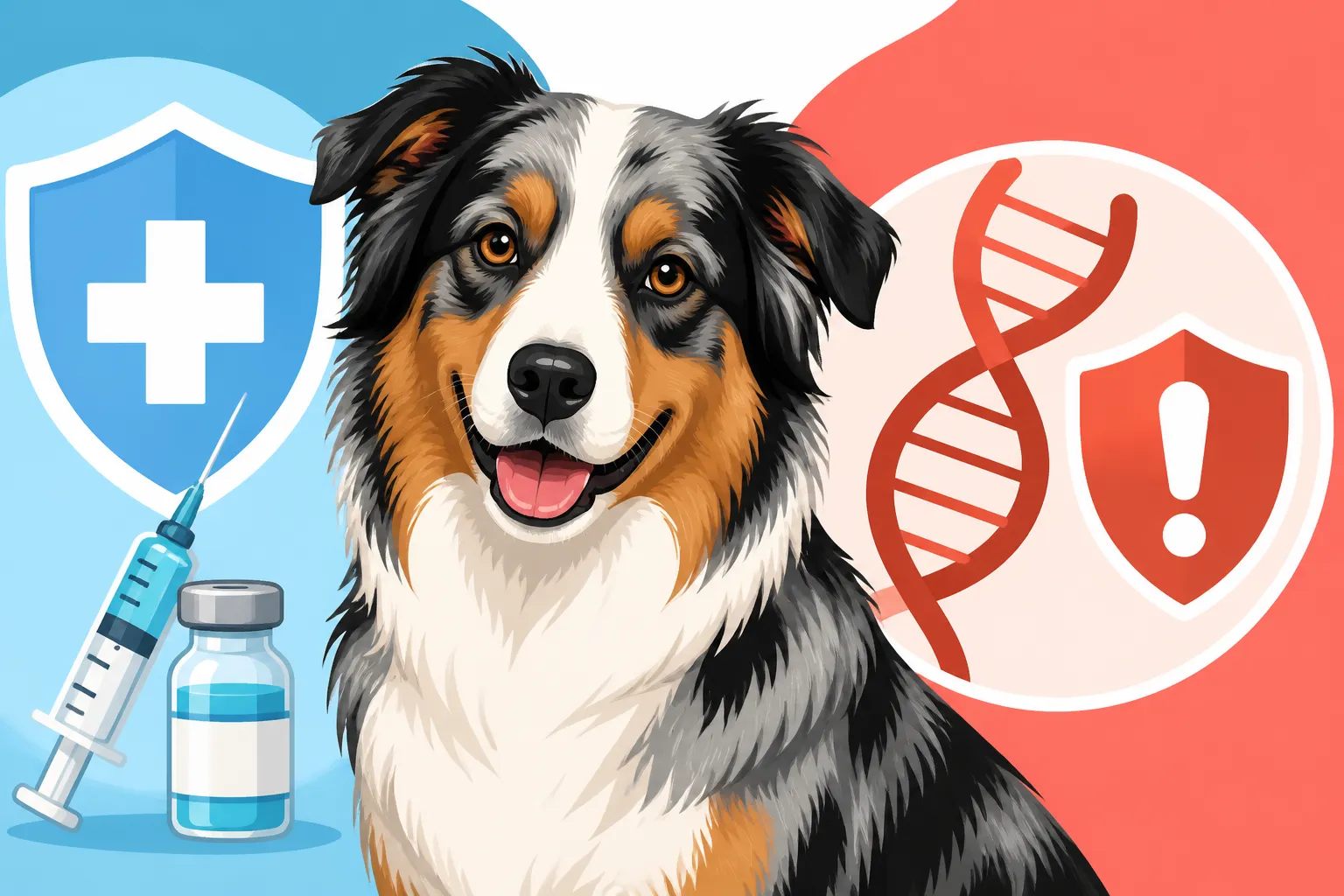
It's incredibly common for Australian Shepherd parents to feel a pang of anxiety when their vet mentions vaccinations, especially if they know their beloved Aussie carries the MDR1 gene. The worry is real: you've heard how sensitive these dogs can be to certain medications, and you naturally want to ensure you're doing everything possible to keep them safe. This guide aims to clear up the confusion surrounding Australian Shepherd vaccinations, focusing specifically on how the MDR1 mutation influences these crucial preventative measures, so you can confidently protect your furry family member.
Understanding MDR1 and Its Impact on Medication
The MDR1 gene, or Multidrug Resistance 1 gene, is a significant factor in the health management of many herding breeds, including our smart, energetic Australian Shepherds. If you've ever felt a knot in your stomach thinking about what medications might be safe for your Aussie, you're not alone. This genetic mutation can turn routine veterinary care into a minefield if not properly understood.
What is the MDR1 Mutation and Why It Matters?
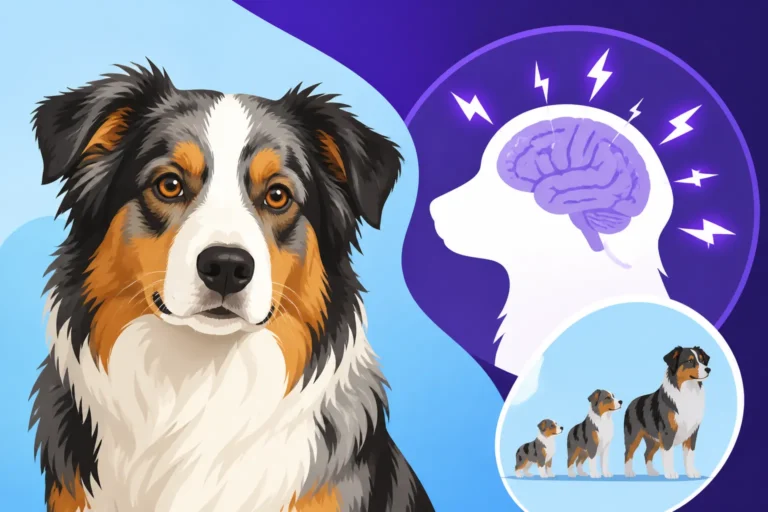
At its core, the MDR1 mutation is a genetic defect that impairs the function of a specific protein called P-glycoprotein. Think of P-glycoprotein as your dog's personal bouncer for certain drugs, actively pumping them out of sensitive areas like the brain. When an Australian Shepherd has the MDR1 mutation, this bouncer isn't working correctly, or sometimes not at all. This means that drugs that would normally be expelled can build up to toxic levels, particularly in the central nervous system. It’s a bit like having a leaky dam; substances that should be contained or redirected end up flooding areas they shouldn't.
This isn't a rare anomaly; in fact, The MDR1 Mutation Half of Australian Shepherds Carry is a stark reality for many owners. Studies show that a significant percentage of Australian Shepherds carry at least one copy of this mutated gene. For an owner, knowing your dog's MDR1 status is paramount because it dictates how their body processes a whole host of common medications. Without a functional P-glycoprotein, your Aussie could experience severe neurological symptoms, seizures, or even death from doses of drugs that would be perfectly safe for a non-MDR1 dog. It’s a powerful reminder that what works for one dog might be catastrophic for another, and this genetic difference is the key.
Identifying High-Risk Drugs Beyond Just Ivermectin
When most people hear "MDR1," their minds immediately jump to Ivermectin, and for good reason. Ivermectin, a common antiparasitic, is one of the most notorious drugs that can cause severe reactions in MDR1-positive dogs. Even in minute doses, like those found in some heartworm preventatives, it can be a concern, although Why Heartworm Doses Are Still Safe for an MDR1 Aussie explains why some forms are generally okay. But the list of problematic drugs extends far beyond just Ivermectin, making it crucial for owners to be thoroughly informed.
Other medications that can pose a significant risk include Loperamide (found in over-the-counter anti-diarrhea medications like Imodium), certain chemotherapy agents, some anesthetics, and even certain steroids. The Drugs an MDR1 Australian Shepherd Cannot Take details many of these compounds. For example, a seemingly harmless dose of loperamide, intended to help with an upset stomach, could lead to profound neurological depression, disorientation, and even coma in an MDR1-positive Australian Shepherd because the drug accumulates in the brain. Similarly, certain anesthetics may need to be adjusted or avoided entirely during surgery, as they can have prolonged and intensified effects. This is why when you take your Aussie to the vet, it’s not just a casual mention; you need to explicitly state, "My Australian Shepherd is MDR1 positive," even if they've been there before. Your vet needs to know this critical piece of information to make safe and informed treatment decisions, preventing a potential crisis.
Standard Vaccination Protocols for Australian Shepherds
Vaccinations are a cornerstone of preventative health care for all dogs, and Australian Shepherds are no exception. They protect against serious, often fatal diseases that are still prevalent in our communities. Understanding the difference between core and non-core vaccines, and when each is typically recommended, is vital for every Aussie owner.
Core Vaccines Every Aussie Needs
Core vaccines are those recommended for all dogs, regardless of their lifestyle or geographic location, due to the severe and often fatal nature of the diseases they prevent. For your Australian Shepherd, these are non-negotiable foundations of their health. The primary core vaccines include Distemper, Adenovirus (Hepatitis), Parvovirus, and Rabies. The combination vaccine for Distemper, Adenovirus, and Parvovirus (often abbreviated as DA2PP or DHPP) is crucial, especially for puppies. This series typically starts around 6-8 weeks of age, with boosters given every 3-4 weeks until the puppy is 16 weeks old. This schedule ensures a strong immune response develops as the maternal antibodies, which initially protect puppies, wane.
Rabies vaccination is not only critical for your dog's health but is also legally mandated in most places due to its zoonotic potential (meaning it can spread to humans). The first rabies vaccine is usually given around 12-16 weeks of age, with a booster one year later, and then typically every one to three years, depending on local regulations and the specific vaccine used. These vaccines protect your Aussie from highly contagious and deadly illnesses, and they are generally considered very safe for all dogs, including those with the MDR1 mutation, because the mechanism of action for vaccines (stimulating an immune response) is fundamentally different from how drugs are processed through the P-glycoprotein pump. Investing in a robust pet insurance plan, such as one from Healthy Paws, can offer peace of mind, covering unexpected vet visits or health issues that might arise, ensuring you can always afford the best care for your vaccinated Aussie.
Non-Core Vaccines and When to Consider Them
Beyond the essential core vaccines, there are several non-core vaccines that vets recommend based on a dog's individual risk factors, lifestyle, and geographical location. These are not universally required but can be incredibly important for Aussies who are frequently exposed to certain environments or other dogs. Common non-core vaccines include Leptospirosis, Bordetella (kennel cough), and Lyme disease.
- Leptospirosis: This is a bacterial disease often found in standing water and wildlife urine. If your Australian Shepherd loves to swim in ponds, hikes in wooded areas, or has exposure to rodents, a Leptospirosis vaccine might be strongly advised. The disease can cause severe kidney and liver damage and is also zoonotic, meaning it can infect humans.
- Bordetella: Often referred to as "kennel cough," this vaccine is recommended for dogs who frequent boarding facilities, dog parks, grooming salons, or participate in dog sports. It's similar to a flu shot for humans, protecting against a highly contagious respiratory illness.
- Lyme Disease: Prevalent in areas with high tick populations, the Lyme vaccine protects against the bacteria Borrelia burgdorferi, transmitted by deer ticks. If you live in an endemic area or take your Aussie hiking in such regions, this vaccine can be a crucial preventative measure.
The decision to administer non-core vaccines should always be a collaborative discussion with your veterinarian. They can assess your Aussie's specific risks based on your local environment and your dog's activities. For example, if you have an Aussie living in a city apartment with minimal outdoor exposure, some non-core vaccines might not be necessary, whereas a working Australian Shepherd on a rural farm would have very different needs. It's about tailoring the preventative care to your dog's unique life, ensuring they get the protection they need without unnecessary treatments. Remember, keeping track of your Aussie's overall health and discussing potential future expenses with a provider like Healthy Paws can help you plan for both routine and specialized care.
Navigating Vaccinations with an MDR1-Positive Australian Shepherd
This is where much of the anxiety for Aussie owners often lies. The fear that an MDR1 mutation might somehow interfere with the safety or efficacy of vaccinations is a very real concern. It’s vital to separate fact from misconception when it comes to protecting your dog.
Are Vaccines Safe for MDR1 Aussies?
Let's get straight to the point: Yes, vaccines are generally considered safe for Australian Shepherds with the MDR1 mutation. This is a critical piece of information that often gets lost in the broader conversation about MDR1 drug sensitivities. The fundamental difference lies in how vaccines work versus how problematic drugs interact with the P-glycoprotein pump.
Vaccines function by introducing a weakened or inactivated form of a virus or bacteria, or components thereof, into the body. This safely stimulates the dog's immune system to produce antibodies, effectively "training" it to recognize and fight off future infections. This process is about building immunity, not about the systemic transport and metabolism of a drug across the blood-brain barrier via the P-glycoprotein pump. Therefore, the MDR1 gene's mutation, which primarily affects how certain chemical compounds are moved in and out of cells, typically has no bearing on a vaccine's safety or efficacy. You can think of it this way: the immune system is a completely different operating system from the drug detoxification and transport system that MDR1 impacts. While Australian Shepherd Vaccination and MDR1 Concerns are valid, it's reassuring to know that current veterinary consensus supports the safety of standard vaccinations for these dogs.
However, it’s always wise to discuss your dog's full health history, including their MDR1 status, with your veterinarian before any procedure. This open communication ensures that your vet has all the information needed to make the best decisions for your individual dog. If you’re concerned about any potential general vaccine reactions, remember that services like Healthy Paws can help manage unforeseen vet bills, providing an extra layer of financial security for your Aussie's health.
Best Practices for Vaccinating Your MDR1 Aussie
Even though vaccines are largely safe for MDR1-positive Australian Shepherds, there are still best practices you should follow to ensure their well-being and your peace of mind. These steps aren't necessarily specific to MDR1 dogs in terms of vaccine reaction, but they are excellent habits for any conscientious dog owner and become even more crucial when managing a dog with special genetic considerations.
First and foremost, always inform every veterinarian and veterinary staff member that your Australian Shepherd is MDR1 positive. This can't be stressed enough. Even if it's a routine vaccine appointment at a clinic they've visited before, a new tech or vet might be on duty, or the information might not be immediately visible in their chart. This ensures that if any other medication needs to be administered simultaneously or in the near future (perhaps for a minor allergic reaction to the vaccine itself, which is a rare but general risk for any dog, not MDR1-specific), they are aware of the crucial drug sensitivities. It's also a good idea to have Telling Your Vet an Australian Shepherd Is MDR1 Positive clearly noted in their permanent file.
Secondly, observe your Aussie closely for 24-48 hours after vaccination. While severe reactions directly linked to MDR1 and vaccines are not expected, general vaccine reactions (like mild lethargy, decreased appetite, slight fever, or localized swelling at the injection site) can occur in any dog. These are usually mild and resolve on their own, but knowing what's normal and what warrants a call to the vet is important. For instance, severe swelling, persistent vomiting, diarrhea, or difficulty breathing would indicate a more serious allergic reaction requiring immediate veterinary attention. Planning ahead with pet insurance like Healthy Paws can also offer reassurance if your dog ever has an unexpected, though unlikely, adverse reaction to any medical procedure. It’s always better to be prepared for the unexpected, even if it’s outside the scope of MDR1.
| Vaccine Type | Safety for MDR1 Aussies | Primary Purpose | Considerations for Aussie Owners |
|---|---|---|---|
| Core Vaccines | |||
| Distemper | Safe | Prevents severe, often fatal viral disease | Essential for all Aussies, part of DHPP combination |
| Adenovirus (Hepatitis) | Safe | Prevents infectious canine hepatitis | Essential for all Aussies, part of DHPP combination |
| Parvovirus | Safe | Prevents highly contagious, often fatal enteritis | Essential for all Aussies, part of DHPP combination |
| Rabies | Safe | Prevents fatal viral disease (zoonotic) | Legally required; crucial for public and pet health |
| Non-Core Vaccines | |||
| Leptospirosis | Safe | Prevents bacterial disease affecting kidneys/liver | Consider for Aussies with water/wildlife exposure |
| Bordetella (Kennel Cough) | Safe | Prevents infectious respiratory disease | Consider for Aussies frequenting dog parks, boarding, grooming |
| Lyme Disease | Safe | Prevents tick-borne bacterial infection | Consider for Aussies in high-tick areas or hiking frequently |
Proactive Health Management and Advocacy for Your Aussie
Being an Australian Shepherd owner, especially one with an MDR1-positive dog, means taking a proactive stance in their health management. It’s about being informed, prepared, and a strong advocate for your dog in all veterinary interactions. This approach minimizes risks and maximizes their chances for a long, healthy life.
The Importance of Genetic Testing and Documentation
If you're unsure about your Australian Shepherd's MDR1 status, the very first step you should take is to get them genetically tested. This is a simple, non-invasive process, usually involving a cheek swab. The Cheek Swab That Tests Australian Shepherd MDR1 can be done by your vet or through a reputable genetics lab. Knowing whether your dog is clear, a carrier, or affected by the MDR1 mutation is fundamental to their safe medical care. While Whether an MDR1 Carrier Australian Shepherd Ever Reacts is less common, it’s still critical to understand all potential risks. This knowledge isn't just for you; it's for every vet, emergency vet, and even pet sitter who might ever care for your dog.
Once you have the test results, treat them like gold. Keep a copy in an easily accessible place at home, provide a copy to your primary veterinarian to keep in your dog's file, and consider Putting MDR1 on an Australian Shepherd's Collar Tag. There are specific medical alert tags available that state "MDR1 Positive" to alert anyone, especially in an emergency situation, that your dog has specific drug sensitivities. This documentation can literally be a lifesaver. Imagine an emergency scenario where your dog needs immediate treatment and you're not present; a clear indication of their MDR1 status could prevent a tragic mistake. Having this documentation organized and accessible is a cornerstone of responsible Aussie ownership.
Open Communication with Your Veterinarian
One of the most powerful tools you have as an Australian Shepherd owner is open, honest, and proactive communication with your veterinarian. Your vet is your partner in your dog's health journey, and a good relationship built on trust and information exchange is invaluable. Never feel hesitant to ask questions or voice concerns, especially regarding your Aussie's unique needs.
Before any procedure, medication, or vaccination, always initiate a discussion. Ask about the necessity of each vaccine, potential side effects, and reiterate your dog's MDR1 status. For example, you might ask, "Given [Aussie's Name]'s MDR1 positive status, are there any specific concerns with this vaccine or any pre-medications you might use?" This kind of engagement ensures that you're an active participant in your dog's care, rather than a passive recipient of services. Some owners even seek out veterinarians who have a strong understanding of herding breeds and the MDR1 mutation, as The Genetic Panel Every Australian Shepherd Needs is becoming increasingly common knowledge among informed vets. This proactive dialogue helps build a comprehensive health plan tailored to your Australian Shepherd, minimizing risks and optimizing their overall well-being. And remember, for any unexpected illness or accident that might arise, having comprehensive pet insurance like Healthy Paws can ensure that financial considerations never stand in the way of necessary treatments or specialized veterinary advice.
Disclaimer
The information provided in this article is for educational purposes only and is not a substitute for professional veterinary advice. Always consult with a qualified veterinarian for any health concerns or before making any decisions about your pet's medical care, diet, or treatment plans.