Parasite Prevention Safe for an MDR1 Australian Shepherd
It’s a truly frightening moment for any Australian Shepherd owner when you realize that some of the most common, seemingly harmless medications, especially those for parasites, could actually be dangerous for your beloved companion. The worry about giving your Aussie the wrong thing, knowing their unique genetic makeup might make them incredibly sensitive, is a heavy burden. This guide aims to alleviate that stress by walking you through safe and effective parasite prevention strategies for your Australian Shepherd, particularly if they carry the MDR1 gene mutation.
Understanding the MDR1 Mutation and Parasite Risks
The Multidrug Resistance 1 (MDR1) gene mutation is a significant concern for many herding breeds, including Australian Shepherds. This genetic variation can affect how a dog metabolizes and eliminates certain drugs, leading to potentially severe and even fatal reactions if they're exposed to medications that cross the blood-brain barrier. It's not just a minor sensitivity; it's a fundamental difference in how their bodies handle specific chemicals. The challenge for us as owners is ensuring our furry friends are protected from common pests without inadvertently exposing them to harm.
The Peril of Standard Parasite Medications
For Aussies with the MDR1 mutation, certain active ingredients found in common dewormers, heartworm preventatives, and flea/tick treatments can be incredibly problematic. The most infamous culprit is ivermectin, often found in various formulations. While it's a powerful and effective antiparasitic for many dogs, even low doses can be toxic to an MDR1-affected Aussie. The P-glycoprotein, which the MDR1 gene codes for, usually acts like a protective pump, pushing drugs out of the brain. When this pump doesn't work correctly, those drugs can accumulate in the central nervous system, leading to neurological symptoms ranging from tremors and disorientation to seizures, coma, and even death. It’s vital to be fully aware of The Drugs an MDR1 Australian Shepherd Cannot Take and discuss every medication with your veterinarian.
Beyond ivermectin, other drugs like loperamide (Imodium), which is an anti-diarrheal, and some chemotherapy drugs can also pose a risk. The critical takeaway is that you cannot assume a drug is safe just because it’s approved for dogs. You need to verify its safety specifically for an MDR1-positive Australian Shepherd. This is why testing your Aussie for the MDR1 mutation is paramount; it takes the guesswork out of their care and gives you peace of mind. Without this knowledge, every vet visit or new medication recommendation can become a source of immense anxiety.
Common Parasites and Their Threat
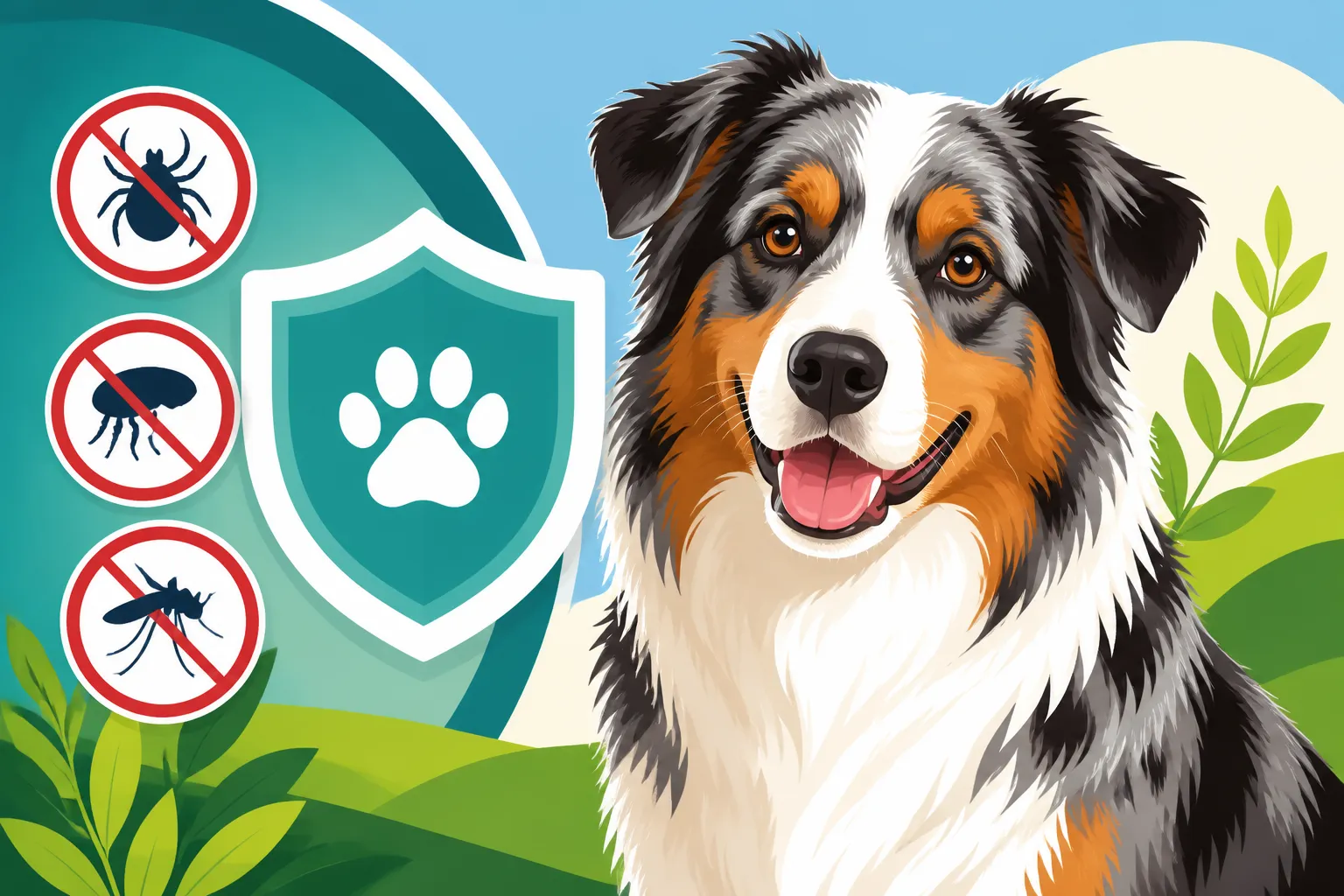
Despite the challenges of MDR1, protecting your Australian Shepherd from parasites is non-negotiable. Parasites aren't just an annoyance; they can cause serious health issues, chronic discomfort, and even life-threatening conditions. Heartworm disease, transmitted by mosquitoes, can lead to severe lung disease, heart failure, and other organ damage. Fleas cause intense itching, skin infections, and can transmit tapeworms. Ticks carry a host of diseases, including Lyme disease, ehrlichiosis, and anaplasmosis, which can have long-lasting, debilitating effects.
Intestinal worms like roundworms, hookworms, whipworms, and tapeworms can lead to malnutrition, vomiting, diarrhea, and in severe cases, intestinal blockages or anemia. Puppies are especially vulnerable to intestinal parasites. Given these risks, completely foregoing parasite prevention due to MDR1 concerns is not an option. The goal is to find safe, effective solutions that work with your Aussie's unique genetics, ensuring they live a long, healthy, and itch-free life. It’s all about informed choices, which this guide will help you make.
Heartworm Prevention Options for MDR1 Aussies
Heartworm disease is a particularly insidious threat because it’s silently transmitted by mosquitoes and can cause irreversible damage before symptoms even appear. The good news for MDR1 Australian Shepherd owners is that most commonly prescribed monthly heartworm preventatives are generally safe at their typical preventive doses. This is a common point of confusion and worry, but modern veterinary medicine has provided excellent solutions.
Safe Heartworm Medications
Many owners get nervous about heartworm medication because of the association with ivermectin. However, the dose of ivermectin used in most monthly heartworm preventatives (like Heartgard, often combined with pyrantel) is significantly lower than the doses that cause toxicity in MDR1-affected dogs. At these microfilaricidal doses, the drug generally doesn’t accumulate to dangerous levels in the brain. Similarly, other common heartworm preventatives using active ingredients like milbemycin oxime (found in Interceptor Plus, Sentinel Spectrum, and Tri-Heart Plus) and moxidectin (found in Advantage Multi, and ProHeart 6/12) are also considered safe for MDR1-positive Australian Shepherds at their prescribed preventive dosages. It’s a huge relief to know that your Aussie can still be thoroughly protected against this devastating disease. This explains Why Heartworm Doses Are Still Safe for an MDR1 Aussie.
When choosing a heartworm preventative, your veterinarian will consider several factors: your dog's weight, lifestyle, geographical location (which parasites are prevalent), and any other medications your Aussie might be on. The key is strict adherence to the prescribed dosage and schedule. Missing a dose or administering it incorrectly could reduce efficacy. These medications typically work by eliminating larval heartworms that have infected the dog in the past month, preventing them from maturing into adults. This means consistent, year-round prevention is crucial.
Consulting Your Vet on Heartworm Prevention
Even with the general safety of many heartworm preventatives for MDR1 Aussies, an open and honest dialogue with your veterinarian is absolutely critical. You should always ensure your vet knows your Australian Shepherd's MDR1 status. If your vet isn't familiar with MDR1, or if you're seeing a new clinic, bring a copy of your Aussie's genetic test results. This simple step can prevent serious complications. Many owners find it helpful to have a clearly visible tag on their Aussie's collar stating "MDR1 Positive" and to mention it as soon as they walk into any vet office, regardless of the visit's purpose.
Before starting any heartworm preventative, your Aussie will need a heartworm test to ensure they aren't already infected. Giving preventative medication to an already infected dog can cause severe reactions. After an initial negative test, annual testing is typically recommended to confirm your dog remains heartworm-free, even with consistent prevention. This vigilance ensures continuous protection and peace of mind. Companies like Healthy Paws, offering pet insurance, often emphasize the importance of preventative care like heartworm medication in their coverage options for overall health, acknowledging its critical role in your dog's long-term well-being.
Flea and Tick Control That Won't Harm Your Aussie
Fleas and ticks are more than just an itchy nuisance; they are vectors for a variety of serious diseases that can significantly impact your Australian Shepherd's health. Finding safe and effective control methods is a major concern for owners of MDR1-affected dogs, as some popular treatments historically contained ingredients that were problematic. Thankfully, the market has evolved, offering many excellent choices.
Safe Oral and Topical Medications
For flea and tick control, many oral medications are highly effective and safe for MDR1 Australian Shepherds. The isoxazoline class of drugs, which includes popular brands like Bravecto (fluralaner), Nexgard (afoxolaner), Simparica (sarolaner), and Credelio (lotilaner), are generally considered safe because they don't significantly cross the blood-brain barrier. These chewable tablets work by targeting the parasites' nervous systems when they bite your dog, causing paralysis and death, but do so without affecting your Aussie's central nervous system due to the MDR1 mutation. They are often given monthly or every few months, depending on the specific product.
Topical spot-on treatments are another viable option. Products containing fipronil (like Frontline Plus) or permethrin (like K9 Advantix II) are generally safe for MDR1 Aussies. However, it's crucial to note that permethrin can be highly toxic to cats, so if you have both dogs and cats in your household, extreme caution is needed to prevent any cross-contamination. Always apply these products strictly as directed, and ensure your Aussie doesn't lick the application site until it's dry. Seresto collars, which release active ingredients like flumethrin and imidacloprid over an extended period, are also considered safe and effective for flea and tick prevention in MDR1-positive dogs. This is a big relief, knowing that The Flea Products Dangerous to an MDR1 Aussie are now easier to avoid with these safe alternatives.
Natural and Environmental Controls
While pharmaceutical options are often the most reliable for comprehensive parasite control, incorporating natural and environmental strategies can provide an additional layer of protection and help reduce the overall parasite burden in your Aussie's environment. Regular grooming is not just for keeping that beautiful double coat looking good; it's also an excellent opportunity to physically check for and remove fleas and ticks. Using a fine-toothed flea comb can catch fleas before they have a chance to multiply. For ticks, a daily "tick check," especially after walks in grassy or wooded areas, is crucial for early detection and removal.
Managing your yard and home environment can also make a big difference. Keeping grass trimmed short, removing leaf litter, and avoiding tall brush can reduce tick habitats. Regularly vacuuming indoors and washing your dog's bedding in hot water can help control flea populations. While these methods are helpful, they are rarely sufficient on their own for complete protection, especially in areas with high parasite prevalence. They should be seen as complementary to, rather than replacements for, veterinarian-approved preventatives.
Intestinal Worm Prevention and General Best Practices
Intestinal parasites are a common problem for dogs of all breeds, including Australian Shepherds. While often less visible than fleas or ticks, they can cause significant health issues. The good news is that preventing and treating intestinal worms in MDR1-affected Aussies also has safe and effective options.
Deworming Protocols for MDR1 Aussies
For routine deworming or treating specific intestinal worm infections, certain medications are perfectly safe for MDR1 Australian Shepherds. Fenbendazole (marketed as Panacur) is a broad-spectrum dewormer effective against roundworms, hookworms, whipworms, and some tapeworms, and it is considered safe for MDR1-positive dogs. Pyrantel pamoate is another safe and common dewormer, primarily targeting roundworms and hookworms. Many monthly heartworm preventatives, such as Interceptor Plus and Sentinel Spectrum, also contain ingredients like milbemycin oxime, which provide concurrent protection against various intestinal parasites, streamlining your dog’s preventative care.
The best approach to intestinal worms is routine fecal testing. Your veterinarian can analyze a stool sample to identify specific parasites present and recommend the most appropriate dewormer. Puppies typically need a series of deworming treatments, as they are often born with or quickly acquire intestinal parasites from their mothers. For adult dogs, routine fecal exams, usually once or twice a year, are generally sufficient, especially if they are on a broad-spectrum monthly preventative. If your Aussie is tested for The Genetic Panel Every Australian Shepherd Needs, MDR1 status will be included, giving your vet the complete picture.
Holistic Approach to Parasite Management
Beyond specific medications, a holistic approach that focuses on your Australian Shepherd's overall health and well-being can significantly contribute to their resilience against parasites. A strong immune system, supported by high-quality nutrition, is always your dog's first line of defense. Feeding a balanced diet appropriate for your Aussie's age, activity level, and any sensitivities is fundamental. Discussing optimal nutrition with your vet or a certified veterinary nutritionist can be beneficial.
Regular veterinary check-ups are paramount. These visits allow your vet to monitor your Aussie's general health, catch any potential issues early, and ensure their parasite prevention plan remains appropriate. When you have an MDR1 Aussie, consistent communication with your veterinary team is essential. Make sure that when you’re Telling Your Vet an Australian Shepherd Is MDR1 Positive, it's explicitly noted in their permanent record. Should you ever need to visit an emergency vet, having your Aussie's MDR1 status clearly visible on their collar tag, along with a laminated card in your wallet, can literally be a lifesaver. This proactive approach ensures that your Aussie receives the best possible care, considering their unique genetic needs.
Importance of Accurate Diagnosis and Record Keeping
The absolute foundation of safe parasite prevention for an Australian Shepherd is knowing their MDR1 status. If you haven't already, please get your Aussie tested for the MDR1 mutation. It's a simple cheek swab test, and the results provide invaluable information that guides all future medical care. Understanding Reading an Aussie MDR1 Result Line by Line will empower you to advocate for your dog.
Once you have your Aussie's MDR1 status, communicate it clearly and repeatedly to every veterinarian, veterinary technician, and groomer who cares for your dog. Have it prominently noted in their medical chart. Consider having it engraved on their ID tag or a special collar tag. Keeping a detailed record of all medications, including parasite preventatives, dosages, and dates administered, is also a best practice. This meticulous record-keeping, combined with open communication with your vet, creates a safety net that helps prevent accidental drug reactions and ensures your Australian Shepherd remains happy, healthy, and protected from parasites, year after year.
Here's a quick reference table for common parasite preventatives and their general safety for MDR1 Australian Shepherds:
| Parasite Type | Safe Active Ingredients/Brands (Generally) | Potentially Harmful Active Ingredients (MDR1) | Notes |
|---|---|---|---|
| Heartworm | Milbemycin oxime (Interceptor Plus, Sentinel Spectrum), Moxidectin (Advantage Multi, ProHeart), Low-dose Ivermectin (Heartgard Plus) | High-dose Ivermectin | Most monthly heartworm preventatives are safe at their prescribed dosages due to very low ivermectin or alternative safe ingredients. Always confirm with your vet, especially if moving to a new region or switching products. |
| Fleas & Ticks | Oral: Isoxazolines (Bravecto, Nexgard, Simparica, Credelio). Topical: Fipronil (Frontline Plus), Permethrin (K9 Advantix II – dog only!), Flumethrin/Imidacloprid (Seresto Collar) | None commonly used in new generation flea/tick preventatives. | The isoxazoline class of oral preventatives are considered very safe. For topical permethrin products, ensure no cat exposure. Always check the active ingredients. |
| Intestinal Worms | Fenbendazole (Panacur), Pyrantel Pamoate, Milbemycin Oxime (often in combo heartworm meds) | None commonly used in new generation dewormers. | Many heartworm preventatives also cover common intestinal worms. Regular fecal exams are key to identify specific parasites. |
Remember, this table is a general guide. Your veterinarian is always your best resource for personalized advice based on your Australian Shepherd's individual health, MDR1 status, and local parasite risks. Healthy Paws and similar pet insurance providers consistently highlight the importance of preventative care, reminding us that these measures are crucial investments in our pets' long-term health and happiness.
Disclaimer
The information provided in this article is for educational purposes only and is not a substitute for professional veterinary advice. Always consult with a qualified veterinarian regarding your Australian Shepherd's specific health concerns, diagnosis, and treatment plan, especially concerning their MDR1 status and medication choices.