Telling Your Vet an Australian Shepherd Is MDR1 Positive
It’s a terrifying moment when you realize your beloved Australian Shepherd might react badly to a routine medication because of a genetic quirk. Many Aussie parents grapple with the fear of accidentally harming their dog simply because their vet isn't fully aware of the critical MDR1 sensitivity. This guide is here to empower you, giving you the confidence and the clear steps needed to effectively communicate your Australian Shepherd’s MDR1 status to any veterinarian, ensuring your furry family member receives the safest possible care.
Understanding MDR1 Sensitivity in Australian Shepherds
The MDR1 gene, or Multidrug Resistance 1 gene, is a bit of a silent alarm bell lurking in many Australian Shepherds. When this gene has a mutation, it means your dog's body can't handle certain common medications in the way other dogs can. It’s not just a minor intolerance; it can be life-threatening.
What the MDR1 Gene Does
At its core, the MDR1 gene is responsible for producing a protein called P-glycoprotein. Think of P-glycoprotein as a tiny bouncer or a gatekeeper in your dog’s body, especially in the brain, intestines, and other organs. Its job is to pump certain drugs out of these sensitive areas, preventing them from building up to toxic levels. It’s a crucial defense mechanism against various medications. When an Australian Shepherd has the MDR1 mutation, this P-glycoprotein bouncer isn't doing its job right, or sometimes not at all. This means that drugs that would normally be expelled safely can cross the blood-brain barrier or accumulate elsewhere, leading to severe neurological symptoms or other adverse reactions. It’s like having a faulty exhaust system in a car; the toxins just build up.
Why Aussies Are Affected
The Australian Shepherd breed is, unfortunately, one of the primary breeds known to carry this specific mutation. In fact, roughly half of all Australian Shepherds carry this gene mutation in some form, either as a carrier (one copy of the mutated gene) or as affected (two copies). This is why understanding The MDR1 Mutation Half of Australian Shepherds Carry is so critical for any Aussie owner. It’s a widespread issue that breeders and owners alike need to be acutely aware of. Historically, this mutation spread through certain working lines before its significance was fully understood. Because Aussies were bred for their working ability and intelligence, this mutation became more prevalent in the gene pool. It’s a stark reminder that while genetics can give us amazing traits, they can also bring challenges.
The Dangers of Undiagnosed MDR1
Imagine rushing your Australian Shepherd to an emergency vet after an accident, and in the haste, no one asks about or knows their MDR1 status. If the vet administers a common painkiller like butorphanol or an anti-diarrheal like loperamide (Imodium), your dog could suffer severe neurological toxicity. These drugs, typically safe for most dogs, can be lethal for an MDR1-affected Aussie because they aren't pumped out of the brain as they should be. Symptoms can range from disorientation, excessive drooling, tremors, and blindness to seizures, coma, and even death. It’s a truly frightening prospect, and it underscores why communication with your vet isn't just a good idea—it's absolutely vital. Understanding Neurological Signs an Aussie Is Reacting to a Drug can help you recognize these emergencies.
Identifying Your Aussie's MDR1 Status
Knowledge truly is power when it comes to the MDR1 mutation. Knowing your Australian Shepherd's status allows you to proactively protect them from potentially harmful medications. There’s no need to guess or assume when definitive testing is readily available.
Genetic Testing for MDR1
The good news is that testing for the MDR1 mutation is straightforward and non-invasive. Most commonly, it involves a simple cheek swab collection that you can often do right at home or have your vet perform. Labs like Washington State University's Veterinary Clinical Pharmacology Lab (VCPL), which pioneered much of the research, offer these tests, as do commercial DNA testing companies such as Embark and Wisdom Panel. You typically order a kit, swab the inside of your dog's cheek for a few seconds, and mail the sample back. The results usually come back within a few weeks and will clearly indicate your dog's genetic status. This simple step is perhaps the most important thing you can do for your Aussie’s lifelong health. Many owners include The Genetic Panel Every Australian Shepherd Needs in their puppy's early care plan, and MDR1 should absolutely be on that list.
Understanding Test Results
Once you get those results back, you'll see one of three designations:
- MDR1 N/N (Normal/Clear): This means your Australian Shepherd has two normal copies of the gene. They are not affected and will not pass the mutation on. They can tolerate all medications at standard doses without MDR1-related issues.
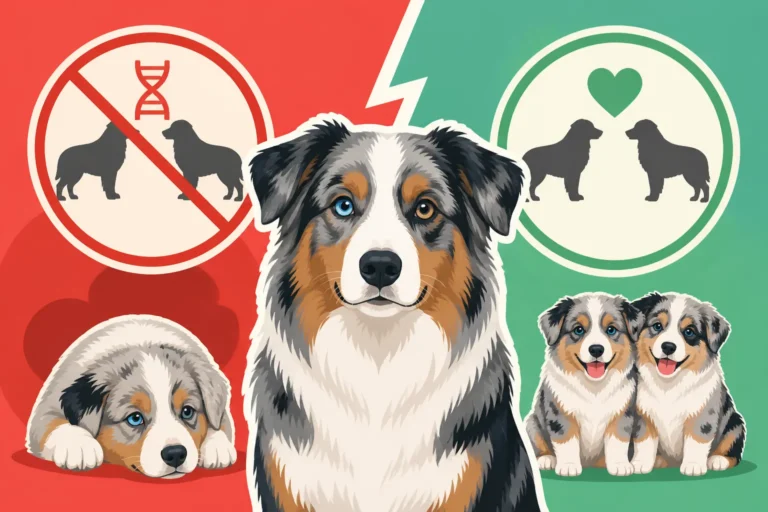
- MDR1 N/M (Carrier): This indicates your Aussie has one normal copy and one mutated copy of the gene. They are carriers and can pass the mutation on to their offspring if bred. While generally less sensitive than affected dogs, some carriers can still show mild sensitivity to certain drugs, especially at higher doses. It's still crucial to proceed with caution. Understanding What a Carrier MDR1 Result Means for an Aussie is important for proactive care.
- MDR1 M/M (Affected): This means your Australian Shepherd has two copies of the mutated gene. They are fully affected by the mutation and are highly sensitive to drugs processed by the P-glycoprotein pump. These dogs require extreme caution and dosage adjustments or alternative medications for a long list of drugs.
It's really important to read Reading an Aussie MDR1 Result Line by Line to fully grasp what the report means for your specific dog. Don't hesitate to ask your vet or the testing lab for clarification if anything is unclear.
What to Do If You Don't Know
If you’ve adopted an Australian Shepherd and their MDR1 status is unknown, the safest course of action is to assume they are MDR1 M/M (affected) and treat them accordingly. This means avoiding all known problematic drugs unless absolutely necessary and only under strict veterinary supervision with appropriate dose reductions. Even if your Aussie seems fine, you simply cannot risk it. Get the test done as soon as possible. Until then, make sure your vet knows you have an Australian Shepherd with an unknown MDR1 status and to prescribe medications with extreme caution, prioritizing those known to be safe or using minimum effective doses. It’s always better to be overly cautious than to face a preventable drug reaction.
Essential Information to Share With Your Vet
Communicating your Aussie's MDR1 status isn't just a one-time conversation; it needs to be an integral part of their health record and a point of discussion at every vet visit, especially with new or emergency vets.
Proactive Communication is Key
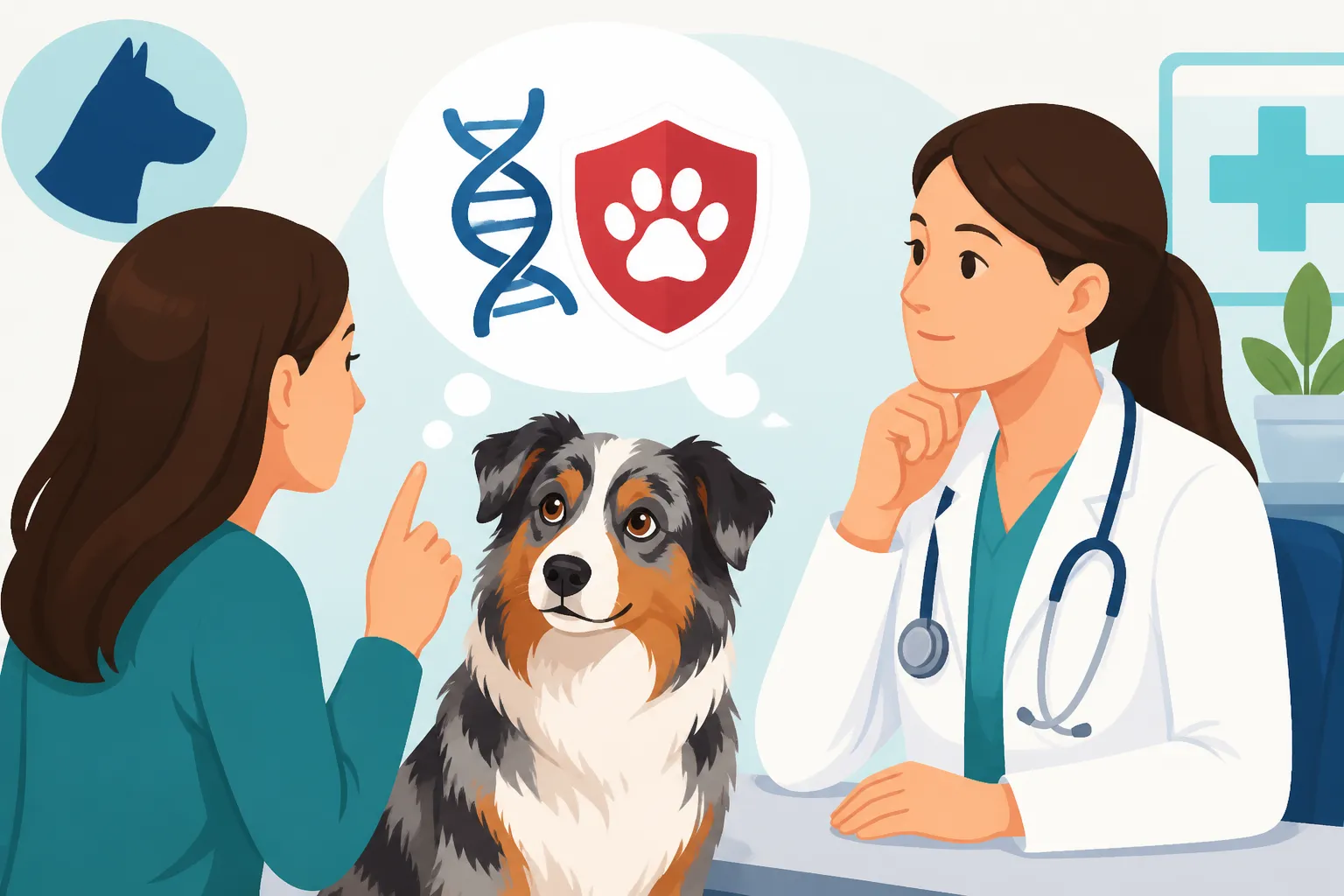
Don't wait for your vet to ask about MDR1. Be proactive! As soon as you establish care with a new veterinarian or at your first appointment with your Australian Shepherd, bring up their MDR1 status. Hand them a copy of the genetic test results and ask them to scan it into your dog's permanent medical record. Ensure it’s clearly flagged in their system, perhaps with an alert that pops up every time a prescription is about to be written. This is especially vital because different vets or vet technicians might be looking at the file. For instance, if you're dealing with a larger practice or an emergency clinic, multiple staff members might handle your dog's care. Making it impossible to miss means everyone on the team is aware.
The "Dangerous Drug List"
There's a specific list of medications that are problematic for MDR1-affected dogs. This list isn't exhaustive, and research is ongoing, but it includes some very common drugs. Carrying a physical list with you, or having it easily accessible on your phone, can be a lifesaver. This information is usually provided with your genetic test results, and you can also find comprehensive lists from sources like the VCPL.
Here's a breakdown of some key drugs and considerations:
| Drug Category | Examples | MDR1 Sensitivity | Notes |
|---|---|---|---|
| Antiparasitics | Ivermectin, Selamectin, Milbemycin Oxime | High | Very low doses of ivermectin (in heartworm preventatives) are generally safe. High doses (for mites) are dangerous. Selamectin and Milbemycin Oxime (in some heartworm meds) need caution. Why Heartworm Doses Are Still Safe for an MDR1 Aussie explains this further. |
| Anti-diarrheals | Loperamide (Imodium) | High | Causes severe neurotoxicity. Avoid completely. |
| Chemotherapy Drugs | Doxorubicin, Vincristine, Vinblastine, Paclitaxel | High | Can cause severe side effects due to increased toxicity. Dosage adjustments or alternative treatments are crucial. |
| Sedatives/Anesthetics | Butorphanol, Acepromazine | Moderate | Can lead to prolonged sedation or increased sensitivity. Dose adjustments are often necessary. Anesthetics That Need Adjusting for an MDR1 Aussie provides more detail. |
| Immunosuppressants | Cyclosporine | Moderate | Requires careful monitoring and potentially dose adjustments. |
| Other | Erythromycin, Digoxin, Ondansetron | Low-Moderate | Use with caution, monitor closely, and consider lower doses. |
Always discuss these with your vet. For a complete and updated list, refer to the resources provided by the lab that performed your dog's MDR1 test. It's not just about avoiding "dangerous" drugs, but understanding that even safe drugs might need different considerations.
Beyond the Immediate Visit
Once you've shared the results, follow up. Ask how they've documented it. Request that it be noted prominently in all future records and, if their system allows, as an alert for any new prescription. Some clinics even use special colored stickers or tags on the physical chart. If you have a collar tag for your dog, consider adding "MDR1 Positive" to it. This seemingly small detail can be a game-changer if your Aussie ever gets lost or ends up at an emergency clinic without you. Putting MDR1 on an Australian Shepherd's Collar Tag is a simple, effective step. Ensure this critical information isn't just stored, but seen and acted upon by anyone providing care.
Navigating Veterinary Care with an MDR1 Positive Aussie
Having an MDR1-positive Australian Shepherd means you'll approach veterinary care with an extra layer of diligence. It's about being an active participant in your dog's health decisions, not just a passive observer.
Pre-Surgical and Emergency Protocols
This is where MDR1 status becomes critically important. Before any surgical procedure, even a routine dental cleaning requiring anesthesia, remind your vet about the MDR1 status. Discuss the specific anesthetic agents they plan to use. Drugs like acepromazine, commonly used as a pre-anesthetic sedative, and butorphanol, a pain reliever, can have exaggerated and prolonged effects on MDR1-affected dogs. Your vet might need to adjust dosages, opt for alternative drugs, or monitor your dog more closely during and after the procedure.
In emergency situations, time is often of the essence. This is why having your dog's MDR1 status clearly documented and easily accessible is paramount. If you must go to an unfamiliar emergency clinic, immediately state, "My Australian Shepherd is MDR1 positive. We have the test results. Please check for drug sensitivities before administering any medication." Hand over your printout. This is also where a good pet insurance plan, like one from Healthy Paws, can offer peace of mind. While it doesn't prevent drug reactions, knowing that you have support for unexpected complications or alternative, potentially more expensive, treatment options can reduce a huge amount of stress in an emergency.
Routine Care Considerations
MDR1 impacts more than just emergency drugs; it can affect routine preventative care too.
- Vaccinations: Generally, vaccinations themselves are not affected by the MDR1 mutation. However, any sedative given before a vaccination or for an anxious dog would need to be reviewed. Australian Shepherd Vaccination and MDR1 Concerns discusses this in more detail.
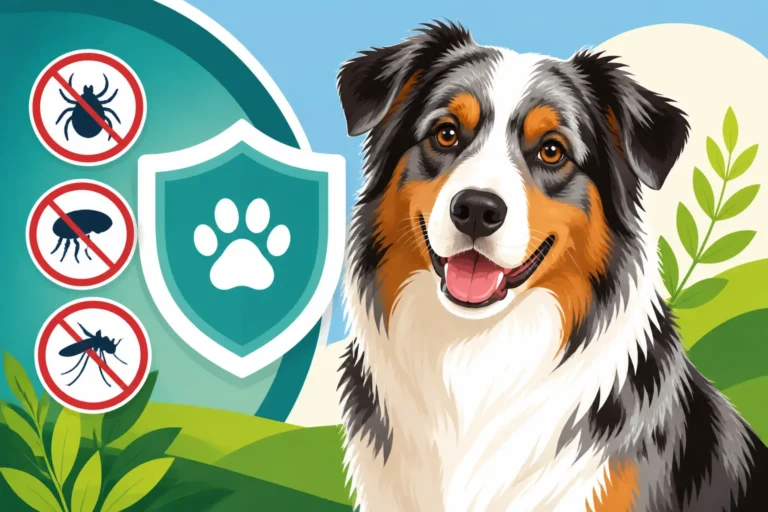
- Parasite Prevention: This is a big one. Many flea, tick, and heartworm medications contain drugs like ivermectin, milbemycin, or selamectin. While low doses in preventative heartworm medications are generally considered safe for most MDR1-affected dogs, higher doses used for treating conditions like demodectic mange or some intestinal parasites are extremely dangerous. Always check the active ingredients of any parasite preventative with your vet, specifically mentioning the MDR1 status. There are many safe alternatives available, such as products containing moxidectin (like Advantage Multi or Coraxis), or fluralaner (Bravecto), afoxolaner (NexGard), or sarolaner (Simparica) for fleas and ticks. Always verify with your vet that the specific product is safe for your MDR1 Aussie. This proactive approach for Parasite Prevention Safe for an MDR1 Australian Shepherd is crucial.
Advocating for Your Dog
As your Australian Shepherd's primary caregiver, you are their strongest advocate. Don't be afraid to ask questions, even if you feel like you're being overly cautious. When your vet suggests a new medication, always ask: "Is this safe for an MDR1-positive Australian Shepherd? Are there any dosage adjustments needed, or a safe alternative?"
Sometimes, a vet, especially one new to the breed or less familiar with MDR1, might not immediately recall all the intricacies. It's not a personal failing; it's a testament to the vast amount of medical information they juggle. Your role is to politely and firmly provide that critical reminder. Having your dog's test results handy, perhaps even laminated or in a bright folder, can help streamline this communication. Remember, you're a team with your vet, and your goal is the same: the best possible health for your Aussie.
Common Scenarios and How to Handle Them
Even with the best intentions, situations arise where communicating your Aussie's MDR1 status can be tricky. Being prepared for these common scenarios can make all the difference.
The New Vet or Emergency Vet
This is arguably the most critical scenario. When you're visiting a new clinic or facing an emergency, speed and clarity are essential.
- At a New Vet: Before your first appointment, call ahead and explain your Aussie's MDR1 status. Ask if they are familiar with it and what their protocol is for marking patient records. Bring a physical copy of your dog's genetic test results to the appointment. Hand it to the receptionist to scan, and then directly discuss it with the veterinarian. Reiterate it at every single visit until you are absolutely confident it is flagged prominently in their system.
- At an Emergency Vet: This is often high-stress and fast-paced. As soon as you arrive, tell the intake staff, "My Australian Shepherd is MDR1 positive. This is crucial for drug choices." If possible, have your test results on your phone or in a readily accessible printout. If your dog has a special collar tag (like the "MDR1 Positive" one we discussed), point it out. It's often helpful to provide Emergency Vet Instructions for an MDR1 Australian Shepherd in written form that they can easily reference. Be calm but firm; your dog's life could depend on it.
When Your Vet Isn't Familiar
While most vets are aware of MDR1, some might not be intimately familiar with all the nuances, especially if they don't see many affected breeds. If your vet seems uncertain or dismissive, don't panic, but don't back down.
- Provide Resources: Offer to share information from reputable sources like Washington State University's VCPL website. They have extensive, peer-reviewed lists of drugs and their interactions with MDR1. You are not challenging their expertise, but rather providing specific, breed-relevant information.
- Seek a Second Opinion: If you feel uncomfortable or your vet is unwilling to adjust protocols based on the MDR1 status, it's perfectly acceptable, and often necessary, to seek a second opinion from another veterinarian. Consider looking for a vet who specifically lists experience with herding breeds or has a special interest in genetics. Your dog’s health is too important to compromise.
Dealing with Multi-Drug Protocols
Sometimes, an Australian Shepherd might be on multiple medications for various conditions, like a combination of antibiotics, anti-inflammatories, or seizure medications. This is where vigilance is key.
- Cross-Reference Everything: Each time a new medication is added, or an existing one is refilled, ask your vet to cross-reference it with the MDR1 drug list. Even seemingly innocuous drugs can have interactions.
- Pharmacist Collaboration: In some cases, your vet might consult with a veterinary pharmacist, especially for complex drug regimens, to ensure all medications are safe and appropriately dosed for an MDR1-affected dog. This ensures an additional layer of safety.
- Insurance Coverage: In situations where specialized drugs or more intensive monitoring are needed due to MDR1, costs can sometimes be higher. Having pet insurance, like a plan from Healthy Paws, can help cushion the financial impact of these careful, but potentially more expensive, treatment plans. It’s always worth investigating how your chosen plan handles such specialized needs.
Being thoroughly prepared and an active participant in your Australian Shepherd's health journey will give you peace of mind and ensure your beloved companion receives the best, safest care possible. The initial effort in understanding and communicating their MDR1 status will pay dividends in their health and happiness for years to come.
Disclaimer
The information provided in this article is for general informational purposes only and does not constitute professional veterinary advice. Always consult with a qualified veterinarian for any health concerns or before making any decisions related to your Australian Shepherd's care, diet, or treatment.