Whether a Second Dog Helps a Lonely Aussie
Many Australian Shepherd owners find themselves watching their beloved, high-energy companion pacing, chewing things they shouldn't, or barking incessantly when left alone. It's a heartbreaking sight and a frustrating problem, often leading to the thought: "Maybe they just need a friend!" This guide will dive deep into whether bringing a second dog into your home truly helps a lonely Australian Shepherd, or if this common solution might actually introduce a whole new set of challenges.
Understanding Your Australian Shepherd's "Loneliness"
Before you even start looking at adorable puppy photos, it’s absolutely critical to truly understand why your Australian Shepherd seems "lonely." Aussies are complex, intelligent, and highly driven dogs, and what looks like simple loneliness can often be something much more nuanced. Misdiagnosing the problem means you might be barking up the wrong tree entirely (pun intended!).
Is it Loneliness or Under-Stimulation?
Let’s be honest: Australian Shepherds were bred to work, to think, and to be constantly engaged. They aren't dogs content to simply exist in a yard or lounge on the couch all day, even if they're doing it with another dog. Often, what appears as loneliness or destructive behavior when you're away is actually a massive unmet need for mental and physical stimulation. They need a job, or at least activities that simulate one.
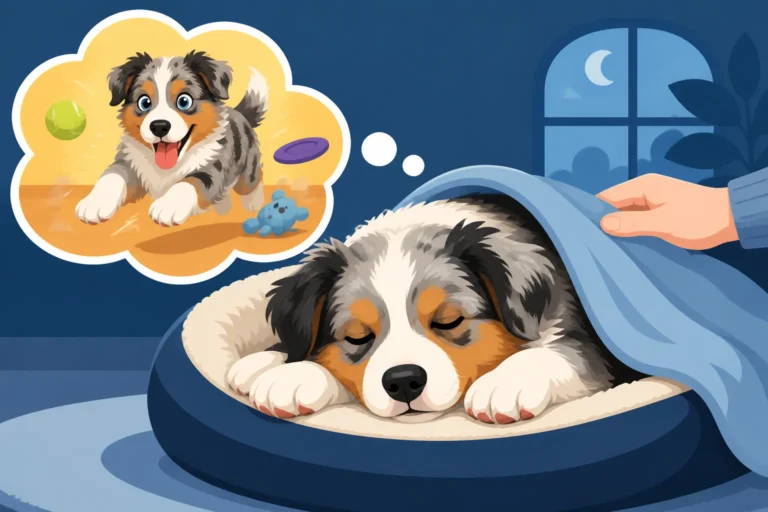
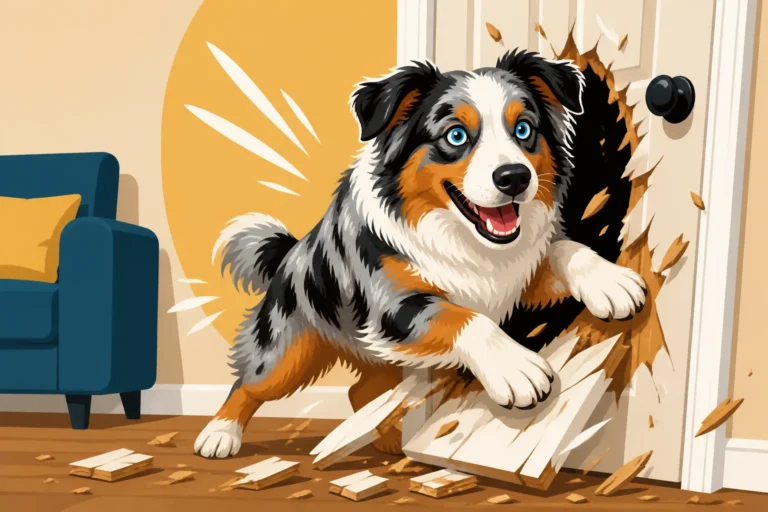
Think about it: if your Aussie is systematically shredding cushions, digging craters in the yard, or barking at every leaf that blows by, it might not be a yearning for canine companionship. It could be pure, unadulterated boredom and excess energy bubbling over. A common scenario sees an Aussie left alone for Hours Alone Before an Aussie Finds a Job during the workday. Without enough interactive play, training, or challenging mental puzzles before and after you leave, they're going to find their own "job," and trust me, you probably won't like it. Another dog, especially one with a lower energy level or different play style, might simply watch your Aussie wreak havoc, or worse, join in! The solution here isn't necessarily a playmate, but a significant boost in quality engagement from you.
Differentiating True Separation Anxiety
This is a big one, and it's where many owners make a crucial mistake. True separation anxiety (SA) is a panic disorder. It's not just "I'm bored" or "I miss you a little bit." It’s genuine, debilitating distress when your dog perceives themselves to be truly alone or separated from their primary attachment figure (usually you!).
The symptoms of true SA are often starker and more severe: frantic attempts to escape (leading to self-injury around doors or windows), excessive drooling, persistent howling or barking (not just a few barks at the mailman), house soiling only when alone, and often a complete inability to settle even for a moment. If you've ever set up a camera and watched your dog's distress unfold, you know how gut-wrenching it can be. The Signs an Aussie Is Panicking Alone are unmistakable. Here's the kicker: a second dog rarely, if ever, solves true separation anxiety. Why? Because the anxiety is tied to the absence of the human, not just any living being. The presence of another dog doesn't resolve that core panic. In fact, if the new dog is also prone to anxiety, you could end up with two anxious dogs feeding off each other's stress! Addressing true SA requires a dedicated behavioral modification plan, often guided by a certified professional dog trainer or veterinary behaviorist.
The Complexities of Adding a Second Dog
So, you've decided your Aussie isn't suffering from severe separation anxiety and that a companion might be beneficial. Fantastic! But hold your horses (or your sheep, in Aussie terms) for a moment. Adding a second dog, particularly another Australian Shepherd, isn't a magical fix and comes with its own set of considerations.
Doubling the Work, Not Halving It
This is arguably the most common misconception. Many people believe that two dogs will entertain each other, thereby reducing the owner's workload. For an Australian Shepherd, this is almost never the case. You are effectively doubling your commitment in nearly every aspect of dog ownership.
- Financial Costs: Two dogs mean double the food bills, double the routine vet visits, double the parasite prevention, and potentially double the emergency vet bills. Lifetime care for an Aussie can easily run into Aussie Vet Bills Between $15,000 and $40,000, and that's for one dog. Imagine that multiplied.
- Time Commitment: Each Australian Shepherd, even if they get along famously, still needs individual attention, training sessions, and one-on-one bonding time with you. If your first Aussie needs Australian Shepherd Exercise at One to Two Hours a Day, a second Aussie will need the same. You'll also need to manage two sets of walks, two grooming sessions (especially with that double coat!), and two minds to stimulate. It's not uncommon for owners to realize that managing two high-energy herding dogs requires a monumental amount of effort.
- Training Needs: If you bring home a puppy, you're going back to square one with house training, nipping, and basic manners. Australian Shepherd Puppy Biting and Herding Nips can be a handful with one, let alone two. Even an adult rescue dog will have its own quirks and need time to adjust. You might find yourself needing additional training resources, and services like BAXTER & Bella offer comprehensive online programs that can be incredibly helpful for integrating a new family member or addressing specific behavioral needs in either dog.
Potential Behavioral Challenges
Introducing a new dog, regardless of breed, is a delicate dance. With a breed as sensitive and intelligent as the Australian Shepherd, it's even more so.
- Resource Guarding: This is when a dog becomes possessive over food, toys, beds, or even people. While often manageable, adding another dog can trigger or intensify resource guarding behaviors in either dog. Suddenly, that favorite squeaky toy or prime spot on the couch becomes a point of contention.
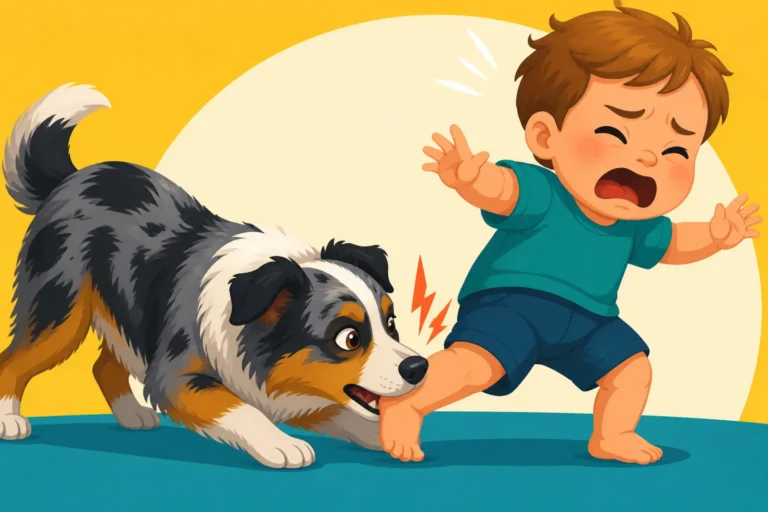
- Jealousy and Attention Seeking: Your first Aussie might react negatively to the "intruder" stealing your attention. This can manifest as destructive behavior, inappropriate urination, or even aggression towards the new dog or you.
- Exacerbating Existing Issues: If your current Aussie already has behavioral quirks – perhaps they are An Aussie Reacting to Dogs on the Lead, or have difficulty sharing, or display anxiety – adding another dog can easily worsen these problems. The stress of a new presence can push an already fragile dog over the edge. It's crucial that your existing dog is stable, confident, and well-socialized before even considering a second.
- Herd Instinct Collisions: Two Aussies, especially if both have strong herding drives, might find themselves constantly "working" each other, which isn't always positive. This could mean relentless nipping, circling, or intense staring, which can be stressful for both dogs if not managed properly. Why an Aussie Herds Its Playmates can be a joyful sight, but it needs to be appropriate and consensual from both parties.
Compatibility Matters More Than Species
You can't just throw "a dog" at your "lonely Aussie" and expect magic. Compatibility is paramount. Bringing an Aussie Into a House With a Dog requires careful thought.
- Age and Energy Level: A boisterous Aussie puppy might annoy an older, more sedate dog to no end. Conversely, an older Aussie might struggle to keep up with a relentless youngster, leading to frustration or even injury. Finding a dog with a similar energy level or one that complements your Aussie's energy (e.g., an older, calm dog that still enjoys short bursts of play) is key.
- Play Style: Some dogs prefer wrestling, others prefer chase, some like tug, and some just want to coexist. If your Aussie is a hardcore wrestling enthusiast, a dog that prefers gentle sniffing might be a poor match. Observe your Aussie's play style carefully.
- Temperament: Is your Aussie confident or reserved? Playful or serious? You want a companion whose temperament will mesh well, ideally one that is equally confident and well-socialized. A shy or nervous second dog might be overwhelmed by a typical outgoing Aussie, or a dominant new dog could intimidate your existing pet.
- Gender Dynamics: While not a hard and fast rule, many multi-dog households find same-sex aggression, especially between two females, to be a challenge. Opposite-sex pairings (one male, one female) often prove more harmonious, provided both are spayed/neutered to avoid additional issues.
When a Second Dog Might Be a Solution
Despite the significant challenges, there are specific scenarios where adding a second dog can genuinely enhance your Australian Shepherd's life. It's not a universal panacea, but under the right circumstances, it can be wonderful.
Providing Appropriate Play and Social Interaction
If your existing Australian Shepherd is a well-adjusted, confident, and genuinely social dog who loves to play with other canines, a compatible companion can indeed provide a level of interaction and enrichment that humans simply can't always replicate.
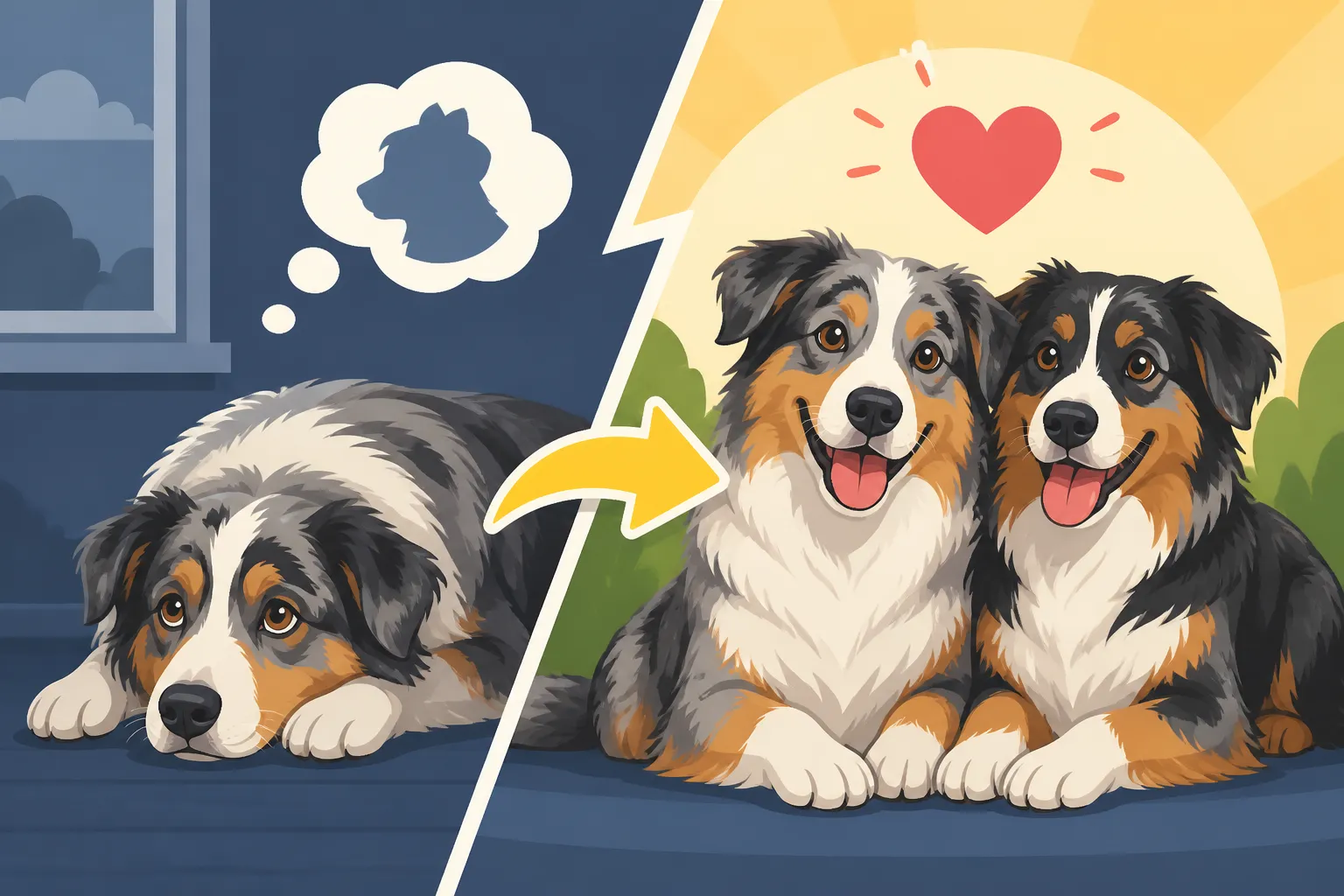
Imagine two happy Aussies chasing each other through the yard, wrestling playfully, or engaging in a spirited game of tug. This kind of appropriate dog-dog interaction can burn mental and physical energy in a unique way, helping them feel more satisfied and less prone to destructive behaviors borne out of boredom. It's about finding that sweet spot where their play styles, energy levels, and temperaments align to create a harmonious duo. This isn't just about physical activity; it's about the social comfort and companionship of another creature who "speaks dog" fluently. They can communicate in ways we can't, offering a different layer of security and engagement.
Mitigating Mild Boredom or Mild Separation Unease
Let's reiterate: this is not for true, clinical separation anxiety. However, if your Australian Shepherd exhibits mild signs of boredom or a low-level sense of unease when you're gone – perhaps they sigh a lot, wander aimlessly, or give a few mournful barks then settle – a calm, confident companion might help.
In these cases, the second dog can provide a comforting presence. They might nap together, engage in quiet chewing of a toy, or simply share the space. The key here is that the first Aussie isn't experiencing panic, but rather a lack of something to occupy their time or a general feeling of being alone. A compatible second dog can fill that void. It’s less about intense interaction and more about shared presence and comfort. However, it's vital that the first Aussie is already comfortable being alone with another dog, without the sole anchor being the human's presence. If they're still melting down even with another dog there, then it points back to a deeper attachment issue.
Choosing the Right Companion
If you're seriously considering this path, meticulous selection is your best friend.
- Complementary (or Similar) Energy: A second dog that can match your Aussie's drive for activity is often ideal. If your Aussie has boundless energy, bringing in a sedentary dog will only lead to frustration for both. However, sometimes a slightly calmer, yet still playful, dog can provide balance without over-stimulating an already high-strung Aussie.
- Temperament is Key: Look for a dog with a stable, confident, and adaptable temperament. Avoid any dog showing signs of fear, aggression, or extreme shyness, as these traits can be exacerbated by or even transfer to your existing Aussie.
- Consider a Rescue: Many Australian Shepherd rescues have a thorough understanding of the breed and often foster dogs in homes, allowing them to assess temperament and compatibility with other dogs. They can provide invaluable insights into a potential match. Australian Shepherd Rescue and Why Dogs Arrive could be a great resource here.
- Slow and Steady Introductions: This cannot be stressed enough. Initial meetings should always be on neutral territory, supervised, and brief. Gradually increase duration and proximity. Never rush the process. Bringing an Aussie Into a House With a Dog offers detailed advice on this. A professional trainer can also help facilitate these introductions.
Here's a quick comparison of when a second dog might be helpful:
| Scenario | Likely to Benefit from Second Dog? | Key Considerations |
|---|---|---|
| Mild Boredom/Low-Level Unease | Maybe | Ensure play styles match, prepare for double the training and exercise efforts. |
| True Separation Anxiety | Unlikely | Requires professional behavior modification for the human-dog bond, not another dog. |
| Chronic Under-Stimulation | No, unless the second dog provides directed enrichment | Focus on increasing mental and physical activities with the current dog from you. |
| Social Butterfly Aussie (loves dogs) | Yes, with careful matching | Introduce slowly, monitor dynamics, manage resources, ensure positive play. |
| Reactive/Anxious Aussie | No | Could worsen existing issues, seek professional help and behavioral modification. |
| Owner's time constraint (less than 1 hr/day per dog) | No | Two dogs double the time commitment, not halve it. It's unfair to both. |
Alternatives to Adding Another Dog
So, what if a second dog isn't the right answer, or you want to try other solutions first? There are many effective ways to tackle a restless or seemingly lonely Australian Shepherd.
Boosting Enrichment and Exercise
This is often the first and most impactful step for an Aussie. Their genetic wiring demands activity, not just physical, but mental.
- Quality Exercise Over Quantity (But Still Plenty of Quantity!): An hour of mindless fetching might burn some physical energy, but it often does little for an Aussie's mind. They need varied, engaging exercise. Think hiking new trails, exploring new sniffing grounds, or structured play sessions that involve thinking. Aim for at least Australian Shepherd Exercise at One to Two Hours a Day of this quality engagement.
- Mental Stimulation is Paramount: This is where you can truly tire out that busy Aussie brain.
- Puzzle Toys: Invest in good quality puzzle feeders. Brands like KONG or various slow-feeder bowls (many available on Amazon) can make mealtime a challenging game, engaging their problem-solving skills.
- Scent Work: Aussies have incredible noses! Scent Games That Tire an Australian Shepherd are fantastic for mental exertion. Hide treats around the house or yard and let them sniff them out. It’s low-impact but incredibly satisfying for them.
- Trick Training: Teaching new tricks, even silly ones, keeps their mind active and strengthens your bond. Your Aussie thrives on learning.
- Chew Items: Appropriate, long-lasting chew items can provide a healthy outlet for stress and boredom.
- Dog Sports: This is where many Aussies truly shine and find their purpose. Consider agility, flyball, disc dog, rally obedience, or even actual herding trials. Australian Shepherd Sports From Herding to Agility offer unparalleled mental and physical outlets. Finding a local club or trainer that specializes in these sports can be life-changing for your Aussie.
Professional Help and Daycare
Sometimes, you need to call in the cavalry.
- Certified Professional Dog Trainer or Veterinary Behaviorist: If you suspect true separation anxiety or other complex behavioral issues, do not hesitate to seek professional help. A good trainer can help you understand the root cause of the behavior and create a tailored plan. For more severe cases, a veterinary behaviorist can also assess if medication might be a helpful adjunct to behavioral modification.
- High-Quality Dog Daycare: For owners with demanding schedules, dog daycare can be a lifesaver. It provides supervised social interaction, exercise, and mental stimulation during the day. However, choose wisely. Look for facilities that understand high-energy herding breeds and have experienced staff who know how to manage dog play safely. A good daycare should tire your Aussie out appropriately, not just let them run wild. Daycares That Can Tire an Aussie Out will ensure your Aussie gets the right kind of attention.
- Professional Dog Walkers/Pet Sitters: If daycare isn't an option or you just need to break up long days alone, a reputable dog walker can provide a much-needed midday outing. A pet sitter who understands Aussies can also provide in-home care, offering companionship and routine when you're away.
Adjusting Your Routine
Sometimes, the simplest changes to your daily life can make a monumental difference.
- Re-evaluating Your Schedule: Can you shift your work hours slightly? Can a family member come home during lunch? Even an extra 30 minutes of focused playtime or a brisk walk before you leave can help.
- The "Off Switch": Many Aussies struggle to settle down. Teach your Aussie an "off switch" by practicing calm behaviors like "place" or "mat work." Reward quiet relaxation. An Aussie That Cannot Switch Off often needs active training to learn how to relax.
- Monitoring Their Time Alone: Investing in a pet camera (many options available on Amazon) allows you to observe your Aussie's behavior when you're not there. This invaluable insight can confirm whether it's truly boredom, mild unease, or something more serious.
- Enforced Naps: For puppies or even over-stimulated adult Aussies, sometimes they just need to be taught to settle down. Crate training can be very helpful for Getting a Restless Aussie to Settle in a Crate and providing a safe, quiet space.
Ultimately, whether a second dog helps a lonely Australian Shepherd depends entirely on the specific needs and temperament of your existing dog, your capacity to handle the increased workload, and the careful selection of a compatible companion. Before making such a significant commitment, ensure you've thoroughly explored all other avenues to enrich your Aussie's life.
Disclaimer
This article is for general informational purposes only and does not constitute professional advice. Laws, prices and regulations vary by location and change over time. Consult a qualified professional for guidance on your specific situation.