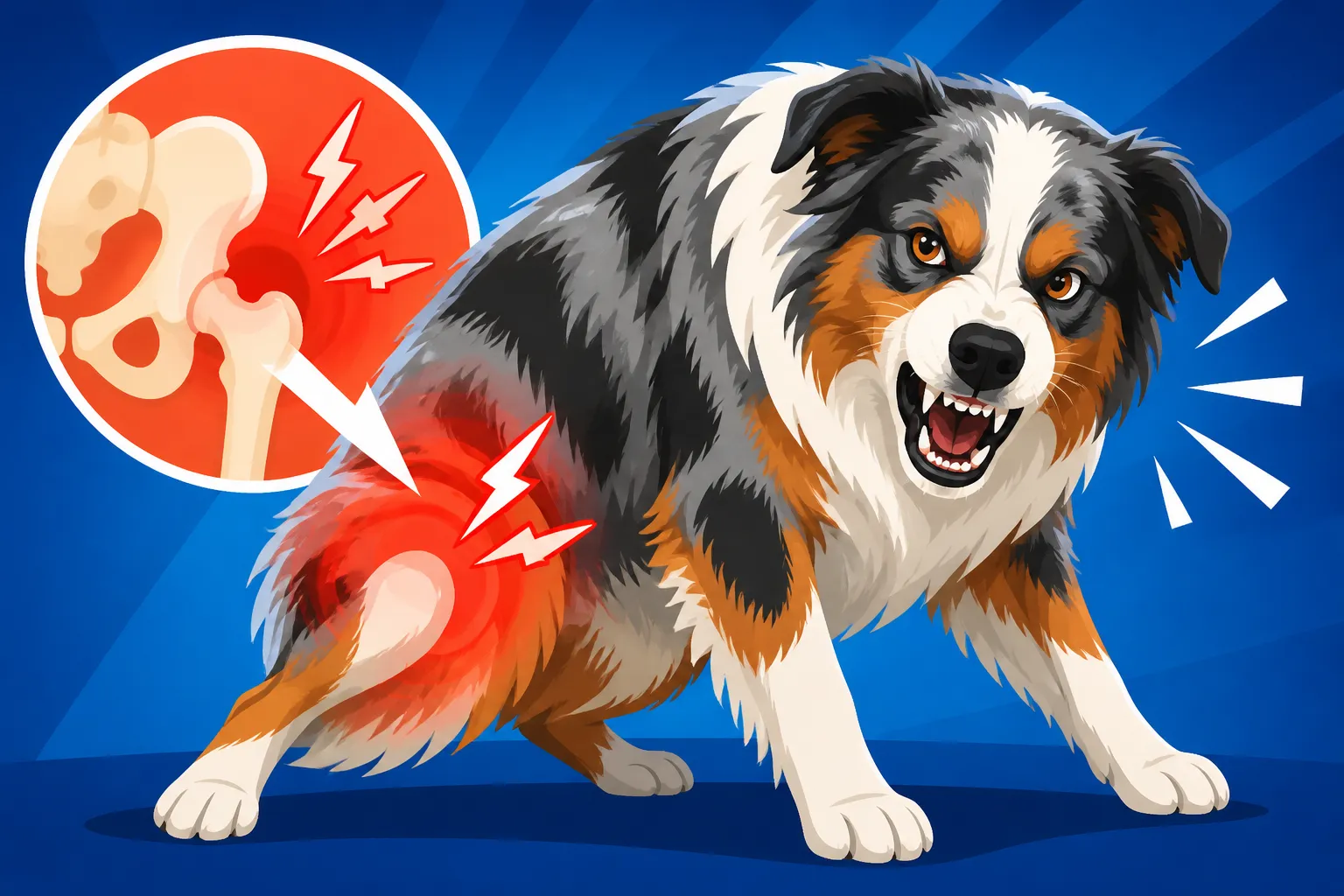
An Australian Shepherd Snapping Because Its Hips Hurt
It’s truly alarming and heartbreaking when your beloved Australian Shepherd, usually a loyal and affectionate companion, suddenly snaps or growls when you try to pet them or move them. This sudden shift in behavior isn't just confusing; it can make you question everything you thought you knew about your dog. This guide is here to help you understand why an Australian Shepherd might resort to snapping when they're in pain, particularly hip pain, and what crucial steps you need to take to help them.
The Subtle Language of Pain in Australian Shepherds
Australian Shepherds are incredibly stoic dogs, often bred to work through discomfort. This can make it incredibly challenging for us, their human companions, to spot when they're truly hurting. They don't always cry out or limp dramatically. Instead, pain can manifest in a myriad of subtle, often confusing, behavioral changes that can be easily misinterpreted as "bad behavior" or stubbornness.
Beyond the Obvious Limp: What Pain Looks Like
When we think of pain, we often picture a dog holding up a paw or limping visibly. With an Aussie, especially with something like hip pain, the signs can be far more insidious. You might notice they're a little slower to get up in the morning, taking an extra moment or two to stretch out. Maybe they hesitate before jumping into the car or onto the couch, things they used to do with effortless grace. Perhaps their greetings are less enthusiastic, or they flinch when you reach for a familiar spot on their back or hindquarters.
They might start avoiding certain activities they once loved, like long walks, a game of fetch, or rough-and-tumble play with other dogs. A once playful dog might become withdrawn, preferring to lie alone rather than engage with the family. These aren't necessarily signs of a dramatic injury but can be indicators of persistent, nagging discomfort. It's like having a constant headache; it might not stop you from functioning entirely, but it certainly changes your mood and willingness to engage. We need to become detectives, looking for these small deviations from their normal happy-go-lucky self.
Why Hip Pain Leads to Snapping
Imagine having a constant ache in your hip, and someone unexpectedly bumps into it or tries to manipulate it. Your immediate, instinctive reaction might be a sharp intake of breath, a flinch, or even an irritable snap. Dogs are no different, especially when their pain is significant or chronic. For an Australian Shepherd experiencing hip pain, that area becomes incredibly vulnerable. Their instinct kicks in: protect the painful spot at all costs.
When an owner, unknowingly, tries to pet, lift, groom, or even just walk past and accidentally brush against a painful hip, the dog perceives this as a threat to its fragile comfort. They can't verbally communicate "ouch!" or "stop, that hurts!" Their primary means of communication are body language and vocalizations. A growl is a warning. A snap is a louder, more urgent warning. It's not personal; it's a desperate plea for relief and space. The dog isn't trying to be "mean" or dominant; it's feeling trapped and helpless, fearing that the interaction will cause more agony. This can be particularly pronounced in breeds with a strong herding drive, who are accustomed to controlling their environment and may find loss of physical control particularly distressing. An Aussie Refusing Work It Used to Love could be a direct result of this underlying pain.
Identifying Hip Pain in Your Aussie
Pinpointing hip pain can be tricky, as many symptoms can overlap with other conditions. However, recognizing the typical signs, both physical and behavioral, is crucial for timely intervention.
Common Symptoms and Behavioral Shifts
Hip dysplasia, a common orthopedic issue in Australian Shepherds, can manifest in various ways depending on its severity. Physically, you might observe a distinct stiffness, particularly after rest or in cold weather. Getting up from a lying position might look labored, as if they're struggling. You might notice a "bunny hopping" gait when they run, where both hind legs move together. They might shift their weight forward to alleviate pressure on their hips, leading to an altered posture. Muscle atrophy in the hindquarters can also occur over time, making their rear look less muscular than their front. Reluctance to jump, climb stairs, or even stand on their hind legs are all red flags.
Behaviorally, the changes can be equally telling. Beyond the snapping, your Aussie might become irritable. They might seek less physical contact, or even move away when you approach. Play sessions might become shorter, or they might prefer less active games. They may guard their hindquarters, tensing up or growling if approached from behind. Some dogs might even lose their appetite or become restless at night, unable to find a comfortable position. If you have a young Aussie, you might start noticing Australian Shepherd Hip Dysplasia Symptoms Before Two.
Here’s a quick overview of potential pain signals:
| Physical Signs of Pain | Behavioral Signs of Pain |
|---|---|
| Limping or lameness | Sudden aggression (growling, snapping) |
| Stiffness, especially after rest | Reluctance to be touched or handled |
| Difficulty rising or lying down | Avoiding stairs, jumping, or certain movements |
| Reluctance to jump or climb | Restlessness or inability to get comfortable |
| "Bunny hopping" gait when running | Changes in appetite or potty habits |
| Muscle loss in hindquarters | Increased licking of painful areas |
| Whining or vocalizing with movement | Withdrawal or increased solitude |
| Changes in posture | Becoming easily startled or irritable |
The Importance of a Vet Visit
If you suspect your Australian Shepherd is in pain, especially if it's accompanied by snapping or aggression, an immediate veterinary visit is non-negotiable. Self-diagnosis and home remedies can delay proper treatment and exacerbate the issue. Your vet will perform a thorough physical examination, observing your dog's gait, palpating their joints, and assessing their range of motion.
Crucially, they will likely recommend X-rays to get a clear picture of your dog's hips and other joints. These radiographs can reveal the extent of hip dysplasia, Australian Shepherd Hip Dysplasia and OFA Scoring, or other orthopedic issues like arthritis. It's vital to be completely honest with your vet about all behavioral changes, not just the physical ones. Explain the snapping, the growling, the withdrawal. This information helps the vet understand the full impact of the pain on your dog's quality of life and guide their treatment recommendations. They can also help rule out other potential medical causes for aggression, such as neurological issues or thyroid imbalances. A comprehensive diagnosis is the first and most critical step towards getting your Aussie comfortable and happy again. Remember, addressing Sudden Aussie Aggression and a Vet Check is always best done with professional guidance.
Managing Pain-Related Aggression
Once a diagnosis of hip pain (or any other pain) has been established by your veterinarian, the focus shifts to comprehensive pain management. This isn't just about giving medication; it’s about a holistic approach that includes medical treatment, environmental modifications, and gentle behavioral adjustments to help your Aussie heal and regain their trust.
Medical Interventions and Pain Management
Your vet will be your best resource for creating a tailored pain management plan. This often begins with anti-inflammatory medications (NSAIDs) to reduce swelling and discomfort. They might also prescribe other pain relievers or nerve pain medications, depending on the severity and type of pain. It's critical to follow your vet's instructions precisely regarding dosage and frequency; never administer human medication or adjust dosages without veterinary guidance, as some drugs can be toxic to dogs.
Beyond medication, many vets recommend joint supplements containing ingredients like glucosamine, chondroitin, and MSM, which can help support joint health and potentially slow the progression of conditions like arthritis. Your vet might also discuss advanced treatments such as injections (like corticosteroids or platelet-rich plasma), laser therapy, or even surgical options like a total hip replacement if the dysplasia is severe and impacting quality of life significantly. Australian Shepherd Hip Surgery at $4,000 a Side gives you an idea of the potential financial commitment for such procedures. For a younger working dog, proactive joint support can be vital. Starting Joint Support on a Young Working Aussie early can make a difference.
Environmental Adjustments for Comfort and Safety
While medication addresses the internal pain, you play a huge role in minimizing external triggers and making your Aussie's life more comfortable. Think about their daily environment. Are they forced to jump on and off high furniture? Consider purchasing ramps or steps, easily found on Amazon, to help them access beds or the car without straining their hips.
An orthopedic bed is another excellent investment. These beds, often made with memory foam, provide superior support for aching joints, reducing pressure points and offering a truly comfortable resting spot. Look for options on Amazon that are durable and easy to clean. If your home has hard floors, consider adding rugs or mats in high-traffic areas to provide better traction and cushioning. Limit stair climbing where possible, or use a baby gate to restrict access if necessary.
When handling your Aussie, be mindful and gentle. Avoid sudden movements that might jostle their hips. If you need to lift them, use proper technique, supporting both their front and hindquarters evenly. If you have children, educate them on how to interact respectfully with a dog in pain, emphasizing gentle petting and providing space. Creating a calm, predictable, and low-stress environment will go a long way in preventing pain-related snaps and helping your dog feel safe. Consider the long-term changes, especially as your dog ages; Senior Australian Shepherd Care After Ten often involves significant environmental adjustments.
Behavior Modification with Pain Under Control
Once your Aussie's pain is effectively managed, and they are feeling more comfortable, you can gently begin to address any lingering behavioral issues. It's crucial to understand that their past snapping was a symptom of pain, not a deliberate act of defiance. Punishing a dog for pain-induced aggression is counterproductive and can destroy trust, potentially making the aggression worse.
The goal is to rebuild positive associations and slowly reintroduce comfortable interactions. Start with very brief, gentle interactions in a calm setting, always staying below their threshold for discomfort. If they show any signs of tension, stop immediately. Use high-value treats to reward calm behavior during petting or handling. Think about "consent tests" – offer a pet, and if they lean into it, continue; if they stiffen or move away, respect their wishes.
For routine care like grooming or vet visits, consider "cooperative care" training. This involves teaching your dog to voluntarily participate in their care through positive reinforcement, giving them control over the process. Resources like BAXTER & Bella, an online puppy school, often emphasize positive reinforcement techniques that can be adapted for adult dogs needing to rebuild trust and learn new cooperative behaviors, even if their pain is managed. If their drive is still high but their body is failing, An Aussie Stiff After a Career in Agility might need new outlets. Over time, with consistent pain management and patient, positive reinforcement, you can help your Australian Shepherd feel safe, comfortable, and confident in their interactions with you again.
Disclaimer
This article is for general informational purposes only and does not constitute professional advice. Laws, prices and regulations vary by location and change over time. Consult a qualified professional for guidance on your specific situation.