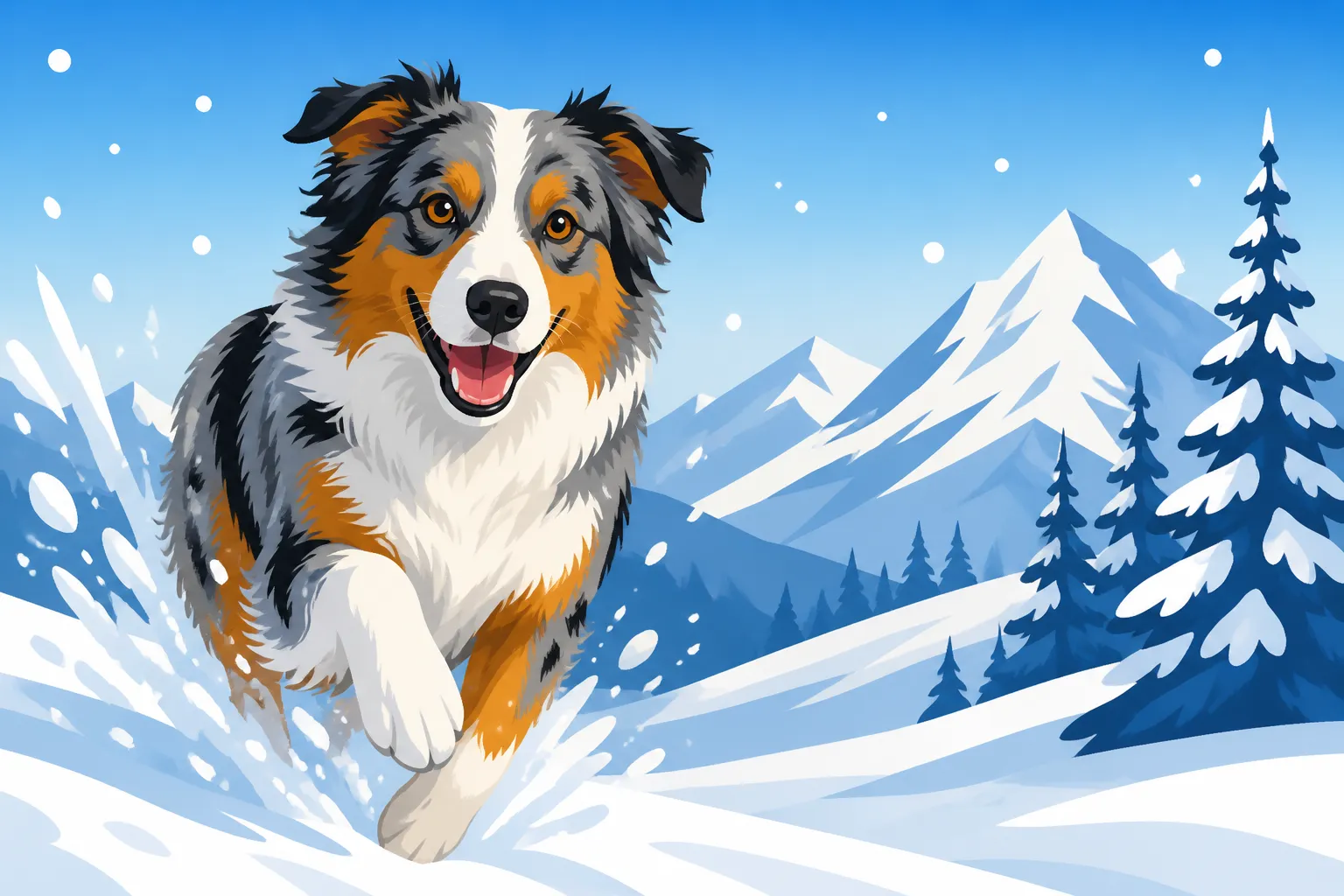
Australian Shepherd Exercise in Snow and Cold
The winter months can bring a unique set of challenges for Australian Shepherd owners, especially when it comes to keeping these high-energy dogs properly exercised without risking their health. Many of us grapple with the guilt of shorter walks or the worry of icy paws and matted fur. This guide aims to help you navigate exercising your Aussie safely and effectively, even when the snow is flying and temperatures plummet.
Understanding Your Aussie's Winter-Readiness
It’s easy to assume that because Australian Shepherds have a thick coat, they're invincible against the cold. While they are certainly built for resilience, there's more to their winter-readiness than just fur. Knowing your individual dog and the limits of their natural defenses is crucial for safe winter play.
The Marvel of the Double Coat
The Australian Shepherd’s signature dense double coat is truly a marvel of natural engineering, designed to protect them from the elements. This isn't just one layer of fur; it's two distinct ones working in tandem. The inner layer, known as the undercoat, is soft, fluffy, and incredibly dense, acting like a built-in down jacket. It traps warm air close to the body, providing excellent insulation against frigid temperatures. On top of this is the coarser, longer outer coat, or guard hairs. These guard hairs are more water-repellent and help to shed snow and rain, keeping the insulating undercoat dry and effective.
This sophisticated coat means that your Aussie typically has a higher tolerance for cold than many single-coated breeds. They are, after all, descendants of working dogs bred to spend long hours outdoors. However, this natural defense isn't foolproof, and it comes with its own set of care requirements. For example, if the undercoat gets soaked and stays wet, its insulating properties diminish drastically, turning warmth into a source of cold. Also, owners often assume a heavy coat means unlimited outdoor time, but even the best coat has its limits, especially when combined with other factors. Understanding The Australian Shepherd Double Coat Explained is key to appreciating this natural protection and its boundaries.
Aussie Cold Tolerance Factors
While the double coat is a fantastic asset, several factors influence just how well your individual Australian Shepherd can handle the cold. These aren't just minor details; they can be critical for determining safe outdoor activity levels.
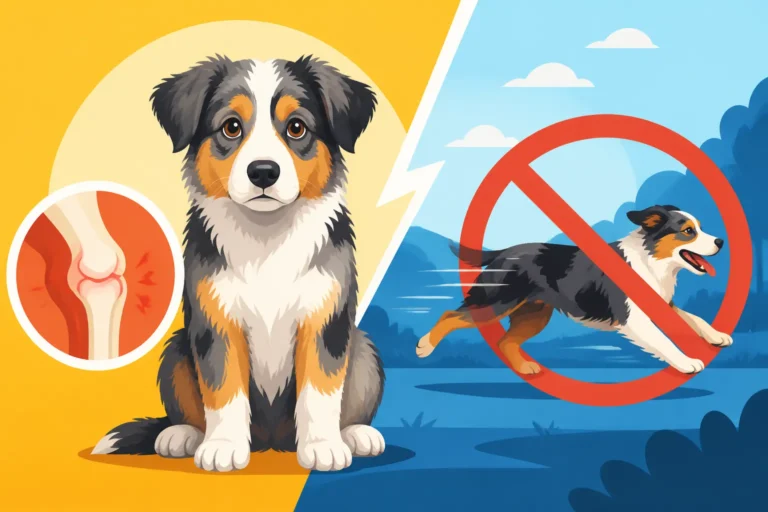
Firstly, age plays a significant role. Puppies, especially those under six months, haven't fully developed their dense adult coat and have less body fat to keep them warm. Their internal temperature regulation isn't as robust as an adult's. Similarly, senior Australian Shepherds, particularly those over ten, often have thinner coats, reduced muscle mass, and a slower metabolism, making them much more susceptible to the cold. An older Aussie might also be dealing with conditions like arthritis, where cold can exacerbate joint pain, making movement difficult and painful.
Secondly, overall health and body condition are crucial. A lean, active adult Aussie in peak physical condition will generally tolerate cold better than an overweight dog or one with an underlying health issue. Conditions like hypothyroidism or heart disease can impair a dog's ability to regulate body temperature. If your Aussie is on medication, especially for something like Australian Shepherd Epilepsy Starting Between One and Five, it's always wise to consult your vet about how cold weather might interact with their treatment or general well-being. Furthermore, how acclimatized your Aussie is to the cold matters. A dog used to mild winters who is suddenly exposed to a deep freeze will fare worse than an Aussie who has gradually adjusted to dropping temperatures over several weeks. A sudden cold snap can be more jarring and risky than a sustained period of cold.
Spotting the Signs of Cold Stress
Being able to recognize when your Australian Shepherd is getting too cold is paramount. They can't tell you in words, so you need to be a keen observer of their body language and behavior. Ignoring these subtle cues can quickly lead to more serious issues like hypothermia or frostbite.
The most common and obvious sign is shivering. This might start as a subtle tremble and progress to full-body shakes. If you see your Aussie hunching their back, tucking their tail, and trying to lift their paws off the cold ground, they're clearly uncomfortable and signaling that it's time to head indoors. They might also become reluctant to move, slowing down or trying to turn back towards home. You may even hear low whines or whimpers, particularly if their paws are becoming painful due to ice or cold. Watch their ears; a cold Aussie might hold them flattened against their head, attempting to conserve heat.
More severe signs of cold stress, indicative of potential hypothermia, include extreme lethargy or weakness, confusion, stumbling, pale or blue-tinged gums and tongue, and a slow, shallow breathing rate. At this point, immediate veterinary attention is needed. Frostbite, though less common thanks to the Aussie's coat, can affect extremities like ear tips, tail tips, and paw pads, appearing as pale, waxy, or discolored skin. Always keep a close eye on your dog, especially during longer winter outings, and err on the side of caution.
Essential Gear for Cold Weather Adventures
Just as we bundle up for winter, there are times when your Australian Shepherd needs a little extra help to brave the snow and cold. Investing in the right gear isn't about fashion; it's about practical protection against elements that can cause real harm.
Paw Protection Against Ice and Salt
Your Aussie's paws are one of the most vulnerable parts of their body in winter. They are constantly in direct contact with cold surfaces, and urban environments add the danger of road salt, de-icers, and other chemicals. These substances can cause painful irritation, chemical burns, or even be toxic if ingested when your dog licks their paws. Beyond chemicals, ice can form painful clumps between their paw pads, and sharp ice shards can cause cuts.
Protective paw balms or waxes create a barrier between your dog's pads and the harsh elements. These wax-based protectants, often found on Chewy or Amazon, can help prevent ice ball formation and shield against salt and chemicals. Simply rub a generous amount onto the pads before heading out. For more serious protection, especially on longer walks or in areas with heavy salt, dog boots are an excellent option. When choosing boots, look for ones that are waterproof, durable, and have good traction. Ensuring a proper fit is crucial; ill-fitting boots can rub, cause discomfort, or simply fall off. Practice wearing them indoors first, as many dogs initially find them awkward. After any walk, make it a habit to inspect your Aussie's paw pads thoroughly for any signs of redness, cracks, or foreign objects, and clean them with a warm, damp cloth. Consider linking to Australian Shepherd Paw Pads After Rough Ground to further emphasize paw care.
Outerwear for Added Warmth
The question of whether an Australian Shepherd needs a coat often sparks debate. While their double coat is robust, it's not always sufficient for every Aussie in all cold conditions. A young, healthy, active adult Aussie out for a brisk walk might not need extra layers. However, there are scenarios where a coat or sweater becomes a smart choice.
Consider your senior Aussie, who may have a thinning coat, be prone to arthritis, or have a slower metabolism. A well-fitting, insulated dog coat can make a world of difference in their comfort and willingness to go outside. Similarly, a very lean Aussie, or one recovering from illness, might benefit from the added warmth. Even a healthy adult on an exceptionally cold, windy day, or when standing still for periods (like during a short training session outdoors), could use a coat. Look for coats that are waterproof or water-resistant to keep their undercoat dry, and insulated for warmth. Ensure it allows full range of motion, especially for a dog that loves to run and play. You can find a wide variety of practical and comfortable coats on sites like Amazon or Chewy. Remember, the goal isn't fashion but function: keeping your beloved companion warm and protected.
Reflective Gear for Low Light
Winter days are notoriously short, meaning that early morning, late afternoon, or evening walks often take place in low light conditions. Visibility becomes a major safety concern, especially if you live near roads or shared paths. An Aussie, with their often dark coats (especially black tris), can blend into the dim winter landscape, making them incredibly hard for drivers, cyclists, or even other pedestrians to see.
Investing in reflective gear is a simple yet vital step for winter safety. This can include reflective vests that go over their coat, reflective collars or leashes, or clip-on LED lights that attach to their collar or harness. These items catch and reflect light from headlights or streetlamps, making your Aussie much more noticeable from a distance. Even if you walk in a seemingly quiet area, unexpected vehicles or even wildlife can appear, and ensuring your dog is visible drastically reduces the risk of accidents. Think of it as putting on your own reflective vest for a night run; it’s about being seen and staying safe.
Safe and Engaging Winter Activities
Keeping an Australian Shepherd adequately exercised in winter often feels like a puzzle. You know they need to burn off energy, but shorter daylight hours, icy conditions, and biting winds can make typical routines challenging. The key is adaptation and creativity, focusing on quality movement and mental stimulation.
Adapting Outdoor Exercise Routines
When temperatures drop and snow blankets the ground, simply sticking to your usual long walks might not be the safest or most effective approach. Instead of one long outing, consider breaking your Aussie's exercise into shorter, more frequent bursts throughout the day. This reduces prolonged exposure to extreme cold while still allowing them to stretch their legs and relieve themselves. Keep them moving actively; standing around can lead to them getting cold much faster. A brisk, twenty-minute fetch session in the backyard or a fast-paced walk around the block can be more beneficial than a slow, extended wander where they might shiver.
Choose your terrain wisely. Avoid areas with thin ice, especially near bodies of water. Deep snow drifts can be exhausting and disorienting, and hidden obstacles beneath the snow could cause injury. Opt for cleared paths or shallow, fresh snow that's easier to navigate. Be mindful of icy patches, which can lead to slips, strains, or even serious injuries, particularly for an Aussie who might suddenly dart after a squirrel. While your Aussie typically needs Australian Shepherd Exercise at One to Two Hours a Day, it's important to adjust the type and intensity of that exercise to suit the winter conditions. Sometimes, a focused 30 minutes of high-intensity play can tire them out more safely than an hour of slogging through deep snow.
Snow-Specific Fun
For many Australian Shepherds, snow isn't a hindrance; it's an exciting playground! Tapping into their natural enthusiasm for movement and their love of a "job" can make winter exercise genuinely fun. Fresh, powdery snow is often the most enjoyable for them.
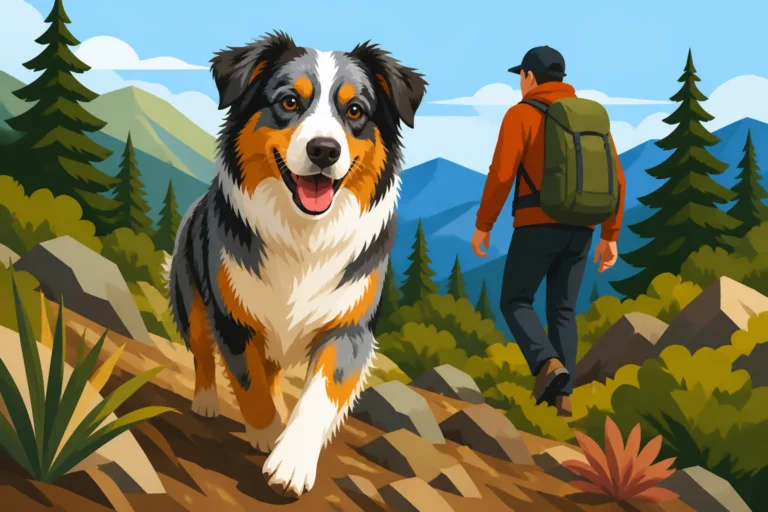
One of the simplest yet most effective activities is fetch in the snow. Throw a bright-colored ball or disc that contrasts with the white landscape, making it easier for them to spot. The act of bounding through the snow adds an extra layer of physical exertion. Nose work is another fantastic option; hide treats or favorite toys in shallow snow drifts and let their incredible noses do the rest. This mental stimulation is often more tiring than pure physical exercise. If you're an avid winter sports enthusiast, consider snowshoeing or cross-country skiing with your Aussie. Many Aussies love to accompany their humans, trotting alongside through the trails. Just ensure they are well-conditioned, have appropriate paw protection, and you're aware of the Snowballs Forming in an Aussie Coat that can cause discomfort or matting during longer excursions. Periodically stop to clear these ice balls from their legs and belly.
Indoor Alternatives for Extreme Cold
There will be days when the weather is simply too severe for extensive outdoor play – think blizzards, sub-zero temperatures, or freezing rain. On these days, you absolutely must have a repertoire of indoor activities to keep your intelligent and energetic Aussie from bouncing off the walls.
Puzzle toys and scent work are lifesavers. Fill a KONG or other interactive feeder with kibble or wet food, or create a "sniffari" by hiding treats around the house, forcing your dog to use their brain and nose to find them. This mental engagement can be incredibly fatiguing. Learning new tricks is another fantastic way to channel their intelligence. Whether it’s "spin," "weave," or more complex sequences, trick training offers mental challenge and strengthens your bond. Check out resources on Trick Training as Aussie Mental Work for ideas. If you have the space, a mini indoor agility course using household items like cushions for jumps or broomsticks for weave poles can provide a burst of physical activity. Finally, if your Aussie is well-socialized, indoor playdates with a trusted canine friend can burn energy in a safe, controlled environment. Remember, even on the coldest days, a few short trips outside for potty breaks are still necessary, but the bulk of their exercise can move indoors. You can find many enriching toys and tools on Chewy or Amazon to help with Indoor Games for a Snowed-In Australian Shepherd.
Post-Exercise Winter Care
The adventure doesn't end when you step back inside; post-exercise care in winter is just as crucial as the activity itself. Neglecting these steps can lead to skin irritation, chilling, or even serious health issues for your Australian Shepherd.
Thorough Drying and Cleaning
After any winter outing, especially one involving snow or wet conditions, the first priority is to thoroughly dry your Australian Shepherd. Their dense double coat, while insulating when dry, can hold a significant amount of moisture. A damp coat, particularly the undercoat, loses its insulating properties and can lead to your dog becoming very cold once they stop moving. This chilling effect can also increase the risk of skin irritations, hot spots, or fungal infections if the skin remains damp for extended periods under that thick fur.
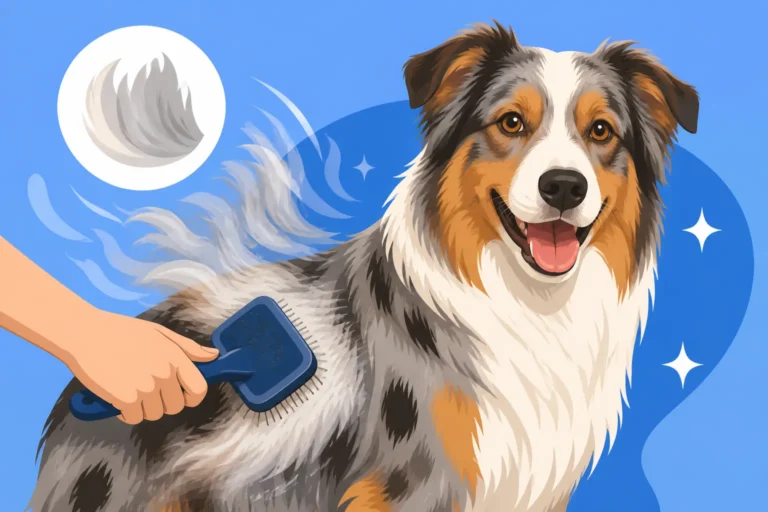
Start by rough-towel drying, getting as much moisture out as possible. Pay special attention to their chest, belly, and the feathering on their legs and tail where snow and ice tend to accumulate. For deeper drying, a dog-specific forced-air dryer (on a cool or low-heat setting) or even a regular hairdryer on a cool setting can be invaluable. It's crucial to dry right down to the skin to ensure the undercoat is completely dry. You can lift sections of fur and direct the air to the roots. Remember that Why an Aussie Must Be Dried to the Roots is not just about comfort, but preventing potential health problems. Finish with a good brush-through to remove any lingering snow, ice, or debris, and to prevent mats from forming as the coat dries.
Paw Pad Inspection and Moisturizing
Winter weather is notoriously harsh on paw pads. Even with protection, they can suffer from exposure to cold, ice, and chemicals. As soon as you come inside, make it a routine to inspect each paw pad meticulously. Look for any signs of redness, cracking, cuts, or abrasions. Feel between the pads for embedded ice, snow, or small pieces of debris like grit or salt crystals. These can be incredibly painful and cause irritation or infection if not removed.
After cleaning and drying the paws, applying a soothing paw balm or moisturizer can help keep the pads supple and prevent cracking. Just like our hands get dry and chapped in winter, so do their paws. Regular moisturizing helps maintain their natural resilience. If you used boots, ensure you remove them promptly and allow the paws to air out. If you notice any deep cuts, persistent redness, or limping, it's always best to consult your vet. Maintaining healthy paws is critical for your Aussie’s comfort and ability to move freely. For more in-depth paw care information, refer to Australian Shepherd Paw Pads After Rough Ground.
Hydration and Nutrition Adjustments
While it might seem counterintuitive, dogs can become dehydrated in winter just as easily as in summer. The dry winter air, combined with activity, can lead to fluid loss. Ensure your Australian Shepherd always has access to fresh, unfrozen water, both inside and outside if they are spending time outdoors. Consider bringing a portable water bowl on longer excursions, as natural water sources might be frozen.
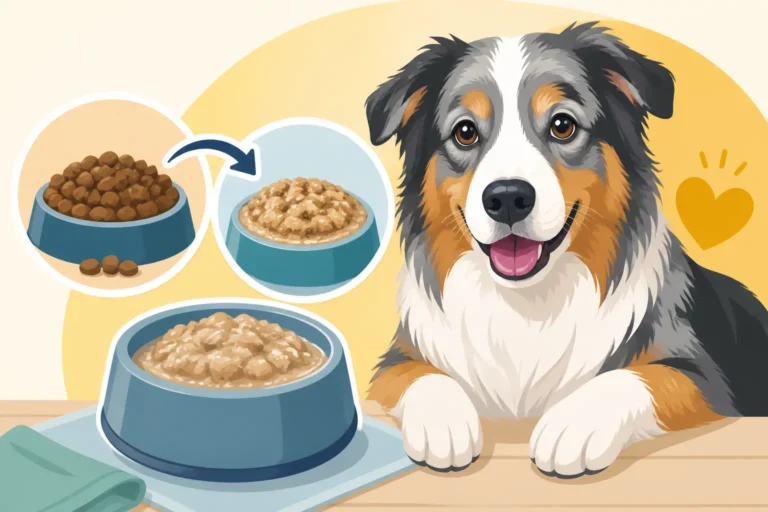
When it comes to nutrition, a common misconception is that all dogs need significantly more food in winter. For many pet Aussies, especially if their outdoor activity is curtailed, their calorie needs might not increase substantially, and overfeeding can lead to unwanted weight gain. However, for a truly active working Australian Shepherd or one spending prolonged periods outdoors in very cold conditions, their body will burn more calories to maintain core temperature. In such cases, a slight increase in their high-quality, nutrient-dense food might be appropriate. If you're considering adjusting their diet, consult with your veterinarian to ensure you're meeting their needs without overdoing it. Brands like Ollie often offer nutrient-rich fresh food options that can be precisely portioned. Remember to reference guides like Daily Calories for a Fifty Pound Australian Shepherd to help gauge appropriate food intake based on activity level and weight.
Specific Winter Challenges and Solutions
Winter brings specific environmental hazards that demand extra vigilance from Australian Shepherd owners. Being aware of these challenges and knowing how to mitigate them can prevent accidents and health problems.
Avoiding Road Salt and Antifreeze Exposure
Urban and suburban areas often use road salt, de-icers, and chemicals to keep pavements clear. While effective for human safety, these substances are incredibly dangerous for dogs. Road salt can cause chemical burns to paw pads, leading to severe pain and cracking. If ingested by licking their paws, it can cause gastrointestinal upset, vomiting, and even sodium poisoning in larger quantities. Antifreeze is perhaps even more insidious; its sweet taste makes it attractive to dogs, but even a small amount can cause acute kidney failure, which is often fatal.
The best solution is prevention. Whenever possible, choose walking routes that are clear of treated pavements. Opt for grassy verges, parks, or designated dog walking areas where de-icers aren't used. If you must walk on treated surfaces, use paw protection like boots or a protective balm, and make sure to thoroughly clean your Aussie’s paws with warm water as soon as you get home. Be extra vigilant for puddles or spills, especially in parking lots or driveways, as these could contain antifreeze. If you suspect your Aussie has ingested antifreeze or any de-icing chemical, seek immediate veterinary attention. Time is critical in these situations.
Managing Ice and Slippery Surfaces
Ice is a significant hazard for both dogs and humans in winter. Slippery surfaces can lead to strains, sprains, dislocations, or even fractures. For an active Australian Shepherd, whose powerful movements are integral to their nature, a sudden slip can be particularly damaging. This is especially true for older Aussies or those with pre-existing joint conditions like hip or elbow dysplasia, where an unexpected fall could exacerbate their discomfort or cause serious injury. An Aussie that has had a long career in agility, for instance, might already be prone to stiffness, and an icy slip could put them out of commission, as discussed in An Aussie Stiff After a Career in Agility.
Always prioritize safe walking paths. Stick to areas that have been thoroughly cleared and sanded, or choose trails where the snow is soft and fresh, offering better grip. Avoid black ice, frozen puddles, or steep inclines that could be treacherous. If you live in an area prone to ice, consider dog boots with good traction for extra grip. Encourage your Aussie to walk rather than run or make sudden turns on questionable surfaces. In your own yard, clear pathways and consider using pet-safe ice melt products if necessary. Vigilance and choosing appropriate terrain are your best defenses against winter slips and falls.
Dealing with Snowballs and Matting
One of the most common, albeit less dangerous, winter nuisances for Australian Shepherds is the formation of snowballs in their magnificent double coat. These icy clumps can form quickly, especially in powdery or wet snow, clinging to the feathering on their legs, belly, and tail. While seemingly harmless, they can become quite painful, pulling on the fur, restricting movement, and contributing to matting if not addressed. This phenomenon is specifically highlighted in Snowballs Forming in an Aussie Coat.
To prevent snowballs, you can try a few strategies. Before heading out, spray areas prone to snow accumulation (like the "trousers" on their hind legs and their belly fur) with a dog-safe anti-static spray or even a light application of cooking spray (avoiding contact with their skin). Some owners trim the longer feathering on the legs and around the paws slightly in winter to reduce the surface area for snow to cling to. During your walk, especially if it's long, take breaks to brush off any accumulating snow. If snowballs do form, never try to pull them out forcefully, as this will be painful and can damage the coat. Instead, gently crush them with your hands, allow them to melt slightly with body heat, or use a towel to rub them away. Once home, a warm bath or a quick spray of warm water can melt stubborn ice clumps, followed by thorough drying and brushing to prevent mats.
| Winter Activity | Benefits for Aussies | Considerations & Risks | Essential Gear |
|---|---|---|---|
| Brisk Walks/Runs | Good cardio, mental stimulation, fulfills exercise needs. | Risk of ice, salt, slipping; exposure to extreme cold. | Paw protection, reflective gear, warm coat (if needed). |
| Fetch in Snow | High-energy burst, fun, utilizes natural play drive. | Snowball formation, potential for hidden obstacles. | Bright toys, paw protection, brush for de-icing fur. |
| Nose Work/Scent Games | Excellent mental exercise, low physical impact, good for indoor use. | Requires setup, may not fully exhaust high-drive Aussies physically. | Treats, puzzle toys, snuffle mats. |
| Snowshoeing/Skiing | High-intensity exercise, great bonding, covers ground. | Requires well-conditioned dog, deep snow can be exhausting, ice balls. | Paw protection, warm coat, secure harness, water. |
| Indoor Agility/Tricks | Mental stimulation, physical challenge in controlled environment. | Requires space, may not be enough for extreme energy levels. | Soft mats, household items for obstacles, treats. |
| Playdates (Indoor) | Socialization, burns energy through play. | Must be with compatible dogs, risk of injury during rough play. | Secure space, water. |
Disclaimer
This article is for general informational purposes only and does not constitute professional advice. Laws, prices and regulations vary by location and change over time. Consult a qualified professional for guidance on your specific situation.