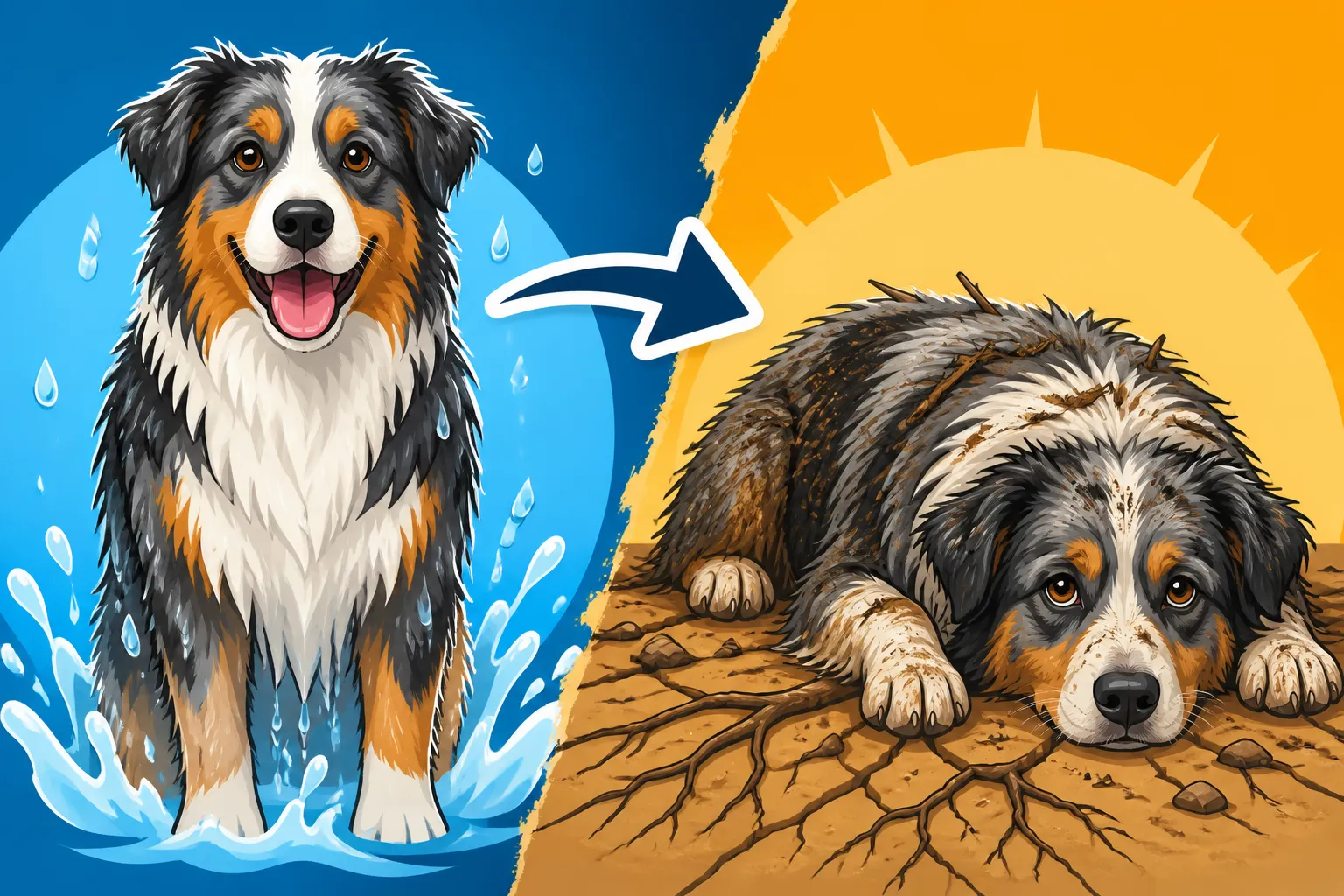
Why an Aussie Must Be Dried to the Roots
Every Australian Shepherd owner knows the struggle: that beautiful, fluffy coat that sheds endlessly and seems to hold onto water forever after a bath or a romp in the rain. It’s not just an inconvenience; failing to dry your Aussie thoroughly, right down to the skin and through that dense undercoat, can lead to a host of uncomfortable and even serious health issues for your beloved companion. This guide will walk you through exactly why a bone-dry coat is non-negotiable for your Australian Shepherd, and how to achieve it every single time.
Understanding the Australian Shepherd Double Coat
Before we dive into the "why," let's really understand what we're up against with an Australian Shepherd's coat. It's not just hair; it's a marvel of nature, perfectly designed for their original working life in varied climates. But this magnificent coat also comes with its own unique care requirements.
The Structure of the Aussie's Protective Layer
Your Australian Shepherd boasts what's known as a "double coat." This isn't just a fancy term; it describes a very specific, two-layered system that serves vital functions. The outer layer, called the guard coat, consists of longer, coarser hairs. These hairs are water-resistant and provide protection from external elements like dirt, burrs, and UV rays. Think of them as your Aussie's raincoat and sunshield.
Beneath this protective outer layer lies the true challenge: the undercoat. This layer is incredibly dense, soft, and woolly, acting as insulation to keep your dog warm in winter and surprisingly cool in summer by trapping air. It’s this dense undercoat that makes drying an Australian Shepherd so critical. When wet, these fine, insulating hairs clump together, holding moisture close to the skin like a sponge. Understanding The Australian Shepherd Double Coat Explained is key to appreciating why grooming is so intensive.
Why This Design Makes Drying So Difficult
Imagine trying to dry a thick wool blanket that's been soaked through. That's essentially what you're dealing with when your Aussie's undercoat gets wet. The guard hairs, while shedding water, can also trap it, preventing air from circulating to the skin level. The sheer volume and density of the undercoat mean that surface drying often leaves the deeper layers damp, creating a perfect storm for problems. It's not enough for the top layer to feel dry; you need to ensure that the air has reached every single strand of the undercoat, from root to tip. This is especially true for Aussies with particularly plush or long coats.
The Serious Dangers of an Undried Undercoat
Leaving your Australian Shepherd's double coat even slightly damp can quickly escalate from a minor inconvenience to a significant health concern. These aren't just cosmetic issues; they directly impact your dog's comfort and well-being.
Matting and Skin Irritation
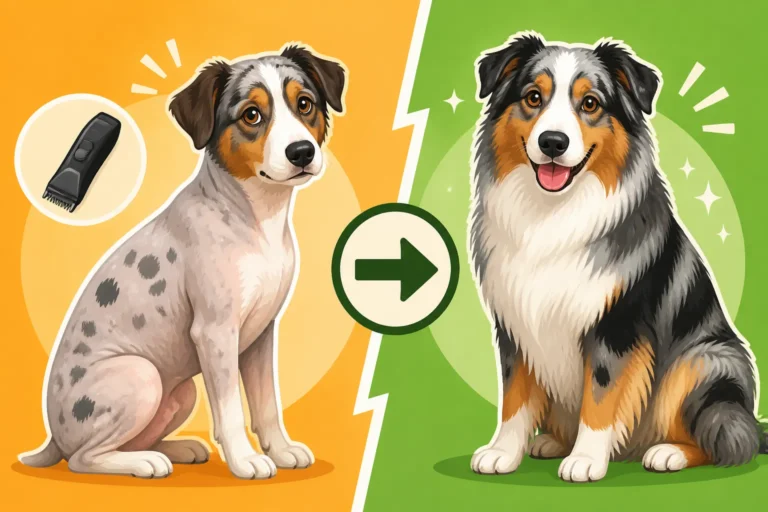
The most immediate and common problem with an undried undercoat is matting. As the damp undercoat dries, the individual hairs shrink and intertwine, forming tight, painful knots and mats. These mats don't just sit on the surface; they pull at your dog's skin, causing constant discomfort. They often form in areas of friction, like behind the ears, under the legs, on the belly, and around the tail and ruff. You might find significant tangles and mats, as described in Mats in an Aussie Ruff and Trousers, if you don't ensure a thorough dry.
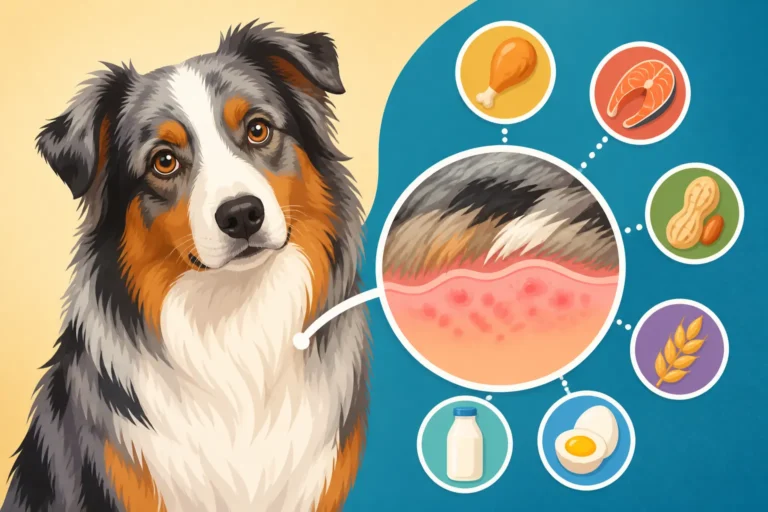
Beyond physical pain, mats create a breeding ground for other issues. They prevent air from reaching the skin, leading to irritation, redness, and inflammation. The constant pulling can cause microscopic tears in the skin, making it vulnerable to infection. Even mild dampness can leave the skin feeling clammy and itchy, prompting your Aussie to scratch or chew, which only exacerbates the problem.
Skin Infections and Hot Spots
Perhaps the most severe consequence of a damp undercoat is the development of skin infections, particularly "hot spots." Hot spots, clinically known as acute moist dermatitis, are intensely itchy, red, and often oozing skin lesions that can appear seemingly overnight. They thrive in warm, moist environments – exactly what an undried undercoat provides. Bacteria, naturally present on your dog's skin, multiply rapidly in these conditions, leading to a painful infection.
Once a hot spot starts, it can spread quickly, growing larger and more painful as your Aussie licks, chews, and scratches at it. The hair surrounding the hot spot becomes matted with discharge, further trapping moisture and hindering healing. Dealing with Hot Spots Hidden in an Aussie Undercoat is a miserable experience for both you and your dog, often requiring veterinary intervention, antibiotics, and meticulous care to resolve. This is why vigilance in drying is your best preventative measure against these nasty infections. Left untreated, they can become deeply infected and cause significant distress.
Unpleasant Odors
Another tell-tale sign of a chronically damp coat is an unpleasant, musty odor. This isn't just the smell of a wet dog; it's the smell of bacterial and fungal growth thriving in the moist environment of the undercoat. These microorganisms release byproducts that create a distinct, undesirable scent that no amount of surface spraying can mask. The odor can permeate your home, furniture, and car, making for an uncomfortable living situation. While some "dog smell" is normal, a truly offensive, persistent damp odor usually indicates an underlying issue of incomplete drying and potential microbial overgrowth. This smell often worsens over time if the underlying issue isn't addressed, making baths and subsequent thorough drying even more crucial.
Essential Tools and Techniques for Drying Your Australian Shepherd
Achieving a root-to-tip dry for your Australian Shepherd requires more than just a quick towel rub. It demands the right tools, a bit of technique, and a healthy dose of patience.
The Power of the Force Dryer
If you own an Australian Shepherd, a high-velocity force dryer is arguably the single most important grooming tool you can invest in, second only to a good brush. These aren't your human hair dryers; they produce a powerful stream of unheated or lightly heated air that literally forces water out of the coat and separates the hairs. This action helps to lift the undercoat, allowing air to circulate and ensuring every layer gets dry. Professional groomers rely on them, and for good reason.
To use a force dryer effectively:
- Start with Towel Drying: Blot your Aussie thoroughly with absorbent towels first to remove as much surface water as possible. This reduces drying time.
- Introduce Gradually: Many Aussies are initially wary of the noise and sensation. Start on a low setting, keeping the nozzle a safe distance away. Offer treats and praise. Get them used to the feeling on their hindquarters first, then gradually move to other areas.
- Work in Sections: Begin with the hind legs and tail, moving forward towards the body, chest, and finally the head. Always keep the nozzle moving to avoid concentrating air in one spot for too long.
- Lift the Coat: Aim the air flow against the natural direction of hair growth to push the undercoat up and away from the skin. Use your free hand to gently separate sections of the coat, helping the air penetrate. You'll literally see the water blowing off the dog. This step is critical for Washing Right Down to an Aussie's Skin and ensuring a full dry.
- Brush as You Go: While drying, use a slicker brush or a pin brush to gently brush through the coat, especially in areas prone to matting. This helps untangle any damp hairs and ensures the air reaches deeper.
While force dryers can be an investment, the time saved and the prevention of health issues make them invaluable. Many can be found on platforms like Chewy or Amazon.
Towel Drying and Blow Dryers: When and How
While a force dryer is ideal, sometimes you might need alternatives or supplements.
- Super Absorbent Towels: Always have several high-quality, super-absorbent microfiber towels on hand. After a bath or a wet walk, these are your first line of defense to remove excess water. Blot, don't rub vigorously, as rubbing can cause tangles.
- Human Hair Dryers (with extreme caution): If you don't have a force dryer, a human hair dryer can be used, but with extreme caution. Never use hot air – always use the coolest setting possible to avoid burning your dog's skin. Keep the dryer constantly moving and at a safe distance. The airflow from a human dryer is generally not strong enough to penetrate the dense undercoat and effectively force water out, so it will take much longer and might not achieve a full dry. It's more suitable for surface drying or for very light dampness.
- Air Drying (Risks Involved): Simply allowing your Australian Shepherd to air dry, especially indoors, is generally not recommended. The dense undercoat will remain damp for hours, if not an entire day, creating all the risks we've discussed. In warm, breezy outdoor conditions, air drying might be feasible for light dampness, but it's rarely sufficient for a full bath where the undercoat is thoroughly saturated.
The Importance of Brushing During and After Drying
Brushing isn't just about removing loose hair; it's an integral part of the drying process. As you're drying your Aussie, especially with a force dryer, continuously brush through the coat. This helps separate the hairs, allowing the air to penetrate right down to the skin. It also prevents any tangles from forming as the coat dries.
After the coat feels dry, give it one final, thorough brush-through using a good undercoat rake or slicker brush. This ensures you haven't missed any damp spots and helps to smooth out the coat. Regularly Brushing an Australian Shepherd Twice a Week is crucial, but it's even more important during and after drying. For deep penetration and to prevent mats, the right tool is essential; a good undercoat rake, which you can find on Amazon or Chewy, is often better than a standard brush for reaching that dense undercoat, as discussed in The Rake That Reaches an Aussie Undercoat.
Long-Term Coat Health and Maintenance
Proper drying isn't a standalone event; it's a vital part of your Australian Shepherd's overall grooming and health routine. Consistent care will keep their double coat magnificent and problem-free.
Establishing a Regular Grooming Schedule
To maintain a healthy, dry coat, a consistent grooming schedule is non-negotiable. This means regular brushing, bathing when necessary, and always, always following up with thorough drying. For most Aussies, a full bath every 4-8 weeks, depending on their activity level and how dirty they get, is a good starting point. In between baths, spot cleaning and diligent brushing will help keep the coat clean and prevent mats. Remember, the cleaner the coat, the easier it is to dry effectively. You should also consider getting regular Deshedding Treatments at an Aussie Groomer if you're struggling to manage the coat at home.
| Drying Method | Pros | Cons | Best Use Case |
|---|---|---|---|
| Towel Drying | Quick, easy, no equipment needed | Not thorough for double coats, can create tangles if rubbed | Initial removal of excess water before other drying methods |
| Human Hair Dryer | Readily available, less intimidating noise | Insufficient airflow for undercoat, risk of overheating/burning | Light dampness on small areas, surface drying only (use cool setting!) |
| Force Dryer | Highly efficient, penetrates undercoat | Can be noisy, initial investment, requires conditioning the dog | Full drying after baths, blowing out shedding undercoat |
| Air Drying | No effort, natural | Leads to damp undercoat, matting, skin infections, odor | Not recommended for full coat saturation |
Knowing When to Seek Professional Help
Even with the best intentions and tools, some grooming tasks are best left to the professionals. If your Australian Shepherd has developed severe matting, or if you're struggling to get them completely dry, a professional groomer can be a lifesaver. They have specialized equipment, like powerful force dryers and extensive experience, to safely and effectively dry and de-mat a dense double coat. They can also offer advice tailored to your Aussie's specific coat type and needs, which can save you a lot of headache and vet bills in the long run.
Sometimes, despite your best efforts, you might notice persistent skin issues like redness, flakiness, or a chronic odor. These could be signs of underlying conditions such as allergies or infections, as described in Australian Shepherd Skin, Coat and Allergy Problems. In such cases, a visit to your veterinarian is crucial. They can diagnose the problem and prescribe appropriate treatment, ensuring your Aussie's skin and coat health are fully restored. Always prioritize your dog's comfort and health, and don't hesitate to consult experts when needed.
Disclaimer
This article is for general informational purposes only and does not constitute professional advice. Laws, prices and regulations vary by location and change over time. Consult a qualified professional for guidance on your specific situation.