Australian Shepherd Exercise in Summer Heat
The summer months, while glorious for us, can feel like a real challenge when you live with an Australian Shepherd. That boundless energy, that relentless drive to do something, doesn't just evaporate when the mercury climbs. Instead, many Aussie owners find themselves wrestling with a frustrating dilemma: how do you keep such an active, intelligent dog happy and healthy without risking heatstroke in the oppressive summer heat? This guide is all about navigating that very real struggle, offering practical, empathetic strategies to ensure your devoted companion stays cool, safe, and mentally stimulated even when the temperatures soar.
Understanding the Risks of Heat for Your Aussie
It's not just about feeling a bit warm; high temperatures pose a genuine threat to our Australian Shepherds. Their physiology and their ingrained working instincts make them particularly susceptible to heat-related illnesses, which can escalate from uncomfortable to life-threatening disturbingly quickly.
Why Australian Shepherds are Prone to Overheating
One of the most defining features of an Australian Shepherd is that gorgeous, thick double coat. While it's fantastic for insulating them against cold weather and even protecting them from harsh sun in moderate climates, it becomes a liability in high heat and humidity. This double layer, consisting of a soft, dense undercoat and a coarser, weather-resistant outer coat, is designed to trap air. In winter, that trapped air keeps them warm. In summer, however, it can trap hot air close to their body, making it difficult for them to cool down. It's like wearing a heavy wool sweater in July – it simply doesn't allow for efficient heat exchange with the environment.
Beyond their coat, it's their temperament that adds to the risk. Australian Shepherds are bred to work, to herd, to go. They have an incredible drive and a strong desire to please, which means they're often inclined to push themselves even when they're starting to feel uncomfortable. Unlike some dogs who might slow down and seek shade instinctively, a true working-line Aussie might keep retrieving the ball, chasing the frisbee, or working livestock until they're dangerously overheated. Their focus on the task or the handler can override their body's early warning signals. This combination of a heat-trapping coat and an unwavering work ethic means we, as their guardians, have to be extra vigilant and proactive in managing their exercise in the summer. It's a fundamental aspect of The Australian Shepherd Double Coat Explained.
Recognizing the Early Signs of Heat Stress
Understanding the risks is only half the battle; knowing when your Aussie is in trouble is crucial. Heat stress can sneak up on you, so it's vital to recognize the subtle, and then not-so-subtle, signs that your dog is overheating. The earliest indication you'll likely notice is excessive panting. This isn't just normal panting after a short burst of activity; it's persistent, deep, and rapid panting, often with a wide-open mouth and a tongue that appears broader than usual. Your dog might also start drooling heavily, as their body tries desperately to dissipate heat through evaporation from their mouth and tongue. Their ears might feel hot to the touch, and you might notice their gums are a brighter red than normal, indicating increased blood flow.
As heat stress progresses towards heatstroke, the symptoms become more alarming. Your Aussie might become lethargic, seeming unusually tired or unwilling to move. They might stumble, appear disoriented, or even collapse. Their eyes might look glassy or unfocused. You might also observe vomiting or diarrhea, which are signs that their internal organs are starting to be affected. At this severe stage, their gums might change from bright red to a dusky red or even purple-grey, and their heart rate will be very rapid. If you notice any of these more serious signs, it's an emergency. Immediately move your dog to a cooler area, apply cool (not icy) water to their body, especially their belly, armpits, and groin, and get them to a vet immediately. Time is critical in these situations. Being able to spot these subtle shifts is key to Spotting Heat Trouble in a Working Aussie.
Safe Exercise Strategies for Hot Weather
When summer hits, it’s easy to feel like you’re failing your high-energy Australian Shepherd by not being able to provide the same intense exercise routine you do during cooler months. But it’s not about doing less, it’s about doing smarter. Safe summer exercise for an Aussie involves careful timing and a complete shift in the types of activities you prioritize.
Timing Your Outdoor Adventures
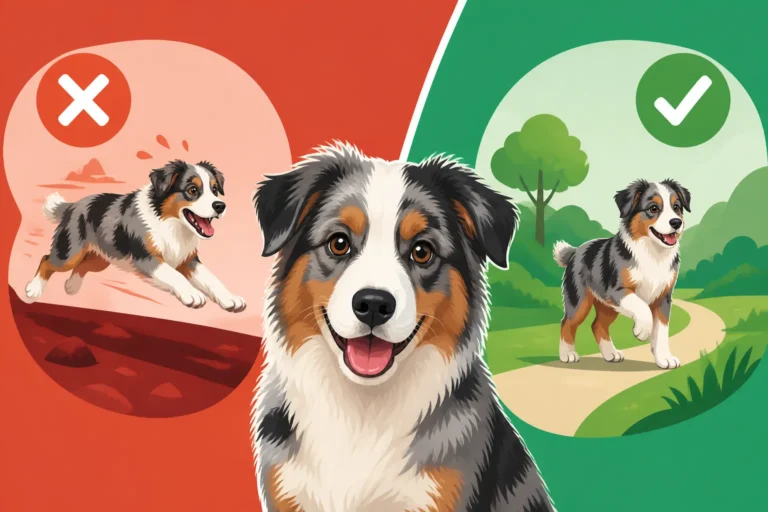
The single most impactful change you can make to your Aussie’s summer exercise routine is adjusting when you go outside. Those leisurely midday walks or afternoon romps in the park become incredibly dangerous during the summer. The sun is at its strongest, and temperatures are at their peak, typically between 10 AM and 4 PM. This window is a no-go zone for anything more than a quick potty break, and even those should be taken in the shade.
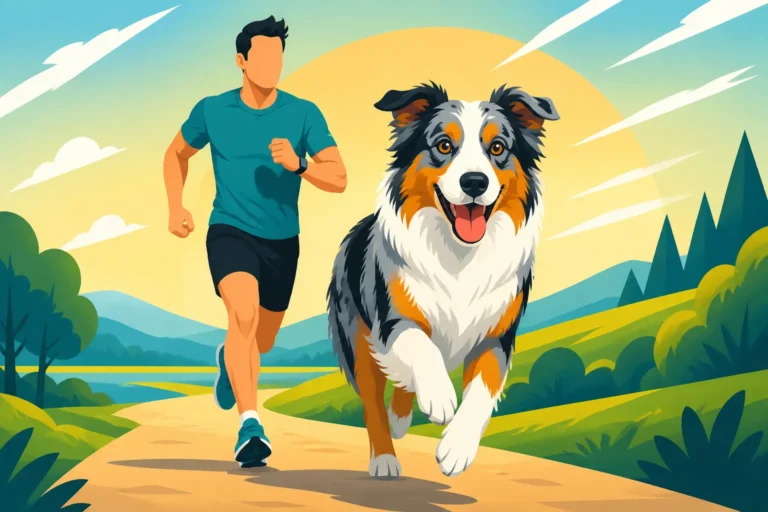
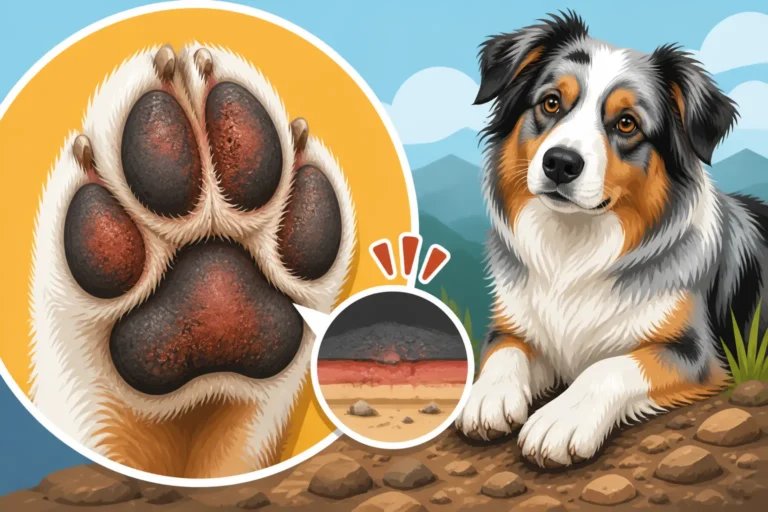
Instead, embrace the early mornings and late evenings. Think sunrise strolls before the sun has a chance to bake the pavement or heat the air. The ground will still be cool from the night, and the air will be at its freshest. Similarly, after the sun sets and the air cools down, a second opportunity for outdoor activity opens up. Even on cooler summer days, it's essential to check the pavement temperature. Asphalt and concrete can absorb and retain heat, becoming dangerously hot for your dog's paw pads even when the ambient air feels moderate to you. A good rule of thumb is the "5-second rule": place the back of your hand on the pavement for five seconds. If it's too hot for your hand, it's too hot for your dog's paws. You can find more detail on this in Summer Pavement Under an Aussie Foot. Investing in dog boots from a retailer like Amazon or Chewy might be a sensible precaution if early morning or late evening walks on pavement are unavoidable.
Choosing the Right Activities
Once you've nailed the timing, the next step is to rethink what constitutes "exercise" for your Aussie. Gone are the long, strenuous runs or extended games of fetch in an open field. Instead, focus on activities that minimize overheating risk and provide a refreshing element. Swimming is often the holy grail of summer exercise for Aussies, provided your dog enjoys it and you have access to safe, clean water. A local dog-friendly lake, a shallow river, or even a backyard kiddie pool can provide excellent physical exertion without the heat stress. Always supervise swimming, and ensure your Aussie knows how to get in and out safely. Some breeds take to water naturally, others need gentle introduction.
For those without swimming options, water games can be a lifesaver. A sprinkler in the yard can provide immense fun and cooling. Many Aussies adore trying to "herd" the water from a hose, making it a great interactive game. Short, frequent walks on grassy or shaded trails are preferable to long, uninterrupted treks. The goal isn't to exhaust them physically in the heat, but to allow for necessary potty breaks and some mental engagement through sniffing new scents. Consider reducing the duration of outdoor exercise but increasing the intensity of mental stimulation indoors. Remember, Why Aussie Exercise Type Beats Duration is particularly true in summer, where mental work can be far more tiring than physical. A quick 15-minute training session in a cool house, working on new tricks or practicing obedience, can be as satisfying for an Aussie as a 45-minute walk in moderate weather.
Hydration and Cooling Methods
Keeping your Australian Shepherd hydrated and actively cooled is just as critical as managing their exercise schedule when the summer heat bears down. A dehydrated dog is much more susceptible to heat stress, and proactive cooling can make all the difference in preventing dangerous overheating.
Ensuring Constant Access to Water
This might sound obvious, but it's worth reiterating: your Australian Shepherd needs access to fresh, cool water constantly. Indoors, ensure multiple water bowls are available and refilled frequently with cool water, perhaps even adding a few ice cubes to keep it refreshing. If your Aussie is particular, a ceramic bowl can help keep water cooler for longer than plastic or metal. Outside, the same rule applies. If your dog is spending time in a shaded yard, have a water source readily available.
When you do venture out, even for a short, timed walk, always bring water specifically for your dog. Collapsible silicone bowls or dedicated dog water bottles with attached dispensers are incredibly handy. Don't rely on finding water fountains or assuming a local business will have a bowl out; bring your own and be self-sufficient. For longer outings, even in cooler parts of the day, consider a hydration backpack for yourself that allows you to carry extra water, or invest in a larger portable water carrier. Encouraging your Aussie to drink before, during (on breaks), and after any outdoor activity is paramount. You'd be surprised how quickly they can become dehydrated, especially if they've been panting heavily. This continuous vigilance contributes significantly to their overall well-being, as detailed in Australian Shepherd Water Needs on a Long Day Out.
Utilizing Cooling Gear and Techniques
Beyond just water, there's a whole array of products and simple techniques that can help keep your Aussie comfortable and safe. Cooling vests and bandanas are popular options that work by using evaporative cooling. You soak them in cool water, wring them out, and then place them on your dog. As the water evaporates, it draws heat away from their body. Many effective options are available from retailers like Chewy or Amazon, offering different designs and sizes to fit your Aussie comfortably. Just be sure the vest isn't too heavy or restrictive.
Back home, consider an elevated dog bed. These beds allow air to circulate underneath, preventing heat from radiating up from the floor and creating a cooler resting spot. For a quick cool-down, a damp (not soaking wet) towel placed over your dog’s back, belly, or draped around their neck can provide immediate relief. Some Aussies enjoy lounging in a shallow kiddie pool filled with just a few inches of water, or playing with a sprinkler in the yard. Frozen treats are another fantastic way to cool them down from the inside out and provide some mental enrichment. You can freeze plain yogurt, fruit purees (like banana or pumpkin, ensuring no toxic ingredients like xylitol!), or even just kibble soaked in water or broth inside a Kong toy. These take time to lick and chew, offering a distraction and a cool reward. Combining these elements creates a robust cooling strategy, as explored in Cooling Kit That Works Under an Aussie Coat.
Indoor Enrichment and Mental Stimulation
When it's simply too hot to safely do much outdoors, your Australian Shepherd’s boundless energy and sharp mind don't just go on hiatus. This is where indoor enrichment and mental stimulation become your best friends. Failing to provide these outlets can lead to boredom, frustration, and destructive behaviors that no one wants to deal with.
Keeping Brains Busy Indoors
Australian Shepherds are incredibly intelligent and thrive on having a "job" to do. When the outdoor physical demands are limited, you need to shift that job indoors to their minds. Puzzle toys are an absolute godsend for this. These toys, which range from simple treat-dispensing balls to multi-step brain games, require your Aussie to problem-solve to get a reward. Brands like Kong offer classics that can be stuffed and frozen, providing a long-lasting challenge. Nina Ottosson by Outward Hound has a fantastic line of interactive puzzles that involve sliding, lifting, and rotating parts to uncover treats. These can be found at pet stores or online at Amazon or Chewy. Start with easier puzzles and gradually increase the difficulty as your dog gets the hang of it, keeping them engaged and preventing frustration.
Scent work, or "nose work," is another excellent indoor activity. This taps into your dog's most powerful sense and can be incredibly tiring. Hide treats or their favorite toys in various spots around the house – under a towel, behind a chair, in a box – and encourage them to "find it!" You can start in one room and gradually expand to more complex searches across multiple rooms. Even simple trick training sessions can be mentally exhausting. Teaching new commands, refining old ones, or chaining multiple tricks together (e.g., "sit, stay, spin, treat!") provides mental exercise and strengthens your bond. An Aussie that has spent 20 minutes intensely thinking and problem-solving can be just as tired as one that’s had a brisk walk, especially when you factor in the heat. It’s a great way to handle days when Indoor Games for a Snowed-In Australian Shepherd (or hot-weather-bound Aussie!) are the only option.
Structured Rest and Calm Activities
It's not just about keeping them busy; it's also about teaching your Aussie how to relax indoors. Many high-drive dogs, especially Aussies, struggle with an "off switch." They can become overstimulated even inside if they're constantly seeking attention or waiting for the next activity. Structured rest is crucial. This can involve "mat work" or "place training," where you teach your dog to go to a designated spot (like a bed or a mat) and settle calmly for a period. Reward them for staying on their mat, even if they're just lying there quietly. This helps them learn to self-regulate and relax in a calm state.
Providing durable chew toys is another excellent way to encourage independent, calm activity. Chewing is a natural, stress-relieving behavior for dogs. Look for high-quality, long-lasting chews appropriate for your Aussie's chewing style. Always supervise new chew toys to ensure they are safe and don't pose a choking hazard. Gentle grooming sessions can also be a calming activity that provides physical contact and strengthens your bond. Brushing their coat, gently cleaning their ears, or a paw massage can be soothing and relaxing for both of you. The key is to create an environment where your Aussie understands that sometimes, the best "job" is simply to relax and be calm. Developing this ability is a core tenet of Mat Settle Training for a Restless Aussie.
Adjusting for Individual Aussie Needs
Not all Australian Shepherds are created equal when it comes to heat tolerance. Factors like age, overall health, and even individual genetics play a huge role in how well they cope with summer temperatures. What works for a young, fit adult might be dangerous for a senior or a puppy.
Senior Aussies, Puppies, and Health Conditions
Senior Australian Shepherds: As our beloved Aussies age, their bodies undergo changes that reduce their ability to handle heat. Their cardiovascular system might not be as efficient, making it harder to regulate body temperature. They might also have underlying conditions like heart disease, respiratory issues, or arthritis, all of which can be exacerbated by heat. An older Aussie with joint pain, for instance, might be less inclined to move to a cooler spot or might struggle to pant effectively if their breathing is compromised. For these reasons, senior Aussies require even more cautious management in the heat. Shorter, slower potty breaks during the coolest parts of the day, more indoor mental games, and consistent access to cooling options are paramount. Consider their specific needs outlined in Senior Australian Shepherd Care After Ten.
Australian Shepherd Puppies: While puppies seem to have endless energy, their bodies are still developing. Their thermoregulation isn't as efficient as an adult's, and prolonged exercise, especially in heat, can be detrimental to their growth plates and overall health. Furthermore, they haven't yet learned their own limits and might push themselves too hard if not carefully monitored. Short, supervised play sessions in cool, shaded areas are best, prioritizing mental stimulation and gentle training indoors. Avoid long walks or intense fetch games until their bodies are more mature, generally after 12-18 months. Always consult your vet for specific guidelines regarding exercise intensity and duration for a growing puppy, remembering the advice in Exercise Limits for a Growing Australian Shepherd.
Aussies with Health Conditions: Any Australian Shepherd with a pre-existing health condition, such as heart murmurs, brachycephalic (short-nosed) tendencies (though rare in purebred Aussies, it can occur in mixes), respiratory issues like asthma, or even obesity, will have a significantly reduced heat tolerance. Medications can also sometimes affect a dog's ability to thermoregulate. It is absolutely crucial to discuss summer exercise plans with your veterinarian if your Aussie has any health concerns. They can provide tailored advice and help you understand specific risks. For example, an Aussie prone to skin allergies might experience flare-ups in humid heat, making their discomfort even worse. This ties into broader discussions about Australian Shepherd Skin, Coat and Allergy Problems that might need to be managed during summer.
Monitoring and Adapting to Changing Conditions
Even if you have a young, healthy Aussie, the weather isn't a static thing. Humidity, for instance, plays a huge role in how effectively a dog can cool itself. Dogs primarily cool down through panting, which relies on evaporative cooling. When the humidity is high, the air is already saturated with moisture, making it much harder for sweat to evaporate from their tongues and respiratory tracts. This means that a 75°F day with 90% humidity can feel, and be, far more dangerous than an 85°F day with low humidity. Always check both the temperature and humidity levels before considering outdoor activity.
Furthermore, a dog's acclimation to heat can vary. An Aussie that lives in a northern climate might struggle significantly more during a sudden heatwave than an Aussie that lives in a consistently warm region and has had time to gradually adjust. Watch for signs of stress and always err on the side of caution. If your dog seems reluctant to go outside, is panting excessively even at rest, or is otherwise acting "off," then staying indoors is always the safest option. Don't push them just because you feel they "need" the exercise. A day of rest in the cool comfort of home, filled with puzzle toys and cuddles, is far better than a trip to the emergency vet for heatstroke. Sometimes, the best adaptation is simply to accept that some days are for indoor activities only.
Here's a quick comparison of summer activities to help you plan:
| Activity Type | Safety in High Heat/Humidity | Notes |
|---|---|---|
| Outdoor Activities | ||
| Midday Walks | High Risk | Avoid at all costs. Pavement can burn paws; air temperature is dangerous. |
| Long Runs/Hikes | High Risk | Even in shade, prolonged exertion can lead to overheating. |
| Intense Fetch/Play | High Risk | Aussies will push themselves too far. Rapid, strenuous movement prevents efficient cooling. |
| Swimming (supervised) | Low to Moderate Risk | Excellent cooling, but still monitor for fatigue and ensure water quality. Some Aussies don't swim well; start in shallow areas. |
| Early/Late Walks | Low to Moderate Risk | Stick to shaded, grassy areas. Keep short. Check pavement with the 5-second rule. Bring water. |
| Sprinkler Play | Low Risk | Fun way to cool down. Monitor for over-excitement and ensure they don't ingest too much water. |
| Indoor Activities | ||
| Puzzle Toys | Low Risk | Excellent for mental stimulation. Use treats or their regular kibble. |
| Scent Work/Find It | Low Risk | Taps into natural instincts, very tiring mentally. Hide treats in different spots. |
| Trick Training | Low Risk | Builds bond, provides mental challenge. Keep sessions short and fun. |
| Chewing | Low Risk | Natural stress reliever. Ensure chew is appropriate and safe for your dog. |
| Mat/Place Training | Low Risk | Teaches calm behavior and an "off switch." Reinforces settling in a designated spot. |
Disclaimer
This article is for general informational purposes only and does not constitute professional advice. Laws, prices and regulations vary by location and change over time. Consult a qualified professional for guidance on your specific situation.