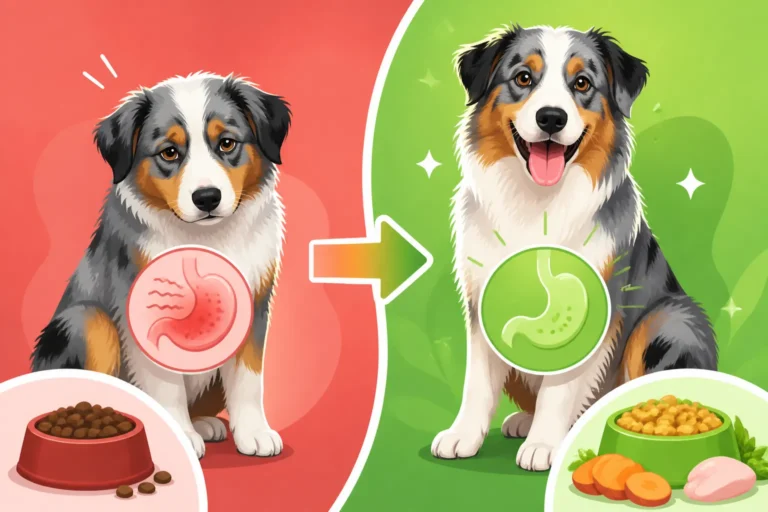
Feeding an Australian Shepherd Puppy Correctly
Bringing home a fluffy, energetic Australian Shepherd puppy is one of life's greatest joys, but it also comes with a mountain of responsibility and, let's be honest, a good dose of anxiety, especially around feeding. You’re probably wondering if you’re giving them the right kind of food, the right amount, and on the right schedule to fuel their boundless energy and support their rapid growth. This comprehensive guide will walk you through everything you need to know about correctly nourishing your Australian Shepherd puppy, addressing common concerns, and setting them up for a healthy life.
Understanding Your Aussie Puppy's Unique Nutritional Needs
It's easy to assume all dog food is the same, but a growing Australian Shepherd puppy has vastly different nutritional requirements than a calm, adult couch potato or even an older, senior dog. Their bodies are little construction sites, constantly building muscle, bone, and developing complex systems. Skimping or guessing on their diet can have long-lasting consequences for their health and development.
Higher Calorie Requirements for Rapid Growth
Imagine trying to build a house with insufficient materials – it just won't stand strong. Your Aussie puppy is the same; they're growing at an astonishing rate, much faster than an adult dog, and this demands a lot of energy. Puppies generally need about twice the calories per pound of body weight compared to adult dogs. This isn't just about bouncing off the walls (though they do that too!); it's about the intense cellular activity happening internally. Their metabolism is in overdrive, converting food into energy for play, but more importantly, for forming strong bones, developing healthy organs, and fueling brain development. Without enough calories, a puppy can become underweight, lethargic, and fail to reach their full growth potential.
This high energy demand means that while an adult Aussie might do well on one or two meals a day, a puppy needs more frequent, smaller meals to sustain their energy levels and avoid overwhelming their tiny digestive system. Think of it like a human baby needing to eat every few hours rather than three big meals. Skipping meals or offering too little can quickly lead to a dip in blood sugar, especially in very active breeds like Australian Shepherds.
Essential Nutrients for Sound Development
Beyond just calories, the types of nutrients are crucial. Puppy foods are specifically formulated with different ratios of protein, fat, vitamins, and minerals than adult formulas. High-quality protein is paramount for muscle development, healthy skin, and a shiny coat. Look for named meat sources like "chicken meal" or "lamb" as the first ingredients, rather than vague "meat by-products." Fats provide concentrated energy and are essential for neurological development and a healthy skin barrier. Omega-3 fatty acids, like DHA (docosahexaenoic acid), are particularly important for brain and vision development, a critical aspect often emphasized in premium puppy foods.
The balance of minerals, especially calcium and phosphorus, is incredibly delicate and vital for bone growth. Too much or too little, or an incorrect ratio, can lead to serious skeletal problems, particularly in medium to large breeds prone to conditions like hip or elbow dysplasia. This is why supplementing a balanced puppy food with extra calcium or other minerals is generally not recommended without veterinary guidance, as it can disrupt this delicate balance. Good puppy food is a complete and balanced meal, designed to prevent these issues.
Choosing the Right Puppy Food for Your Aussie
Navigating the pet food aisle (or the vast online options) can feel overwhelming. There are so many brands, formulas, and marketing claims. For an Australian Shepherd puppy, making the right choice now can prevent health issues down the road and ensure they develop into a robust adult. Don't be swayed by fancy packaging alone; focus on the nutritional content and suitability for your growing herding dog.
Opting for Large Breed Puppy Formulas
While Australian Shepherds are not giant breeds, they are certainly a medium-to-large breed with specific growth needs. Their rapid growth phase, especially in bone development, requires careful management. "Large breed puppy" formulas are not just a marketing gimmick; they're formulated with a slightly lower calcium-to-phosphorus ratio and reduced calorie density compared to standard puppy foods. This helps promote a slower, more controlled growth rate, which is absolutely critical for reducing the risk of orthopedic problems like hip and elbow dysplasia later in life. Growing too fast can put undue stress on developing joints. Australian Shepherd Hip Dysplasia and Working Joints is a topic many owners worry about, and proper nutrition plays a huge preventative role.
These specialized formulas aim to support healthy bone and joint development without over-accelerating growth. It’s a common misconception that more protein or more calcium is always better for growing puppies, but for a breed like the Aussie, a controlled approach is key. Look for brands that specifically state "large breed puppy" on their packaging.
Dry Kibble vs. Wet/Fresh Food Options
The debate between dry kibble, wet food, and newer fresh food options is ongoing, and each has its pros and cons. Dry kibble is typically the most economical and convenient option. It’s easy to store, helps keep teeth cleaner due to the abrasive action of chewing, and is readily available. When choosing a kibble, prioritize formulas specifically designed for puppies and, ideally, large breeds, looking for high-quality protein sources. Many reputable brands found on platforms like Chewy offer excellent kibble options.
Wet food can be more palatable and hydrating, which can be beneficial for puppies who are finicky or need extra moisture. However, it's often more expensive and less calorie-dense per serving, meaning you'll need to feed larger quantities. Fresh food delivery services, such as Ollie, have gained popularity, offering human-grade ingredients that are gently cooked. These can be excellent for palatability and nutrient absorption, but they typically come at a higher cost and require refrigeration. Some owners choose a mixed approach, feeding kibble as the primary diet and supplementing with a spoonful of wet or fresh food for added appeal. The most important thing is that whichever option you choose, it is nutritionally complete and balanced for growing puppies.
Decoding Food Labels and Ingredients
Learning to read a dog food label is an invaluable skill for any Australian Shepherd owner. Don't just glance at the front of the bag; turn it over and dive into the ingredient list and guaranteed analysis. The first few ingredients are the most abundant. You want to see whole meat sources (e.g., "deboned chicken," "lamb meal," "salmon") listed first, not just "meat" or "poultry by-product meal" alone, though good quality meat meals can be excellent concentrated protein sources. Avoid artificial colors, flavors, and preservatives, which offer no nutritional value and can sometimes trigger sensitivities.
The Guaranteed Analysis provides percentages of crude protein, crude fat, crude fiber, and moisture. For puppies, a higher protein and fat content is generally expected. Crucially, look for a statement from the Association of American Feed Control Officials (AAFCO) indicating the food is "formulated to meet the nutritional levels established by the AAFCO Dog Food Nutrient Profiles for growth" or "for all life stages." This is your assurance that the food is designed to provide complete and balanced nutrition. Without this statement, you're essentially guessing. Be wary of foods that rely heavily on fillers like corn, wheat, or soy if your puppy shows any signs of allergies, though these ingredients are not inherently bad for all dogs. You might find brands that cater to specific needs, like grain-free options, though current research suggests a careful approach to these diets.
Establishing a Consistent Feeding Schedule and Portion Control
Consistency is key when feeding an Australian Shepherd puppy. Their digestive systems thrive on routine, and a regular schedule helps with house training as well. Knowing how much to feed and when can be a bit of a moving target as they grow, but a structured approach will set both you and your puppy up for success.
Puppy Feeding Frequency by Age
The frequency of meals will decrease as your Australian Shepherd puppy grows. When they first come home, usually around 8-10 weeks, they'll need to eat three to four times a day. Their small stomachs can't handle large quantities of food, and their high metabolism means they burn through calories quickly. Think of breakfast, lunch, dinner, and possibly a small snack before bed. This also helps keep their blood sugar stable throughout the day.
| Puppy Age (Approximate) | Meals Per Day | Example Schedule |
|---|---|---|
| 8-12 Weeks | 3-4 | 7 AM, 12 PM, 5 PM, 9 PM |
| 3-6 Months | 3 | 7 AM, 1 PM, 7 PM |
| 6-12 Months | 2-3 | 7 AM, 6 PM (Optional Midday) |
| 12+ Months | 2 | 8 AM, 7 PM |
As they approach 4-6 months, you can gradually reduce to three meals a day. By the time they are 6-12 months old, depending on their individual growth rate and energy level, most Australian Shepherds can transition to two or three meals a day. You can generally keep them on two meals a day for their adult life. Always try to feed at the same times each day to establish a predictable routine. This can significantly aid in House Training an Aussie Puppy in Six Weeks by making their elimination schedule more predictable.
The Importance of Weighing Food Portions
Guessing with a scoop might seem easy, but it's incredibly inaccurate. Food densities vary wildly between brands, and even different bags of the same food can have slight variations. The absolute best way to ensure you're feeding the correct amount is to use a digital kitchen scale to weigh your puppy's food. Most high-quality puppy food bags will provide feeding guidelines based on your puppy's current weight and age, usually in grams or ounces. Follow these guidelines closely, but remember they are just starting points.
Overfeeding, especially during rapid growth, is a significant concern for Australian Shepherds due to their propensity for orthopedic issues. Excess weight puts additional strain on developing joints. Underfeeding, on the other hand, can lead to nutrient deficiencies and stunted growth. A kitchen scale takes the guesswork out, ensuring precise and consistent portion control, which is essential for healthy development.
Monitoring Your Puppy's Body Condition
While feeding guidelines and weighing food are crucial, your puppy's individual body condition is the ultimate indicator of whether they're getting enough. Every puppy is different – metabolism, activity level, and genetics all play a role. You should be able to easily feel your Aussie puppy's ribs with minimal fat covering, but not see them prominently. Their waist should be evident when viewed from above, and there should be a tuck-up when viewed from the side.
If you can easily see ribs, hip bones, or vertebrae, your puppy is likely too thin and needs more food. If you can't feel their ribs without significant pressure, or if they have no discernible waist or tuck, they're likely overweight. Regularly assess their body condition weekly, especially during growth spurts. Your vet can show you how to perform a body condition score check and provide guidance on adjusting portions. Remember, a lean puppy is a healthy puppy, especially for a breed as active as an Australian Shepherd.
Transitioning Your Aussie to Adult Food
The transition from puppy food to adult food is a significant milestone, marking the end of their most intensive growth phase. Getting this timing and process right is crucial for continued healthy development.
When to Make the Switch
The general recommendation for Australian Shepherds is to transition to adult food between 12 and 18 months of age. Because they are a medium-to-large breed, their skeletal development continues longer than smaller breeds. While a small terrier mix might be ready for adult food at 9-10 months, an Aussie needs that prolonged period on puppy food to ensure proper bone and joint maturation. Switching too early can deny them the crucial nutrients needed for finishing strong, while switching too late might provide excess calories that could lead to unnecessary weight gain once their growth slows.
Your veterinarian is your best resource for determining the exact timing for your specific Aussie, as they can assess their individual growth curve and overall health. Factors like whether your Aussie is still growing in height, filling out, or maintaining a healthy weight will influence the decision. You might also want to look at When an Aussie Leaves Puppy Food Behind for more specific details on this transition.
The Gradual Transition Process
Once you've decided it's time to switch, don't just abruptly change their food. A sudden dietary change can lead to digestive upset, including vomiting or diarrhea, especially in a sensitive Aussie stomach. The key is a slow, gradual transition over 7-10 days. This allows your puppy's digestive system to adapt to the new ingredients and nutrient profile.
Here's a typical schedule for a smooth transition:
- Days 1-2: Mix 75% old puppy food with 25% new adult food.
- Days 3-4: Switch to a 50/50 mix of old and new food.
- Days 5-6: Provide 25% old food with 75% new adult food.
- Days 7-10: Your Aussie should now be on 100% new adult food.
During this period, monitor your puppy closely for any signs of digestive upset like loose stools, gas, or a decrease in appetite. If you notice any issues, slow down the transition by extending each stage for a few extra days. If problems persist, consult your vet; the new food might not be agreeing with them, or there could be an underlying issue. This patient approach minimizes stress on their system and helps ensure a happy tummy with their new diet.
Addressing Common Puppy Feeding Challenges
Even with the best intentions and the right food, feeding an Australian Shepherd puppy isn't always smooth sailing. From finicky appetites to sudden tummy troubles, there are several common challenges owners face. Knowing how to react and when to seek veterinary advice can save you a lot of stress.
Picky Eaters and Food Refusal
It can be incredibly frustrating when your energetic Aussie puppy suddenly turns their nose up at a meal they once devoured. Pickiness or food refusal can have various causes, from mild upset stomachs to learned behavior or even underlying health issues. First, rule out health problems: a sudden, complete refusal to eat, accompanied by lethargy, vomiting, or diarrhea, warrants an immediate vet visit. Pain, nausea, or dental issues can all cause a puppy to stop eating.
If health issues are ruled out, consider environmental factors. Is their bowl clean? Is the food fresh? Has anything changed in their routine? Sometimes, puppies learn that holding out for something better (like human food scraps) works. Avoid free-feeding, where food is left out all day. Offer meals at set times for 15-20 minutes, then pick up any uneaten food. They'll quickly learn that mealtime is finite. You can also try adding a small amount of warm water to kibble to release aromas, or a spoonful of plain canned pumpkin or low-sodium broth for extra appeal. Rotating protein sources within the same brand can sometimes keep things interesting, but consistency is usually best for sensitive tummies. Be mindful of not inadvertently creating a picky eater by constantly offering alternatives or too many treats.
Digestive Upset and Diarrhea
Puppies are notorious for having sensitive stomachs, and diarrhea is a common, albeit alarming, issue. It can be triggered by stress (like a new home!), dietary changes, ingesting something they shouldn't have (a hallmark of curious Aussie puppies!), parasites, or even bacterial/viral infections. A single bout of soft stool might not be cause for alarm, but persistent diarrhea, especially if accompanied by blood, mucus, vomiting, lethargy, or loss of appetite, requires immediate veterinary attention. Dehydration can happen rapidly in young puppies. Australian Shepherd Puppy Diarrhea After Homecoming is a very common topic for new owners.
For mild, temporary diarrhea (after a vet consult confirms it's not serious), you might try a bland diet for a day or two: boiled plain chicken breast (no skin, no bones) and plain white rice. Gradually reintroduce their regular puppy food over several days. Probiotics formulated for dogs can also help support gut health. Always ensure your puppy has access to fresh water to prevent dehydration. If the diarrhea doesn't resolve quickly, or if your puppy seems unwell, do not hesitate to contact your vet.
Bloat Concerns in Puppies
While bloat (Gastric Dilatation-Volvulus, or GDV) is more commonly associated with adult, deep-chested breeds, it's still a concern to be aware of even with a rapidly growing Australian Shepherd puppy. Aussies are indeed a deep-chested breed. Bloat is a life-threatening condition where the stomach fills with gas and can twist, cutting off blood supply. Symptoms include a distended abdomen, retching without vomiting, restlessness, excessive drooling, and signs of pain. It's a medical emergency.
To minimize the risk, feed multiple smaller meals throughout the day rather than one large one. Avoid intense exercise immediately before or after meals – give them at least an hour before and two hours after eating to rest and digest. Use slow-feeder bowls, which can be easily found on sites like Amazon, to prevent your puppy from gulping down food too quickly, as rapid eating can lead to ingesting excess air. Ensure they have fresh water at all times but avoid letting them drink huge quantities immediately after eating. While bloat is rare in very young puppies, understanding the risk factors and preventative measures from a young age is part of responsible Aussie ownership. Why an Aussie's Deep Chest Raises Bloat Risk is an important read for every owner.
Supplements and Training Treats for a Growing Aussie
Beyond their main meals, supplements and treats often play a role in an Australian Shepherd puppy's diet. It’s important to understand when they're beneficial, when they're unnecessary, and how to choose healthy options that support their development without unbalancing their core nutrition.
When Supplements Are Necessary
For a healthy Australian Shepherd puppy eating a high-quality, AAFCO-approved puppy food, additional supplements are rarely necessary and can sometimes be detrimental. As mentioned earlier, over-supplementing certain minerals like calcium can actually harm developing bones and joints, increasing the risk of orthopedic issues. Good puppy food is meticulously balanced to provide everything a growing Aussie needs.
However, there are exceptions. If your puppy has a specific diagnosed medical condition, such as a nutrient deficiency, allergies, or certain joint issues, your veterinarian might recommend specific supplements. This could include omega-3 fatty acids for skin and coat health, probiotics for digestive issues, or joint support supplements if a predisposition to certain conditions is identified early (though typically not for very young puppies). Always consult your vet before adding any supplements to your puppy's diet. Giving them vitamins, minerals, or other supplements without professional guidance can throw their carefully balanced diet completely out of whack.
Choosing Healthy Training Treats
Training is an integral part of raising an Australian Shepherd, and treats are often an indispensable tool. Aussies are intelligent and food-motivated, making treats highly effective for positive reinforcement. However, treats are not calorie-free! They should make up no more than 10% of your puppy's daily caloric intake to prevent overfeeding and ensure they're still getting the bulk of their nutrition from their balanced puppy food.
When choosing treats, look for small, soft, and easily digestible options. Small treats mean you can give more repetitions without over-stuffing your puppy. Soft treats are quickly chewed and swallowed, keeping training sessions flowing. Look for treats with simple, wholesome ingredients and avoid those with artificial colors or excessive fillers. Many brands offer puppy-specific training treats. You can also use small pieces of cooked chicken, cheese, or even their regular kibble as high-value rewards. Freeze-dried meat treats are another popular, healthy option. Sites like Chewy and Amazon offer a wide selection of suitable training treats. Remember, treats are a tool, not a meal replacement, and proper portion control applies to them too!
Disclaimer
This article is for general informational purposes only and does not constitute professional advice. Laws, prices and regulations vary by location and change over time. Consult a qualified professional for guidance on your specific situation.