Taking an Aussie on a Long Trail Day
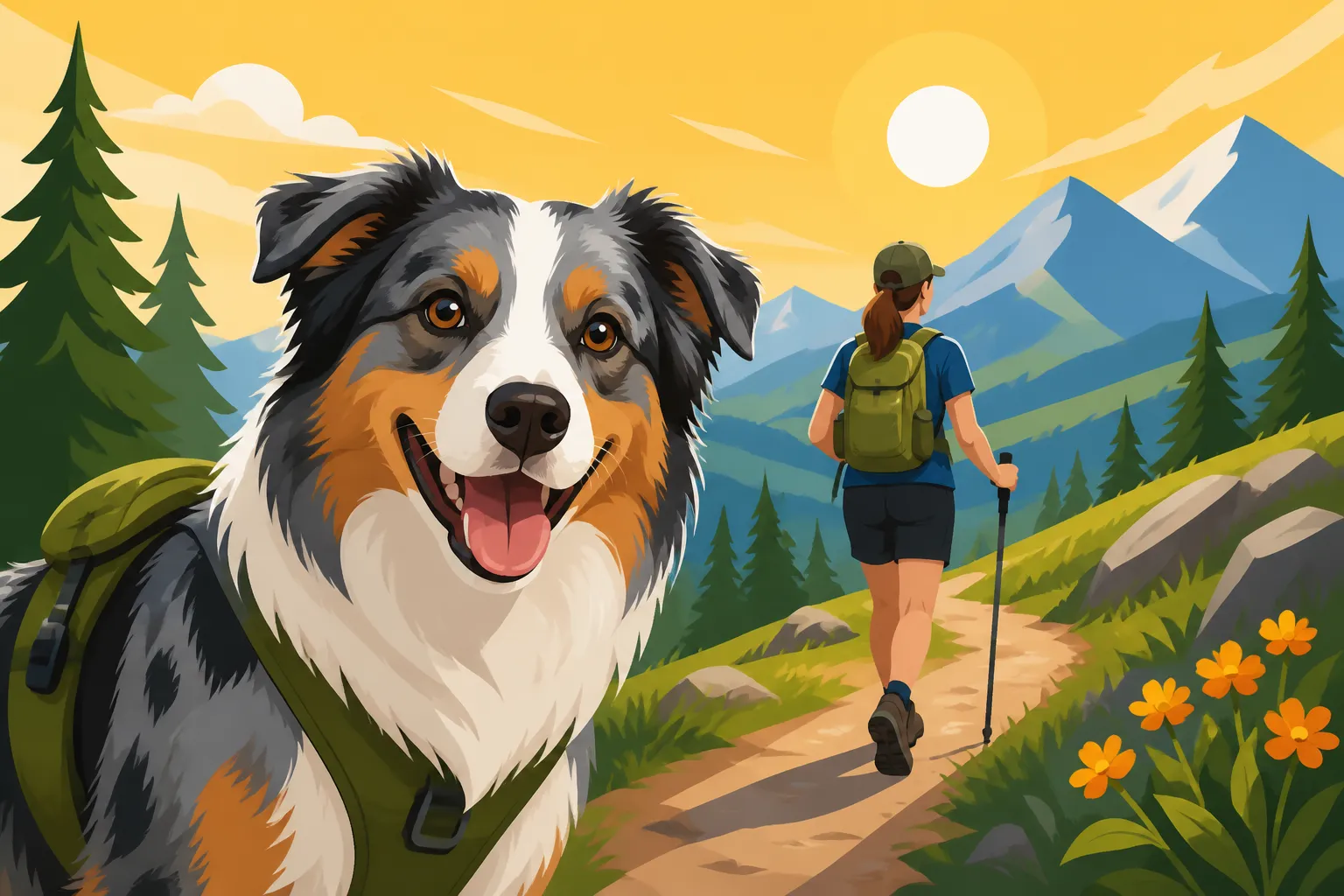
Planning a long trail day with your Australian Shepherd can be incredibly exciting, picturing those happy, focused ears and that tireless stride. But often, the reality hits when you realize just how much preparation goes into safely taking your high-energy companion on an extended adventure, from ensuring they have the stamina for miles of varied terrain to keeping them hydrated and comfortable throughout the journey. This guide will walk you through everything you need to know to make those ambitious trail days a joyful and safe experience for both you and your adventurous Aussie.
Preparing Your Australian Shepherd for the Trail
Before you even think about hitting that challenging trail, there’s a whole lot of prep work to consider for your Australian Shepherd. These aren't just casual strolls in the park; long trail days demand a certain level of fitness and readiness from both ends of the leash. Skipping these foundational steps can lead to exhaustion, injury, or even a less enjoyable experience for everyone involved.
Building Endurance and Pacing
It’s tempting to just assume your Aussie, with all their boundless energy, is ready for anything. But a sudden leap from neighborhood walks to a ten-mile mountain hike can be a recipe for disaster. Just like us, dogs need to gradually build their endurance. Start with shorter, more frequent hikes, slowly increasing the distance and elevation over weeks, not days. Observe how they recover, how their muscles feel the next morning, and if they're showing any signs of soreness or stiffness. Pay attention to how they handle different terrains; some Aussies are used to flat ground, and rocky inclines will work different muscle groups.
Pacing is also crucial. On a long trail, it’s not about how fast you can go, but how consistently you can maintain a comfortable speed without burning out. Your Australian Shepherd will likely want to power ahead, but it’s your job to regulate their speed, especially on inclines or technical sections. Think about breaking up continuous movement with short, intentional rest breaks. This isn't just for physical recovery but also for mental decompression. An overstimulated Aussie can make poor decisions, like darting after a squirrel too close to a cliff edge. Remember, the goal is a sustained, enjoyable effort, not a sprint to the finish line.
Essential Gear for Your Aussie
Heading out on a long trail day unprepared is like forgetting your own hiking boots – it simply won't work. Your Aussie needs their own carefully selected gear. First and foremost, a well-fitting harness is non-negotiable. It should be comfortable, allow full range of motion, and ideally have a front clip option for better leash control on steep or narrow paths. Brands like Ruffwear or Kurgo offer harnesses specifically designed for hiking that distribute pressure evenly and have sturdy attachment points. Don't forget a sturdy leash, preferably one that's hands-free for you, allowing greater balance and freedom.
Beyond the basics, think about hydration. A collapsible water bowl and plenty of fresh water are absolute musts. While your Aussie might splash in a stream, it's safer to provide clean water from your supply to prevent giardia or other parasites. For snacks, pack high-value, easily digestible treats or portions of their regular kibble. A small doggie backpack, if your Aussie is trained to carry one, can be helpful for them to carry their own water or treats, but introduce it slowly and ensure it's not too heavy. Finally, consider paw protection – dog boots can save tender paw pads from sharp rocks, hot pavement (if you're on a multi-use trail), or abrasive surfaces. You might be surprised at how quickly an active Australian Shepherd can wear down their paw pads on a long, tough trail.
Pre-Trail Hydration and Nutrition
Just as you wouldn't run a marathon without proper fueling, your Australian Shepherd shouldn't embark on a long trail day without being adequately hydrated and nourished. Start increasing their water intake a day or two before the hike. This might mean adding a bit of water to their meals or offering more frequent water breaks. Ensuring they are well-hydrated before you even hit the trail is crucial for preventing dehydration, especially if it's going to be a warmer day. For insights into their daily needs, you might find Australian Shepherd Water Needs on a Long Day Out helpful.
Regarding nutrition, avoid making drastic changes to their diet right before a big hike, as this can lead to an upset stomach. Feed them their regular, high-quality dog food. For a truly strenuous, all-day adventure, some owners might offer a slightly larger meal the night before or a smaller, easily digestible breakfast a few hours before starting. The key is balance – enough energy to sustain them, but not so much that they feel sluggish or prone to bloat, especially for deep-chested breeds like Aussies. Monitor their regular potty schedule to ensure they've had ample opportunity to relieve themselves before setting off, preventing uncomfortable stops on the trail.
Navigating Trail Challenges with Your Aussie
Once you're actually out there, the real adventure begins, but so do the challenges. Trails aren't always perfectly smooth sailing, and being prepared for common hurdles will make the experience much smoother and safer for you and your Australian Shepherd. It’s not just about covering distance; it’s about navigating the unexpected with confidence.
Managing Weather and Terrain
The weather can change in an instant, especially in mountainous regions. A sunny morning can turn into a chilly, rainy afternoon, and your Australian Shepherd's double coat, while insulating, isn't always enough to keep them comfortable in extreme conditions. In colder weather, consider a dog jacket to protect them from the elements, especially during rest breaks when their body temperature might drop. Conversely, on warmer days, managing heat is paramount. Watch for signs of overheating like excessive panting, bright red gums, or stumbling. Seek shade immediately, offer water, and consider using cooling vests or bandanas. You can learn more about managing the heat in Australian Shepherd Exercise in Summer Heat.
Terrain also plays a massive role. Rocky trails can be tough on paw pads, as mentioned earlier. Muddy sections can lead to slips and falls, not just for you but for your dog, too. Steep ascents and descents can strain joints, particularly hips and elbows, which some Aussies are predisposed to issues with. Navigate these sections slowly, offering support if needed. Using a short lead gives you more control and allows you to guide your Aussie over obstacles safely. Always be mindful of their physical limits on challenging terrain; an Australian Shepherd might push themselves beyond their comfort zone if they're focused on "working" for you.
Wildlife Encounters and Trail Etiquette
Trails are shared spaces, and that means encountering other hikers, their dogs, and of course, local wildlife. An Australian Shepherd's strong herding instinct and prey drive mean that squirrels, deer, or even other dogs can instantly become a target of their attention. Maintaining excellent recall and leash control is absolutely non-negotiable. If you're in an area where wildlife is common, keeping your Aussie on a leash, or at least a long line, is the safest approach. This prevents them from chasing animals, potentially getting lost, or encountering dangerous situations with larger wildlife like coyotes or bears.
When encountering other people or dogs, practice good trail etiquette. Always yield to uphill hikers. Keep your dog close to you and leashed when passing others. Not everyone is comfortable with dogs, and even the friendliest Aussie can startle someone. If your Aussie tends to be reactive to other dogs, work on An Aussie Reacting to Dogs on the Lead before tackling busy trails. Clean up after your dog – always pack out what you pack in, including poop bags. Leaving them on the side of the trail is not only unsightly but also disrespectful to nature and other hikers. Being a responsible trail user ensures these beautiful spaces remain open and enjoyable for everyone.
First Aid and Emergency Preparedness
Accidents happen, even to the most well-prepared adventurers. A comprehensive dog first-aid kit is just as important as your own. This should include essentials like gauze, antiseptic wipes, vet wrap, tweezers (for splinters or ticks), paw balm, pain relief specifically approved for dogs, and any personal medications your Aussie might need. Knowing how to use these items is key. Take a basic pet first aid course if possible. It can make all the difference in a remote situation.
Beyond supplies, having a plan for emergencies is vital. Before you go, research the nearest veterinary emergency clinic to your trail location. Save their number in your phone. Consider how you would transport your injured Australian Shepherd if they were unable to walk. For smaller Aussies, a sturdy sling or backpack might work; for larger ones, it could be a two-person carry. Always let someone know your itinerary, including your planned route and estimated return time. Carry a fully charged phone, and ideally, a portable charger, as cell service can be spotty on trails. Remember, prevention is the best medicine, but preparation is your backup plan.
Sustaining Your Aussie During the Hike
A long trail day isn't just about getting from point A to point B; it's about making sure your Australian Shepherd remains comfortable, energized, and safe throughout the entire journey. This means being proactive about their needs and keenly observing their behavior, much like a good handler would on a working farm.
Water and Snack Breaks on the Trail
Regular water breaks are non-negotiable for your Aussie, even if the weather isn't scorching. Active dogs can dehydrate quickly, and an Australian Shepherd's energy levels can mask early signs of thirst. Aim for water breaks every 30-60 minutes, or more frequently if it’s hot or they’re working particularly hard. Offer water in a collapsible bowl, ensuring they drink a good amount each time. Don't rely solely on natural water sources, as these can harbor parasites or be contaminated. Carry ample water for both you and your dog.
Snack breaks are equally important for maintaining energy levels on an extended hike. Just like human hikers need fuel, your Aussie will benefit from a small, energy-dense snack every couple of hours. These could be high-quality kibble, dehydrated meat treats, or even small pieces of cheese or cooked chicken if your dog tolerates them well. Spread these snacks out throughout the day rather than giving one big portion, to provide a steady supply of energy. This also helps keep their blood sugar stable and prevents them from "bonking" or running out of steam when you still have miles to go.
Reading Your Aussie's Energy Levels
Australian Shepherds are notorious for their drive and willingness to please, often pushing past their physical limits if they think you want them to. This means it’s crucial for you to be the one monitoring their energy and fatigue. Watch for subtle signs:
- Pacing: Is their gait still springy, or are they starting to plod?
- Tail carriage: Is it still held high and wagging, or dropping lower?
- Panting: Is it heavier or more constant than usual for the exertion?
- Lagging behind: Are they starting to fall back instead of leading?
- Reluctance: Are they hesitating at obstacles they normally tackle with ease?
- Seeking shade/rest: Are they spontaneously lying down or trying to find a cool spot?
If you notice these signs, it's time for a longer break, a snack, or even to consider turning back. Pushing an exhausted Aussie can lead to injury, heatstroke, or a generally miserable experience that makes them dread future hikes. Remember that their enthusiasm can hide fatigue, so you need to be their advocate. For a better understanding of their typical exercise needs, revisit Australian Shepherd Exercise at One to Two Hours a Day.
Protecting Paws and Preventing Overheating
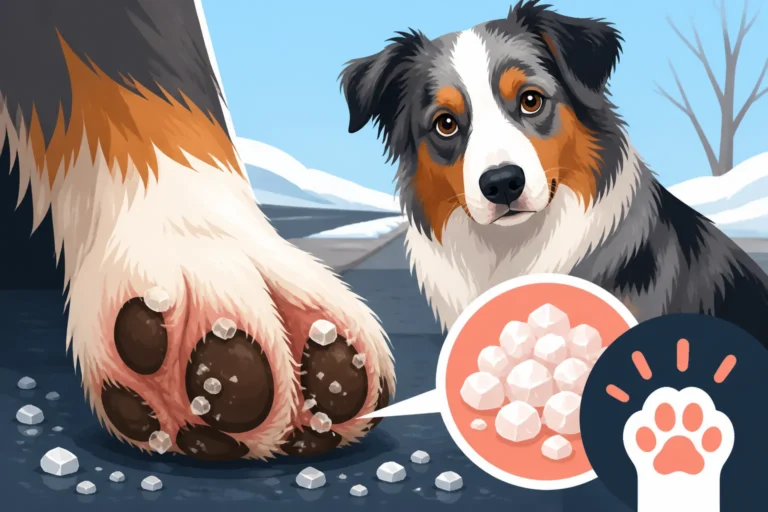
Your Aussie's paws are their primary interface with the trail, and they take a beating. Regularly check their paw pads throughout the hike for cuts, abrasions, embedded thorns, or excessive wear. If the ground is particularly rough, hot, or icy, dog boots are an excellent preventative measure. Introduce boots gradually at home before the trail day so your dog is accustomed to wearing them. Even without boots, a good paw balm applied before and after the hike can help keep pads supple and less prone to cracking. You might find Australian Shepherd Paw and Coat Care After Fieldwork helpful for detailed paw care.
Overheating is another major concern, especially for double-coated breeds like Australian Shepherds. While their coats offer some insulation against both heat and cold, intense exercise in warm weather can quickly lead to dangerous internal temperatures. Beyond regular water breaks and monitoring, consider where you're hiking. Choose shaded trails, go out early in the morning or later in the evening during summer months, and avoid midday sun. If your Aussie loves water, plan a route that includes opportunities for a safe, shallow dip to cool down. A cooling vest or bandana can also offer relief. Carrying a small spray bottle to mist their paws and belly can provide instant, temporary cooling.
Post-Trail Recovery and Care
The adventure doesn't end when you get back to the car. The hours and even days following a long trail day are critical for your Australian Shepherd's recovery. Just as you'd stretch and refuel after a strenuous workout, your Aussie needs specific care to prevent soreness, injury, and ensure they're ready for the next adventure.
Rehydration and Refueling After the Hike
As soon as you finish the hike, the first thing your Australian Shepherd needs is water. Offer a generous amount, but don't let them gulp down an entire bowl too quickly, as this can lead to stomach upset or even bloat, which is a serious concern for deep-chested breeds. Offer smaller amounts frequently until they've had their fill. If they seem reluctant to drink plain water, a little low-sodium chicken broth or an electrolyte solution specifically formulated for dogs can encourage hydration.
About an hour or two after the hike, once they've settled and rehydrated, offer their regular meal. Consider adding a little extra to account for the calories burned during the strenuous activity. High-quality protein helps with muscle repair, and healthy fats replenish energy stores. Some owners might also offer a joint supplement, especially for active Aussies who frequently hit the trails, to support their cartilage and overall joint health. This can be particularly important if your dog is prone to conditions like Australian Shepherd Hip Dysplasia and Working Joints. Brands like Zesty Paws or Nutramax often have supplements widely available at pet stores or online retailers like Chewy or Amazon.
Checking for Injuries and Ticks
This is a critical step that should never be rushed. As soon as you get home, before your Australian Shepherd settles down, perform a thorough head-to-tail inspection. Start with their paws: check between the pads and toes for cuts, thorns, foxtails, or excessive redness. Look for cracked or worn pads. Move up their legs, feeling for any swelling, tenderness, or heat in their joints or muscles. Pay close attention to their hips and shoulders.
Next, comb through their double coat, especially around their ears, armpits, groin, and tail base – prime spots for ticks. Ticks can carry diseases, so prompt removal is essential. If you find one, use fine-tipped tweezers or a tick removal tool to grasp it as close to the skin as possible and pull straight up with steady pressure. Make sure you get the head. Don't forget to check their ears for any debris or signs of infection, especially if they’ve been swimming or rolling in dirt; Australian Shepherd Dental and Ear Routine discusses ear care in more detail. A comprehensive check will help catch minor issues before they become major problems.
Rest and Joint Support
After a long trail day, your Australian Shepherd will be tired, even if they don't show it immediately. Encourage them to rest in a comfortable, quiet spot. Resist the urge to engage them in more intense play for the rest of the day. A long, restorative sleep is vital for muscle recovery and overall well-being. They might be stiff or a little slow the next morning, which is normal after a big effort, but any persistent lameness or pain warrants a call to your vet.
For Aussies who regularly participate in strenuous activities, ongoing joint support can be beneficial. This might include a high-quality diet rich in omega-3 fatty acids, supplements containing glucosamine and chondroitin, or even turmeric. Consult with your veterinarian about the best joint support regimen for your individual dog, especially as they age. An active lifestyle can be incredibly rewarding, but it also means being proactive about protecting their working joints. Early intervention and consistent care can help prevent Australian Shepherd Arthritis After Years of Work and ensure they can continue enjoying trails for years to come.
Common Misconceptions About Aussies on Long Trails
There are many myths and misunderstandings floating around about what an Australian Shepherd can and should do on the trail. While these dogs are incredibly athletic and driven, it's easy for well-meaning owners to overestimate their readiness or underestimate the risks involved. Let's debunk some common ones.
"More Miles Equals Better Exercise" Myth
It's a common belief that an Australian Shepherd's endless energy simply requires more and more miles to truly tire them out. While physical exercise is undoubtedly crucial for an Aussie, the idea that "more miles automatically equals better exercise" is a misconception. Often, an Aussie's mental engagement is just as, if not more, tiring than purely physical exertion. A five-mile hike with varied terrain, scent work challenges, and obedience checks can be far more fatiguing for an Australian Shepherd than ten miles of monotonous, flat trail. It engages their brain, their senses, and their problem-solving skills, tapping into their natural working drive.
Furthermore, pushing for extreme mileage constantly, especially on hard surfaces, can take a toll on their joints over time. It's not about the sheer quantity of miles, but the quality of the exercise. A balance of different activities – like hiking, swimming, puzzle toys, and obedience training – will provide a more well-rounded and sustainable form of exercise for your Australian Shepherd than just chasing the next Strava segment. Think about how Why Aussie Exercise Type Beats Duration highlights this very point. Variety keeps them physically sound and mentally stimulated.
Underestimating Environmental Risks
Another dangerous misconception is underestimating the various environmental risks present on trails, assuming that an Australian Shepherd's natural hardiness will protect them. While Aussies are tough dogs, they are not immune to hazards. Hot pavement can burn paw pads severely, even if the air temperature seems mild. Icy trails can lead to slips, strains, or even hypothermia if a dog gets wet and can't warm up. Poison ivy, oak, or other toxic plants can cause skin irritation or internal issues if ingested.
Beyond plants and surfaces, wildlife poses a significant threat. Snakes, aggressive coyotes, or even porcupines can cause serious injury. Water sources that appear clean can harbor dangerous bacteria or parasites. It's vital to educate yourself about the specific hazards of the trails you plan to visit. Check local park warnings for recent wildlife sightings or trail closures. Always carry fresh water, even if there are streams, to mitigate the risk of waterborne illnesses. Being hyper-aware of your surroundings and taking preventative measures is a sign of a responsible owner, not an overly cautious one.
Assuming All Aussies Are Built for Extreme Trails
While the breed as a whole is known for its athleticism and endurance, it's a mistake to assume every single Australian Shepherd is automatically cut out for extreme, multi-hour trail adventures. Just like people, individual dogs have different temperaments, physical builds, and predispositions. A show-bred Aussie might have a heavier bone structure or a slightly different gait than a working-line Aussie, impacting their suitability for very technical or long-distance terrain. Dogs with existing joint issues, even mild ones, or those with certain genetic conditions may not be good candidates for strenuous hikes. The Genetic Panel Every Australian Shepherd Needs often identifies predispositions that could impact physical activity.
Additionally, factors like age play a huge role. Young puppies have developing growth plates and should not be subjected to long, high-impact hikes. Senior Australian Shepherds, while still active, may have arthritis or reduced stamina. It’s crucial to assess your individual Australian Shepherd's health, fitness level, and personality before embarking on demanding trails. Consult your veterinarian for a health check before increasing their activity significantly. Listen to your dog's subtle cues, respect their limitations, and tailor the trail experience to them, rather than trying to force them into a mold of what an "ideal" Aussie hiker should be.
Here is a handy checklist for your next long trail day:
| Item | Purpose | Check |
|---|---|---|
| Harness & Leash | Secure control, comfort | |
| Collapsible Water Bowl | Hydration on the go | |
| Ample Fresh Water | Prevent dehydration | |
| High-Value Treats/Kibble | Energy boosts, training rewards | |
| Dog First-Aid Kit | Emergency care for minor injuries | |
| Paw Balm | Protect/soothe paw pads | |
| Dog Boots (optional) | Extra paw protection on rough terrain | |
| Cooling Vest/Bandana | Prevent overheating in warm weather | |
| Poop Bags | Leave no trace | |
| ID Tags/GPS Tracker | Safety in case of separation | |
| Dog Jacket (optional) | Warmth in cold or wet conditions | |
| Flashlight/Headlamp | For unexpected delays or night hiking |
Disclaimer
This article is for general informational purposes only and does not constitute professional advice. Laws, prices and regulations vary by location and change over time. Consult a qualified professional for guidance on your specific situation.