Australian Shepherd Hip Dysplasia and Working Joints
Few things can be as heartbreaking for an Australian Shepherd owner as watching their vibrant, active companion struggle with pain and stiffness. Whether you’ve got a young pup whose movements seem a little off, or an older working dog starting to slow down, concerns about joint health, especially hip dysplasia, weigh heavily. This guide is here to walk you through everything you need to know about Australian Shepherd hip dysplasia, from understanding its origins to providing the best possible care for your beloved companion’s working joints.
Understanding Hip Dysplasia in Australian Shepherds
Hip dysplasia isn't just a simple stiff hip; it's a complex developmental condition that can cast a long shadow over an Australian Shepherd's life. Many owners hear the term and immediately imagine the worst, but truly understanding what's happening within your dog's joints is the first step toward effective management and ensuring a good quality of life.
What Exactly is Hip Dysplasia?
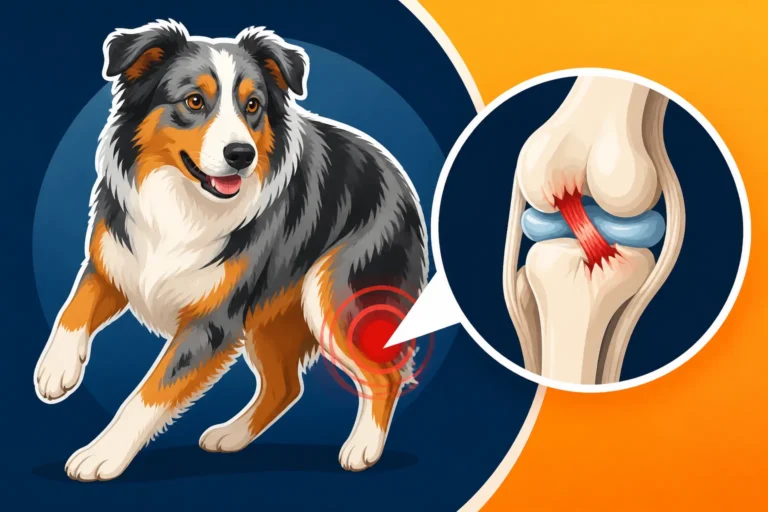
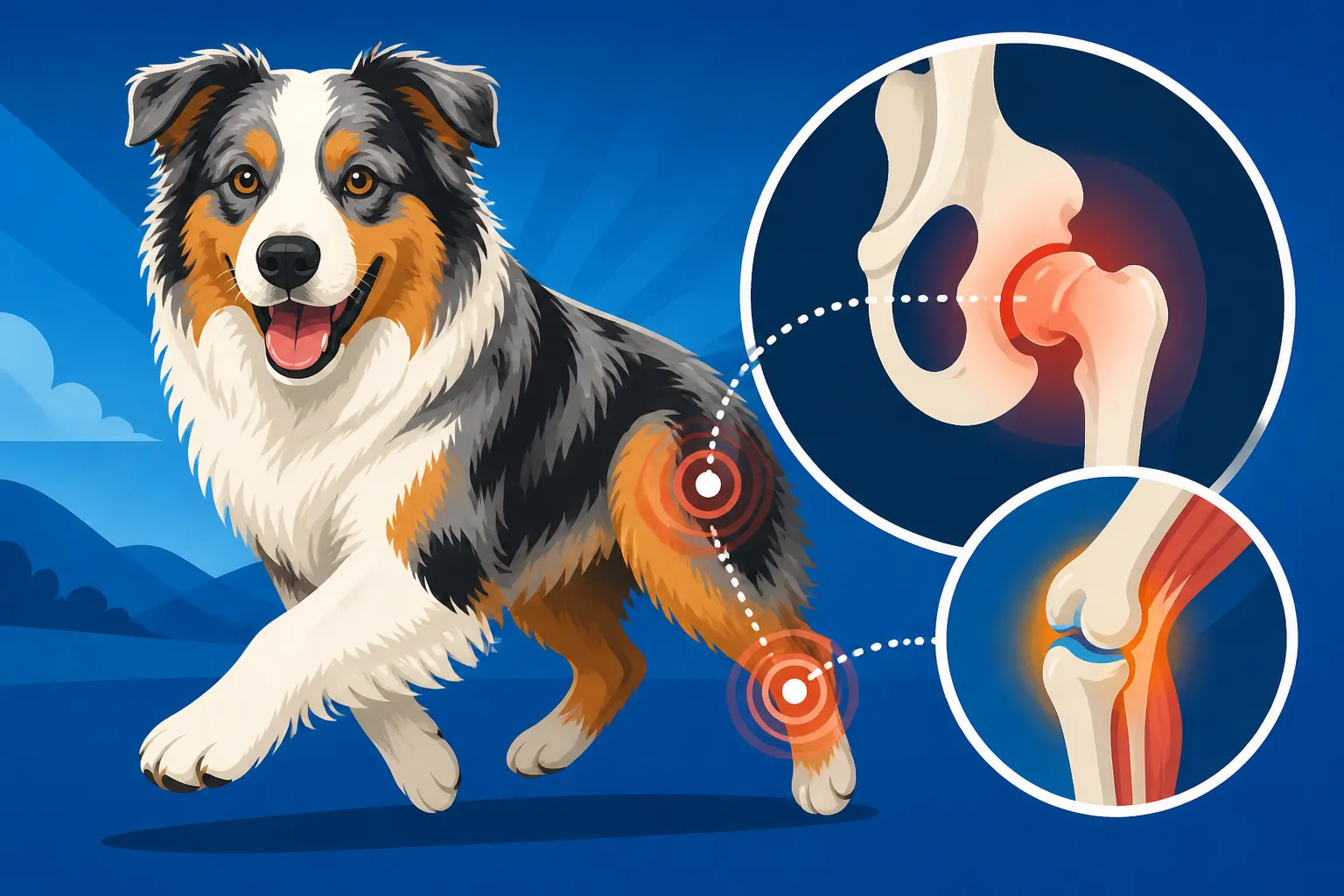
At its core, hip dysplasia is a malformation of the hip joint. In a healthy dog, the hip is a "ball and socket" joint where the head of the femur (thigh bone) fits snugly into the acetabulum (socket) of the pelvis. Both are smooth, allowing for fluid, pain-free movement. With hip dysplasia, either the socket is too shallow, the femoral head is flattened or malformed, or both. This misalignment means the joint doesn't fit together properly. Instead of smooth gliding, there's friction, laxity, and often, grinding.
This abnormal fit leads to several problems. First, the instability can cause inflammation and pain. Second, over time, the body tries to compensate by laying down new bone, leading to degenerative joint disease or osteoarthritis. This is where the real long-term issues arise – bone spurs, cartilage erosion, and thickened joint capsules, all contributing to chronic pain and reduced mobility. It's a progressive disease, meaning it tends to worsen over time if not managed, which is why early detection and intervention are so crucial, especially for an active breed like the Australian Shepherd.
Why Aussies Are Prone: Breed-Specific Factors
It's a tough pill to swallow, but Australian Shepherds, like many medium to large, active breeds, are genetically predisposed to hip dysplasia. This isn't because they're "broken" dogs, but rather a complex interplay of genetics, rapid growth, and their inherent high-energy nature. Their lineage as working dogs means they were bred for athleticism and endurance, putting considerable stress on their joints even in ideal conditions.
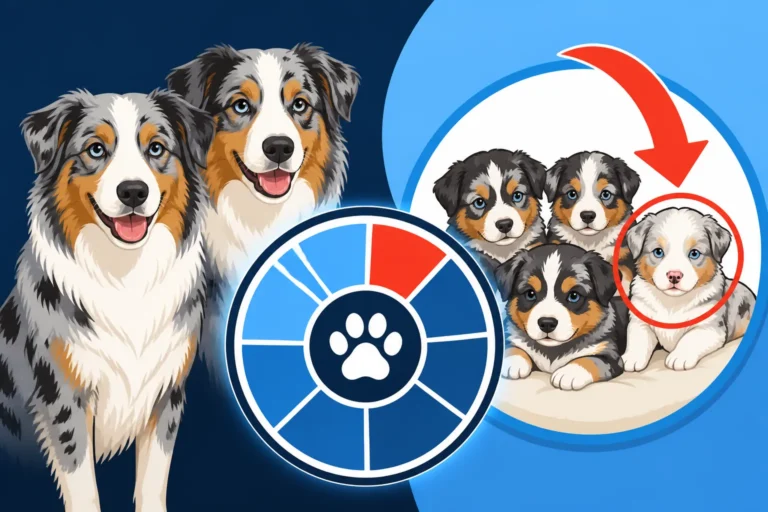
The genetic component is significant. While not a simple dominant or recessive gene, it's polygenic, meaning multiple genes contribute to its expression. This makes eradicating it incredibly challenging, even for the most conscientious breeders. Beyond genetics, an Australian Shepherd's rapid growth phase during puppyhood plays a critical role. If a puppy grows too quickly due to overfeeding or excessive exercise, the bones and soft tissues supporting the joints can't keep up, exacerbating any underlying genetic predisposition. Their high activity levels, while characteristic and beloved, can also contribute to the wear and tear on joints, especially if proper conditioning isn't maintained throughout their lives. Understanding these factors helps us appreciate why diligent care and responsible breeding practices are so vital for this wonderful breed.
Common Signs and Symptoms to Watch For
Recognizing the signs of hip dysplasia can be tricky, especially in stoic working breeds like Australian Shepherds who often try to "push through" discomfort. The symptoms can vary greatly depending on the severity of the dysplasia, the dog's age, and its activity level. Sometimes, subtle changes in gait or behavior are the only clues.
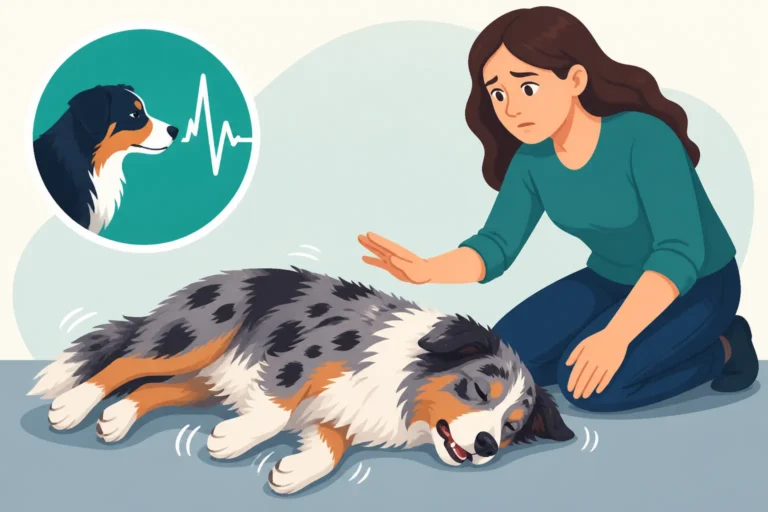
One of the most classic signs is a reluctance to jump, climb stairs, or engage in activities they once loved. You might notice your Aussie struggling to get up after lying down, showing stiffness, especially after rest or in colder weather. They might shift their weight more to their front legs, leading to increased muscle development in the shoulders and atrophy in the hindquarters. A "bunny hopping" gait, where both back legs move together when running, is another tell-tale sign of hind end discomfort. Some owners observe a decrease in overall activity, a less wagging tail, or even subtle changes in temperament like irritability dueence to chronic pain. If you're seeing any of these signs, even if they seem minor, it’s imperative to consult your veterinarian promptly. Early intervention can make a world of difference in managing the condition and preserving your Aussie's quality of life.
Genetics and Inheritance: Breeding for Healthier Hips
When you're looking for an Australian Shepherd, especially if you plan to involve them in sports or work, the genetic health of their parents is paramount. Hip dysplasia is not just bad luck; it's a condition deeply rooted in a dog's genetic makeup, and responsible breeding is the most powerful tool we have to reduce its incidence.
The Role of Responsible Breeding and Genetic Testing
This is where the rubber meets the road for breeders. A responsible Australian Shepherd breeder isn't just focused on pretty faces or impressive pedigrees; they're committed to the health and longevity of their lines. This means extensive genetic testing of breeding dogs for known inherited conditions, including hip dysplasia. The two most common and reputable hip evaluation schemes in North America are the Orthopedic Foundation for Animals (OFA) and PennHIP.
OFA certification involves taking specific X-rays of a dog's hips when they are at least 24 months old. These X-rays are then evaluated by a panel of three independent veterinary radiologists who assign a score: Excellent, Good, Fair (all considered passing for breeding), Borderline, Mild, Moderate, or Severe dysplasia. Only dogs with "Fair" or better scores should ever be bred. PennHIP, on the other hand, measures hip laxity (looseness) with greater precision, even in dogs as young as 16 weeks, and provides a percentile score compared to other dogs of the same breed. A lower percentile indicates tighter hips. The goal of both is to provide breeders with objective data to select breeding pairs that are less likely to produce offspring with hip dysplasia. Choosing a puppy from parents who have undergone and passed these rigorous health checks is perhaps the single most important step you can take to mitigate the risk. You can delve deeper into specific scoring in our article on Australian Shepherd Hip Dysplasia and OFA Scoring.
Interpreting Hip Scores: What the Numbers Mean
Understanding what those hip scores actually signify is crucial for prospective puppy owners. When a breeder proudly displays "OFA Good" or "PennHIP DI of 0.3" for their breeding stock, they're not just throwing around jargon; they're providing vital health information.
For OFA, as mentioned, "Excellent," "Good," and "Fair" are passing grades. An "Excellent" hip joint is precisely formed with no signs of laxity, while "Good" and "Fair" indicate minor imperfections but are still within acceptable limits for a healthy working life and breeding. Anything below "Fair" indicates some degree of dysplasia and those dogs should absolutely not be bred, as they carry a higher risk of passing on the genes for the condition. With PennHIP, the Distraction Index (DI) is the key number. It measures how much the femoral head can be distracted or moved from the acetabulum, indicating hip laxity. A DI closer to 0 means tighter hips (less laxity), while a DI closer to 1 means more laxity. A dog with a DI in the lowest 10% for the breed has excellent hips, while one in the highest 10% has very loose hips. Reputable breeders aim to breed dogs with DIs well below the breed average, ideally in the lower percentiles. Knowing how to read these results empowers you to ask informed questions and verify the health claims of any breeder you consider. Our guide to Reading an OFA Hip Grade on an Australian Shepherd offers even more detail.
Navigating Breeder Claims and Health Guarantees
It’s easy to get swept up in the excitement of bringing home an Australian Shepherd puppy, but this is a time for critical thinking and careful questioning. A responsible breeder will be transparent about their dogs' health, testing, and any potential issues in their lines. Be wary of breeders who offer vague assurances or can't provide verifiable documentation of OFA or PennHIP results for both parents.
When speaking with a breeder, ask to see the physical certificates for hip evaluations, not just a verbal claim. These should be available on the OFA website or directly from PennHIP. A good breeder will also have performed a comprehensive genetic panel every Australian Shepherd needs, checking for other common breed-specific conditions. They should be able to discuss the health of previous litters and retired breeding dogs. Pay close attention to any health guarantees they offer in their contract. A solid guarantee will usually cover severe, crippling hip dysplasia diagnosed by a certain age (often 24 months) and outline what compensation or replacement they offer. However, understand that a guarantee isn't a promise of perfect health, but a demonstration of the breeder's commitment to standing behind their dogs. It's a sign that they're serious about minimizing inherited health issues, which is exactly what you want when investing in a long-lived companion like an Aussie.
Diagnosing Hip Dysplasia: The Road to a Clear Picture
If you suspect your Australian Shepherd might be struggling with hip dysplasia, getting an accurate diagnosis is the critical next step. It can be an anxious time, but a clear diagnosis provides the foundation for an effective management plan, ensuring your dog can live as comfortably and happily as possible.
When to Suspect Joint Issues in Your Aussie
Sometimes, the signs are glaring: a sudden, obvious limp, crying out in pain, or complete refusal to move. More often, especially in the early stages or with a high-drive Aussie, the indicators are subtle. You might notice a gradual decrease in their enthusiasm for their favorite activities, like chasing a ball or going for a long hike. Perhaps they're a little slower to get up from a nap, or they seem stiff after a vigorous play session. Maybe they start favoring one leg, or their gait looks a little "off" – perhaps a slight sway in the hindquarters, or that characteristic "bunny hop" when they run.
These subtle changes can be easy to dismiss as just "getting older" or "overdoing it," but with a breed known for its joint issues, it's always best to be proactive. If you notice any persistent lameness, changes in how your dog stands, walks, or runs, or any signs of pain or discomfort, don't delay a vet visit. Your vet can perform a preliminary examination to assess joint stability and range of motion. Even if the signs are mild, a thorough check-up is always warranted to catch potential problems early, before they become debilitating.
The Veterinary Examination and X-Rays
When you bring your Aussie to the vet with concerns about their hips, the process usually begins with a comprehensive physical examination. Your veterinarian will watch your dog walk and trot, observing their gait and posture. They'll also carefully palpate (feel) your dog's hips, gently manipulating the joints to assess for pain, crepitus (a grinding sensation), and range of motion. They might perform specific maneuvers, like the Ortolani sign, which can indicate hip laxity in younger dogs.
If hip dysplasia is suspected, X-rays are the definitive diagnostic tool. To get clear, diagnostic images, your Aussie will typically need to be sedated or anesthetized. This ensures they are perfectly still and relaxed, allowing the vet to position their hips correctly for the X-rays. Standard views include a ventrodorsal (VD) extended view, where the dog lies on its back with hind legs extended. These images allow the vet to visualize the ball and socket, assess their fit, and look for signs of malformation or early arthritis. The X-rays provide a visual confirmation of the joint's structure and any degenerative changes, helping to determine the severity of the dysplasia and guide treatment decisions.
Beyond X-Rays: Advanced Diagnostics
While X-rays are the cornerstone of hip dysplasia diagnosis, sometimes a more detailed picture is needed, especially if surgery is being considered or if the X-rays are ambiguous. In these cases, your veterinarian might recommend advanced imaging techniques.
Computed Tomography (CT) scans or Magnetic Resonance Imaging (MRI) can provide a three-dimensional view of the hip joints, showing intricate details of bone, cartilage, and surrounding soft tissues that traditional X-rays might miss. These are particularly useful for surgical planning, allowing the veterinary surgeon to precisely visualize the extent of the malformation and any associated damage. Additionally, in some complex cases, an arthroscopy might be performed. This is a minimally invasive procedure where a tiny camera is inserted into the joint to directly visualize the joint surfaces and cartilage. While less common for routine hip dysplasia diagnosis, it can be invaluable for assessing specific damage or concurrent issues. These advanced diagnostics offer a deeper understanding of your Aussie's joint health, ensuring the most accurate diagnosis and tailored treatment plan possible.
Living with Hip Dysplasia: Management and Support
Receiving a diagnosis of hip dysplasia can feel overwhelming, but it's important to remember that it's not a death sentence for your Australian Shepherd. Many dogs with hip dysplasia live long, happy, and active lives with proper management and support. The key is to create a comprehensive plan with your vet to address pain, maintain mobility, and improve their overall quality of life.
Conservative Management: Medications and Supplements
For many Aussies with hip dysplasia, especially mild to moderate cases, conservative management is the first line of defense. This approach focuses on reducing pain and inflammation, supporting joint health, and preserving muscle mass without surgery. Your vet might prescribe Non-Steroidal Anti-Inflammatory Drugs (NSAIDs) like carprofen (Rimadyl), meloxicam (Metacam), or firocoxib (Previcox) to manage pain and reduce inflammation. These medications can significantly improve your dog's comfort and mobility, but they do require regular monitoring of kidney and liver function.
Beyond prescription medications, a variety of joint supplements are often recommended. Glucosamine and chondroitin sulfate are popular choices, believed to help rebuild cartilage and improve joint fluid quality. Omega-3 fatty acids, particularly EPA and DHA found in fish oil, have strong anti-inflammatory properties that can benefit arthritic joints. Adequan, an injectable polysulfated glycosaminoglycan, can also be very effective at slowing cartilage degradation and promoting joint healing. It's important to discuss any supplements with your vet to ensure they're appropriate for your dog and to avoid potential interactions with other medications. Many owners find that a good pet insurance plan, like one from Healthy Paws, helps immensely with the ongoing costs of these medications and supplements.
Physical Therapy and Rehabilitation
Just as in humans, physical therapy and rehabilitation can work wonders for Australian Shepherds with hip dysplasia. The goal is to strengthen the muscles supporting the hip joint, improve range of motion, reduce pain, and enhance overall function. A certified canine rehabilitation therapist will design a tailored program based on your dog's specific needs and the severity of their condition.
Common modalities include hydrotherapy (swimming or underwater treadmill), which allows for low-impact exercise that builds muscle without stressing the joints. Therapeutic exercises, such as controlled leash walks, balance exercises on wobble boards, and core strengthening activities, help improve stability and coordination. Other treatments like therapeutic laser therapy, acupuncture, and massage can reduce pain and inflammation, promoting healing and relaxation. The consistent application of these therapies can lead to remarkable improvements in your Aussie's comfort and mobility, allowing them to enjoy a more active lifestyle despite their diagnosis.
Weight Management and Exercise Modification
Perhaps two of the most critical aspects of conservative management are maintaining an ideal body weight and modifying exercise routines. Every extra pound your Australian Shepherd carries puts additional stress on already compromised hip joints, accelerating the progression of arthritis. Keeping your Aussie lean, even slightly underweight, is one of the best things you can do for their joint health. This often means carefully measuring food portions and being mindful of treat intake. Our article on How Weight Multiplies the Load on Aussie Joints goes into more detail.
Exercise needs to be consistent but controlled. Instead of intense, high-impact activities like frisbee or long-distance running that involve sharp turns and jumps, focus on low-impact activities. Regular, moderate leash walks on soft surfaces like grass or dirt trails are ideal. Swimming is also excellent as it builds muscle without impact. Avoid activities that involve jumping, twisting, or quick stops and starts. The goal is to keep the muscles strong to support the joints, without causing excessive wear and tear. Finding a balance that keeps your active Australian Shepherd mentally and physically stimulated without overdoing it is key to long-term success.
Preventative Measures: Protecting Your Aussie's Joints from Puppyhood
The best way to manage hip dysplasia is to prevent or minimize its impact from day one. While genetics play a huge role, what you do during your Australian Shepherd's critical growth phases can significantly influence their joint health throughout their lives. This proactive approach starts the moment you bring your puppy home.
Nutrition for Growing Puppies: Avoiding Overfeeding
One of the biggest mistakes well-meaning puppy owners make is overfeeding, particularly with large breed puppies like Australian Shepherds. While you might think a plump puppy is a healthy puppy, rapid growth, especially during the first year, can actually increase the risk and severity of hip dysplasia if there's an underlying genetic predisposition. The bones and joints simply can't develop at a healthy pace if they're forced to support too much weight too quickly.
It's crucial to feed a high-quality, large breed puppy food specifically formulated to promote slow and steady growth. These foods typically have a carefully balanced calcium-to-phosphorus ratio and appropriate calorie levels. Follow the feeding guidelines on the bag, but also monitor your puppy's body condition closely. You should be able to easily feel their ribs without seeing them, and they should have a discernible waist. If your puppy seems constantly hungry, consult your vet before increasing portions; sometimes, more frequent, smaller meals or high-fiber additions can help. Proper nutrition is the foundation of healthy development.
Controlled Exercise and Activity Limits
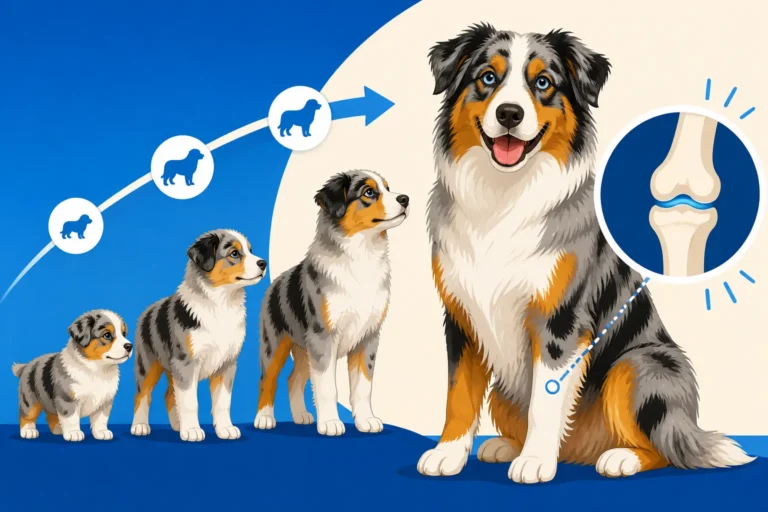
An Australian Shepherd puppy is a bundle of boundless energy, and it's tempting to let them run and play to their heart's content. However, excessive or uncontrolled exercise during their growth phase can put undue stress on their developing joints. Their growth plates, the areas of soft cartilage at the ends of long bones where growth occurs, are open and vulnerable until they close, typically around 12-18 months of age for Aussies. Repeated high-impact activities, jumping, or long, strenuous runs can cause micro-trauma to these delicate structures, potentially contributing to joint problems later in life.
Instead of long, forced runs, focus on short, frequent play sessions on soft surfaces. Allow for plenty of mental stimulation through puzzle toys and short training sessions, which can be just as tiring as physical exercise. Avoid activities that involve repetitive jumping (like frisbee or high agility obstacles), running up and down stairs frequently, or sustained high-impact play with other dogs for prolonged periods. The general rule of thumb is 5 minutes of structured exercise per month of age, twice a day, until they're fully grown. For example, a 4-month-old puppy might get 20 minutes of leash walking or controlled play, twice a day. Learning about Exercise Limits for a Growing Australian Shepherd can really help keep your pup safe. This controlled approach helps ensure that their joints develop as robustly as possible. Understanding Australian Shepherd Growth Plates and When They Close is also vital.
Supplements and Early Intervention
The topic of giving joint supplements to young, healthy Australian Shepherd puppies for preventative measures is a bit of a debate among veterinarians and breeders. Some argue that proactive supplementation with ingredients like glucosamine, chondroitin, and MSM can support healthy joint development and potentially reduce the risk or severity of future joint issues, especially in genetically predisposed breeds. They believe it can provide the building blocks for strong cartilage and healthy joint fluid.
However, other experts suggest that if a puppy is on a high-quality, large-breed puppy food, they are likely receiving adequate nutrition for growth, and additional supplements aren't strictly necessary unless there's an identified issue. They also point out that the efficacy of many over-the-counter supplements can vary. If you're considering starting joint support on a young working Aussie, it's absolutely crucial to have an in-depth conversation with your veterinarian. They can help you weigh the potential benefits against any costs or possible interactions and guide you toward reputable brands and appropriate dosages. Early intervention isn't necessarily about giving every puppy a supplement, but about being vigilant, following proper nutrition and exercise guidelines, and discussing any concerns with your vet promptly.
Surgical Interventions for Severe Cases
While conservative management works wonders for many Australian Shepherds with hip dysplasia, there are instances where the pain is too severe, or the joint malformation too significant, for non-surgical options to provide adequate relief. In these situations, surgery becomes a viable path to restoring comfort and improving quality of life.
Total Hip Replacement (THR): When It's Necessary
Total Hip Replacement (THR) is considered the gold standard surgical treatment for severe hip dysplasia and debilitating osteoarthritis in dogs. It's a complex and highly specialized procedure, typically performed by a board-certified veterinary orthopedic surgeon. During a THR, both the ball (femoral head) and the socket (acetabulum) of the diseased hip joint are removed and replaced with artificial implants, usually made of medical-grade stainless steel and polyethylene.
THR is generally recommended for adult dogs suffering from chronic, severe pain that is unresponsive to conservative medical management, or for dogs with end-stage osteoarthritis. The goal is to eliminate pain and restore near-normal function to the hip. The success rate for THR is remarkably high, often exceeding 90-95%, with most dogs experiencing a dramatic improvement in comfort and mobility. However, it's a significant undertaking, requiring a long recovery period and a substantial financial investment. This is where a robust pet insurance plan can be invaluable; services like Healthy Paws often cover a significant portion of these major surgical costs, which can easily run into thousands of dollars. Learning about Australian Shepherd Hip Replacement Cost Per Hip can help owners prepare.
Femoral Head Ostectomy (FHO): An Alternative for Smaller or Less Active Dogs
For Australian Shepherds who might not be candidates for a total hip replacement due to cost, size, or other medical reasons, a Femoral Head Ostectomy (FHO) can be a viable salvage procedure. It's a less invasive and generally less expensive surgical option, aimed at alleviating pain rather than restoring a perfectly functioning joint.
In an FHO, the veterinary surgeon removes the femoral head – the "ball" portion of the hip joint. By removing the painful bone-on-bone contact, the surgery eliminates the source of the discomfort. The body then forms a "false joint" (fibrous pseudoarthrosis) where muscle and scar tissue develop between the femur and the pelvis. The dog relies on the strong muscles of its hindquarters to support the limb. FHO is often most successful in smaller dogs or those with a lower body weight and activity level, as muscle mass plays a critical role in the outcome. For an active Australian Shepherd, consistent and intensive physical therapy post-FHO is absolutely essential to build the necessary muscle support and ensure a good functional outcome. While it doesn't create a perfectly normal hip, it can significantly reduce pain and allow the dog to lead a comfortable life.
Triple Pelvic Osteotomy (TPO) and Juvenile Pubic Symphysiodesis (JPS): Early Intervention Surgeries
Sometimes, hip dysplasia can be addressed with preventative or early intervention surgeries, particularly in younger dogs before severe arthritis sets in. These procedures aim to correct the anatomical malformation of the hip joint itself.
A Triple Pelvic Osteotomy (TPO) is a complex procedure performed on young dogs, typically between 5 and 10 months of age, who have hip laxity but no existing signs of arthritis. The surgeon cuts the pelvis in three places and rotates the acetabulum (hip socket) to provide better coverage for the femoral head, then stabilizes it with a plate and screws. This creates a more stable, functional joint and ideally prevents the development of osteoarthritis. Another early intervention option for very young puppies, typically between 14 and 20 weeks of age, is Juvenile Pubic Symphysiodesis (JPS). This minimally invasive procedure involves fusing the pubic symphysis (the cartilage connecting the two halves of the pelvis at the bottom), which encourages the hip sockets to rotate outward as the puppy grows, providing better coverage for the femoral heads. Both TPO and JPS have specific criteria regarding the dog's age and the absence of degenerative changes, making early diagnosis crucial for these options to be viable.
Supporting Working Joints Throughout an Aussie's Life
Australian Shepherds are inherently active, intelligent dogs that thrive on having a job, whether it's herding livestock, excelling in agility, or simply being your tireless hiking companion. This intense activity, while wonderful for their mental and physical well-being, places significant demands on their joints. Protecting those working joints requires a thoughtful, lifelong approach.
Maintaining Optimal Muscle Mass
Strong, well-conditioned muscles are the best natural shock absorbers and stabilizers for any joint, especially the hips. For an Australian Shepherd, maintaining optimal muscle mass, particularly in the hindquarters and core, is paramount to supporting their working joints. If the surrounding musculature is weak, the joints bear more of the load directly, leading to increased wear and tear and potential instability.
This isn't about bulking up your Aussie; it's about balanced, functional fitness. Regular, appropriate exercise that targets core strength and hind limb musculature is key. Activities like swimming, controlled uphill walking, trotting on varied terrain, and specific canine fitness exercises (e.g., cavaletti poles, controlled backing up) can help build and maintain this crucial support system. Remember, a fit Aussie is less prone to injury and better equipped to handle any underlying joint issues. A physical therapist can also help design a targeted exercise program to strengthen these key muscle groups, especially if your Aussie is recovering from an injury or starting to show signs of stiffness, a common complaint for An Aussie Stiff After a Career in Agility.
Regular Veterinary Check-ups and Early Detection
Think of your annual vet visit not just as a vaccination appointment, but as a comprehensive wellness check that includes a thorough assessment of your Australian Shepherd's musculoskeletal system. Regular veterinary check-ups are incredibly important for early detection of any emerging joint issues, allowing for prompt intervention before problems escalate.
During these visits, your vet will perform a physical examination, palpating your dog's joints, assessing their gait, and discussing any changes you've observed in their activity levels or behavior. Be honest and detailed about any subtle signs of stiffness, lameness, reluctance to jump, or changes in how they move. Even minor observations can provide valuable clues. If concerns arise, your vet might recommend X-rays or other diagnostic tests to get a clear picture of what's happening internally. Catching problems like early arthritis or the progression of hip dysplasia at their initial stages means you have more options for conservative management, potentially delaying or even avoiding the need for more invasive treatments down the line. It's about proactive care and building a trusting partnership with your veterinary team. Our piece on The Health Tests Every Australian Shepherd Parent Needs offers more insights into preventative care.
Adapting Exercise Routines for Aging Aussies
It's a bittersweet reality that even the most tireless Australian Shepherd will eventually slow down. As they age, their joints naturally accumulate wear and tear, and conditions like arthritis become more prevalent. Adapting their exercise routine is crucial to keeping them comfortable, mobile, and mentally engaged without overexerting their aging bodies. You can find more information about how this affects older dogs in our article on Australian Shepherd Arthritis After Years of Work.
This doesn't mean stopping exercise altogether! Instead, shift from high-impact, long-duration activities to shorter, more frequent, and lower-impact options. Replace long hikes with multiple short, gentle leash walks throughout the day. Swimming or underwater treadmill sessions remain excellent choices for cardiovascular fitness and muscle maintenance without joint stress. Mental enrichment, through puzzle toys, scent work, or gentle trick training, becomes even more important to keep their minds sharp when their bodies can't keep up with their youthful vigor. Pay close attention to their cues: if they seem stiff or sore after an activity, dial it back. Providing a warm, comfortable bed and ensuring easy access to elevated food bowls can also make a big difference in their daily comfort. For more specific guidance, explore our resource on Senior Australian Shepherd Care After Ten.
The Lifelong Commitment to Joint Health
Caring for an Australian Shepherd, particularly one with a predisposition to joint issues like hip dysplasia, is a marathon, not a sprint. It's a lifelong commitment that evolves as your dog ages and their needs change. Understanding the long-term prognosis and preparing for it empowers you to provide the best possible care, ensuring your beloved companion lives their fullest, most comfortable life.
Understanding the Progression of Arthritis
Hip dysplasia, at its core, often leads to secondary osteoarthritis. This is a progressive and irreversible disease where the cartilage cushioning the joint gradually breaks down, leading to bone-on-bone friction, pain, inflammation, and the formation of bone spurs. While hip dysplasia itself might be diagnosed early, the arthritic changes it causes are what typically lead to chronic pain and mobility issues later in life.
It’s important to understand that while we can manage the symptoms and slow the progression, we cannot reverse arthritis. Your management plan will need to adapt over time. What works for a mildly dysplastic two-year-old might not be sufficient for a ten-year-old with advanced arthritis. This means staying vigilant for new signs of pain or decreased mobility, and being prepared to adjust medications, supplements, and physical therapy routines as needed. Regular check-ins with your veterinarian are crucial to monitor the progression of arthritis and ensure your Aussie's pain management plan remains effective, keeping them as comfortable as possible for as long as possible.
Creating a Joint-Friendly Home Environment
Your home environment can significantly impact an Australian Shepherd's comfort and mobility, especially if they are dealing with hip dysplasia or arthritis. Small adjustments can make a big difference in preventing slips, falls, and unnecessary strain on their joints.
First, consider traction. Hardwood floors and tiles, while easy to clean, can be treacherous for a dog with wobbly hips. Lay down runners, carpets, or non-slip mats in high-traffic areas to give them better grip. Ramps can be invaluable for accessing elevated surfaces like cars, beds, or even stairs, reducing the need for painful jumping or climbing. Orthopedic beds with supportive memory foam can provide much-needed comfort for aching joints, cushioning pressure points and offering better support than thin, flimsy beds. Ensure their food and water bowls are elevated to a comfortable height, so they don't have to stoop low, which can strain their neck and back. Even small changes, like ensuring they have enough space to turn around comfortably, can contribute greatly to their daily well-being and reduce the physical challenges of navigating their home.
Financial Planning for Long-Term Care
Let's be realistic: managing hip dysplasia and the associated arthritis over an Australian Shepherd's lifespan can be expensive. From diagnostic X-rays and ongoing medications to supplements, physical therapy, and potentially even surgery, the costs can add up quickly. Being prepared financially is a huge part of providing consistent, high-quality care.
This is where a good pet insurance policy can be a lifesaver. Companies like Healthy Paws offer comprehensive coverage that can help mitigate the financial burden of chronic conditions like hip dysplasia, especially if you enroll your dog when they are young and healthy, before any symptoms appear. Look for policies that cover diagnostics, medications, rehabilitation, and even specialized surgeries. Beyond insurance, consider setting up a dedicated savings account for your Aussie's health expenses. Even putting away a small amount each month can build a significant fund over several years. Knowing you have the financial means to pursue the best possible treatments and supportive care can reduce stress during challenging times and ensure you can always put your Aussie's health first.
| Treatment Type | Primary Goal | Typical Conditions Treated | Estimated Cost (Range) | Recovery Time (Approx.) | Key Considerations |
|---|---|---|---|---|---|
| Conservative | Pain & inflammation relief, mobility support | Mild to moderate dysplasia, arthritis | $50-$500/month (ongoing) | Immediate, but lifelong | Lifelong commitment, less invasive, daily medication |
| NSAIDs/Pain Meds | Reduce pain and inflammation | Arthritis, post-injury pain | $30-$150/month | Immediate relief | Liver/kidney monitoring needed |
| Joint Supplements | Cartilage support, anti-inflammatory | Preventative, mild arthritis | $20-$100/month | Weeks to months for effect | Efficacy varies, choose reputable brands |
| Physical Therapy | Muscle strengthening, mobility, pain reduction | Post-op, arthritis, general weakness | $50-$200/session | Ongoing for best results | Requires commitment, can be time-consuming |
| Surgical | Structural correction, pain elimination | Severe dysplasia, no response to conservative | $2,000-$10,000+ per hip | Weeks to months | Invasive, higher upfront cost, significant recovery |
| Total Hip Replacement (THR) | Replace diseased joint with artificial | Severe arthritis, debilitating dysplasia | $4,000-$10,000+ per hip | 8-12 weeks intensive, 6 months full | High success, expensive, specialist surgeon required |
| Femoral Head Ostectomy (FHO) | Remove femoral head, create false joint | Severe pain, smaller/less active dogs | $1,500-$4,000 | 6-8 weeks intensive, 3-6 months full | Relies on muscle development, intensive PT needed |
| Triple Pelvic Osteotomy (TPO) | Realign pelvis for better socket coverage | Young dogs with laxity, no arthritis | $3,000-$6,000+ per hip | 6-8 weeks intensive, 3-6 months full | Early intervention, strict age/condition criteria |
| Juvenile Pubic Symphysiodesis (JPS) | Early fusion to rotate hip sockets | Very young puppies with laxity | $1,000-$3,000 | Minimal, but controlled growth required | Very early intervention (14-20 weeks), less invasive |
Note: Costs are estimates and can vary significantly based on location, veterinarian, and specific dog needs. Pet insurance can greatly reduce out-of-pocket expenses for many of these treatments.
Disclaimer
The information provided in this article is for educational and informational purposes only and does not constitute veterinary advice. Always consult with a qualified veterinarian for any health concerns or before making any decisions about your Australian Shepherd's care or treatment.