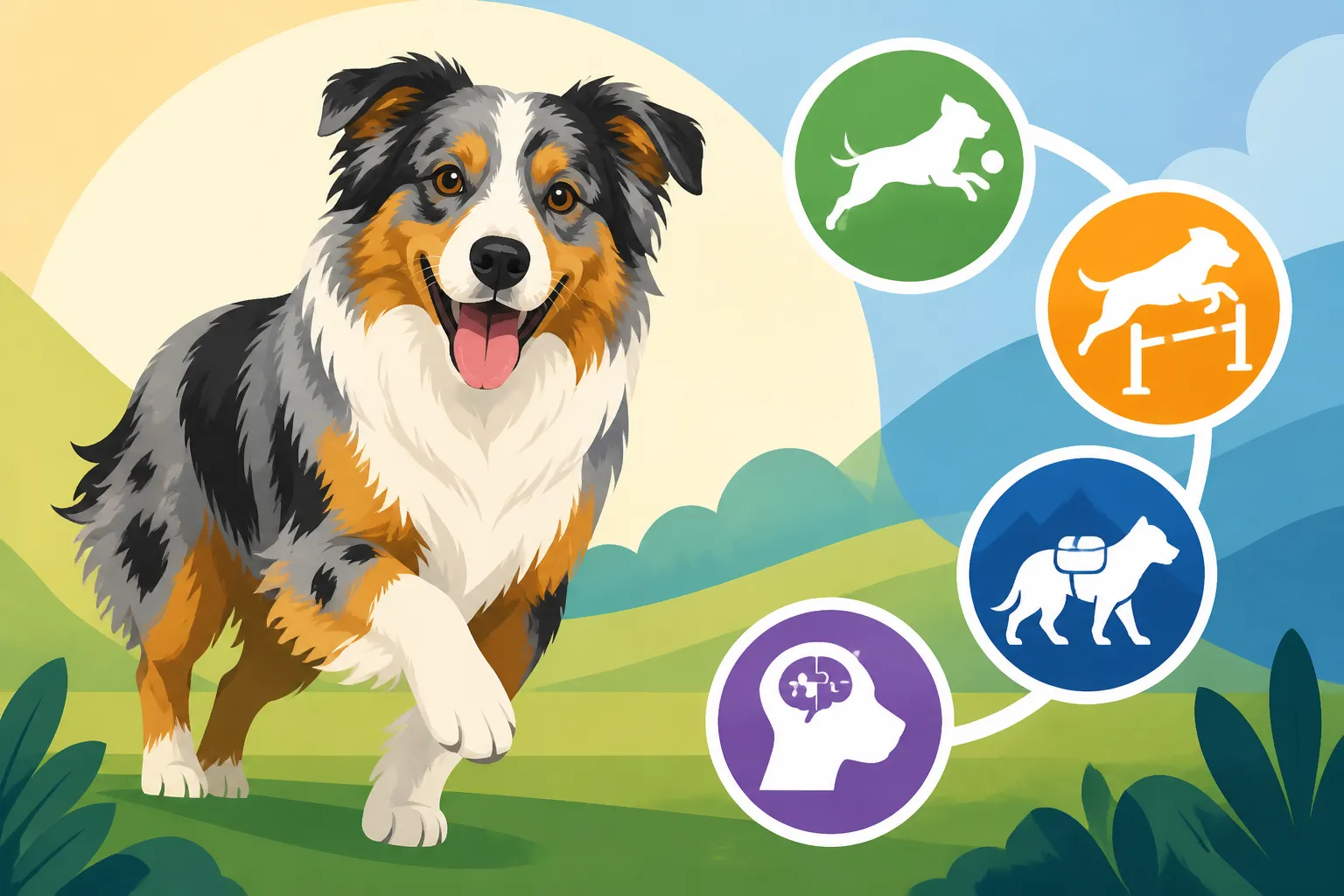
Building an Australian Shepherd Exercise Routine
If you've ever felt like your Australian Shepherd has a secret, endless battery pack, you're certainly not alone. Many Aussie owners find themselves wrestling with the unique challenge of meeting their dog's boundless energy and sharp intellect, often leading to frustration for both human and hound when daily needs aren't quite hit. This guide is all about building a sustainable and effective exercise routine that not only burns off that famous Aussie drive but also keeps their brilliant minds engaged and happy.
Understanding the Aussie's Innate Drive for Movement
Australian Shepherds weren't bred to be couch potatoes; they were developed for demanding work on ranches, moving livestock with incredible precision and stamina. This history is etched into their very being, manifesting as a deep-seated need for both physical exertion and mental challenge. Understanding this fundamental aspect of their breed is the first step in creating an exercise routine that truly satisfies them.
More Than Just Physical Energy
When we talk about an Aussie's energy, it's easy to picture them just running for hours on end. And while they certainly can run for hours, their drive goes far beyond simple physical exertion. Australian Shepherds possess an intense herding instinct, a profound desire to gather, control, and move things. This isn't something you can easily train out of them; it's their operating system, influencing how they perceive the world and how they interact with it. A simple walk around the block, no matter how long, often doesn't tap into this core drive. They need to feel like they have a job, a purpose, something to focus their inherent talents on. This is why a well-rounded routine must include activities that engage their minds as much as their bodies. For more on this, you might find our article Why Herding Instinct Is the Aussie Operating System particularly insightful.
Imagine your Aussie watching squirrels in the yard, not just out of curiosity, but with an intense, almost predatory focus, mentally calculating their movements, wanting to "collect" them. That's the herding brain at work. If this mental energy isn't channeled productively, it can quickly turn into unwanted behaviors. They don't just want to move; they want to think while they move, to solve problems, and to feel useful. This might mean incorporating training commands into a game of fetch, or setting up a scent work trail that requires them to use their nose and brain simultaneously.
The Dangers of Under-Stimulation
When an Australian Shepherd isn't given enough appropriate physical and mental stimulation, it doesn't just sit around looking bored. Oh no, an under-stimulated Aussie will absolutely find its own job, and trust me, you won't like the job they choose. This is where many of the infamous Aussie "behavior problems" truly originate. Destructive chewing, incessant barking, anxiety, reactivity on walks, and even nipping at heels are often cries for help from a dog whose fundamental needs aren't being met.
Think about it: an Aussie with a brilliant mind and endless energy, confined to a house or yard without purpose, is a recipe for chaos. They might chew through furniture, bark at every leaf blowing past the window, or herd your children (or even your vacuum cleaner!) with an intensity that can be overwhelming. These aren't signs of a "bad" dog, but rather a dog doing its best to cope with unmet needs. It's like putting a highly intelligent, active human in a tiny room with no books, no internet, and nothing to do – they'd go stir-crazy too! Addressing these issues isn't about punishment; it's about prevention through proper, consistent exercise and engagement. If you're struggling with these issues, our piece on Australian Shepherd Behavior Problems From Under-Exercise offers deeper insights.
Crafting a Balanced Daily Exercise Plan
Building an effective exercise routine for your Australian Shepherd isn't about simply adding more activity; it's about strategic planning that balances physical exertion with mental enrichment, tailored to their unique needs. It requires consistency and variety to keep them engaged and prevent burnout.
The "Two Hours a Day" Rule of Thumb
You'll often hear the guideline that Australian Shepherds need at least two hours of exercise per day. But let's be realistic: what does that really mean? It doesn't mean two hours of non-stop, high-intensity running. For an Aussie, quality absolutely trumps sheer duration. Those two hours should ideally be broken up throughout the day and comprise a mix of activities that challenge both body and mind. A twenty-minute sniffari (a walk where they're allowed to sniff everything) can be as tiring as thirty minutes of fetch, because it engages their brain so deeply.
Consider breaking the day into segments: a brisk walk or jog in the morning, a training session or puzzle game mid-day, and another active outing or dog sport practice in the evening. This distributed effort helps to keep their energy levels steady and prevents them from getting over-aroused or excessively tired all at once. For instance, a half-hour brisk walk where they're working on leash manners and "leave it" commands around distractions, followed by a fifteen-minute training session on new tricks, then another hour in the park with some off-leash play and recall practice, with a final puzzle toy session before bed. That's a good chunk of mental and physical work. For a more detailed breakdown of what specific activities count, read Two Aussie Hours a Day and What Counts.
Incorporating Mental Stimulation into Physical Activity
The real magic happens when you weave mental challenges into their physical workouts. This is where you can truly tire out an Australian Shepherd because it forces them to think, problem-solve, and make decisions while moving. Simple fetch can become a brain game by adding commands: "stay," "wait," "find it," "bring it here." Hide-and-seek with toys or treats in a large yard makes them use their nose and their memory, turning a run into a scavenger hunt.
Varying environments is also crucial. A new park with different smells and sights offers more mental stimulation than the same old route every day. Exploring a hiking trail challenges their balance and coordination in ways that flat ground doesn't. You can even set up simple agility courses in your backyard with household items, having them jump over broomsticks or weave through cones. Puzzle toys, especially those that dispense kibble or treats, can be a fantastic way to cap off an exercise session, giving them a quiet, focused mental task. There are so many options on sites like Chewy for these types of enrichment feeders and interactive toys that can really boost their daily engagement.
Age and Stage Considerations
An Aussie's exercise needs aren't static; they change dramatically throughout their lives. What's appropriate for a rambunctious puppy could be detrimental to a growing adolescent or an aging senior.
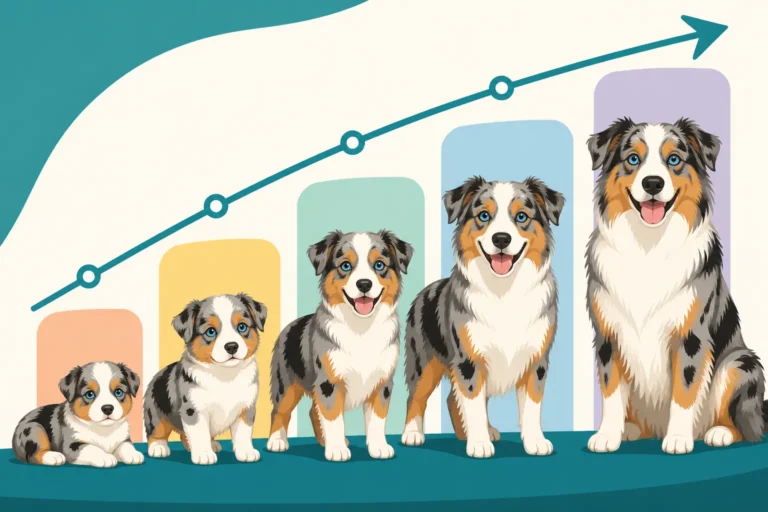
- Puppies (8 weeks to 1 year): It's critical to protect their developing joints. Avoid forced, long-distance running or high-impact jumping. Focus on multiple short play sessions (5-10 minutes each), supervised puppy playdates, and short walks where they can sniff and explore. The general rule is 5 minutes of structured exercise per month of age, twice a day. So, a 4-month-old puppy gets 20 minutes, twice a day. Too much too soon can lead to long-term joint issues like hip dysplasia. For a deeper dive into this, see Exercise Limits for an Australian Shepherd Under a Year.
- Adolescents (1-2 years): This is often when their energy peaks, but continued caution with high-impact activities is wise until growth plates have fully closed, typically around 18-24 months. Introduce dog sports gradually and focus on building stamina and control.
- Adults (2-7 years): This is their prime! They can handle more intense, longer-duration activities, including advanced dog sports, long hikes, and runs. Maintain a varied routine to keep them interested.
- Seniors (8+ years): As Aussies age, their joints may start to ache, and their stamina will decline. Adapt the routine to lower-impact activities like gentle walks, swimming, and mental games. Regular vet check-ups are essential to monitor for arthritis or other age-related conditions. Senior Australian Shepherd Care After Ten can provide more guidance on this stage.
Here's a table summarizing general exercise recommendations:
| Age Stage | Recommended Exercise Duration (Daily) | Activity Type Examples | Key Considerations |
|---|---|---|---|
| Puppy (2-12 months) | 10-60 minutes (broken into short bursts) | Short, structured walks; supervised playtime with other puppies; gentle fetch; short training sessions; puzzle toys. | Protect growing joints (avoid forced running, high jumps). Focus on positive experiences. |
| Adolescent (1-2 years) | 60-120 minutes | Brisk walks/jogs; hiking; fetch; introduce low-impact dog sports; extended training sessions; mental games. | Continue joint protection until growth plates close. Build stamina gradually. |
| Adult (2-8 years) | 120-180+ minutes | Agility, flyball, disc dog; herding; long hikes; running; swimming; advanced obedience; scent work; mentally stimulating games. | High-energy prime. Variety is key to prevent boredom. |
| Senior (8+ years) | 30-90 minutes (adjust based on health) | Gentle walks; swimming (great for joints); short, focused training sessions; puzzle toys; light sniffing games. | Monitor for arthritis and discomfort. Consult vet for appropriate activity levels. |
Beyond Walks: Diverse Activities to Tire an Aussie Out
While walks are a foundational part of any dog's routine, for an Australian Shepherd, they're often just the warm-up act. To truly satisfy their physical and mental needs, you'll need to think outside the box and explore a diverse range of activities.
Dog Sports and Structured Activities
Dog sports are truly where an Australian Shepherd can shine. These activities tap into their natural athleticism, intelligence, and desire to work alongside their human.
- Agility: Navigating obstacle courses with jumps, tunnels, and weave poles is a fantastic full-body and mental workout. It builds incredible teamwork and focus.
- Flyball/Disc Dog: These high-speed sports involve catching frisbees or retrieving balls over hurdles. They're perfect for Aussies who love to run and jump.
- Herding: If you have access to livestock and a trainer, allowing your Aussie to engage in actual herding work is unparalleled. It satisfies their deepest instincts. Even if you don't have sheep, urban herding with a large exercise ball can be a great substitute.
- Obedience/Rally: Structured obedience classes push their mental limits, teaching precision and focus amidst distractions. Rally adds a fun, flowing element to obedience commands.
- Scent Work/Nose Work: This is an incredible mental workout that engages their powerful sense of smell. Dogs learn to identify and locate specific odors, mimicking detection work. It's low impact but incredibly tiring mentally.
These sports offer a structured outlet for their energy, build confidence, and strengthen the bond between you and your dog. You can often find local clubs or trainers through online searches, and many pet supply stores, like those you find on Amazon, carry basic equipment to get started with some sports at home. For a comprehensive look at the various sports Aussies excel at, check out Australian Shepherd Sports From Herding to Agility.
Exploring the Outdoors: Hikes and Trail Runs
For Aussies, the great outdoors is a wonderland of smells, sights, and challenging terrain. Hiking and trail running can be fantastic ways to exercise them, provided you take the right precautions.
- Hiking: Long hikes through varied terrain are excellent for building stamina and muscle. The uneven ground engages different muscle groups than walking on pavement, and the endless new smells offer immense mental stimulation. Always keep your Aussie leashed in unfamiliar areas or where wildlife is present, and be mindful of local leash laws. Carry plenty of water for both of you and check for ticks, burrs, or foxtails after every outing. Our guide Hiking With an Australian Shepherd Off Trail has more great tips.
- Trail Running: If you're a runner, an adult Aussie can make an excellent running companion. Start with shorter distances and gradually build up. Pay close attention to their breathing and pace, especially in warmer weather. Always ensure they are properly warmed up and cooled down.
- Safety First: When exploring, always pack a first-aid kit, a portable water bowl (many options available from Amazon), and plenty of water. Monitor their paw pads on rough terrain and hot surfaces. Always consider weather conditions and avoid extreme heat.
Water Activities and Swimming
Swimming is a fantastic, low-impact exercise option that many Australian Shepherds adore. It's gentle on their joints while still providing an excellent full-body workout.
- Introduction to Water: Not all Aussies are natural swimmers. Introduce them to water gradually and positively, starting in shallow areas. Never force a dog into the water. A well-fitting life vest can provide confidence and safety, especially in open water or for dogs new to swimming.
- Benefits: Swimming is particularly beneficial for Aussies with joint issues or those recovering from injuries, as it builds muscle without the concussive impact of running. It's also a great way to cool down in hot weather.
- Where to Swim: Lakes, dog-friendly beaches, and even private pools can be great options. Always ensure the water is clean and safe, free of strong currents, toxic algae, or sharp debris. After swimming, make sure to rinse their coat thoroughly to remove chlorine or lake residue, and dry them well to prevent skin issues.
Common Pitfalls and Troubleshooting Exercise Challenges
Even with the best intentions, building an effective exercise routine for an Australian Shepherd can come with its own set of challenges. Knowing what to watch out for can help you avoid common frustrations and keep your Aussie happy and healthy.
The "Zoomie" Trap: Why More Running Isn't Always the Answer
It's a common misconception that if your Aussie is still bouncing off the walls, they simply need more running. Sometimes, however, an Australian Shepherd can become overstimulated by excessive, undirected physical exercise. You might see them get the "zoomies" after a long session of fetch, frantically running in circles, nipping, or barking. This isn't always a sign of unmet energy, but rather an inability to switch off or an over-aroused state.
Simply adding more fetch or running to their day might make them fitter, but it won't necessarily make them calmer or more content. Their minds need to be engaged and taught to settle. A dog that is constantly "on" will struggle to relax, even when physically tired. This is why incorporating mental games, structured training, and teaching an "off switch" is so vital. If your Aussie seems to be bouncing higher after intense exercise, it might be a sign they need more mental decompression or a different type of challenge. Our article Why an Hour of Fetch Bores an Aussie delves into this in more detail. Teaching them to settle on a mat or offering a long-lasting chew after exercise can help them wind down. Teaching an Australian Shepherd an Off Switch is another excellent resource for fostering calm.
Weather Extremes and Indoor Alternatives
Australian Shepherds have thick double coats, which are great for insulation in cold weather but can make them susceptible to overheating in the summer. Similarly, extreme cold or heavy rain can limit outdoor activity.
- Hot Weather: During summer, avoid exercising during the hottest parts of the day. Opt for early morning or late evening outings. Focus on water activities like swimming or sprinklers, or shaded walks. Always carry water and watch for signs of overheating (excessive panting, lethargy). Pavement can get dangerously hot and burn their paw pads. For more tips, check out Australian Shepherd Exercise in Summer Heat.
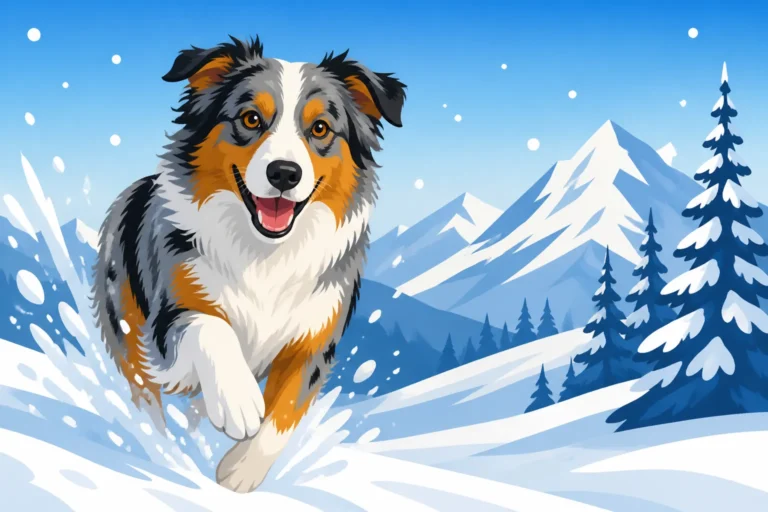
- Cold Weather: Most Aussies tolerate cold well, but extreme temperatures, ice, and road salt can still pose risks. Consider a coat for older or less active Aussies. Protect their paws from ice and salt with booties or paw wax, and check for snowballs that can accumulate between their toes and cause discomfort. Australian Shepherd Exercise in Snow and Cold offers further guidance.
- Indoor Enrichment: On days when outdoor exercise isn't feasible, focus heavily on mental stimulation indoors. Tug-of-war (with rules!), hide-and-seek, advanced trick training, puzzle feeders, and even scent games (hiding treats around the house) can provide significant mental fatigue. A good game of "find it" in every room can be surprisingly tiring. For more indoor ideas, see Indoor Enrichment for a Housebound Aussie.
Recognizing Signs of Overtraining or Injury
While Aussies are robust, they are not invincible. Pushing them too hard, especially without proper conditioning or if they have underlying health issues, can lead to injury or chronic pain. It's crucial to be attuned to your dog's body language and behavior.
Signs of overtraining or injury include:
- Limping or favouring a limb: Even subtle lameness should be investigated.
- Stiffness or reluctance to move: Especially after rest.
- Excessive panting or lethargy: Beyond what's normal for the activity.
- Changes in gait: Dragging paws, bunny hopping, or an unusual stride.
- Behavioral changes: Snapping, growling, or being unusually withdrawn during or after exercise can indicate pain.
- Loss of appetite or enthusiasm for activities they usually love.
Regular veterinary check-ups, especially for working or highly active Aussies, are crucial to catch potential issues early. Discuss your Aussie's activity level with your vet, and consider preventative measures like joint supplements, which can be found from reputable brands like Ollie or other specialized pet health suppliers. A balanced diet and maintaining a healthy weight also significantly reduce the strain on their joints. Our article on Joint Support in a Working Aussie Diet provides more details on nutritional support. If you suspect an injury, rest is paramount, followed by a veterinary consultation.
Disclaimer
This article is for general informational purposes only and does not constitute professional advice. Laws, prices and regulations vary by location and change over time. Consult a qualified professional for guidance on your specific situation.