An Aussie Puppy Stomach After Switching Food
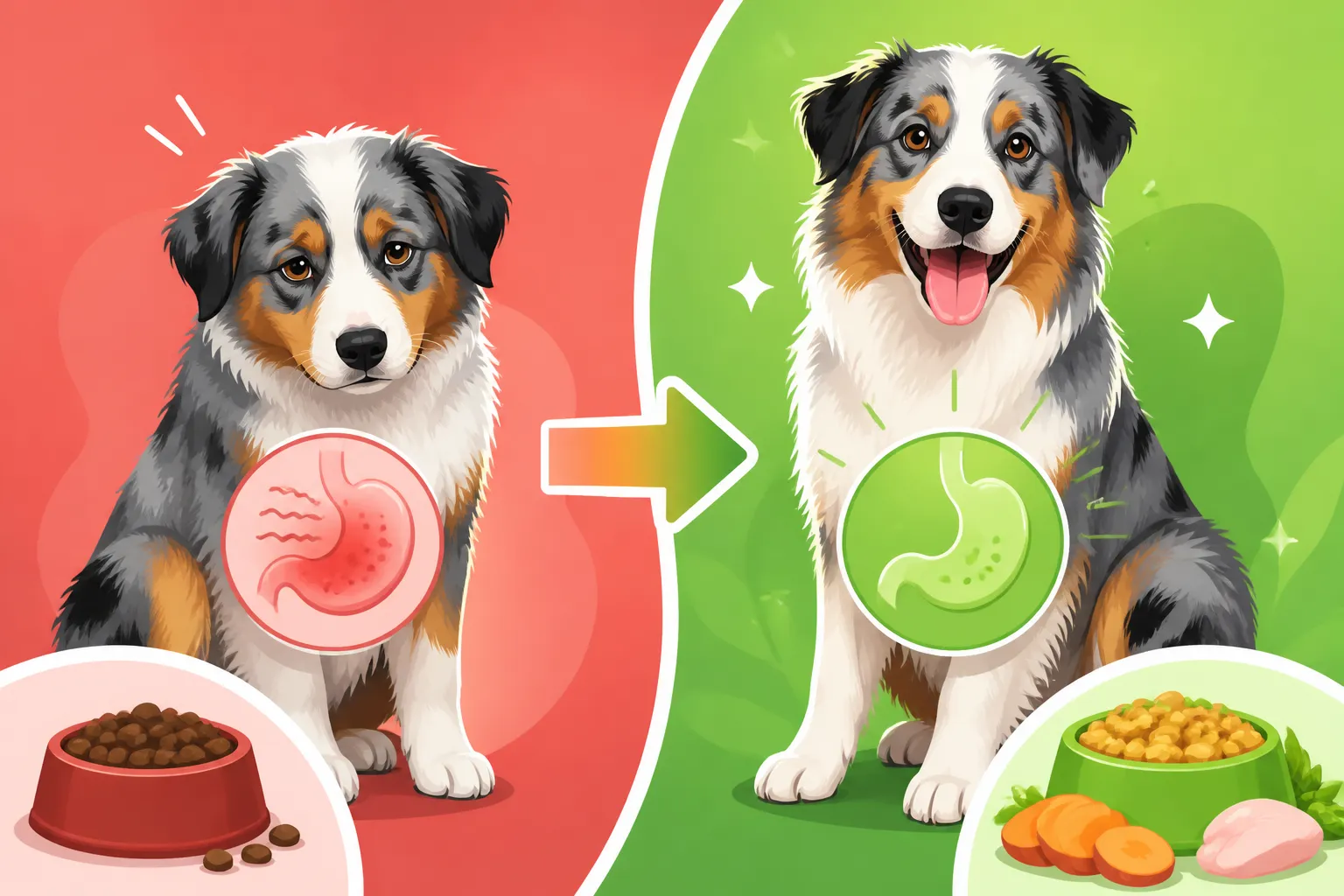
Bringing home an Australian Shepherd puppy is an absolute joy, filled with boundless energy, adorable antics, and sometimes, a whole lot of questions – especially when it comes to their tummies. One common frustration new Aussie parents face is the dreaded upset stomach after switching their puppy's food, leaving them wondering if it's the new kibble, a bug, or just puppy jitters. This guide is here to walk you through why your energetic little herder might react to a food change, how to make the transition as smooth as possible, and what steps to take if things go a little sideways.
Why Aussie Puppies Have Sensitive Stomachs
It’s completely normal to feel a bit overwhelmed when your usually robust Australian Shepherd puppy suddenly has an upset stomach after a food change. You want what's best for them, and seeing them uncomfortable is tough. The truth is, Aussie puppies, like many young dogs, often have more sensitive digestive systems than their adult counterparts, and there are several reasons why they might react strongly to a new diet.
The Digestive System of a Growing Australian Shepherd
Think about how much a tiny Australian Shepherd puppy grows in just a few months! They go from a small, cuddly fluffball to a substantial, energetic young dog in what feels like the blink of an eye. This rapid growth isn't just external; it involves a whole lot of internal development, including their digestive system. A puppy's gut is still maturing, learning to process different nutrients and building up a robust microbiome – that delicate balance of good bacteria that helps with digestion and overall health.
Because their system is still in this critical developmental phase, it’s not as resilient to sudden changes. An adult dog might handle a new food with a day or two of slightly softer stool, but a puppy's immature gut can protest much more dramatically. Their stomach acids aren't as strong, and their enzyme production might not be as efficient in breaking down novel ingredients. This means a sudden influx of different proteins, fats, or carbohydrates can send their system into a tailspin, leading to common signs of digestive distress.
Common Stressors That Trigger Upset
Beyond the biological aspect of a developing gut, there are also numerous environmental and emotional stressors that can compound the problem when you introduce a new food to your Australian Shepherd puppy. Imagine being a tiny puppy: you've just left your littermates and your first home, moved into a completely new environment, with new smells, sounds, and people. It’s exciting, yes, but it’s also incredibly stressful.
This general puppy stress – from the change in routine, new noises, meeting new family members, or even just the car ride home – can take a toll on their digestive system. Cortisol, the stress hormone, can directly impact gut motility and integrity, making them more prone to upset. Add to this the stress of vaccinations or initial vet visits, and you have a puppy whose system is already working hard to adapt. When you then suddenly switch their primary food source, it can be the straw that breaks the camel's back. Even if the new food is a top-tier, high-quality formula, the suddenness of the change, combined with existing stressors, can be enough to trigger gastrointestinal upset. It’s not necessarily that the food is "bad"; it’s that their entire world is shifting, and their gut is reflecting that internal turmoil. Taking preventative steps to reduce these other stressors can go a long way in ensuring a smoother food transition.
The Right Way to Switch Your Aussie Puppy's Food
So, you've realized your Aussie puppy's tummy isn't a fan of surprises. That's totally normal! The good news is, there's a tried-and-true method for making food changes that dramatically reduces the chances of upset. It's all about going slow and steady, giving their delicate digestive system plenty of time to adjust to new ingredients.
The Gradual Transition Method
This is probably the most important piece of advice you'll ever get about changing your dog's food, especially for a puppy. A sudden swap, even from one excellent food to another, can shock their system. Instead, you want to introduce the new food gradually, mixing it with their old food over a period of time. For an Australian Shepherd puppy, who can be particularly sensitive, I always recommend at least a 7-day transition, and sometimes even 10 to 14 days if they have shown signs of sensitivity in the past, or if you know they're under other stressors.
Here’s a common schedule you can follow:
| Day | Old Food Percentage | New Food Percentage | Notes |
|---|---|---|---|
| 1-2 | 75% | 25% | Start with a small amount of new food, watching stool. |
| 3-4 | 50% | 50% | Equal parts, continue monitoring for any changes. |
| 5-6 | 25% | 75% | Mostly new food now, almost there! |
| 7+ | 0% | 100% | Full transition, if all signs are good. |
During this process, pay close attention to their stool. If you notice it getting too soft or they show other signs of discomfort, just hold at that percentage for another day or two before increasing the new food. There’s no rush. The goal is a seamless transition, not a quick one. Remember, consistency is key, and sticking to this method greatly increases your chances of avoiding digestive upset. For general puppy care tips, you might find guidance in The Aussie Puppy Curriculum Month by Month.
Choosing the New Food Wisely
Beyond how you switch food, what food you choose is equally vital for your growing Australian Shepherd puppy. It can feel like walking through a minefield with all the options out there, but a little knowledge goes a long way. First and foremost, always look for a formula specifically designed for puppies. These foods are balanced to support their rapid growth and higher energy needs, providing the right ratios of protein, fat, and essential vitamins and minerals.
When considering options, think about the primary protein source. If your puppy has shown any signs of sensitivity, sometimes switching to a "novel protein" like duck or venison (if they haven't had it before) can be helpful, though it’s best to discuss this with your vet. Avoid overly rich or fatty foods, as these are common culprits for stomach upset. Look for foods with easily digestible ingredients. Many owners find success with brands that focus on whole ingredients and limited fillers.
Platforms like Chewy and Amazon offer a vast selection, allowing you to read reviews and compare ingredients lists extensively. If you're considering fresh food options, companies like Ollie provide pre-portioned, human-grade meals that can be great for sensitive tummies, but always ensure they are complete and balanced for puppies. Don't be afraid to ask your breeder what they've fed their puppies or consult your veterinarian. They can offer tailored recommendations based on your Aussie’s specific needs and any health history. For a deeper dive into puppy nutrition, check out Feeding an Aussie Puppy to Fifty Pounds or Whether an Aussie Needs Large Breed Puppy Food.
Observing Your Puppy During the Switch
Once you start the transition, your job isn't done! Constant observation is key to a successful food switch for your Australian Shepherd puppy. You'll want to become intimately familiar with what your puppy's normal poop looks like. Yes, it's a glamorous part of dog ownership, but it's the best indicator of digestive health.
During the first few days of the transition, it's normal to see a slight softening of the stool or maybe a little more gas than usual. Their body is adjusting, and these minor changes are usually nothing to worry about. However, be on high alert for red flags. These include:
- Persistent diarrhea: Especially if it's watery, contains blood, or mucus.
- Vomiting: More than once, or if it's projectile.
- Lethargy: Your usually energetic Aussie is suddenly quiet, doesn't want to play, or seems unusually tired.
- Loss of appetite: Refusing to eat, even their favorite treats.
- Pain or discomfort: Whining, hunching, or guarding their abdomen.
Any of these more severe signs mean you should pause the transition immediately and consult your veterinarian. It could be that the new food simply doesn't agree with them, or it could indicate an underlying issue that needs professional attention. Don't push through if your puppy is genuinely unwell. Their comfort and health come first. For more information on dealing with loose stools, read Australian Shepherd Puppy Diarrhea After Homecoming.
Troubleshooting Common Digestive Upsets
Even with the most careful transition, sometimes things don't go perfectly. It's frustrating when you've done everything right and your Aussie puppy still has an upset stomach. But don't panic! Many common digestive upsets can be managed at home, while others clearly signal it's time to call the vet.
Dealing with Diarrhea and Vomiting
If your Australian Shepherd puppy experiences more than just slightly soft stool – if it's full-blown diarrhea or repeated vomiting – your first step is usually to pause the food transition. Revert to 100% of their old food, or if the old food was causing issues, or you're unsure, a bland diet is often recommended. This typically consists of plain, boiled chicken (no skin, no bones, no seasoning) and plain white rice. The ratio is usually about two parts rice to one part chicken. Offer small, frequent meals rather than large ones, to ease the load on their digestive system.
The most crucial thing during bouts of diarrhea or vomiting is hydration. Puppies can dehydrate very quickly, which can become dangerous. Make sure they have constant access to fresh water. If they aren't drinking, or if the vomiting is preventing them from keeping water down, contact your vet immediately. Persistent vomiting or diarrhea, especially if accompanied by lethargy, pain, or fever, warrants an emergency vet visit. Trust your gut; if you're worried, it's always better to be safe than sorry. Remember, while most mild cases resolve quickly, some situations, like potential bloat, are medical emergencies that require immediate attention. You can read more about serious digestive concerns in Australian Shepherd Bloat Warning Signs.
Recognizing Food Sensitivities vs. Transition Issues
One of the trickiest parts of managing an Aussie puppy's digestive health is figuring out if their upset is just a temporary hiccup from changing food too quickly, or if it's a genuine food sensitivity or allergy. A transition issue typically resolves once the food change is stopped, or once the gut fully adapts to the new food over a prolonged, gradual introduction. The symptoms are usually confined to the digestive tract (soft stool, gas, mild vomiting).
True food sensitivities or allergies, however, often present with more persistent or varied symptoms. Beyond chronic gastrointestinal upset (like ongoing diarrhea, frequent vomiting, or excessive gas even on a stable diet), you might notice other signs like:
- Itching: Constant scratching, licking paws, ear infections.
- Skin issues: Redness, rashes, hot spots.
- Poor coat quality: Dull, dry, or flaky skin.
- Chronic ear infections: Recurrent yeast or bacterial infections in the ears.
If these symptoms persist even after a slow transition, or if they appear with any new food, it's time to consider an elimination diet under veterinary guidance. This involves feeding a "novel protein" and carbohydrate source (something your dog has never eaten before) for several weeks, then slowly reintroducing old ingredients one by one to identify the culprit. This can be a long process, but it's often the most reliable way to pinpoint a true food sensitivity. Be aware that some underlying health conditions, like Australian Shepherd Autoimmune Disease, can also manifest with digestive symptoms, so always involve your vet.
Probiotics and Digestive Aids
When your Australian Shepherd puppy's stomach is feeling a bit off-kilter, you might wonder about supplements to help. Probiotics are often touted as gut health heroes, and for good reason! They introduce beneficial bacteria to the digestive tract, which can help rebalance the gut microbiome after stress, illness, or even a food change. A healthy microbiome is crucial for proper digestion and nutrient absorption.
Many veterinary-specific probiotic supplements are available, often in powder or paste form, that you can mix into their food or give directly. These can be particularly helpful during a food transition or after a course of antibiotics, which can disrupt gut flora. Digestive enzymes are another category of supplements that can assist in breaking down food more efficiently, which might be beneficial for puppies struggling with maldigestion.
However, it's vital to discuss any supplements with your veterinarian before introducing them to your puppy's diet. Not all probiotics are created equal, and your vet can recommend a high-quality, scientifically backed product suitable for your Aussie’s age and specific needs. They can also ensure that any digestive issues aren't masking a more serious underlying condition. Never assume supplements are a magic bullet; they are best used as part of a comprehensive approach to digestive health, alongside appropriate diet and veterinary care.
Beyond the Bowl: Holistic Care for a Happy Aussie Stomach
It's easy to focus solely on the contents of the food bowl when we talk about digestive health, but for an Australian Shepherd puppy, so much more contributes to a happy tummy. Their overall well-being – physical, mental, and emotional – all plays a significant role in how well their digestive system functions.
Stress Reduction and Routine
Australian Shepherds thrive on routine and can be sensitive to changes in their environment. A stressed puppy is often a puppy with a compromised digestive system. High anxiety can literally tie their stomach in knots, making them more prone to issues like diarrhea or vomiting, even when their food hasn't changed. Creating a calm, predictable environment is paramount.
This means consistent feeding times, regular potty breaks, and a clear daily schedule. Providing a safe, quiet space for them to retreat to, like a crate, can also help manage stress. While Aussies need a lot of exercise – typically one to two hours a day as adults – it's important to schedule it appropriately. Avoid intense physical activity immediately before or after meals, as this can increase the risk of digestive upset or even serious conditions like bloat. Instead, offer mental enrichment activities or short, calm play sessions around mealtimes. A well-exercised (both mentally and physically) and secure puppy is generally a happier puppy, and a happier puppy tends to have a happier stomach. You can learn more about appropriate exercise in Australian Shepherd Exercise at One to Two Hours a Day.
Regular Vet Check-ups and Parasite Control
This might sound obvious, but never underestimate the power of regular veterinary check-ups for maintaining your Australian Shepherd puppy's digestive health. Your vet isn't just there for emergencies; they are your best partner in preventive care. Routine visits allow them to monitor growth, discuss nutrition, and catch potential issues before they become major problems.
One of the most common causes of digestive upset in puppies, often mistaken for food sensitivity, is parasites. Puppies are highly susceptible to internal parasites like roundworms, hookworms, giardia, and coccidia. These microscopic invaders can wreak havoc on a young digestive system, causing diarrhea, vomiting, weight loss, and a dull coat. Regular deworming, as recommended by your vet, and consistent parasite prevention are absolutely critical. Your vet can perform fecal tests to identify specific parasites and prescribe the appropriate treatment. Don't assume that just because your puppy was dewormed by the breeder, they are completely clear. Parasites can be picked up from the environment or even passed from the mother. Maintaining a strict parasite control regimen is a non-negotiable part of ensuring your Aussie puppy's stomach stays healthy. For initial health considerations, see Australian Shepherd Puppy Health Checks at Eight Weeks and The Health Tests Every Australian Shepherd Parent Needs.
Disclaimer
This article is for general informational purposes only and does not constitute professional advice. Laws, prices and regulations vary by location and change over time. Consult a qualified professional for guidance on your specific situation.