Weaning an Aussie Litter Onto Solid Food
Bringing an Australian Shepherd litter into the world is an incredible journey, but there comes a point where those tiny, wriggling bundles need more than just mom's milk. Weaning an Aussie litter onto solid food can feel like a chaotic, messy rite of passage, often leaving new breeders or even first-time foster parents wondering if they're doing it right. This guide is here to walk you through the entire process, from that very first lapping of gruel to ensuring your little herders are confidently munching on kibble, all while keeping their sensitive systems and high energy needs in mind.
The First Steps Towards Solid Food
The transition from nursing exclusively to eating solid food is a crucial developmental stage for Australian Shepherd puppies. It’s not just about introducing new tastes; it’s about preparing their digestive systems and helping the mother dog gradually reduce her nursing duties. This period requires patience, observation, and a whole lot of cleaning supplies!
When to Start the Weaning Process
Typically, Australian Shepherd puppies are ready to begin the weaning process around three to four weeks of age. You'll notice subtle signs that they're getting restless with just milk. Their eyes will be open, they'll be more mobile, and those tiny teeth will be starting to erupt. The mother dog herself often plays a role in initiating weaning; she might start to spend less time with the puppies or even stand up and walk away if they try to nurse too persistently. She's not being unkind; she's simply following her natural instinct to encourage their independence and preserve her own energy.
It’s important not to rush this stage, but also not to delay it too much. Starting too early can overwhelm their digestive systems, which are still quite immature. Waiting too long, however, can put undue stress on the mother, as those sharp puppy teeth can become quite uncomfortable. Observing both the mother and the puppies for these natural cues is key to a smooth transition. Think of it as a collaborative effort between mom, the puppies, and you, the diligent human helper.
Choosing the Right First Food
For an Australian Shepherd litter's first foray into solid food, you'll want to create a "gruel." This isn't just dry kibble; it's a soft, easily digestible mixture that mimics the consistency of yogurt or thick soup. The base of this gruel should be a high-quality puppy milk replacer, not cow's milk, as puppy digestive systems aren't equipped for lactose in large quantities. You'll then mix this with a premium puppy kibble specifically formulated for growth and development.
When selecting kibble, look for one that's designed for "all life stages" or "puppies." Brands often offer formulas tailored to puppies, ensuring they get the right balance of protein, fat, and essential nutrients. Some breeders prefer to use the same brand of puppy food that the mother is eating, to ensure familiarity and potentially ease the transition, especially if it's a high-quality, easily digestible formula. Avoid generic or low-quality foods, as growing Aussie puppies need excellent nutrition to fuel their rapid development. We're talking about the building blocks for their future intelligence, energy, and robust health.
To prepare the gruel, simply soak the puppy kibble in warm puppy milk replacer (or warm water if you're really trying to stretch the milk replacer, but milk replacer is ideal initially) until it's soft and mushy. Then, use a fork or a blender to create a smooth, oatmeal-like consistency. The goal is a slurry that's easy for them to lap up without choking or struggling with hard pieces. This initial food should be warm, not hot or cold, to make it more appealing and gentle on their stomachs.
Introducing the Gruel Bowl
This is where the real fun (and mess) begins! The first few feedings of solid food are less about eating a full meal and more about exploration and learning. Prepare for chaos, but also for immense satisfaction as those little tails wag with excitement.
The Messy Reality of First Feedings
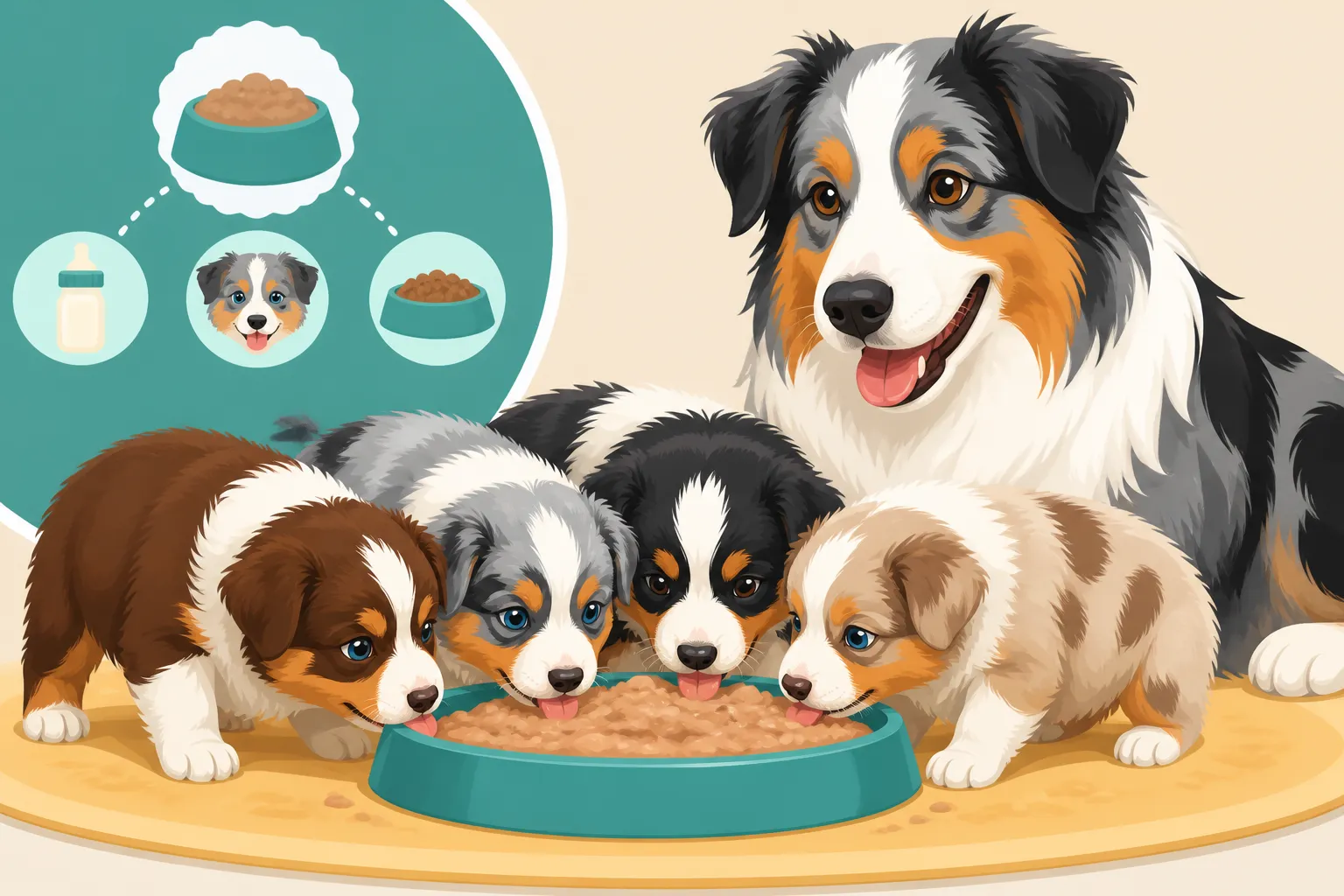
When you first present that shallow, wide bowl of gruel to a litter of Australian Shepherd puppies, be ready for anything. Some puppies will dive in face-first, making delightful slurping noises, while others might initially walk through it, play in it, or even lie down in it. It’s a sensory experience for them! This is perfectly normal. Their instincts tell them it's food, but they haven't quite figured out how to eat it from a bowl yet. You might need to gently dip a tiny nose into the gruel to help them realize what it is.
Place the bowl on a surface that's easy to clean, like newspaper, puppy pads, or a designated "feeding zone" with a washable mat. Have plenty of towels and warm, damp cloths ready. After each feeding, you'll need to wipe down each puppy to remove any gruel from their fur, especially around their faces and paws. This prevents skin irritation and matting, particularly with their developing double coats. Plus, a clean puppy is a happy puppy, and a clean puppy means a less sticky mom! Don't be surprised if the mother dog also comes over to "clean up" the puppies (and the bowl) after they're done, which is a great help.
Start with very short feeding sessions, perhaps 5-10 minutes, two to three times a day. At this stage, the gruel is a supplement, not a replacement for mom's milk. They're still getting the bulk of their nutrition from nursing. As they get better at eating, you can increase the duration of the sessions. It’s a gradual process, and consistency is key.
Gradual Increase in Solids and Decrease in Nursing
As the Australian Shepherd puppies become more adept at eating the gruel, you’ll gradually increase the amount of solid food offered and the frequency of feedings. By around four to five weeks, you might be offering gruel three to four times a day. Observe how much they're eating and how eagerly. Their little bellies should look comfortably full after a meal, but not distended.
During this period, the mother dog will naturally start to limit her nursing time. This is a normal part of the weaning process, and it allows her body to slowly reduce milk production. She might still let them nurse for comfort or for short periods, but her willingness to lie down and let them have full access will decrease. This gentle push-back from mom encourages the puppies to seek out the solid food more readily. It’s a beautifully orchestrated dance of nature!
Continue to monitor the puppies' weight and overall health. They should be steadily gaining weight. If any puppy seems hesitant to eat, isn't gaining weight, or has any digestive issues like persistent diarrhea, it's crucial to contact your veterinarian. Sometimes a little extra encouragement or a slight adjustment to the gruel consistency is all that's needed, but it's always best to be safe. Remember that maintaining proper nutrition is paramount for preventing issues later on, such as Growing Pains in a Six Month Old Aussie.
Transitioning to Dry Kibble
Once your Australian Shepherd puppies are confidently lapping up gruel, the next step is to introduce more texture and eventually transition them to eating dry kibble entirely. This usually happens between five and seven weeks of age.
Moving from Gruel to Soaked Kibble
The key to moving from gruel to soaked kibble is gradual reduction of liquid. Start by making the gruel thicker. Instead of a smooth, soupy consistency, you'll want it to be more like thick mashed potatoes, with small, soft pieces of kibble still discernible. This introduces them to chewing and encourages them to use their developing teeth. Over a few days, gradually decrease the amount of liquid you add, making the mixture progressively firmer.
During this stage, selecting the right puppy food remains critical. Many reputable brands offer excellent puppy formulas. You might find options on sites like Chewy or Amazon, which have a wide selection and often detailed nutritional information. Look for ingredients that support healthy growth, strong bones, and brain development. Avoid foods with excessive fillers or artificial ingredients. A high-quality puppy food sets the foundation for their lifelong health. Consider if the food is specifically formulated for large breeds if your Aussie lines tend to produce larger dogs, as their growth plates have different needs, though this usually becomes a bigger consideration a bit later. For now, a good all-around puppy formula is key.
You can create a simple feeding schedule to help manage this transition:
| Puppy Age | Food Consistency | Feeding Frequency (approx.) | Notes |
|---|---|---|---|
| 3-4 Weeks | Smooth Gruel | 2-3 times a day | Supplement to mom's milk; focus on exploration |
| 4-5 Weeks | Thicker Gruel | 3-4 times a day | Puppies eating more; mom reducing nursing |
| 5-6 Weeks | Soft, Moist Kibble | 3-4 times a day | Gradually reducing liquid; introducing chewiness |
| 6-7 Weeks | Lightly Moistened Kibble | 3 times a day | Approaching dry kibble; still ensuring hydration |
| 7-8 Weeks | Dry Kibble | 3 times a day | Fully weaned, drinking water independently from bowls |
This table provides a general guideline, but always observe your individual litter and adjust as needed. Every Australian Shepherd puppy is an individual, and some may take to the process faster or slower than others.
Fully Transitioning to Dry Food and Water
By about six to seven weeks, your Australian Shepherd puppies should be confidently eating lightly moistened kibble. The final step is to transition them to completely dry kibble. Again, do this gradually. Reduce the amount of water or milk replacer you add to their food over a few days until they are eating entirely dry kibble.
At this point, it’s absolutely essential that fresh, clean water is always available to them in a separate, shallow bowl. They are no longer getting significant hydration from their mother's milk, so they need to learn to drink water independently. Introduce the water bowl early, alongside the gruel, so they become accustomed to it. Just like with food, they might play in it at first, but they will quickly learn its purpose.
Monitor their stools closely. Any sudden changes in diet can sometimes cause an upset stomach. Loose stools or diarrhea could indicate that you've transitioned too quickly, or that the food isn't agreeing with them. If you notice persistent issues, try reverting to a slightly softer consistency for a day or two before attempting the drier food again. Remember the important considerations when An Aussie Puppy Stomach After Switching Food. By eight weeks, when they are typically ready to go to their new homes, they should be well-established on a consistent schedule of Three Meals a Day for an Aussie Puppy of dry, high-quality puppy food, and drinking water freely. This preparation is part of the responsible breeding practice outlined in Australian Shepherd Puppy Health Checks at Eight Weeks.
Important Considerations for Aussie Litters
Weaning is a busy time, and while most Aussie puppies navigate it smoothly, there are a few important areas to keep a close eye on for the well-being of both the puppies and their devoted mother.
Monitoring Health and Digestion During Weaning
As the puppies switch from their mother's milk to solid food, their digestive systems are doing a lot of work to adapt. It's a prime time to watch for any signs of trouble. Loose stools are common with dietary changes, but persistent diarrhea can quickly lead to dehydration, especially in small puppies. If you see very watery stools, blood in the stool, or if a puppy seems lethargic or loses its appetite, it's a red flag. Don't hesitate to call your vet. They can provide guidance on adjusting the diet or check for any underlying health issues.
Another thing to watch for is individual puppy progress. Sometimes one or two puppies in a litter might be slower to catch on to eating solid food, or they might be less assertive at the food bowl. Ensure that all puppies are getting enough to eat and are steadily gaining weight. If you have a particularly robust litter, you might even consider using multiple shallow bowls to ensure everyone gets a fair share without too much competition. Every Australian Shepherd puppy needs a strong start, and any delay in development could signal a problem. This is a critical period before they start exploring things like Cold Chews for an Aussie Puppy Cutting Teeth.
Managing the Mother's Diet and Health
The mother Australian Shepherd has been working incredibly hard, first carrying the litter and then nursing them. Weaning is also a significant transition for her body. As the puppies start eating more solid food, her milk production will naturally begin to decrease. However, it’s important to support her health throughout this process. Continue to feed her a high-quality, calorie-dense diet, like a good puppy food or a food specifically formulated for lactating mothers, until her milk supply has significantly reduced. Her body needs time to recover and to cease milk production without complications.
Gradually, as the puppies rely less and less on nursing, you can start to slowly reduce the mother's food intake back to her maintenance level. If she continues to produce a lot of milk after the puppies are fully weaned, it can sometimes lead to discomfort or even mastitis. If you notice her mammary glands are swollen, hot, or painful, or if she seems unwell, contact your vet immediately. Providing plenty of fresh water for her is also vital, especially as she’s been using a lot of her bodily fluids for milk production. A healthy mom is crucial for a healthy litter, and her well-being during and after weaning should be a top priority. After all, she’s the original hero of this whole journey, and ensuring her recovery is part of the responsible care of the entire litter. Knowing When an Aussie Leaves Puppy Food Behind applies to her too, as her nutritional needs will shift.
Disclaimer
This article is for general informational purposes only and does not constitute professional advice. Laws, prices and regulations vary by location and change over time. Consult a qualified professional for guidance on your specific situation.