What Changes in an Aussie Bowl at Eleven
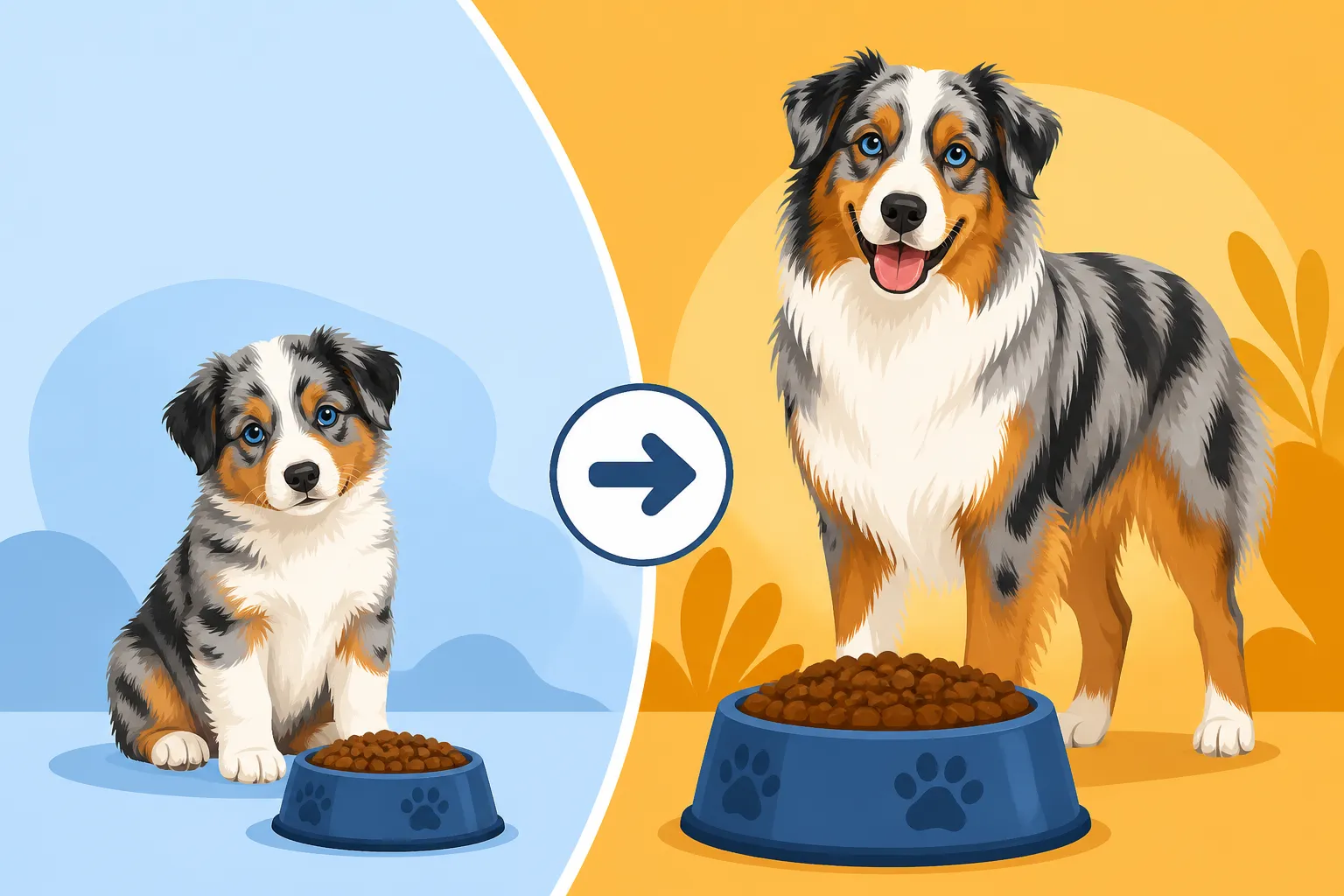
When your energetic Australian Shepherd reaches the age of eleven, it's a huge milestone that comes with a lot of changes, especially concerning their diet. What once fueled their boundless energy might now be contributing to subtle health issues or simply not providing the right kind of support for their aging body. This guide will walk you through the key dietary adjustments and nutritional considerations to ensure your senior Aussie continues to thrive and enjoy their golden years comfortably.
Recognizing the Signs of an Aging Appetite and Digestion
It’s easy to miss the early signs that your Australian Shepherd’s dietary needs are shifting, especially if they’ve always been a robust eater. Aussies are known for their strong working drive, and that often extends to their enthusiasm for food. However, as they cross into their senior years, typically around eight to ten for larger breeds like Aussies, their internal systems begin to slow down, and their requirements evolve. Observing these subtle changes is the first step in making appropriate adjustments.
Subtle Shifts in Eating Habits
You might notice that your once ravenous Aussie is now taking a little longer to finish their meal, or perhaps they're leaving a few kibbles behind more often than not. This isn't necessarily pickiness; it could be a sign that their metabolism is slowing, meaning they don't need as many calories, or that their senses of smell and taste aren't quite as sharp, making their usual food less appealing. Sometimes, it's also a reflection of reduced activity levels – they simply aren't burning as many calories running circles around the yard or out on the trails. It's important not to just write this off as "getting old" but to investigate further, as persistent lack of appetite can also be a symptom of underlying health issues.
Another common shift is a change in the pace of eating. Where they once inhaled their food, an older Aussie might eat much more slowly. This could be due to general lethargy, but it also frequently points to discomfort. Chewing might become painful, or they might feel a little more sluggish after a meal than they used to. Paying attention to these subtle cues can help you understand whether it's time to re-evaluate their portion sizes, the type of food, or even the feeding environment.
Digestive Sensitivities Emerging
An aging digestive system often becomes more sensitive. Foods that your Aussie tolerated perfectly well for years might suddenly cause upset stomachs, including bouts of diarrhea, constipation, or increased flatulence. This is often because the gut microbiome changes with age, and the body produces fewer digestive enzymes. The lining of the gut can also become less resilient, making it harder to process certain ingredients, especially those that are harder to digest or highly processed.
You might also notice a decrease in appetite if your Aussie is frequently experiencing discomfort after eating. Just like people, dogs can associate certain foods with feeling unwell and become hesitant to eat. This is where high-quality, easily digestible ingredients become paramount. Sometimes, simply switching to a formula designed for sensitive stomachs or senior dogs can make a world of difference. It's about nurturing their internal environment as gently as possible.
Dental Challenges and Oral Discomfort
One of the most overlooked aspects of an aging dog's diet is their dental health. By the time an Australian Shepherd reaches eleven, it's very common for them to have significant dental issues, even with good preventative care. Plaque and tartar buildup can lead to gum disease, loose teeth, and even painful infections. Chewing hard kibble can become excruciating, causing them to drop food, eat slowly, or even avoid eating altogether.
If your Aussie is suddenly showing a reluctance to eat, or favors one side of their mouth, a vet check of their teeth is absolutely essential. Dental pain can severely impact their quality of life and nutrition. In some cases, transitioning to wet food, soaked kibble, or smaller kibble sizes can make mealtime much more comfortable. Australian Shepherd Dental Care is vital throughout their life, but especially as they age, as proper oral health directly impacts their ability to eat and absorb nutrients.
Adjusting Caloric Intake and Nutrient Balance for Seniors
Once you've recognized the signs of aging in your Aussie's eating patterns, the next step is to proactively adjust their diet. This isn't just about reducing food; it's about optimizing the type of food and the balance of nutrients to support their changing physiological needs. A growing, working Aussie has vastly different requirements than a senior enjoying a more sedate lifestyle.
Lowering Calories for Reduced Activity
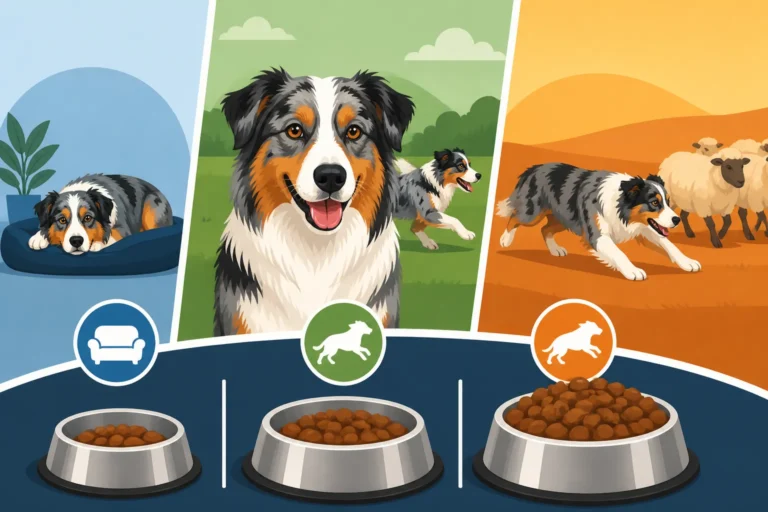
One of the most significant changes in a senior Australian Shepherd's lifestyle is often a natural reduction in activity. They might not be joining you for those epic hikes or long runs anymore, or even chasing the frisbee with the same frantic energy. This decreased activity means they burn fewer calories. Continuing to feed them the same amount of food they ate in their prime can quickly lead to weight gain, which puts undue stress on their aging joints and internal organs. Overweight senior dogs are more prone to issues like Australian Shepherd Arthritis After Years of Work, heart disease, and diabetes.
Therefore, reducing their caloric intake is often necessary. However, it’s not as simple as just feeding less of the same food, as this can lead to nutrient deficiencies. The goal is to provide nutrient-dense food that supports their body without excess calories. Look for formulas specifically designed for senior dogs, which typically have fewer calories per serving but maintain a good balance of essential nutrients. Regularly Scoring an Aussie Body Condition by Hand can help you determine if their weight is ideal or if further adjustments are needed. Remember, a lean Aussie in their senior years is generally a healthier Aussie.
Prioritizing Protein for Muscle Mass
Despite needing fewer calories overall, senior Australian Shepherds actually benefit from a slightly higher percentage of high-quality protein in their diet. This might seem counterintuitive, but as dogs age, they tend to lose muscle mass, a process known as sarcopenia. Adequate protein helps to combat this muscle wastage, supporting strength, mobility, and overall vitality. However, the type of protein matters. It should be highly digestible and sourced from quality ingredients.
Focus on foods with lean protein sources like chicken, turkey, fish, or eggs. These are easier for an aging digestive system to break down and utilize. Some commercial senior dog foods will highlight increased protein levels to address this specific need. If you're considering a fresh or home-cooked diet, ensuring a sufficient and balanced protein source is crucial, often requiring careful consultation with a veterinary nutritionist to ensure proper balance and avoid deficiencies.
The Role of Fiber and Probiotics
As discussed, an aging digestive system can become a bit finicky. This is where dietary fiber and probiotics can become your Aussie's best friend. Adequate fiber helps to maintain regularity, preventing both constipation (which can be common in less active seniors) and diarrhea. It also supports a healthy gut microbiome, which is essential for nutrient absorption and immune function. Good sources of fiber include pumpkin, sweet potato, green beans, and certain grains if your Aussie tolerates them well.
Probiotics, either naturally occurring in fermented foods or given as supplements, introduce beneficial bacteria to the gut. This can help rebalance the microbiome, improve digestion, and even boost immunity. If your Aussie is experiencing recurrent digestive upset, a probiotic supplement can often make a noticeable difference. Many senior dog foods also include prebiotics and probiotics directly in their formula to support digestive health. Brands available on platforms like Chewy or Amazon often carry a wide range of these specialized foods and supplements.
Exploring Senior-Specific Food Options and Supplements
Making the switch to a senior-appropriate diet can feel overwhelming with so many options out there. However, understanding what to look for in commercial foods and when to consider supplements can simplify the process and ensure your Aussie gets the best possible nutrition. This transition is often about prevention and support, aiming to slow the progression of age-related issues and enhance comfort.
Commercial Senior Formulas
The pet food market has evolved to offer specialized diets catering to the unique needs of senior dogs, and this is often the easiest and most balanced approach for many owners. When looking at commercial senior formulas for your Australian Shepherd, focus on a few key characteristics. Firstly, they should have reduced calorie content to prevent weight gain, as discussed earlier. Secondly, look for high-quality, easily digestible protein sources to maintain muscle mass. Thirdly, they often contain added joint support ingredients like glucosamine and chondroitin, which are crucial for Aussies prone to issues like hip or elbow dysplasia.
Many reputable brands offer senior diets. For example, popular brands you can find on Chewy or Amazon often have specific lines for "senior" or "aging" dogs. Some also incorporate ingredients for cognitive support, such as omega-3 fatty acids and antioxidants, which can help maintain brain health as your Aussie gets older. Always read the ingredient list carefully and choose a food where the first few ingredients are identifiable meat proteins. Feeding an Aussie Once the Work Stops is an excellent resource for further guidance on how these dietary changes tie into their overall activity level.
Fresh Food and Home-Cooked Considerations
For some Australian Shepherd owners, transitioning to fresh food or a home-cooked diet seems like a more natural and appealing option for their aging companion. The appeal often lies in the ability to control ingredients and provide highly palatable, easily digestible meals. Services like Ollie, for instance, offer pre-portioned, fresh dog food that can be customized to your dog's age, weight, and activity level, often making it easier to manage the dietary needs of a senior Aussie.
However, moving to a home-cooked diet requires careful planning to ensure nutritional completeness. Simply boiling chicken and rice isn't enough for long-term health. Senior dogs need a precise balance of protein, fat, carbohydrates, vitamins, and minerals. Any home-cooked diet should be formulated with the guidance of a veterinary nutritionist to prevent deficiencies or excesses that could harm your Aussie. They can help you create recipes tailored to your dog’s specific health needs, such as kidney support or joint health. Without professional guidance, it's very easy to miss crucial nutrients, which can have detrimental effects over time.
Joint and Cognitive Support Supplements
Beyond specialized food, supplements can play a crucial role in supporting your senior Australian Shepherd's health. Joint supplements are almost universally recommended for aging Aussies, especially given their active past and propensity for joint issues. Glucosamine and chondroitin are common ingredients known to support cartilage health and reduce inflammation. Omega-3 fatty acids (like EPA and DHA found in fish oil) are also excellent for reducing inflammation throughout the body, including joints, and are vital for skin, coat, and cognitive function.
| Supplement Category | Key Ingredients | Primary Benefits for Senior Aussies |
|---|---|---|
| Joint Support | Glucosamine, Chondroitin, MSM | Supports cartilage, reduces inflammation, improves mobility |
| Cognitive Health | Omega-3 Fatty Acids (DHA/EPA), Antioxidants, Medium Chain Triglycerides (MCTs) | Supports brain function, memory, reduces cognitive decline |
| Digestive Aid | Probiotics, Prebiotics, Digestive Enzymes | Promotes healthy gut flora, improves digestion, nutrient absorption |
| Antioxidants | Vitamins C & E, Selenium, Resveratrol | Combats cellular damage, supports immune system |
For cognitive support, ingredients like medium-chain triglycerides (MCTs), often found in coconut oil, and antioxidants can help maintain brain health and potentially slow cognitive decline, helping an older Aussie stay mentally sharp. Joint Diets for a Retired Working Aussie delves deeper into dietary support for mobility. Always consult your veterinarian before starting any new supplements to ensure they are appropriate for your Aussie's specific health profile and won't interact with any medications they might be taking.
Practical Feeding Strategies for the Senior Aussie
Once you've chosen the right food and supplements, how you present and administer them can make a huge difference in your senior Australian Shepherd's daily comfort and overall well-being. Little adjustments to their routine can alleviate stress, improve digestion, and ensure they get the most out of their meals.
Smaller, More Frequent Meals
Instead of one or two large meals a day, consider breaking your senior Aussie's daily ration into smaller, more frequent portions. For instance, three or even four smaller meals throughout the day can be much easier on an aging digestive system. Large meals can overwhelm a slower metabolism and a less efficient gut, potentially leading to discomfort, bloating, or even vomiting. Smaller meals are processed more smoothly, reducing the workload on their digestive organs.
This approach also helps to maintain more stable blood sugar levels, which can be beneficial for energy and mood. If your Aussie has become a bit less enthusiastic about eating, offering smaller, more frequent meals can also pique their interest more consistently throughout the day, preventing long stretches of hunger that might lead to stomach upset or disinterest. This strategy can be especially helpful if you've noticed An Old Aussie That Leaves Its Bowl or experiences post-meal lethargy.
Hydration is Key
Hydration becomes even more critical for senior dogs. Aging kidneys may not function as efficiently, and older Aussies might simply not drink as much water as they used to, either due to reduced thirst drive, discomfort from bending down, or general malaise. Dehydration can exacerbate kidney problems, lead to constipation, and make them feel generally unwell. Encouraging water intake is paramount.
Always ensure fresh, clean water is available in multiple locations throughout your home. Consider adding water to their kibble to make it softer and increase their fluid intake, or incorporating wet food into their diet. Some Aussies enjoy water fountains, which can entice them to drink more due to the movement of the water. If your Aussie is hesitant to drink, try adding a splash of low-sodium broth to their water bowl to make it more appealing.
Making Mealtime Comfortable
Think about the physical experience of eating for your senior Australian Shepherd. As they age, many Aussies develop arthritis or other mobility issues that can make bending down to a floor-level bowl uncomfortable or even painful. Elevated food and water bowls can significantly improve their comfort by allowing them to eat in a more natural, upright posture, reducing strain on their neck and joints. You can find a variety of elevated bowl options on platforms like Amazon or Chewy.
Additionally, consider the environment where they eat. A quiet, undisturbed space away from household hustle and bustle can help an older Aussie feel more secure and allow them to focus on their meal without feeling rushed or stressed. If they have vision or hearing loss, a consistent feeding location and routine are even more important. Providing a calm, predictable mealtime routine helps to reduce anxiety and makes eating a positive experience, which is crucial for maintaining their appetite and overall well-being in their golden years.
Disclaimer
This article is for general informational purposes only and does not constitute professional advice. Laws, prices and regulations vary by location and change over time. Consult a qualified professional for guidance on your specific situation.