Australian Shepherd Water Bowls on the Road
It's happened to all of us: you're out on an adventure with your Australian Shepherd, whether it's a long hike, a road trip to visit family, or even just an extended outing to the dog park, and suddenly you realize their water supply is dwindling, or worse, you forgot a suitable bowl entirely. Keeping your high-energy Aussie hydrated on the go is more than just a convenience; it's a crucial part of their health and safety, especially with their dense double coat and incredible drive. This guide will help you navigate the world of travel water bowls, ensuring your companion stays happy, healthy, and hydrated no matter where your adventures take you.
The Unique Challenges of Hydrating an Aussie on the Go
Let's face it, Australian Shepherds aren't exactly couch potatoes. Their zest for life and incredible stamina mean they burn through energy and, consequently, water at a much faster rate than many other breeds. Ignoring their hydration needs on the road isn't just an oversight; it can quickly become a serious health risk.
Why Australian Shepherds Need More Water
Think about your Aussie's thick, beautiful double coat. While it's fantastic for insulating them in colder weather, it can also act like a warm blanket in the heat, making them more prone to overheating. When they're working, running, or even just exploring with that typical Aussie intensity, their internal temperature rises, and they rely on panting to cool down. Panting, in turn, depletes their body of fluids at an accelerated rate.
Imagine a long summer hike, the kind your Aussie lives for, where they're zooming ahead, tracking scents, and generally being magnificent. Without frequent and adequate water breaks, their body simply can't regulate its temperature effectively. This isn't just about comfort; it's about preventing dangerous conditions like heatstroke. Even on cooler days, their constant motion, their desire to herd everything from fallen leaves to distant joggers, means their metabolism is working overtime, demanding a steady supply of fresh water to keep all systems running smoothly. It's not enough to offer water when they're already visibly exhausted; proactive hydration is key. Australian Shepherd Water Needs on a Long Day Out delves deeper into just how much water your active companion truly requires.
Common Travel Scenarios for Aussies
Our Aussies are our adventure buddies, and that means they come along for all sorts of excursions. Each type of travel presents its own unique hydration challenges that a simple bowl from home just can't handle.
For day trips to the park or local hiking trails, you might think a small bottle and a quick splash in your cupped hand is enough. But consider that an hour of intense play can make a massive difference to an Aussie's hydration levels. What about those times you decide to extend your stay, perhaps enjoying an unexpected scenic detour? Suddenly, your meager water supply isn't cutting it. Similarly, longer road trips, whether it's a few hours to Grandma's house or a cross-country move, mean hours cooped up in the car, often with varying temperatures. You need a solution that can be easily accessed without pulling over every five minutes and creating a soggy mess in your back seat. And then there are overnight stays or camping adventures, where water sources might be scarce or questionable. Having a reliable, easy-to-manage water system is paramount to ensure they can hydrate before bed, first thing in the morning, and throughout any daytime activities. Long Drives With a Restless Australian Shepherd can give you more tips on making those journeys smoother.
Exploring Different Travel Water Bowl Options
The market is flooded with various options, and it can feel overwhelming trying to figure out what's best for your particular Aussie and your lifestyle. Let's break down the most popular types.
Collapsible Silicone Bowls
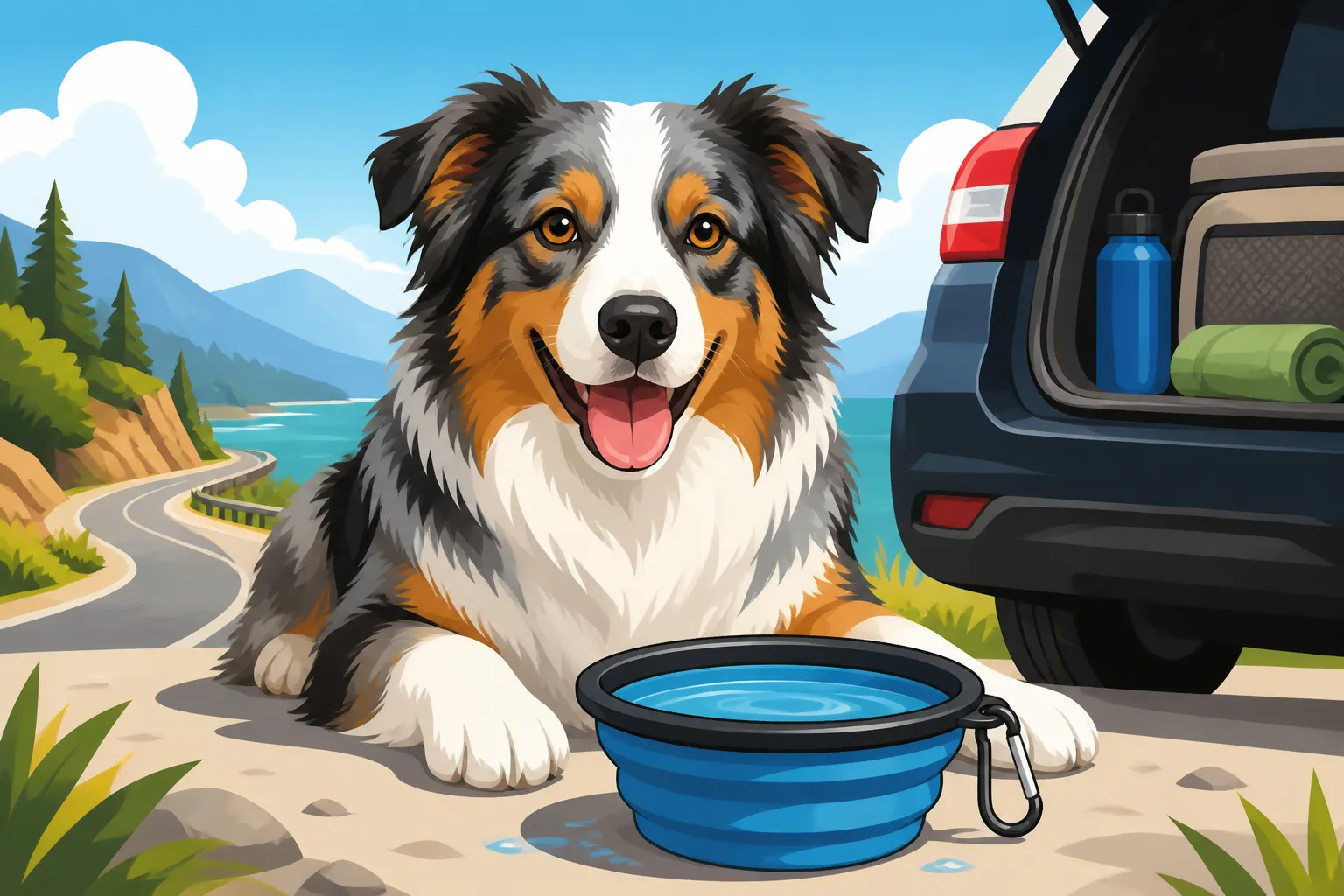
These are probably the most common travel bowls you'll see, and for good reason. They typically fold flat or collapse accordion-style into a small disc, making them incredibly space-saving. You can often clip them to a backpack or belt loop, which is super handy when you're on a long walk or hike and don't want to carry anything bulky. They’re usually made from food-grade silicone, which is easy to clean and doesn't hold odors. You can find a huge variety of sizes and colors on sites like Chewy or Amazon, making them an accessible choice for most budgets.
However, they're not without their drawbacks. Because they're so flexible, they can be a bit flimsy, especially if your Aussie is an enthusiastic drinker or if you're on uneven ground. A swift nudge from a wet nose or an accidental kick can send water flying, which isn't ideal inside your car or tent. While easy to clean, they need to be completely dry before collapsing and storing to prevent mildew growth, which can be tricky when you're on the go. I've definitely learned the hard way that a damp silicone bowl tossed into a backpack can lead to a less-than-pleasant surprise later!
Spill-Proof and Bottle-Attached Systems
If you're tired of cleaning up puddles in your vehicle, spill-proof designs are a game-changer. These often feature an inner lip or a floating disc that restricts the amount of water available at any one time, reducing splashes and spills, even with sudden stops or turns. They are fantastic for car travel, providing your Aussie access to water without you having to constantly monitor them.
Some clever designs even allow you to screw a standard water bottle directly onto a small bowl attachment. This is incredibly convenient because you can simply squeeze the bottle to fill the bowl and then release to drain any leftover water back into the bottle, minimizing waste and mess. The downside is that these systems usually have a smaller capacity, meaning you might need to refill them more frequently if your Aussie is particularly thirsty or if you have a longer journey. They also often require a specific bottle neck size, so your favorite reusable water bottle might not fit, which can be a minor annoyance.
Portable Water Bottles with Integrated Bowls
This is truly an all-in-one solution that many Aussie owners swear by for convenience. These products combine a water bottle and a drinking trough into a single unit. You simply press a button or flip a lever, and water flows from the bottle into the attached cup or tray. After your dog drinks, you can often press the button again to suck any remaining water back into the bottle, which is brilliant for conserving water on longer outings.
They come in various sizes, with larger capacities suitable for even the thirstiest Australian Shepherds. The best ones have a tight seal, preventing leaks in your bag. You can find many reputable options on platforms like Amazon, often with durable plastic or stainless steel components. The main considerations here are typically the capacity (do you need enough for a short walk or an Australian Shepherd Exercise at One to Two Hours a Day session?) and the ergonomic design for ease of use. While generally leak-proof, a poorly sealed lid or a faulty button can lead to unexpected wet spots, so reading reviews is always a good idea. For those using specialized diets, even if it's not a liquid diet like Ollie, remembering to keep water accessible is just as vital.
Here's a quick comparison of common travel water bowl types:
| Bowl Type | Pros | Cons | Best Use Case |
|---|---|---|---|
| Collapsible Silicone | Lightweight, compact, easy to clean | Flimsy, easily tipped, needs drying | Hiking, short walks, emergencies, backpack clips |
| Spill-Proof Car Bowl | Minimizes splashes, stable in vehicles | Bulkier, limited capacity, specific for cars | Road trips, car travel, crate hydration |
| Bottle-Attached Bowl | Reduces waste, hygienic, uses standard bottles | Limited capacity, specific bottle fit | Quick walks, short car rides, minimal space needed |
| Integrated Water Bottle | All-in-one, prevents waste, easy to operate | Capacity limits, potential for leaks if faulty | All-day adventures, long hikes, active outdoor trips |
Choosing the Right Bowl for Your Aussie's Adventures
Selecting the perfect travel water bowl isn't a one-size-fits-all decision. It truly depends on the specific adventures you and your Australian Shepherd embark on. Thinking through a few key factors will help you make the best choice.
Matching Capacity to Your Trip Length
This is probably the most critical factor. For a quick walk around the neighborhood, a small 8-10 ounce bottle-attached bowl might suffice. But if you're planning an all-day hike in the mountains, where your Aussie will be constantly on the move, you'll need significantly more. A general rule of thumb is that an active Australian Shepherd can drink anywhere from 0.5 to 1 ounce of water per pound of body weight per day, and often more in hot weather or during strenuous exercise. So, a 50-pound Aussie could easily need 25-50 ounces (around 0.7 to 1.5 liters) of water. If you're out for several hours, you need to account for a significant portion of that.
Consider whether you're bringing a single Aussie or if you have multiple dogs. A large, integrated water bottle system (think 25-30+ ounces) is a good starting point for a single active Aussie on a long outing. For multi-day trips or very remote locations, you might even consider carrying a larger hydration bladder for yourself with an extra supply for your dog, along with a lightweight collapsible bowl for serving. Running out of water when you're miles from a tap can quickly turn an enjoyable outing into a stressful situation. Remember, for high-energy breeds, hydration isn't optional; it's fundamental to preventing Spotting Heat Trouble in a Working Aussie.
Material, Durability, and Ease of Cleaning
The material of your travel bowl matters for both durability and hygiene.
- Silicone is great for portability and easy cleaning but can be flimsy.
- Hard Plastic bowls are durable and often come in spill-proof designs, but some plastics can retain odors over time or degrade with harsh sunlight. Always look for BPA-free options.
- Stainless Steel is incredibly durable, hygienic, and doesn't retain odors or flavors. However, stainless steel bowls are often heavier and less collapsible, making them less ideal for backpacking unless you find a very lightweight, single-wall version.
Regardless of the material, ease of cleaning is paramount. Your Aussie's bowl, just like yours, should be cleaned regularly to prevent bacterial growth. A simple rinse and wipe might work for quick breaks, but a thorough wash with soap and water is necessary after each use, especially if it's been sitting with water for a while. If you're camping, consider how easily you can scrub it out or if it's dishwasher-safe for when you get home. Grimy bowls aren't just unappealing; they can be a source of upset stomachs or other health issues.
Practicality: Storage and Transport
How and where you plan to carry the bowl will greatly influence your choice. If you're a minimalist hiker, a super-lightweight collapsible silicone bowl clipped to your backpack is ideal. If most of your travel is by car, a sturdier, spill-proof plastic bowl that fits perfectly in your back seat or attaches to a crate might be better. Some owners even invest in specialized car barriers or crates, and a stable water bowl is a crucial accessory for these setups. Australian Shepherd Car Barriers and Crates can give you ideas for secure travel.
Think about the dimensions when collapsed or empty. Will it fit in your purse, backpack side pocket, or glove compartment? Does it have a carabiner clip for easy attachment? For longer trips or when space is at a premium, a flat-folding fabric bowl (though these can be harder to clean) or a very compact silicone option might be preferable. Don't forget to consider its weight, especially if you're covering long distances on foot. Every ounce counts when you're trekking!
Keeping Your Australian Shepherd Hydrated Safely While Traveling
Providing the right gear is only half the battle; knowing how to use it effectively and safely is just as important. Hydration is key to keeping your Aussie performing at their best and avoiding health scares.
Scheduling Regular Water Breaks
Just like us, Aussies need consistent hydration, not just a massive drink after they've already pushed themselves to the limit. When you're on a road trip, make a point to stop every few hours, even if your dog isn't visibly panting. Offer water during potty breaks and allow them a few minutes to drink their fill. Don't rush them; some dogs like to sip slowly, especially if they're a bit anxious about being in a new place. For hikes or intense play sessions, offer water every 20-30 minutes, or even more frequently in hot weather. Your Aussie might be so focused on herding that squirrel or chasing that frisbee that they don't think to drink until they're dangerously thirsty. It's your job to remind them. Australian Shepherd Exercise in Summer Heat emphasizes the critical nature of these breaks.
A good trick is to carry a few small, high-value treats and offer them after a drink. This creates a positive association with water breaks, making your Aussie more likely to drink when offered. Don't force them to drink if they truly don't want to, but gently encourage them. Sometimes a small amount of water offered frequently is better than a huge gulp rarely.
Maintaining Water Quality and Safety
This is a big one. While it might seem convenient to let your Aussie lap from a communal dog park bowl or a stream you encounter on a trail, it's not always the safest choice. Shared bowls can harbor bacteria and viruses, and natural water sources, even seemingly clean ones, can contain parasites like Giardia or other contaminants.
The best practice is to always bring your own water from home. You know its source, and it's less likely to upset your Aussie's stomach. For longer trips or when carrying enough water isn't feasible, consider a portable water filter designed for camping, or even dog-specific water purification tablets. These can make questionable water sources much safer. Always carry enough water for both of you! If you wouldn't drink it, your Aussie shouldn't either. Remember to refill your bowl with clean water as often as possible.
Recognizing Signs of Dehydration
Even with the best intentions, dehydration can happen. It's crucial to know the signs so you can act quickly. Early detection can make all the difference.
Look for these indicators in your Australian Shepherd:
- Dry or tacky gums: Healthy gums are moist and slick.
- Loss of skin elasticity: Gently pinch the skin on their back or neck. If it doesn't snap back quickly, they could be dehydrated.
- Sunken eyes: Their eyes may appear dull or sunken.
- Lethargy or weakness: They might seem unusually tired, reluctant to move, or generally sluggish.
- Excessive panting or thick saliva: While panting is normal for Aussies, excessive panting without exertion, or very thick, ropey saliva, can be a sign of trouble.
If you suspect your Aussie is dehydrated, get them to a cool, shaded area immediately. Offer small amounts of water frequently. Don't let them gulp down a huge amount at once, as this can lead to vomiting or bloat. If they are severely dehydrated, or if symptoms worsen, seek veterinary attention without delay. Dehydration can quickly escalate into a medical emergency, especially when paired with heat stress. Being able to recognize these signs is part of being a responsible owner, and it pairs well with knowing about Spotting Heat Trouble in a Working Aussie more generally.
Remember, our Aussies give us their all, whether on the ranch, in the ring, or just on a walk around the block. Ensuring they stay properly hydrated is one of the easiest and most important ways we can give back to them.
Disclaimer
This article is for general informational purposes only and does not constitute professional advice. Laws, prices and regulations vary by location and change over time. Consult a qualified professional for guidance on your specific situation.