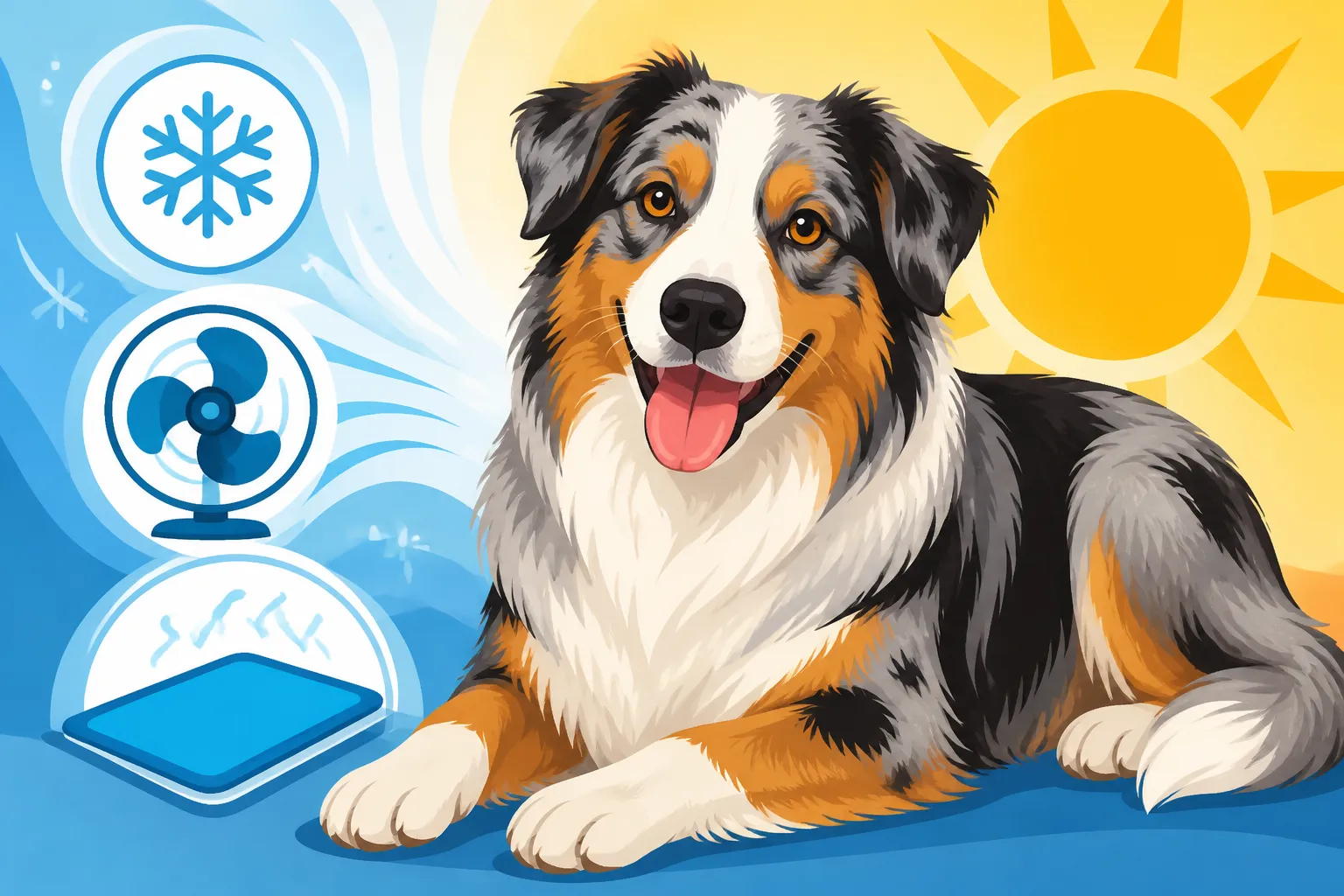
Keeping an Australian Shepherd Cool Under a Double Coat
The summer months can bring a unique kind of anxiety for Australian Shepherd owners. That glorious, thick double coat, which keeps them warm in the winter, suddenly feels like a heavy blanket when the temperatures soar. Many of us fret, watching our Aussies panting after even a short walk, wondering if they’re truly comfortable or silently suffering. This guide is here to walk you through everything you need to know about keeping your Australian Shepherd cool, from understanding their unique physiology to practical strategies and emergency care.
Understanding the Australian Shepherd's Double Coat
Before we dive into cooling strategies, it’s absolutely essential to understand the incredible engineering of your Australian Shepherd's coat. It’s not just fur; it's a sophisticated, multi-purpose system designed for thermoregulation and protection. Misunderstanding this can lead to well-intentioned but ultimately harmful decisions.
What the Double Coat Does
Your Aussie's coat is a marvel of natural design, perfectly adapted to a variety of climates. It consists of two distinct layers, each with its own crucial role. First, there's the dense, soft undercoat, which is closest to the skin. This layer acts as an insulator, trapping air and regulating body temperature. In winter, this trapped air provides warmth; in summer, it acts as a barrier against external heat, much like the insulation in your house keeps the inside cool. Think of it as a natural air conditioning system.
Above the undercoat are the coarser, longer guard hairs, forming the outer layer. These aren't just for show; they're tough, water-resistant, and provide vital protection against sun, dirt, burrs, and insect bites. This outer layer also helps air circulate to the undercoat, aiding in the cooling process. Many people mistakenly believe that such a thick coat must make a dog hotter, but in fact, it's designed to do the opposite by insulating them from the heat. It’s why you might see desert animals with surprisingly dense coats – it’s about heat reflection and insulation.
This unique combination allows the Australian Shepherd to adapt to both extreme cold and significant heat, provided the coat is healthy and well-maintained. It's a testament to their working heritage, where they needed to be comfortable and protected while herding livestock in varying weather conditions across vast distances. Understanding What the Undercoat Does on an Aussie is fundamental to proper care.
The Dangers of Shaving an Australian Shepherd
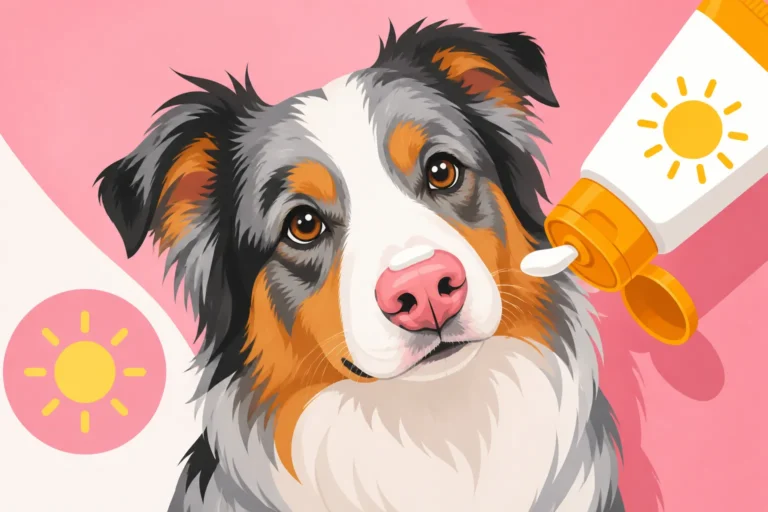
It's a common, heartbreaking misconception that shaving an Australian Shepherd in summer will make them cooler. In reality, it does the exact opposite and can cause a host of problems. When you shave off that protective double coat, you strip away their natural insulation. The undercoat, which helps to keep them cool by trapping air, is gone, and the guard hairs, which protect from UV rays, are removed. This leaves their delicate skin exposed to the sun, making them highly susceptible to sunburn.
Beyond sunburn, shaving can severely impact the future health and quality of their coat. The two layers of an Aussie's coat grow at different rates and have different textures. When shaved, the softer undercoat often grows back faster and thicker than the coarser guard hairs. This can lead to an imbalance, where the coat becomes even denser and less effective at shedding heat, essentially creating a woolly, matted mess that traps heat rather than releasing it. It also loses its natural protective qualities, becoming more prone to matting and skin irritations.
For some Aussies, especially those prone to allergies or skin sensitivities, shaving can even trigger issues like folliculitis (inflammation of the hair follicles) or patchy alopecia where the hair simply doesn't grow back correctly, if at all. This "coat funk" is a frustrating and often permanent consequence that can leave your dog looking uneven and feeling uncomfortable. This is why learning Why an Australian Shepherd Should Never Be Shaved is so critical.
Spotting the Signs of Overheating in Your Aussie
Australian Shepherds are incredibly stoic dogs, often pushing through discomfort to please their people or continue a task. This trait, while admirable, means you, as their owner, must be vigilant in recognizing the subtle and not-so-subtle signs that they're getting too hot. Waiting until they collapse is far too late.
Early Warning Signals
The earliest signs of an Aussie starting to overheat can be subtle, and it's easy to dismiss them if you're not paying close attention. The most common first indicator is excessive panting. While panting is how dogs cool themselves, an Aussie that is panting rapidly, loudly, or with more effort than usual after a moderate activity level might be struggling. Their gums might also appear a brighter red than normal, indicating increased blood flow as their body tries to dissipate heat.
Another key sign is lethargy or a noticeable decrease in energy, even if they're typically high-energy. Imagine you’re out on a hike, and your usually enthusiastic Aussie, who normally charges ahead, starts lagging behind, sniffing at every bush, and generally moving slower. They might be seeking out shade more frequently, stopping to lie down, or refusing to engage in play they usually love. They might also become less responsive to commands or seem a bit dazed. These are all subtle cues that their body is working harder than it should to cool itself.
Sometimes, an overheated Aussie might start drooling more than usual, their saliva becoming thick and ropey. They might also appear restless, unable to settle, shifting positions frequently as they try to find a more comfortable spot. If you notice these milder signs, it’s your cue to immediately intervene by getting them to a cooler location, offering water, and stopping all strenuous activity. Don't wait to see if it gets worse; act proactively.
Advanced Symptoms and Heatstroke
Ignoring the early warning signs can lead to a rapid progression to severe heatstroke, a life-threatening emergency. At this stage, the symptoms become much more alarming and demand immediate veterinary intervention. You might see your Australian Shepherd staggering, stumbling, or even collapsing outright. Their gait might become wobbly and uncoordinated, almost as if they are drunk.
Gums can change from a bright red to a dark, brick red, or even a bluish-purple if their oxygen levels are dropping. Vomiting and diarrhea are common, sometimes with blood, as internal organs begin to shut down. Their body temperature can soar well above the normal range, often exceeding 105 degrees Fahrenheit (40.5°C), and they might have a glazed look in their eyes. In the most severe cases, seizures can occur, or the dog may lose consciousness entirely.
If you observe any of these advanced symptoms, your Aussie is in critical danger. Every second counts. Do not try to cool them too rapidly with ice-cold water, as this can cause dangerous vasoconstriction. Instead, focus on immediate, gentle cooling and getting them to the nearest emergency veterinary clinic. Call ahead if possible, so the staff can be prepared for your arrival. Understanding Spotting Heat Trouble in a Working Aussie is paramount for any Aussie owner.
Proactive Strategies for Keeping Your Aussie Cool
Prevention is always better than cure, especially when it comes to heat-related illnesses in Australian Shepherds. Integrating simple, proactive strategies into your daily routine during warmer months can make all the difference in keeping your energetic companion safe and comfortable.
Timing and Location of Exercise
The single most impactful strategy is adjusting when and where you exercise your Australian Shepherd. Forget midday walks or intense play sessions when the sun is high and blazing. Instead, shift all strenuous activities to the cooler parts of the day. This typically means early morning, before the sun has had a chance to heat everything up, and late evening, once the sun has set and ambient temperatures have started to drop. Even a few degrees difference can significantly reduce the risk of overheating.
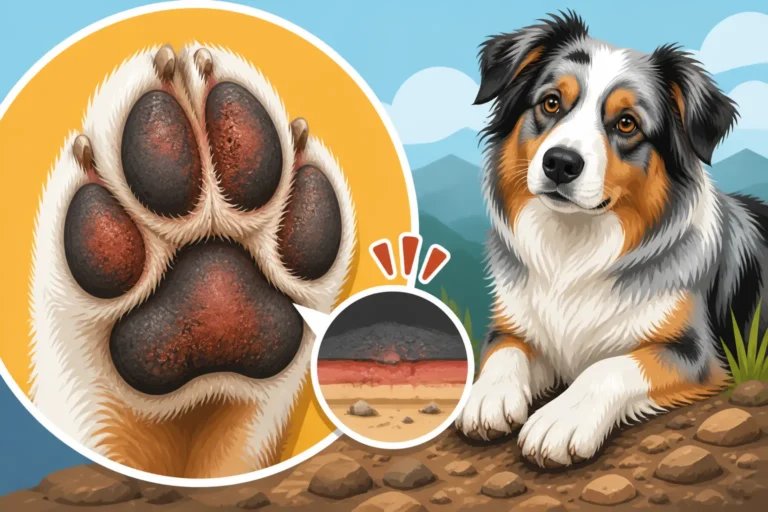
When planning your outings, consider the terrain. Avoid hot surfaces like asphalt, concrete, or sand, which can absorb and radiate heat, not only making the air around your dog hotter but also burning their sensitive paw pads. Seek out shaded walking paths, grassy parks, or even indoor facilities if available. Areas near bodies of water, even if you’re not swimming, can sometimes offer slightly cooler microclimates. Australian Shepherd Exercise in Summer Heat provides more detail on how to adapt their activity.
Always check the ground temperature with the back of your hand before heading out. If it's too hot for your hand to hold comfortably for five seconds, it's too hot for your dog's paws. Remember, your Aussie might push themselves because they love to work or play, so it's up to you to be the responsible one and cut activities short if conditions are marginal.
Hydration and Water Access
Just like humans, adequate hydration is non-negotiable for dogs, especially in warm weather. Always ensure your Australian Shepherd has access to fresh, cool water, both at home and when you're out and about. At home, consider having multiple water bowls in different locations, and add a few ice cubes to keep the water colder for longer. A dog fountain can also encourage them to drink more frequently, as many dogs are enticed by moving water.
When you leave the house, a portable water bottle with an attached bowl is an absolute must. Even for short walks, bring water along. Never assume you'll find a public water source, and communal dog bowls can sometimes harbor bacteria. Offer water frequently during walks and training sessions, not just when you notice them panting heavily. Small, frequent sips are often better than letting them gulp down a large amount all at once after becoming severely dehydrated.
You can also get creative with hydration. Many Aussies love ice cubes as a crunchy treat. Consider freezing diluted chicken or beef broth into ice molds or Kongs for a refreshing and hydrating snack. Some dogs enjoy frozen fruits like watermelon (seedless) or blueberries in moderation. Just be sure to always check if human foods are safe for dogs before offering them.
Providing Shade and Cool Resting Spots
Even if you're timing your exercise perfectly, your Aussie needs a cool place to rest and recover. If your Australian Shepherd spends time outdoors, ensure they have constant access to deep shade. A large shade tree is ideal, but if you don't have one, consider setting up a pop-up canopy, a shade sail, or even a dog house with good ventilation. Remember that the sun moves, so a spot that's shady in the morning might be in full sun by afternoon. Check regularly.
Indoors, air conditioning is your best friend. If you don't have AC, consider strategic use of fans. Place them low to the ground where your dog usually rests, or aim them at a damp towel your dog is lying on to create an evaporative cooling effect. Tiled floors in bathrooms or kitchens are often naturally cooler than carpeted areas and can be a favorite spot for an overheated Aussie to stretch out. Basements are also often significantly cooler than upper floors.
You can also create dedicated cool zones. A baby pool filled with a few inches of water (not too deep for safety) can be a fantastic way for them to cool off their paws and belly. Some dogs love to dig cool spots in the dirt, which, while messy, indicates a strong desire to cool down. Providing these options can greatly reduce the stress on their system during hot periods.
Cooling Gear and Tools That Actually Help
Beyond simply adjusting routines, there's a fantastic array of products available that can actively help your Australian Shepherd stay cool. Not all cooling gear is created equal, however, so it's important to choose items that genuinely work with their double coat rather than against it. Cooling Kit That Works Under an Aussie Coat is a great resource to explore further.
Cooling Vests and Bandanas
Cooling vests and bandanas work on the principle of evaporative cooling, mimicking the way sweat cools our own bodies. These items are typically made from special fabrics that retain water and then slowly release it through evaporation, drawing heat away from your dog's body. You simply soak the vest or bandana in cool water, wring it out, and then place it on your Aussie. As the water evaporates, it cools the dog's core temperature.
When choosing a cooling vest, look for one that covers a good portion of their back and chest, as these are areas where heat can dissipate effectively. Ensure it's not too tight or restrictive, allowing for good airflow. Bandanas are great for neck cooling, which helps cool blood circulating to the brain. They are particularly effective when paired with other cooling strategies and can be a lifesaver for short excursions or during breaks from activity.
You'll find many options on platforms like Amazon, offering a wide range of sizes, materials, and price points. Brands often specify how long their products stay cool, so look for those with longer cooling times for extended use. Remember to re-wet them as they dry out to maintain their effectiveness.
Elevated Beds and Mats
One of the simplest yet most effective cooling tools for an Australian Shepherd is an elevated dog bed. These beds lift your dog off the ground, allowing air to circulate freely underneath them. This prevents heat from radiating up from the floor and also allows for much better convection cooling around their entire body. They are particularly beneficial on patios, decks, or even indoors on carpeted floors that might trap heat.
Cooling mats are another excellent option, especially for indoor use. These mats often contain a gel that activates with pressure, absorbing and dissipating your dog's body heat. They don't require refrigeration or electricity, making them convenient to use anywhere. Your Aussie can simply lie down on it, and the mat provides a cool surface. Some mats offer hours of cooling before needing a "recharge" (simply taking pressure off for a bit).
When selecting an elevated bed or cooling mat, consider durability and ease of cleaning, especially for an active Aussie. Look for sturdy frames for elevated beds and puncture-resistant materials for gel mats. Having one available in their favorite resting spot can encourage them to use it and stay cooler.
Grooming for Thermoregulation
Proper grooming is not just about keeping your Aussie looking sharp; it's a critical component of their natural cooling system. During warmer months, and especially during their seasonal coat blow, a build-up of dead undercoat can trap heat and prevent proper air circulation. This is where regular, thorough brushing becomes paramount.
Utilize a good quality undercoat rake or deshedding tool to remove loose, dead fur. This thins out the undercoat layer just enough to allow air to flow closer to the skin, enhancing the coat’s natural insulating properties. You'll be amazed at how much hair comes out, and your Aussie will feel much lighter and cooler afterward. This process is crucial, especially during Brushing an Australian Shepherd Through Coat Blow.
Remember, the goal is to remove dead hair, not to cut or shave the live coat. A well-maintained double coat, free of mats and excessive dead hair, functions optimally as a thermal regulator. Your local pet supply store or online retailers like Chewy offer a fantastic selection of deshedding brushes and rakes. Invest in good tools, and learn to use them correctly, ensuring you get right down to the skin without irritating it. Regular grooming sessions with The Rake That Reaches an Aussie Undercoat can significantly improve your dog's comfort.
Adjusting Diet and Feeding for Warm Weather
What and when your Australian Shepherd eats can also play a role in their ability to cope with heat. Just as humans might prefer lighter meals in summer, subtle adjustments to your dog's diet can contribute to their overall comfort and hydration.
Hydrating Foods and Treats
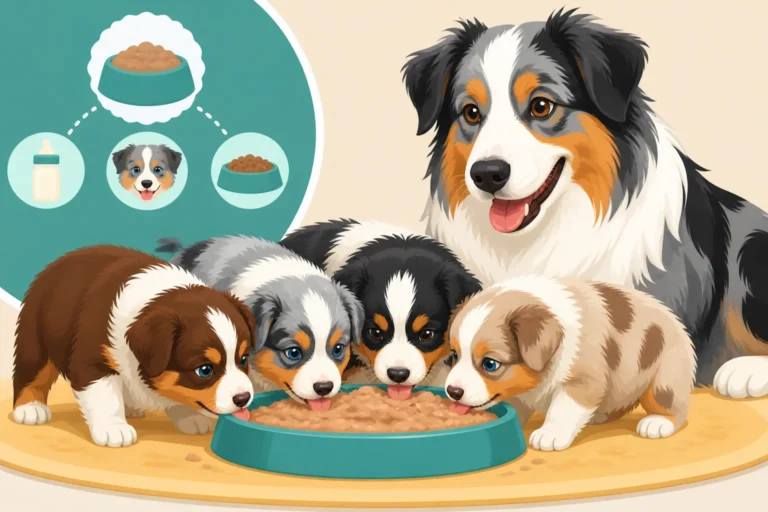
While kibble is a staple for many Aussies, you can increase their hydration by adding moisture to their meals. Mixing in a bit of warm water or unsalted, low-sodium chicken or beef broth to their dry food can make it more palatable and contribute to their daily fluid intake. Some owners even soak the kibble for a few minutes before serving, turning it into a softer, more hydrating meal.
Frozen treats are a fantastic way to both hydrate and provide mental enrichment during hot weather. As mentioned, ice cubes, frozen broth, or frozen pureed fruits and vegetables (like pumpkin, watermelon, or berries, always checking they're dog-safe and in moderation) can be delightful and cooling. You can stuff a Kong with a mixture of wet dog food and freeze it, providing a long-lasting, hydrating treat that keeps them busy and cool.
Consider also adding fresh, whole foods that are high in water content. If you feed commercial fresh dog food, services like Ollie provide convenient, pre-portioned meals that often have a higher moisture content than traditional kibble, which can be a bonus during hot spells. Always introduce new foods slowly to avoid upsetting their stomach.
Feeding Schedule Adjustments
The process of digestion itself generates body heat. In hot weather, feeding large meals during the hottest parts of the day can add to your Aussie's internal heat load, making them feel even more uncomfortable. Instead, consider adjusting their feeding schedule to coincide with cooler times.
If your Aussie normally eats two meals a day, try feeding the first meal earlier in the morning and the second meal later in the evening, when temperatures have dropped. If they tend to eat one large meal, splitting it into two smaller portions can also help, allowing their body to process food more easily without a sudden burst of metabolic heat generation.
For working Aussies or those with very high energy needs, you might even consider slightly adjusting the caloric density of their food during extreme heat, ensuring they still get enough nutrition without overworking their digestive system. Always monitor their body condition closely if making dietary changes, as you want to maintain their lean, muscular physique.
Emergency Measures for an Overheated Aussie
Despite all your best efforts, sometimes an Australian Shepherd can still become overheated, especially if they push themselves too hard or conditions change unexpectedly. Knowing how to respond quickly and effectively in an emergency can be the difference between a scary incident and a tragic one.
Immediate First Aid at Home
If you suspect your Australian Shepherd is overheating, the absolute first step is to get them out of the heat immediately. Move them to the coolest possible environment – a shaded area, an air-conditioned room, or near a fan. Your immediate goal is to lower their body temperature safely and steadily.
Apply cool (not ice-cold) water to their body, focusing on areas with less fur and high blood flow, such as their paw pads, belly, armpits, and groin. You can use a hose on a gentle setting, wet towels, or simply a cup of water. Gently massage these areas to help circulate the blood and dissipate heat. A fan directed at these damp areas will further aid evaporative cooling. Do NOT submerge them in ice water, as this can cause blood vessels to constrict, trapping heat inside their body and potentially leading to shock.
Offer small amounts of cool water (not ice water) for them to drink, but don't force it. If they are disoriented or vomiting, they may aspirate the water, making matters worse. Continue these cooling efforts for about 10-15 minutes, or until you see some improvement in their breathing and alertness. However, understand that this is only first aid.
When to Seek Veterinary Attention
Even if your Australian Shepherd seems to recover after initial first aid, it's crucial to seek veterinary attention immediately if they showed any signs of severe heatstroke (staggering, dark gums, vomiting, collapse, etc.). Heatstroke can cause internal organ damage that isn't immediately visible, and complications can arise hours or even days later.
Call your vet or the nearest emergency animal hospital on your way, so they can prepare for your arrival. Inform them that your dog is suffering from suspected heatstroke. This allows them to get an IV ready and have cooling protocols in place. They will likely continue cooling measures, monitor their temperature, check for organ damage (especially kidneys and liver), and provide IV fluids to combat dehydration and support organ function.
Don't ever underestimate the severity of heatstroke in an Australian Shepherd. Their willingness to work and play combined with their thick coat makes them particularly vulnerable. It's far better to err on the side of caution and have them checked out by a professional than to risk irreversible damage or loss. You can find more specific advice on emergency situations by looking up Australian Shepherd Drug Reactions at the Emergency Vet.
Common Misconceptions and What to Avoid
In the quest to keep our beloved Aussies cool, it's easy to fall prey to common myths or misunderstandings. Avoiding these pitfalls is just as important as implementing effective cooling strategies, as some well-intentioned actions can actually cause more harm than good.
The Shaving Myth Revisited
Let's circle back to this one, because it's arguably the most prevalent and damaging myth surrounding double-coated breeds in hot weather. Many people firmly believe that shaving an Australian Shepherd will make them feel significantly cooler, seeing it as the canine equivalent of wearing shorts and a t-shirt. However, as we discussed, this couldn't be further from the truth.
Shaving disrupts the sophisticated natural insulation system that their double coat provides. That dense undercoat acts as a thermal barrier, protecting them from both cold and heat. Removing it leaves their skin exposed to the sun's harsh UV rays, leading to painful sunburn, increased risk of skin cancer, and potential damage to hair follicles that can result in improper regrowth. The outer guard hairs also protect against bugs and minor abrasions, a layer also removed by shaving.
When the coat grows back, it often comes in patchily, with the softer undercoat overtaking the coarser guard hairs. This new, imbalanced growth can actually make the dog hotter by creating a woolly texture that traps heat and is more prone to matting, further impairing airflow. Instead of shaving, focus on meticulous grooming to remove dead undercoat, which allows their natural cooling system to function as it should. Why a shaved Aussie coat grows back right is a common concern that often highlights the negative impact of shaving.
Over-Reliance on Water Play
Water can be a fantastic way to cool down an Aussie, especially swimming, which is great low-impact exercise. However, an over-reliance on water play without proper precautions can lead to other issues. For instance, allowing your Aussie to spend too much time in water without breaks can lead to exhaustion, especially if they are fighting currents or getting over-excited.
Furthermore, a perpetually damp undercoat can create a breeding ground for skin infections, particularly hot spots, which are painful, rapidly spreading bacterial skin infections. After any swimming or water play, it's crucial to thoroughly dry your Australian Shepherd, especially deep down to their skin, using towels and ideally a powerful dog dryer. This prevents moisture from being trapped against their skin, which can quickly lead to irritation. Aussie Coat Care After Swimming in a Lake delves into the importance of post-swim grooming.
Another concern, particularly in very enthusiastic water dogs, is water intoxication (hyponatremia). This occurs when a dog ingests too much water too quickly, diluting their electrolyte balance. While rare, it's a serious condition. If your Aussie is constantly fetching toys from water and ingesting large amounts, watch for signs like bloating, lethargy, vomiting, and loss of coordination. Encourage breaks and ensure they're drinking from a bowl too.
Ignoring the "Working Dog" Instincts in Heat
Australian Shepherds are bred to work, and this drive runs deep. They are intelligent, eager to please, and possess incredible stamina. While these are wonderful traits, they can also be a liability in hot weather. An Aussie’s instinct to continue working, playing, or pleasing you can override their body's signals of distress. They might continue to chase a disc or herd a ball long after they should have stopped, purely out of their innate desire to perform.
As their guardian, it's your responsibility to be the one who calls it quits, even if they seem like they could go on. Don't wait for your Aussie to show obvious signs of struggle; by then, they might already be in trouble. Set strict time limits for exercise in warm conditions, take frequent breaks in the shade, and always prioritize their well-being over a few more throws of the frisbee.
Be particularly mindful of An Aussie That Will Not Stop Fetching. These dogs often have an "off switch" that needs to be trained and enforced by the owner. It means you have to be more disciplined than your dog! Your Aussie loves you and loves to work, but they rely on your judgment to keep them safe from the unseen dangers of overheating.
Cooling Strategies vs. What to Avoid
Here's a quick summary to help you keep track of effective cooling methods and common mistakes to steer clear of when caring for your Australian Shepherd in warm weather.
| Strategy / Item | What to Do | What to Avoid |
|---|---|---|
| Coat Care | Regular, thorough brushing to remove dead undercoat (especially during coat blow). | Shaving your Australian Shepherd's double coat (leads to sunburn, improper regrowth, and reduces natural insulation). |
| Exercise | Restrict exercise to early mornings and late evenings. Choose shaded areas and grassy surfaces. | Midday walks, intense play on hot pavement or asphalt. |
| Hydration | Provide constant access to fresh, cool water. Use portable water bottles on walks. Offer frozen treats. | Forcing large amounts of water if dog is disoriented. Only offering water when dog is severely dehydrated. |
| Resting Spots | Ensure access to deep shade outdoors. Provide elevated beds and cooling mats. Utilize AC and fans indoors. | Leaving dog outside in full sun without escape. Allowing dog to lie on hot surfaces for extended periods. |
| Cooling Gear | Use evaporative cooling vests and bandanas. | Relying solely on these without other precautions. Using ice packs directly on skin for too long. |
| Water Play | Supervised swimming. Ensure thorough drying after water activities. | Prolonged water retrieval without breaks (risk of water intoxication). Leaving coat damp, promoting skin issues. |
| Diet | Add moisture to kibble. Feed during cooler parts of the day. Offer hydrating frozen fruits/broth. | Large, heavy meals during peak heat. Feeding new foods without checking for dog safety. |
| Monitoring | Vigilantly watch for early signs of panting, lethargy, seeking shade. | Ignoring subtle cues. Waiting for severe symptoms like staggering or collapse. |
Disclaimer
This article is for general informational purposes only and does not constitute professional advice. Laws, prices and regulations vary by location and change over time. Consult a qualified professional for guidance on your specific situation.