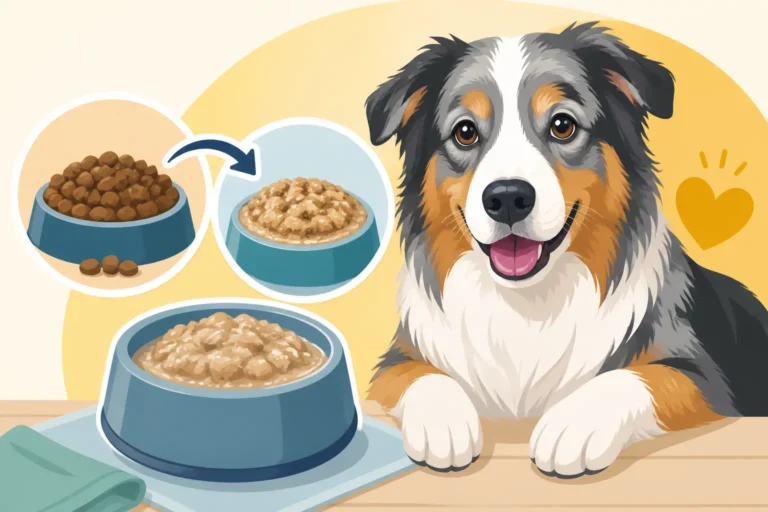
Joint Diets for a Retired Working Aussie
It's incredibly tough to watch our once-boundless Australian Shepherds, who lived for work and movement, start to slow down. Their joints ache, their energy isn't what it used to be, and suddenly, their diet needs to shift dramatically from fuel for high performance to comfort and maintenance. This guide is here to help you navigate the nutritional changes required for your retired working Aussie, ensuring they enjoy their golden years with as much comfort and vitality as possible.
Understanding the Nutritional Shift for a Retired Australian Shepherd
When your Australian Shepherd transitions from an active working dog—whether herding, competing in agility, or simply being your incredibly energetic companion—to a more sedate retirement, their body's needs change significantly. It's not just about less activity; their metabolism shifts, their organ function can change, and the wear and tear on their joints becomes more pronounced. Ignoring these changes can lead to unintended weight gain, increased discomfort, and a host of other health issues that no one wants for their beloved companion.
Why Calorie Requirements Drop Dramatically
Think about a working Aussie's daily routine: miles of running, quick turns, intense focus, bursts of speed, and hours of mental engagement. All of that burns an incredible amount of calories. Now, picture your retired Aussie. While they still need activity, it's likely much gentler and shorter in duration—perhaps a leisurely walk, some gentle play in the yard, or a sniffy adventure around the block. That dramatic drop in energy output means their caloric intake needs to decrease just as dramatically. If you keep feeding them the same quantity of high-performance kibble they thrived on as a young working dog, you'll quickly find them packing on the pounds. Extra weight puts immense strain on already aging joints, exacerbating conditions like arthritis. You need to be diligent about Feeding an Aussie Once the Work Stops and really assess their new activity level.
The Importance of Lean Muscle Mass
Even though their activity levels decrease, maintaining lean muscle mass is crucial for a retired Aussie. Muscle supports joints, helps with balance, and contributes to overall strength, which becomes even more important as they age. A diet that's too low in protein, or provides poor quality protein, can lead to muscle wasting, making them weaker and more prone to injury or falls. We're looking for quality, highly digestible protein sources to help them maintain that vital muscle without contributing to excessive weight gain. This isn't about feeding them less protein, but often different protein, possibly in a different proportion relative to their new calorie needs.
Addressing Inflammation and Joint Health Proactively
The biggest concern for many retired working Aussies is the cumulative impact on their joints. Years of high-impact activities, sharp turns, and strenuous work often lead to conditions like osteoarthritis. Their diet becomes a powerful tool to manage inflammation and support cartilage health. This means looking beyond just calories and protein to specific nutrients that act as anti-inflammatories or building blocks for joint tissue. It’s about proactively nourishing their joints, not just reacting when discomfort becomes obvious. This dietary approach can really complement other care strategies mentioned in Australian Shepherd Arthritis After Years of Work.
Key Ingredients and Nutrients for Joint Health
When you’re looking at food for your senior, retired Australian Shepherd, you need to become a label detective. Beyond the guaranteed analysis of protein, fat, and fiber, there are specific ingredients that can make a profound difference in their joint comfort and mobility.
Glucosamine and Chondroitin: The Cartilage Builders
These two are practically household names in joint supplements, and for good reason. Glucosamine is an amino sugar that plays a vital role in building and repairing cartilage, the cushion between bones. Think of it as the raw material for healthy joint structure. Chondroitin sulfate is a complex carbohydrate that helps maintain the elasticity and water retention of cartilage, acting like a shock absorber. It also helps inhibit enzymes that break down cartilage. When combined, they are believed to work synergistically. Many senior dog foods will include these as standard, often derived from shellfish (glucosamine) or bovine/porcine cartilage (chondroitin). For a retired working Aussie, especially one showing signs of stiffness, these aren't just a bonus; they're often a necessity in their daily intake.
Omega-3 Fatty Acids: Nature's Anti-Inflammatories
Omega-3 fatty acids, particularly EPA (eicosapentaenoic acid) and DHA (docosahexaenoic acid), are powerful natural anti-inflammatories. They work by modulating the body's inflammatory response, which can significantly reduce joint pain and stiffness. Sources like fish oil (salmon, mackerel, sardines), krill oil, and sometimes even plant-based options like flaxseed oil (though the conversion to EPA/DHA is less efficient in dogs) are excellent. Look for foods that list specific fish oils high up in the ingredient list, or consider adding a high-quality omega-3 supplement if your chosen food doesn't provide enough. The difference in their comfort can be quite noticeable with consistent intake of these beneficial fats.
Antioxidants: Fighting Cellular Damage
Antioxidants are like the body's little clean-up crew, neutralizing harmful free radicals that can cause cellular damage, including within joint tissues. Ingredients like Vitamin E, Vitamin C, selenium, and compounds found in fruits and vegetables (e.g., blueberries, spinach, sweet potatoes) can help protect cells from oxidative stress and reduce inflammation. While not directly building cartilage, they support the overall health of the body, creating a better environment for joint repair and reducing the factors that contribute to degeneration. Many high-quality senior diets will fortify their formulas with a blend of these antioxidants.
Choosing the Right Joint-Supportive Diet
Selecting the right food for your retired Aussie can feel overwhelming with all the options out there. It’s not just about what sounds good, but what genuinely supports their changing body.
Commercial Senior Formulas vs. Specialized Joint Diets
Most major pet food brands offer "senior" formulas. These are typically lower in calories and often contain moderate levels of glucosamine and chondroitin, along with a good antioxidant package. They're a solid starting point for many retired Aussies. However, if your dog has significant arthritis or a history of joint issues, you might need to explore specialized "joint support" or "mobility" diets. These formulas, often available through veterinary recommendation, contain much higher concentrations of joint-supporting nutrients and sometimes include additional ingredients like green-lipped mussel, collagen, or hyaluronic acid, all known for their benefits to cartilage and synovial fluid. Check out what's available through retailers like Chewy or Amazon, but always consult your vet for personalized advice, especially for prescription-level joint diets.
| Nutrient/Ingredient | Primary Benefit for Joints | Common Sources | Important Considerations |
|---|---|---|---|
| Glucosamine | Cartilage repair and formation | Shellfish (shrimp, crab), bovine cartilage | Needs consistent intake; often paired with chondroitin |
| Chondroitin Sulfate | Cartilage elasticity, hydration, inhibits breakdown enzymes | Bovine/porcine cartilage | Works synergistically with glucosamine; important for shock absorption |
| Omega-3 Fatty Acids | Reduces inflammation, decreases pain and stiffness | Fish oil (salmon, mackerel, sardines), krill oil, flaxseed oil | EPA and DHA are key; check for quality and freshness |
| Antioxidants | Protects cells from oxidative damage, reduces inflammation | Vitamins E & C, selenium, blueberries, spinach, sweet potato, turmeric | Supports overall joint health and recovery |
| Green-Lipped Mussel | Anti-inflammatory, source of glucosamine, chondroitin, omega-3s | New Zealand green-lipped mussel | Comprehensive joint support; often found in higher-end joint supplements |
| Methylsulfonylmethane (MSM) | Reduces pain and inflammation, supports connective tissue | Naturally occurring sulfur compound | Often combined with glucosamine/chondroitin; supports comfort |
The Appeal of Fresh or Home-Cooked Options
For some owners, the idea of a fresh or home-cooked diet for their retired Aussie is very appealing, allowing for precise control over ingredients. Services like Ollie offer fresh, pre-portioned meals that can be customized to your dog's age and health needs, often including joint-friendly ingredients. If you choose to home-cook, it's absolutely crucial to work with a veterinary nutritionist to ensure the diet is complete and balanced. Simply mixing chicken and rice won't cut it. A properly balanced homemade diet can be rich in whole-food sources of protein, healthy fats, and antioxidants, and allows for the precise addition of joint supplements. However, it requires careful planning to avoid deficiencies that could actually harm your dog's health in the long run.
Weight Management: The Unsung Hero of Joint Health
No matter what ingredients are in the food, managing your Aussie’s weight is paramount. Even the best joint-supportive diet won't counteract the detrimental effects of excess weight on arthritic joints. Regularly check your dog's body condition score—you should be able to feel their ribs easily without pressing hard, and they should have an obvious waist when viewed from above. If they're carrying extra pounds, even a few, discuss a weight loss plan with your vet. This might involve further reducing calories, increasing gentle exercise (within their comfort limits), or selecting a specific weight-management formula that's also joint-supportive. Remember, How Weight Multiplies the Load on Aussie Joints is a critical factor in their comfort.
Supplements and Complementary Therapies
Sometimes, even with an excellent joint-supportive diet, your retired Australian Shepherd might need an extra boost. Supplements and other complementary therapies can work alongside their food to provide maximum comfort and mobility.
Oral Joint Supplements: When Food Isn't Enough
While many senior diets include glucosamine, chondroitin, and omega-3s, the amounts might not be therapeutic enough for an Aussie with established arthritis. This is where dedicated oral supplements come in. There are countless options on the market, ranging from chews to powders and liquids. Look for reputable brands that clearly state the active ingredients and their concentrations. Your veterinarian can guide you on appropriate dosages and specific products. Some excellent options might contain additional ingredients like MSM (Methylsulfonylmethane), hyaluronic acid, or avocado soybean unsaponifiables (ASU), which have all shown promise in supporting joint health and reducing inflammation. Always introduce supplements gradually and monitor your dog for any changes.
The Role of Fish Oil Beyond the Kibble
Even if your dog's food contains some omega-3s, supplementing with additional fish oil can be hugely beneficial, especially for a dog with active inflammation. Liquid fish oil supplements, again from reputable brands, allow for precise dosing based on your vet's recommendation. It's not just about joint health; omega-3s also support skin and coat health, cognitive function, and cardiovascular health, making them a fantastic all-around supplement for senior dogs. Just be sure to store fish oil properly to prevent oxidation, which can render it ineffective and even harmful.
Beyond Diet: Physical Therapy and Other Supports
Diet is a cornerstone of joint health, but it's not the only piece of the puzzle. Consider complementary therapies to further enhance your retired Aussie's quality of life. Hydrotherapy (swimming or underwater treadmill) can provide low-impact exercise that builds muscle without stressing joints. Canine massage can improve circulation and reduce muscle stiffness. Acupuncture has shown benefits for pain management in many arthritic dogs. Even simple changes at home, such as providing orthopedic beds, ensuring non-slip surfaces, and using Mobility Aids for an Old Australian Shepherd like ramps or supportive harnesses, can make a huge difference. Regular, gentle exercise is still important to keep joints moving and muscles strong, but always adapt it to your Aussie's comfort level and never push them past their limits. And remember, How Often a Ten Year Old Aussie Needs Checking by your vet is crucial to stay on top of their evolving needs.
Disclaimer
This article is for general informational purposes only and does not constitute professional advice. Laws, prices and regulations vary by location and change over time. Consult a qualified professional for guidance on your specific situation.