Australian Shepherd Arthritis After Years of Work
It’s heartbreaking to watch our once-vigorous Australian Shepherds, dogs who lived for movement and work, start to slow down. The stiffness after a nap, the hesitation before jumping into the car, or the reluctance to chase a ball they once adored – these are often the subtle, insidious signs of arthritis setting in. This comprehensive guide will walk you through understanding, recognizing, and managing arthritis in your beloved working Aussie, helping you provide them with comfort and a good quality of life as they age.
Understanding Arthritis in Active Australian Shepherds
Arthritis, or osteoarthritis, is a progressive and degenerative joint disease that can profoundly impact the quality of life for any dog, but especially for highly active breeds like the Australian Shepherd. These incredible dogs are often bred for intense physical work, whether herding, excelling in agility, or simply being tireless companions on long hikes. All that dedication, however, can come at a cost to their joints over time.
The Wear and Tear on Working Joints
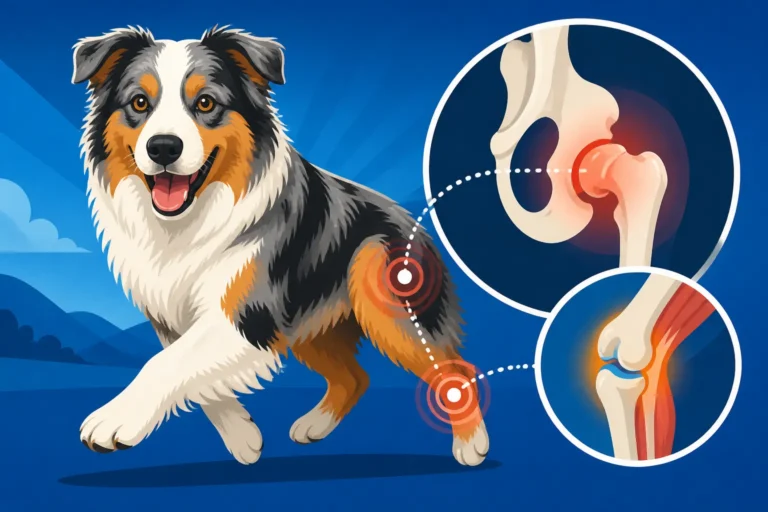
Think about the sheer number of repetitions, the quick turns, the explosive jumps, and the sudden stops an Australian Shepherd performs over years of activity. Each of these actions, while natural for their breed, places significant stress on their cartilage, ligaments, and bones. Cartilage, the smooth, protective tissue cushioning the ends of bones in a joint, is designed to absorb shock and allow for frictionless movement. With constant impact and stress, this cartilage can begin to thin, fray, and even erode.
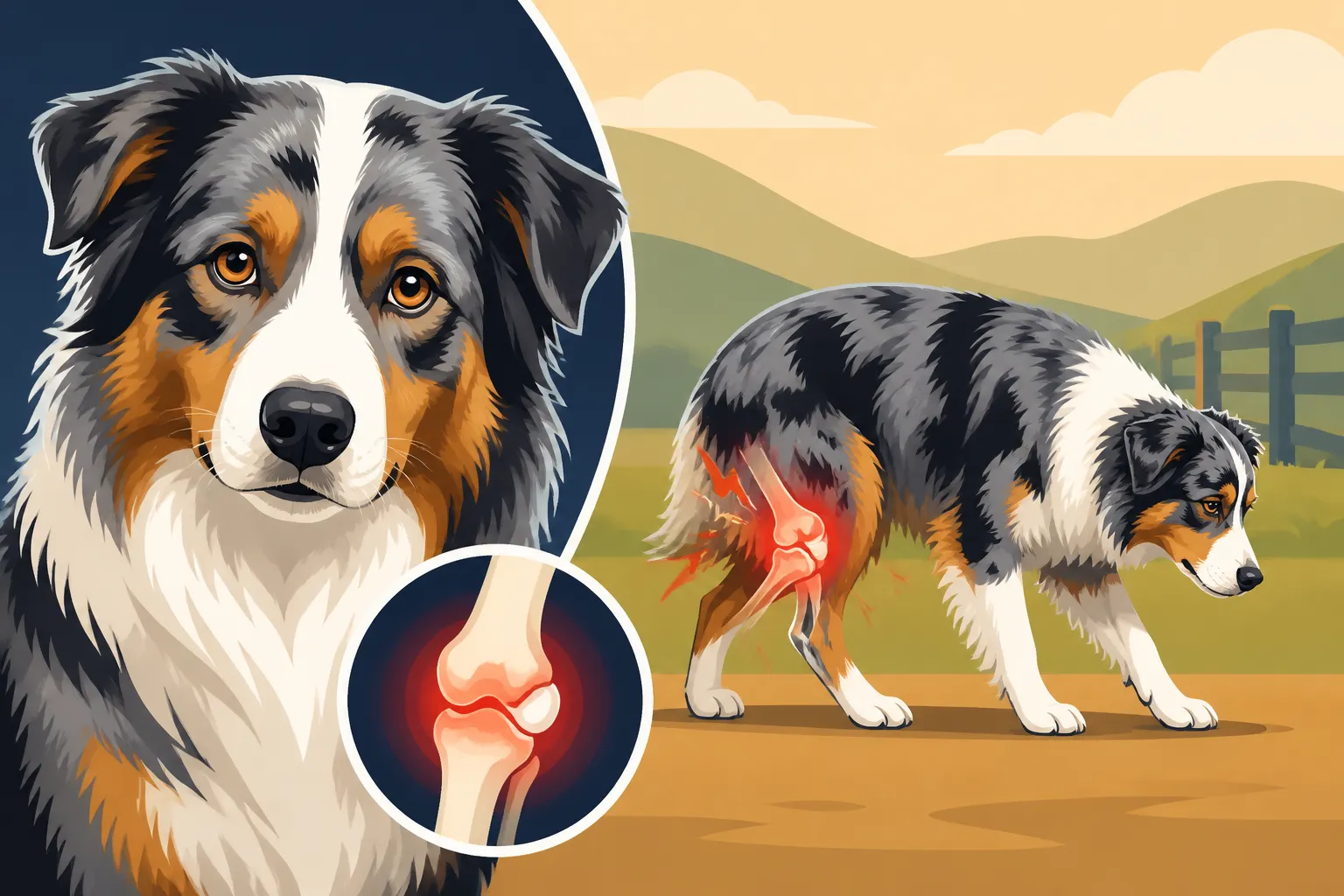
Once the cartilage is damaged, the bones start rubbing against each other, leading to pain, inflammation, and the body's attempt to repair itself by growing new bone, often in the form of osteophytes or bone spurs. This creates a vicious cycle where movement becomes painful, leading to less movement, which in turn can cause muscles to atrophy and joints to stiffen further. Many owners notice their Aussie seems "stiff after a career in agility" or feels generally sore after a long day, which is a tell-tale sign of this cumulative wear and tear taking its toll.
Genetic Predispositions and Breed Specifics
While any dog can develop arthritis, Australian Shepherds, like many medium to large breeds, have certain genetic predispositions that can increase their risk. Conditions like Australian Shepherd Hip Dysplasia and Working Joints and Aussie Elbow Dysplasia From Hard Turning are hereditary orthopedic issues that can lay the groundwork for early-onset arthritis. Even if a dog doesn't show severe symptoms in their youth, these structural abnormalities mean their joints aren't as perfectly aligned or formed, leading to uneven wear and tear that accelerates the development of arthritis later in life.
Responsible breeders conduct extensive health screenings to try and minimize these risks, but no screening can guarantee a dog will be entirely free from joint issues, especially given the demands of an active lifestyle. Understanding your dog's lineage and any history of joint problems in their family can give you a head start in monitoring their health and implementing preventative measures.
The Role of Inflammation in Joint Degeneration
Inflammation isn't just a symptom of arthritis; it's a key player in its progression. When joint tissues are damaged, whether from acute injury or chronic wear, the body's immune system sends inflammatory cells to the area. While this initial response is meant to heal, chronic low-grade inflammation within the joint capsule actually causes further damage to cartilage and other joint structures.
This persistent inflammation releases enzymes that break down cartilage, exacerbating the degenerative process. It also contributes to the pain and stiffness your Australian Shepherd experiences. Managing this inflammatory response is crucial for slowing the progression of arthritis and improving your dog's comfort. This is where a multi-modal approach, combining various therapies, becomes vital in giving your Aussie the best possible outcome.
Recognizing the Signs of Arthritis
Spotting arthritis in a high-drive, stoic breed like the Australian Shepherd can be tricky. They often try to push through discomfort, especially when there's a "job" to do, making their pain less obvious than in some other breeds. It’s up to us, their devoted owners, to be observant and attuned to subtle shifts in their behavior and movement.
Subtle Changes in Movement and Behavior
One of the first things you might notice isn't overt lameness, but a general decrease in enthusiasm or a slight alteration in how your Aussie moves. Perhaps they're a little slower to get up after resting, or they might seem hesitant to take the stairs or jump onto the sofa, activities they used to perform with ease. You might notice them "growing pains in a six month old Aussie", but with arthritis, these growing pains appear in adulthood.
Look for changes in their gait – maybe they take shorter strides, shift their weight more to one side, or hold a limb slightly differently when walking. Their once fluid, powerful movements might now appear stiff or slightly clumsy. They might lag a bit on walks, where they used to be out in front, or show less interest in games of fetch that were once their absolute passion. These subtle hints often precede more obvious signs of pain.
Visible Symptoms and Pain Indicators
As arthritis progresses, the signs become more apparent. You might start seeing a noticeable limp, especially after exercise or when they've been resting for a while. Your Aussie might visibly flinch or vocalize when certain areas are touched, particularly around their hips, elbows, or spine. Muscle atrophy, a thinning of the muscle mass around the affected joint, can become visible over time as they use the limb less.
Other indicators of pain include excessive licking or chewing at a particular joint, restlessness, or difficulty finding a comfortable position to lie down. Some Aussies might become more irritable or reactive when in pain, potentially snapping or growling if handled incorrectly. If your dog, who once reveled in running, now limps after light play or avoids activity entirely, it's a strong signal that it's time to seek veterinary advice.
Differentiating Arthritis from Other Ailments
It's important to remember that not all stiffness or lameness points directly to arthritis. Other conditions, such as soft tissue injuries (like cruciate tears in a working Australian Shepherd), neurological issues, or even other musculoskeletal diseases, can present with similar symptoms. This is why a thorough veterinary examination is crucial.
For instance, a dog with a torn cruciate ligament might suddenly become severely lame, whereas arthritis usually has a more gradual onset. A neurological issue might cause weakness or incoordination that can be mistaken for joint pain. Even something as simple as a paw injury could cause lameness. Your vet will conduct a comprehensive physical exam, evaluate your Aussie's gait, and discuss their full medical history to rule out other possibilities and accurately pinpoint the cause of their discomfort.
Diagnosis and Veterinary Consultation
Once you suspect your Australian Shepherd might be suffering from arthritis, scheduling a veterinary appointment is the most important next step. Early diagnosis is key to implementing effective management strategies and slowing the progression of the disease, ultimately improving your dog's comfort and quality of life.
The Importance of a Thorough Physical Exam
When you bring your Aussie to the vet, they will start with a comprehensive physical examination. This isn't just a quick once-over. Your vet will carefully palpate each joint, feeling for swelling, warmth, and pain response. They will assess your dog’s range of motion, gently flexing and extending their limbs to identify limitations or discomfort. They'll also observe your dog walking and moving, often asking you to demonstrate any behaviors you've noticed at home.
During this exam, your vet will also check for muscle atrophy, assess your dog's overall body condition, and listen to their heart and lungs. This holistic approach ensures that any other underlying health issues that could be contributing to or exacerbating the joint pain are identified. They might also discuss your dog’s activity level, diet, and any medications or supplements they are currently taking.
Diagnostic Imaging: X-Rays and Beyond
To confirm the diagnosis of arthritis and assess its severity, your veterinarian will likely recommend diagnostic imaging, primarily X-rays. X-rays can reveal characteristic changes associated with arthritis, such as:
- Joint space narrowing: indicating cartilage loss.
- Osteophytes (bone spurs): new bone growth around the joint edges.
- Sclerosis: increased bone density below the cartilage.
- Joint effusions: fluid accumulation within the joint capsule.
For conditions like Australian Shepherd Hip Dysplasia and OFA Scoring, X-rays are paramount for diagnosis and grading. Sometimes, more advanced imaging like MRI or CT scans might be suggested, especially if the pain source is complex, involves the spine, or if surgical intervention is being considered. These provide a more detailed view of soft tissues and subtle bone changes. Your vet might also recommend blood tests to rule out other inflammatory conditions or to establish baseline organ function before starting certain medications.
Early Intervention and Prognosis
Receiving an early diagnosis of arthritis, though disheartening, is actually a gift. The sooner you begin a management plan, the better the chances of slowing the disease's progression and maintaining your Australian Shepherd's comfort and mobility for longer. While arthritis is not curable, it is manageable.
The prognosis for an arthritic Australian Shepherd depends on the severity of the disease at diagnosis, the specific joints affected, and how consistently the management plan is followed. With a proactive approach, many Aussies can continue to enjoy a good quality of life for years, even if their competitive working days are behind them. This is where having something like pet insurance, such as Healthy Paws, can be incredibly beneficial, as it can help cover the costs of these diagnostic tests and ongoing treatments, ensuring your dog gets the best care without financial strain.
Managing Arthritis Pain and Progression
Once your Australian Shepherd has been diagnosed with arthritis, the focus shifts to comprehensive management. This isn't a one-size-fits-all approach; it usually involves a combination of medication, lifestyle adjustments, and therapeutic interventions tailored to your dog's specific needs and the severity of their condition.
Pharmacological Treatments and Pain Management
Pain relief is often the first priority to improve your Aussie's comfort. Non-Steroidal Anti-Inflammatory Drugs (NSAIDs) are commonly prescribed for dogs with arthritis. Brands like Rimadyl, Metacam, or Galliprant can significantly reduce pain and inflammation, allowing your dog to move more freely. However, NSAIDs require careful monitoring due to potential side effects on the kidneys, liver, and gastrointestinal tract. Regular blood work will be necessary to ensure your dog is tolerating the medication well.
In addition to NSAIDs, your vet might consider other pain medications. Gabapentin can be effective for neuropathic pain or as an adjunct pain reliever. Amantadine is another option that can help with chronic pain. For more severe cases, or when NSAIDs are not sufficient or well-tolerated, corticosteroid injections directly into the joint can provide temporary relief, though these are typically reserved for specific situations due to potential long-term side effects. Always discuss these options thoroughly with your vet to determine the safest and most effective pharmaceutical plan for your unique Australian Shepherd.
Alternative Therapies and Supplements
Many owners find great success incorporating alternative therapies and supplements into their Australian Shepherd's arthritis management plan. These can complement traditional medications, sometimes reducing the dosage of NSAIDs needed.
- Nutraceuticals: Joint supplements containing glucosamine, chondroitin, and MSM are very popular. These ingredients are believed to help support cartilage health and reduce inflammation. Omega-3 fatty acids, particularly EPA and DHA found in fish oil, are powerful natural anti-inflammatories. When considering starting joint support on a young working Aussie, these supplements are often recommended proactively.
- Acupuncture: This ancient practice can provide pain relief by stimulating nerve points and releasing natural endorphins. Many veterinary acupuncturists specialize in canine pain management and can offer significant comfort.
- Laser Therapy (Photobiomodulation): Low-level laser therapy can reduce pain and inflammation and accelerate tissue healing at a cellular level. It’s a non-invasive, drug-free option that many dogs tolerate well.
- CBD Oil: Research into CBD for dogs is ongoing, but many anecdotal reports suggest it can help reduce pain and inflammation associated with arthritis. Always choose a high-quality, vet-approved product and discuss dosage with your veterinarian.
When considering these options, remember that consistency is key. Results may not be immediate, but with regular application, many Aussies show noticeable improvements. Again, pet insurance like Healthy Paws can sometimes cover certain alternative therapies if prescribed by a veterinarian, making these beneficial treatments more accessible.
Therapeutic Exercise and Physical Rehabilitation
Movement might seem counterintuitive for a painful joint, but appropriate exercise and physical rehabilitation are critical components of arthritis management. The goal isn't to push your Aussie back to their peak working condition, but to maintain muscle mass, improve joint flexibility, and prevent further stiffness.
A certified canine rehabilitation therapist can develop a tailored exercise program. This might include:
- Controlled leash walks: Short, frequent walks on soft surfaces can help maintain mobility without overstressing joints.
- Hydrotherapy: Swimming or underwater treadmill therapy reduces weight-bearing stress on joints while allowing for full range of motion exercise. This is excellent for building muscle without impact.
- Therapeutic exercises: Specific exercises designed to strengthen supporting muscles around affected joints, improve balance, and increase flexibility.
- Massage: Gentle massage can improve circulation, reduce muscle tension, and increase comfort.
The key is "controlled" and "therapeutic." Avoiding high-impact activities, sudden stops, and intense twisting motions is crucial. Think gentle, consistent movement rather than bursts of high-energy play. A dedicated rehabilitation program can make a profound difference in your Australian Shepherd's comfort and mobility, helping them lead a more active life despite their arthritis.
Proactive Care and Prevention
While arthritis is a common age-related condition, especially in active breeds, there's a lot you can do throughout your Australian Shepherd's life to minimize their risk and delay its onset. Prevention and proactive care start from puppyhood and continue through their senior years.
Nutrition and Weight Management for Joint Health
One of the most impactful things you can do for your Aussie's joints is to keep them at a healthy weight. How weight multiplies the load on Aussie joints cannot be overstated. Every extra pound your dog carries puts exponentially more stress on their joints, accelerating cartilage breakdown and increasing pain. Maintaining a lean body condition is paramount.
Choose a high-quality dog food appropriate for their life stage and activity level. For working or active Aussies, this often means a diet formulated to support joint health, potentially including natural sources of glucosamine and chondroitin. As they age, or if they are diagnosed with arthritis, your vet might recommend a therapeutic diet specifically designed for joint support, which often includes higher levels of Omega-3 fatty acids and other beneficial ingredients.
Portion control is critical, and measuring food accurately is more reliable than eyeballing it. Regular body condition scoring, where you can easily feel their ribs but not see them protruding, is a good way to monitor their weight. If you're struggling to maintain an ideal weight, consult your vet for guidance on adjusting their diet. For example, a joint diet for a retired working Aussie might look very different from a younger, actively working dog's diet.
Controlled Exercise and Avoiding Overuse
While Australian Shepherds need ample exercise, it's the type and intensity of exercise that matters most for joint health. As puppies, controlled exercise is vital. Avoid excessive jumping, long runs on hard surfaces, and intense agility work before their growth plates have closed, usually around 12-18 months. Over-exercising a young, growing Aussie can contribute to future joint problems.
For adult working Aussies, balance is key. While they thrive on activity, incorporating variety and allowing for rest days can be beneficial. Mix high-impact activities with lower-impact options like swimming, leash walks, or nose work. Pay attention to signs of fatigue or discomfort, and don't push them through pain. If you notice your Aussie is "limping after agility," it's a clear signal to adjust their routine and seek veterinary advice. Consistent, moderate exercise is far better than sporadic, intense bursts that stress the joints.
The Role of Early Health Screening
Early health screening for genetic conditions is a cornerstone of responsible Australian Shepherd ownership and a powerful preventative measure against arthritis. Reputable breeders will perform genetic testing for conditions like hip and elbow dysplasia, as well as other hereditary issues common in the breed.
These screenings, often done through organizations like the Orthopedic Foundation for Animals (OFA), provide valuable information about a dog's joint health. Knowing if your Aussie has a predisposition to dysplasia allows you to be proactive with weight management, controlled exercise, and potentially starting joint support on a young working Aussie much earlier. This early knowledge empowers you to make informed decisions about their care, potentially delaying the onset or reducing the severity of arthritis down the line. It’s an investment in their long-term well-being.
Living with an Arthritic Australian Shepherd
An arthritis diagnosis doesn't mean the end of a fulfilling life for your Australian Shepherd. It means adapting, adjusting, and committing to helping them live as comfortably and happily as possible. This stage requires patience, empathy, and a willingness to modify your routines and environment to meet their changing needs.
Adapting the Home Environment
Making simple changes around your home can dramatically improve your arthritic Aussie's comfort and safety.
- Rugs and non-slip surfaces: Hardwood, tile, or laminate floors can be treacherous for dogs with stiff or painful joints. Place non-slip rugs or runners in high-traffic areas to provide traction and prevent slips and falls.
- Ramps or steps: Instead of struggling to jump onto furniture, into the car, or up stairs, provide ramps or dog-friendly steps. This protects their joints from impact and reduces strain. This is a great example of mobility aids for an old Australian Shepherd.
- Orthopedic bedding: Invest in a high-quality orthopedic dog bed that provides excellent support and cushioning for their joints. Look for memory foam or supportive polyfill options.
- Elevated food and water bowls: Bending down to eat or drink can be uncomfortable for dogs with neck or back arthritis. Elevated bowls reduce strain on their joints.
- Accessibility to favorite spots: Ensure your Aussie can still comfortably reach their favorite sunny spot by the window or a cozy corner without painful maneuvers.
These modifications might seem minor, but they significantly reduce daily stressors on your dog's joints and prevent injuries that could set back their progress.
Maintaining Mental and Emotional Well-being
An Australian Shepherd's mind is as active as its body, and living with chronic pain can be mentally taxing. They might become frustrated by their physical limitations or show signs of depression. It’s crucial to keep them mentally stimulated to maintain their emotional well-being.
- Brain games and puzzle toys: These can provide mental exercise without putting stress on their joints. Scent work, hide-and-seek with treats, or teaching new, low-impact tricks can keep their minds sharp and engaged.
- Short, gentle outings: While long hikes might be out, short, slow walks in a new, stimulating environment can still be enjoyable. Let them sniff and explore at their own pace. A change of scenery can do wonders.
- Continued social interaction: Ensure they still have positive interactions with trusted people and calm dogs, even if it's just a quiet cuddle session or a gentle playdate. Isolation can worsen their mood.
- Comfort and reassurance: Be extra patient and loving. They need your understanding more than ever. Their declining physical abilities can be confusing and distressing for them.
This holistic approach, caring for both their physical and mental health, will help your Aussie navigate their golden years with dignity and happiness.
When to Consider Quality of Life
This is perhaps the hardest conversation for any devoted Australian Shepherd owner. As arthritis progresses, there may come a point when even with comprehensive management, your dog's quality of life significantly diminishes. This is a deeply personal decision, but it's one we owe to our beloved companions.
Signs that quality of life is severely impacted might include:
- Persistent, unmanageable pain: Even with multiple pain medications, your dog is still clearly in distress.
- Loss of appetite and weight: They stop eating with enthusiasm or lose significant weight.
- Inability to perform basic functions: Difficulty standing, walking, eating, drinking, or eliminating without extreme effort or pain.
- Loss of joy: They no longer show interest in activities they once loved, withdraw from interaction, or seem generally depressed.
- Incontinence or constant discomfort: Unable to control bladder or bowels, leading to constant wetness or discomfort.
Talking openly and honestly with your veterinarian, who can objectively assess their physical condition, is essential. They can help you evaluate pain levels, discuss treatment effectiveness, and guide you through this difficult decision-making process. Resources like the HHHHHMM (How Do I Know When It's Time) scale can also help provide a framework for assessment. Ultimately, the goal is to prevent prolonged suffering and ensure your loyal companion's final days are filled with peace and comfort. This is part of deciding for an Australian Shepherd at fourteen.
Disclaimer
This article is intended for informational purposes only and does not constitute medical advice. Always consult with a qualified veterinarian for any health concerns or before making any decisions about your Australian Shepherd's medical care or treatment plan.