Softening Meals for an Old Aussie
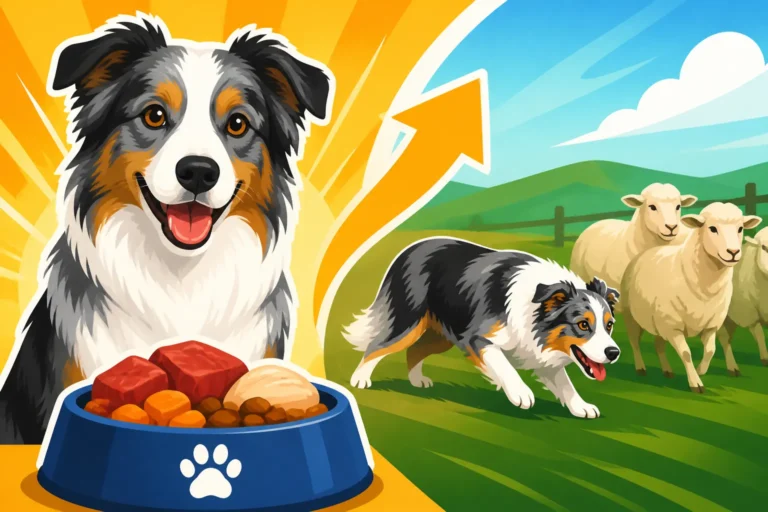
It's heartbreaking to watch your once energetic Australian Shepherd, now a wise senior, struggle with something as fundamental as eating their meals. Many senior Aussies begin to slow down around ten or eleven years old, and one of the first subtle signs of aging can be a reluctance to eat their usual hard kibble. This guide is all about giving you practical, empathetic strategies to make mealtime comfortable and enjoyable for your aging companion, ensuring they get the nutrition they need.
Why Your Senior Aussie Might Need Softer Meals
As our beloved Australian Shepherds enter their golden years, typically after the age of ten, their bodies go through many changes. What was once easy, like crunching on a bowl of kibble, can become a real challenge. Understanding why they might need softer meals is the first step in providing the best care. It's not just about pickiness; there are often very real physical reasons behind their mealtime struggles.
Dental Pain and Tooth Loss
One of the most common culprits behind an old Aussie's struggle with hard food is dental health. Over years of chewing, many dogs accumulate tartar, which can lead to gum disease, painful infections, and eventually, tooth loss. Imagine trying to eat a crunchy snack when your teeth ache, or you have a missing molar – it’s just not pleasant.
A senior Australian Shepherd might have inflamed gums that bleed easily, deep pockets of infection around tooth roots, or even fractured teeth from years of wear and tear. Even if they don't have visible missing teeth, the sheer discomfort of chewing hard kibble on sensitive gums or loose teeth can make them turn away from their bowl. You might notice them approaching the food hesitantly, taking a few bites, then backing away, or dropping food from their mouth. Regular dental check-ups are crucial, but even with the best care, age can bring these issues. It's a sad reality that sometimes, despite our best efforts, dental pain becomes a chronic issue for our senior dogs. For more on this, you might find our article Australian Shepherd Dental Care helpful, which discusses the importance of keeping those pearly whites healthy.
Digestive Changes and Nutrient Absorption
Beyond the mouth, the digestive system of an older Australian Shepherd can also become less efficient. Their metabolism slows down, and their ability to absorb nutrients from food might not be what it once was. Hard, dry kibble often requires more digestive effort, and if their gut isn't functioning optimally, it can lead to discomfort, gas, or just a general feeling of fullness that discourages them from eating.
Softer foods are generally easier to break down and digest, allowing their aging systems to extract those vital nutrients with less strain. This can be especially important for maintaining energy levels and supporting their immune system as they age. Think of it like us trying to digest a really rich, heavy meal when we're feeling a bit under the weather; sometimes a lighter, easier-to-digest option just feels better. If your Aussie is prone to an upset stomach or has intermittent diarrhea, an easier-to-digest soft food could make a significant difference in their comfort and overall health.
Decreased Appetite and Pickiness
It's not uncommon for an old Aussie to just not have the same gusto for food they once did. Their sense of smell and taste might dull a little with age, making their usual kibble less appealing. They might become pickier, turning their nose up at food they once devoured. This can be incredibly frustrating for us owners, who just want our dogs to eat!
Softer meals often have a stronger aroma and a more palatable texture, which can be far more enticing to a senior dog with a flagging appetite. The moisture content in soft foods can also make them feel more satisfying without being overly heavy. Sometimes, a simple change in texture and scent can rekindle their interest in eating. We often see this when an old Aussie, who previously cleared their bowl in seconds, starts to leave bits and pieces behind. An Old Aussie That Leaves Its Bowl delves deeper into understanding why senior Aussies might lose their appetite and how to address it. Giving them something that smells and feels more like "real food" can be just the trick to get them excited about mealtimes again, preventing them from losing too much weight, which can be a concern in older dogs.
Practical Ways to Soften Your Aussie's Current Food
You don't always need to completely overhaul your senior Aussie's diet to make it more appealing and digestible. Often, a few simple adjustments to their existing kibble can make a world of difference. These methods are easy to implement and can provide immediate relief for an Australian Shepherd struggling with hard food. The goal is to retain as much of their familiar diet as possible while making it comfortable for them to eat.
Adding Warm Water or Broth
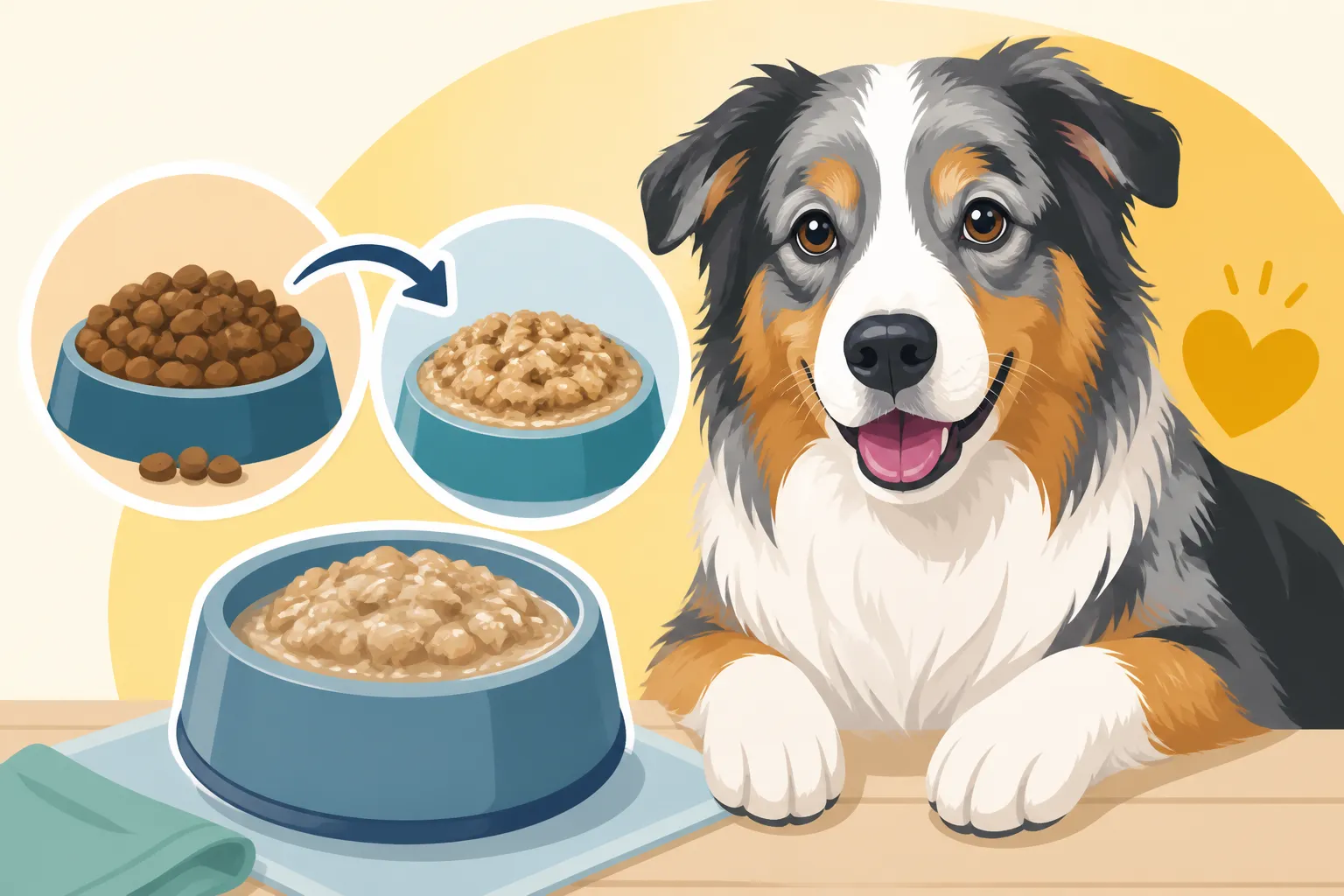
One of the simplest and most effective ways to soften dry kibble is by adding liquid. Warm water is readily available and helps to rehydrate the kibble, making it softer and easier to chew. The warmth can also enhance the food's aroma, which, as we mentioned, can be a big draw for an older dog whose senses might be fading. Just pour enough warm water over the kibble to cover it, let it sit for 5-10 minutes, and stir. You'll see the kibble swell and become mushy.
For an extra boost of flavor and nutrition, consider using a low-sodium chicken or beef broth specifically formulated for dogs. Brands like Bone Broth for Dogs offer a delicious and healthy option that can significantly increase the palatability of their meal. You can find these easily at pet stores or online retailers like Chewy. The added moisture is also a fantastic way to increase your senior Aussie's hydration, which is vital for organ function and overall health. This simple step can turn a challenging meal into a much more enjoyable experience. Just remember to always check the ingredients for anything artificial or too high in sodium, as our older pups are more sensitive to these things.
Blending or Mashing Kibble
If simply soaking the kibble isn't enough, or if your Aussie has significant tooth loss, you can take it a step further by blending or mashing their food. A food processor or a strong blender can turn even the hardest kibble into a soft, textured pate or gruel. This completely removes the chewing requirement, making it ideal for dogs with severe dental issues or even those recovering from oral surgery.
To do this, soak the kibble first as described above, and then transfer the softened mixture to a blender. Add a bit more warm water or broth if needed to achieve a smooth consistency. You can even add some dog-safe vegetables like cooked pumpkin or sweet potato for extra nutrients and flavor. This method ensures that your Aussie still gets all the familiar nutrients from their regular food but in a form that's entirely pain-free to consume. It might look a little different in the bowl, but your senior dog will appreciate the ease of eating. This can be a game-changer for those Australian Shepherds where every bite of hard food seems to cause distress.
Incorporating Wet Food or Toppers
Another fantastic way to soften meals and boost palatability is by mixing in canned wet food or specialized meal toppers. Many senior dog-specific wet foods are designed to be highly digestible and appealing. You can either mix a small amount into their softened kibble or use it as a standalone meal, depending on your dog's needs and your vet's recommendations.
There are also a plethora of wet food toppers available today. These can range from freeze-dried raw bits that rehydrate to gravy-like concoctions that add flavor and moisture. Brands like Ollie offer fresh, human-grade food that can be used as a full meal or a delicious topper. These toppers often have intense aromas that really grab a senior Aussie's attention. Just be mindful of the calorie content, especially if your senior Aussie is less active; you don't want to inadvertently cause weight gain. This approach not only softens the meal but also adds a new level of excitement to mealtime, which can be a real mood booster for an aging dog. For a comparison of options, check out Wet Food Against Dry Food for an Australian Shepherd.
Exploring Different Soft Food Options for Senior Aussies
Sometimes, simply softening kibble isn't quite enough, or you might be looking for ways to provide even richer nutrition and a more enjoyable dining experience for your senior Australian Shepherd. Thankfully, there are many excellent soft food options out there, each with its own set of benefits. Transitioning to a new food should always be done gradually and ideally under the guidance of your veterinarian to avoid upsetting your Aussie's stomach.
Canned Wet Foods and Their Benefits
Canned wet foods are probably the most straightforward transition when moving away from dry kibble. They are naturally soft, highly palatable, and typically very moisture-rich. This high moisture content is a huge plus for senior Aussies, as it helps with hydration and can make digestion easier. Many brands formulate canned foods specifically for senior dogs, taking into account their unique nutritional needs, such as joint support, lower calorie counts for less active dogs, or higher protein for muscle maintenance.
The variety of textures and flavors available in canned foods means you can often find something your senior Aussie will adore. From pate to chunky stews, there's a wide range to explore. The strong scent of wet food is often irresistible to an older dog with a diminished sense of smell. When choosing a canned food, look for high-quality protein sources and limited fillers. Brands like Weruva or Merrick offer excellent options that are often praised for their ingredient quality. While they can be more expensive than kibble, the benefits for a senior dog's comfort and health often outweigh the cost.
Fresh, Gently Cooked Diets
Over the last few years, fresh, gently cooked diets have become incredibly popular, and for good reason, especially for senior dogs. These meals are prepared with human-grade ingredients, gently cooked to retain nutrients, and often delivered frozen or refrigerated. They are naturally soft, easy to chew, and incredibly digestible. For an old Aussie with a sensitive stomach or failing teeth, this can be a godsend.
Companies like Ollie and Nom Nom Now offer personalized meal plans that can be tailored to your Australian Shepherd's specific needs, including age, weight, and any health conditions. The fresh ingredients are highly appealing, and many owners report improved coat health, better digestion, and increased energy in their senior dogs after switching to these diets. While they represent a higher investment than traditional kibble or even canned food, the perceived benefits in quality of life for an aging companion can be priceless. Fresh Food Delivery Portioned for an Aussie offers a closer look at this growing trend. It's a wonderful way to provide your senior Aussie with nutrient-dense, palatable meals that feel like a treat every single day.
Homemade Soft Food Recipes
If you enjoy cooking and want ultimate control over your Aussie's ingredients, preparing homemade soft food can be a rewarding option. This allows you to tailor meals precisely to your dog's preferences and dietary needs, especially if they have allergies or sensitivities. Common ingredients include lean cooked meats (chicken, turkey, beef), thoroughly cooked and mashed vegetables (sweet potato, pumpkin, carrots, green beans), and grains like cooked rice or oats.
However, it's absolutely crucial that homemade diets are nutritionally balanced. Dogs have different requirements than humans, and an unbalanced diet can lead to serious health issues over time. Consulting with a veterinary nutritionist is highly recommended if you choose this route. They can help you create recipes that provide all the necessary vitamins, minerals, and macronutrients your senior Australian Shepherd needs. Without proper guidance, even the most well-intentioned homemade meal can be lacking. For more on the challenges of balancing a homemade diet, see Home Cooking for an Aussie and the Balance Problem. Always ensure all ingredients are safe for dogs and cooked thoroughly.
Ensuring Your Senior Aussie Stays Hydrated and Happy
Beyond just making food soft, a holistic approach to your senior Australian Shepherd's mealtime experience involves ensuring they stay well-hydrated and that eating remains a positive and comforting ritual. As dogs age, their thirst drive can decrease, and softer, moisture-rich meals can play a crucial role in preventing dehydration. We want mealtimes to be something they look forward to, not a source of stress or discomfort.
Hydration through Soft Meals
One of the often-overlooked benefits of feeding a senior Aussie softer, moisture-rich meals is the inherent hydration they provide. Dry kibble has a very low moisture content, typically around 10%, meaning your dog needs to drink a lot of water separately to stay hydrated. Wet foods, however, can be 70-80% water. This additional moisture is incredibly beneficial for senior dogs, whose kidneys and other organs may not be functioning as efficiently as they once did.
Increased hydration supports kidney health, helps keep their joints lubricated (especially important if they're experiencing Australian Shepherd Arthritis After Years of Work), and aids in overall digestion. If your senior Aussie isn't drinking as much water as they used to, switching to or supplementing with soft foods is a fantastic way to covertly get more fluids into their system. You can even add extra water or dog-safe broth to wet food to boost the moisture content further, creating a delicious soup-like consistency. Always make sure fresh, clean water is available, of course, but think of soft meals as a tasty bonus hydration station!
Making Mealtime a Positive Experience
For a senior Australian Shepherd, mealtime should be a calm, comfortable, and positive experience. If they're struggling, they might associate eating with pain or frustration, making them even less enthusiastic. Our role as owners is to alleviate that stress and make it a joyful part of their day.
Consider the environment:
- Quiet Space: Feed your senior Aussie in a quiet, low-traffic area where they won't be disturbed by other pets or household activity.
- Comfortable Height: An elevated food bowl can make a huge difference, especially if your Aussie has arthritis or neck pain. Bending down to eat can be uncomfortable. Amazon offers many adjustable elevated feeders that can be a great option.
- Patience and Encouragement: Take your time. Don't rush them. Offer gentle praise and a reassuring presence. Sometimes, just knowing you're there makes a difference.
- Temperature: Ensure the food is at room temperature or slightly warm, as this enhances aroma and palatability, making it more appealing than cold food straight from the fridge.
- Small, Frequent Meals: If your Aussie has a reduced appetite, offering smaller, more frequent meals throughout the day might be better than two large ones. This can prevent them from feeling overwhelmed and ensure they get adequate nutrition without overfilling their stomach.
Remember, every senior Aussie is an individual, and what works for one might not work for another. Be patient, observe your dog's cues, and work closely with your veterinarian. They can help rule out underlying medical conditions and provide tailored dietary advice for your beloved companion as they navigate Senior Australian Shepherd Care After Ten. Our goal is to make their golden years as comfortable and joyful as possible, starting with a happy belly.
Disclaimer
This article is for general informational purposes only and does not constitute professional advice. Laws, prices and regulations vary by location and change over time. Consult a qualified professional for guidance on your specific situation.