An Old Aussie That Leaves Its Bowl
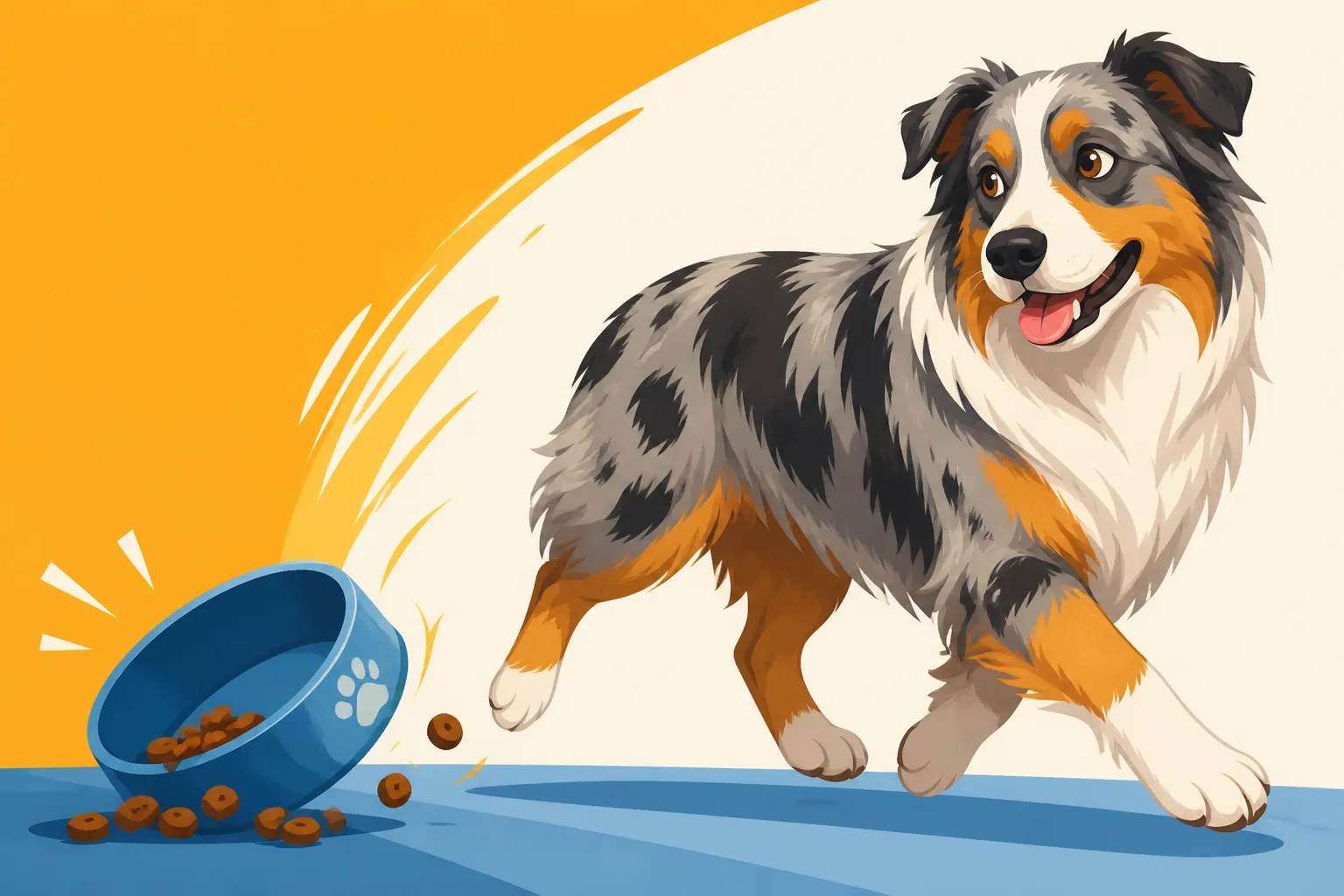
It's incredibly distressing, isn't it, when your beloved senior Australian Shepherd, who has always approached mealtime with gusto, suddenly starts to turn up their nose at food? You watch them sniff, take a tentative bite, and then just walk away, leaving their bowl untouched. It’s a heart-wrenching sight, and it often sparks a cascade of worries: are they sick? Are they in pain? Are they just being finicky? This guide is here to help you navigate those concerns, understand the potential reasons behind your old Aussie's changing appetite, and equip you with actionable steps to support them through this challenging phase.
Understanding Why Your Senior Aussie Might Stop Eating
When an older Australian Shepherd starts to lose interest in food, it's rarely a simple case of pickiness. Their bodies and minds are changing, and this can manifest in various ways, including a decreased appetite. It's crucial to consider both medical and non-medical factors to get to the root of the issue.
Common Medical Causes for Loss of Appetite
Medical reasons are often the first things we worry about, and for good reason. Many health issues can cause discomfort or nausea, making food unappealing.
Dental problems are incredibly common in senior dogs and can be a huge culprit. Imagine trying to eat with a throbbing toothache or inflamed gums. Old Aussies can suffer from cracked teeth, significant tartar buildup, gum disease, or even abscesses that make chewing and swallowing incredibly painful. What might look like a refusal to eat could actually be an inability to eat comfortably. Regular dental check-ups are vital, and if your vet suspects a dental issue, addressing it could completely change your Aussie's willingness to eat. Australian Shepherd Dental Care goes into more detail about keeping those chompers healthy.
Beyond the mouth, digestive issues can play a major role. Conditions like Inflammatory Bowel Disease (IBD), pancreatitis, or even simple acid reflux can cause chronic nausea and stomach upset. If your Aussie feels queasy or experiences abdominal pain after eating, they'll naturally start associating food with discomfort and avoid it. Sometimes, these issues are subtle, presenting as just a decreased appetite rather than obvious vomiting or diarrhea.
Organ disease, particularly of the kidneys, liver, or heart, is unfortunately more prevalent in senior dogs. These conditions can lead to a buildup of toxins in the body, which often causes nausea and a general feeling of unwellness. For example, kidney disease can make dogs feel constantly sick to their stomach, reducing their desire to eat. Cancer, in its various forms, can also lead to a poor appetite, often accompanied by weight loss and lethargy. This is why a comprehensive veterinary check-up is so critical when appetite changes.
Chronic pain, especially from arthritis or old injuries, can also impact appetite. If your Aussie is uncomfortable standing over a bowl or moving around, the effort of eating might seem too much. Stiffness in their neck or back could make bending down painful, or a generalized feeling of aches and pains can just diminish their overall zest for life, including food. Australian Shepherd Arthritis After Years of Work explores how joint pain affects older Aussies.
Finally, certain medications prescribed for other conditions can have side effects that include nausea or appetite suppression. If your Aussie recently started a new medication, or even one they’ve been on for a while, it's worth discussing potential side effects with your vet. Also, as dogs age, their senses can decline. A diminished sense of smell or taste can make their usual kibble less appealing, turning a once-exciting meal into a bland, uninteresting chore.
Non-Medical Reasons for Pickiness or Refusal
Sometimes, the reasons aren't strictly medical, but they still significantly impact your Aussie's willingness to eat. These often relate to their environment, routine, or even their aging mind.
Stress and anxiety can hit senior dogs hard. Just like us, dogs can become more sensitive to changes as they age. A new pet, a change in household routine, unfamiliar visitors, or even loud noises can create enough stress to put them off their food. Australian Shepherds are intelligent and often sensitive dogs; disruption to their established routine can throw them off balance. If your Aussie is showing other signs of anxiety, like pacing, excessive panting, or destructive behavior, a loss of appetite could be linked to their emotional state. An Australian Shepherd That Paces Indoors might offer some insight into restless behavior.
Boredom with their food is another potential factor, though often less common than medical causes in true appetite loss. If your Aussie has eaten the same kibble for years, and they're otherwise healthy, they might simply be tired of it. Their taste buds might not be as sharp as they once were, or they might just crave something new and more exciting.
Physical discomfort from their feeding setup can also contribute. If your Aussie has arthritis or neck pain, bending down to a bowl on the floor can be painful. An elevated bowl might be more comfortable. Similarly, if their bowl is in a high-traffic area, or near a noisy appliance, they might feel too vulnerable or stressed to eat peacefully. Consider if the material of the bowl itself is an issue – some dogs prefer ceramic over metal, for instance.
Environmental factors like heat can significantly reduce appetite, especially for a double-coated breed like an Aussie. On a hot day, they might simply not feel like eating a large meal. Their metabolism might also be slowing down as they age, meaning their caloric needs aren't what they once were. Just like senior humans, an old Aussie might naturally require less food because they're less active.
Finally, cognitive decline, sometimes called "doggy dementia" or Canine Cognitive Dysfunction (CCD), can subtly affect appetite. An Aussie experiencing CCD might become disoriented, forget where their food bowl is, or even forget that they need to eat. They might stare blankly at their bowl or wander away mid-meal. This isn't about pickiness; it's about a neurological change that impacts their basic functions. An Aussie That Stops Reading the Room delves into other signs of cognitive changes.
Practical Strategies to Encourage Your Aussie to Eat
Once you've had a vet check-up to rule out serious medical issues, or while you're waiting for results, there are many things you can try at home to make mealtime more enticing for your senior Australian Shepherd.
Making Mealtime More Appealing
Think about how you can make their food more attractive, both in taste and presentation. Sometimes, a little creativity goes a long way.
Warming their food, especially wet food or kibble moistened with warm water or broth, can release aromas that stimulate their sense of smell, which might be dulled with age. Just a few seconds in the microwave (ensure it's not too hot!) can make a huge difference. The stronger scent can trigger their appetite.
Adding palatable toppers can transform a boring meal into a gourmet experience. This could be a spoonful of plain, cooked chicken or turkey (no bones or skin), a dollop of pumpkin puree (make sure it's plain, not pie filling), or a drizzle of low-sodium chicken or beef broth. Some owners find success with specialized fresh food toppers, or even a fresh food delivery service like Ollie, which provides human-grade, gently cooked meals that many picky seniors adore. Just be mindful of introducing new ingredients slowly to avoid stomach upset.
Hand-feeding can be incredibly effective, especially if your Aussie is feeling particularly unwell or anxious. It creates a bond and provides reassurance. Sometimes, just sitting on the floor next to them and offering a few kibbles at a time from your hand can be enough to get them started. It can turn eating from a chore into a comforting interaction.
If you suspect boredom with food, or if your vet advises it (especially if allergies are not suspected), trying a novel protein source might help. This means a protein your dog hasn't had before, like duck, venison, or rabbit. This can sometimes pique their interest. However, always introduce new foods gradually over several days to avoid digestive upset.
Consider the physical setup of their feeding station. If your Aussie has joint pain or arthritis, an elevated bowl can make a world of difference, allowing them to eat without bending their neck or putting strain on their front legs. You can find a variety of elevated feeders online or at pet stores like Chewy. Ensure the bowl itself is clean and the right size. A quiet, calm feeding environment, away from household hustle and bustle, can also help an anxious or easily startled senior Aussie feel safe enough to eat.
Adjusting Their Diet for Senior Needs
As dogs age, their nutritional requirements change. What worked for their younger, more active years might not be ideal now.
Transitioning to a senior-specific dog food formula is often a good idea. These diets are typically formulated with fewer calories to prevent weight gain (since older dogs are often less active), but with higher quality protein to maintain muscle mass. They also often include joint-supporting supplements like glucosamine and chondroitin, and antioxidants to support cognitive function. Discuss this transition with your vet to ensure it's appropriate for your Aussie's specific health needs. Joint Diets for a Retired Working Aussie has more information on nutritional support for older joints.
Instead of one or two large meals, offer smaller, more frequent meals throughout the day. A senior Aussie's digestive system might not handle large quantities as well as it used to, and smaller portions can feel less daunting. This can also help maintain steady blood sugar levels and reduce feelings of nausea.
Focus on high-quality, easily digestible ingredients. Look for foods with real meat as the first ingredient and easily digestible carbohydrates. Some commercial brands offer senior formulas designed specifically for easier digestion. If your Aussie has specific health conditions, your veterinarian might recommend a prescription diet. These diets are specifically formulated to support organ function (e.g., kidney-supportive diets) or manage other health issues. You might find these prescription foods available through your vet or online retailers like Amazon, often requiring a veterinary authorization.
When to Seek Veterinary Attention
While it's natural for older dogs to have some fluctuations in appetite, there are clear signs that warrant an immediate call to your veterinarian. Never hesitate if your gut tells you something is seriously wrong.
Red Flag Symptoms Not to Ignore
If your Aussie experiences any of these symptoms alongside a decreased appetite, it's time to get professional help, and quickly.
A sudden, complete refusal to eat, especially if it lasts for more than 24 hours, is a major red flag. This isn't just being picky; it suggests something significant is happening internally. Coupled with other symptoms, it can be even more concerning.
Vomiting or diarrhea accompanying a loss of appetite is a strong indicator of digestive distress, infection, or a more serious underlying illness. Dehydration can set in rapidly with these symptoms, especially in older dogs, making prompt veterinary care essential.
Unexplained weight loss is always a serious concern in senior dogs. Even if they're eating something, if they're losing weight, it means they're not getting enough calories or their body isn't processing nutrients effectively. This can be a sign of many conditions, including cancer, advanced organ disease, or severe digestive issues.
Lethargy and weakness, where your Aussie is unusually tired, struggles to stand, or seems disoriented, signal a systemic problem. If they're not just resting more (which is normal for seniors) but genuinely lacking energy and enthusiasm for anything, it needs investigation.
Changes in drinking habits, such as drinking significantly more or less than usual, can point to kidney disease, diabetes, or other metabolic disorders that affect appetite. It's often one of the first subtle signs of a deeper issue.
Finally, any overt signs of pain, like whimpering, guarding their abdomen, difficulty getting up, or stiffness, in conjunction with not eating, means they are in distress. Pain can be a huge appetite suppressant, and alleviating it can sometimes bring their hunger back.
The Importance of a Thorough Vet Check-up
When you observe any of these red flags, a thorough veterinary check-up is the most important step. Your vet has the tools and expertise to properly diagnose the issue.
They will start with a full physical exam, feeling your Aussie's abdomen, checking their teeth and gums, listening to their heart and lungs, and assessing their overall body condition and pain response. They'll also check for any lumps or bumps.
Blood work is crucial. This typically includes a complete blood count (CBC) to check for infection or anemia, and a chemistry panel to assess organ function (kidneys, liver, pancreas) and blood sugar levels. They might also check thyroid levels, as hypothyroidism can cause lethargy and changes in appetite. Bloodwork Worth Running on a Senior Aussie explains this in more detail.
A urinalysis can provide valuable information about kidney function, hydration status, and can detect urinary tract infections or diabetes. Sometimes, imaging like X-rays or ultrasound may be necessary to look for tumors, organ enlargement, foreign bodies in the digestive tract, or signs of severe arthritis. A dental exam, often requiring sedation for a thorough assessment, will check for painful teeth or gum disease that isn't visible during a conscious exam.
The goal is to get a clear diagnosis, because once you know why your Australian Shepherd isn't eating, you and your vet can create a targeted treatment plan. This might involve medications for nausea, pain relief, dental procedures, or a specialized diet to manage an underlying condition.
| Symptom / Behavior | Possible Cause (General) | Initial Action to Consider | When to See a Vet Immediately |
|---|---|---|---|
| Sniffs, walks away | Pickiness, dental pain, mild nausea | Warm food, toppers, quiet space, elevated bowl | If persists over 24-48 hours, or other symptoms appear |
| Refuses new food/topper | Strong preference, severe nausea, pain | Offer bland diet (rice/chicken), try hand-feeding | If total refusal > 12 hours, or shows distress |
| Eats a little, then stops | Fullness, discomfort, mild nausea | Smaller, more frequent meals, elevated bowl | If accompanied by weight loss, vomiting, lethargy |
| Disinterested in favorite treats | General malaise, severe pain, organ issues | Try high-value, easy-to-eat treats | If complete disinterest, or combined with weakness |
| Licks lips, swallows frequently | Nausea, acid reflux | Offer small sips of water, bland food | If vomiting starts, or persistent for hours |
| Drooling, pawing at mouth | Dental pain, something stuck in mouth | Gently check mouth if safe, offer soft food | If unable to eat or in obvious distress |
| Hides, avoids interaction | Pain, anxiety, severe illness | Create calm space, minimal disturbance, offer food quietly | If lethargic, weak, or unresponsive |
Long-Term Care for the Senior Aussie's Appetite
Caring for an older Australian Shepherd whose appetite is waning is often a marathon, not a sprint. It requires patience, consistency, and a deep understanding of their changing needs.
Maintaining a Routine and Comfort
Consistency in their daily life can provide immense comfort to an aging Aussie, especially one dealing with cognitive changes or anxiety. Try to maintain a regular feeding schedule and location. Familiarity can reduce stress and make them feel more secure, which can, in turn, encourage eating. If they're used to eating in a specific spot, try to keep that consistent.
While their energy levels might be lower, gentle exercise can still stimulate appetite. A leisurely walk around the block, a short session of scent games in the yard, or some gentle stretching can increase their metabolism slightly and make them feel more inclined to eat afterward. The key is gentle — don't overdo it, especially if they have joint pain.
Regular vet check-ups, ideally every six months for senior dogs, become even more crucial. These visits allow your vet to catch potential issues early, adjust medications, monitor existing conditions, and proactively address anything that might impact their appetite. Early intervention can make a significant difference in their quality of life and longevity. How Often a Ten Year Old Aussie Needs Checking is a good resource for this.
Managing any underlying conditions is paramount. If your Aussie has arthritis, ensuring their pain is well-controlled will not only improve their comfort but also their willingness to move and eat. If anxiety is a factor, your vet might suggest behavioral modifications, supplements, or even anti-anxiety medications to help them feel more at ease.
Balancing Nutrition and Quality of Life
There comes a point with some senior dogs, especially those with advanced illnesses, where the goal shifts from perfectly balanced nutrition to simply getting them to eat anything. This is often referred to as the "whatever they'll eat" approach. If your vet agrees, offering tasty, palatable foods – even if they aren't perfectly balanced dog kibble – can ensure they get some calories and maintain their spirit. This might mean small amounts of cooked chicken, cottage cheese, scrambled eggs, or even a tiny bit of high-quality human food that your vet has approved. The emotional benefit of seeing them enjoy a meal can be immense for both you and your Aussie.
Monitoring hydration is also vital, especially if their food intake is down. Offer fresh water frequently, and consider adding water or broth to their meals to increase fluid intake. Sometimes, offering ice chips or a low-sodium broth popsicle can be enticing and help keep them hydrated.
Ultimately, caring for an old Aussie that leaves its bowl becomes a journey of balancing their physical health with their quality of life. There will be good days and bad days. Your empathy, patience, and close collaboration with your veterinarian are the most powerful tools you have to support your beloved companion through their golden years. Cherish every mealtime, no matter how small.
Disclaimer
This article is for general informational purposes only and does not constitute professional advice. Laws, prices and regulations vary by location and change over time. Consult a qualified professional for guidance on your specific situation.