Whether an Aussie Coat Dries After Swimming
It’s a common scenario: your beautiful Australian Shepherd plunges into a lake or stream, emerging joyful and dripping, but then you wonder, "Will that coat ever dry completely on its own?" The truth is, while an Aussie's magnificent double coat is designed for protection in various elements, it's also incredibly efficient at trapping moisture, and leaving it to air dry can lead to a host of uncomfortable and even unhealthy issues for your beloved companion. This guide will walk you through the realities of an Australian Shepherd's coat after a swim and give you practical, empathetic advice on how to ensure they dry thoroughly and stay healthy.
The Marvel and Mystery of the Australian Shepherd Double Coat
Understanding why your Australian Shepherd's coat seems to hold water like a sponge is the first step to managing it effectively. This breed boasts a truly impressive double coat, a characteristic shared with many working dogs designed to brave the elements. It's not just hair; it's a sophisticated insulation system.
The Inner Workings of the Aussie's Coat Architecture
Think of it as two distinct layers, each with its own job. The outer coat, or "guard hairs," are coarser, longer, and somewhat water-resistant. They lie over the undercoat, helping to shed rain, snow, and debris. This outer layer is what gives your Aussie their distinct look and color. Beneath this, snug against the skin, is the true workhorse: the dense, soft undercoat. This fluffy layer is incredibly insulating, designed to keep your dog warm in winter and surprisingly, to help regulate their temperature in summer by trapping a layer of air against the skin.
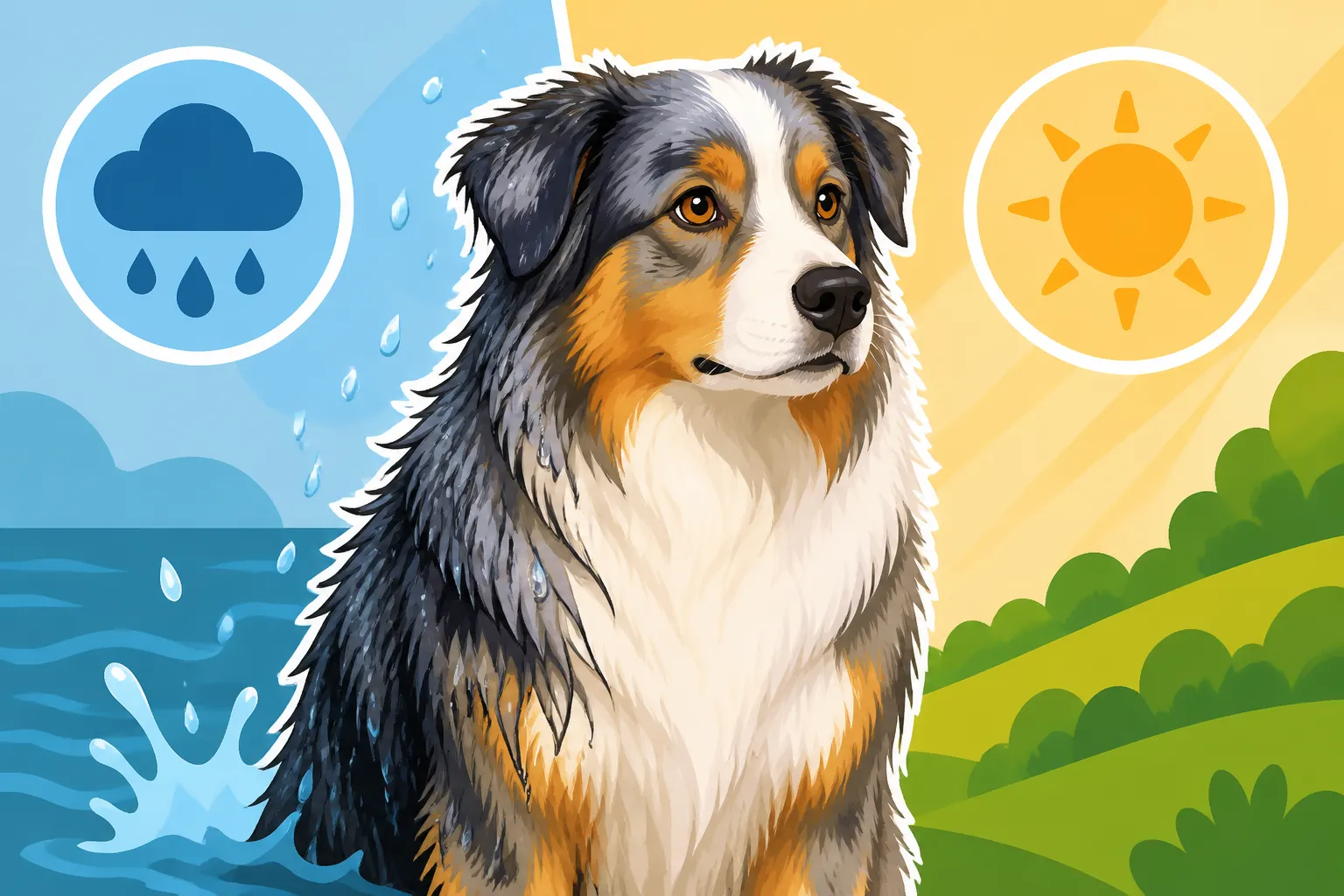
When your Aussie dives into water, those guard hairs do their best to repel some of it, but the undercoat is incredibly absorbent. It's like a wool sweater, soaking up moisture and holding onto it. This is fantastic for insulation when dry, but when wet, it means water gets trapped deep down, close to the skin. This isn't a design flaw; it's a feature for environmental survival, but it becomes a challenge in a domestic setting if not properly managed. The sheer volume and density of this undercoat mean that simple air drying, especially in humid conditions or indoors, is a very slow and often incomplete process.
Why Air Drying Just Isn't Enough
Many owners, myself included, have made the mistake of thinking a few hours in the sun or a quick shake will do the trick. Unfortunately, with an Australian Shepherd, it rarely does. The deep, insulating undercoat holds onto moisture stubbornly. What might feel dry on the surface can still be damp, even soaking, at the skin level. This isn't just a minor inconvenience; it creates a perfect storm for several common issues that can seriously impact your Aussie's comfort and health. The longer that moisture sits against their skin, the greater the risk of problems developing. It's essential to intervene and help nature along when it comes to drying these working coats.
The Risks and Realities of a Consistently Damp Coat
Leaving an Australian Shepherd to air dry or not drying them thoroughly after a swim can lead to more than just a lingering wet dog smell. It can set the stage for uncomfortable skin conditions, matting, and even impact their body temperature regulation. Understanding these risks will underscore why a proactive approach to drying is so important.
Skin Irritations and Hot Spots
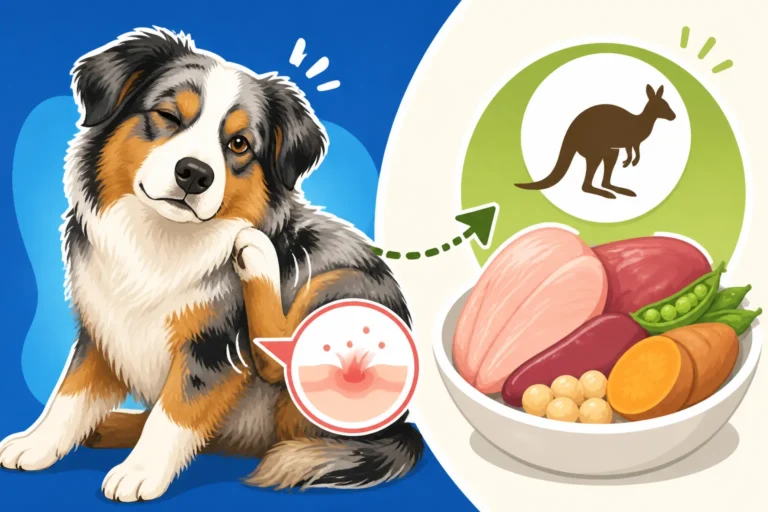
One of the most immediate and common concerns with a damp Aussie coat is the development of skin irritations, particularly "hot spots." Hot spots, or acute moist dermatitis, are angry, red, inflamed patches of skin that can appear seemingly overnight. They start when moisture gets trapped, creating a warm, damp environment that bacteria and yeast absolutely love. Your dog's natural skin flora, usually harmless, can then proliferate rapidly, leading to an infection. The itching can be intense, causing your Aussie to lick, chew, and scratch the area incessantly, which only makes the hot spot worse and spreads the irritation.
These can be incredibly painful for your dog and a headache for you. They often require veterinary attention, possibly antibiotics or topical treatments, and necessitate shaving the affected area to allow it to dry and heal. This whole process is distressing for everyone involved. Preventing them by thorough drying is far easier than treating them.
Matting and Undercoat "Felting"
Beyond skin issues, a damp coat is a matting disaster waiting to happen. The Australian Shepherd's dense undercoat, when wet, becomes incredibly prone to tangling and clumping. As the water evaporates, it pulls the individual hairs of the undercoat together, forming tight, painful mats. These aren't just surface tangles; they can form deep, compacted clumps that pull on the skin. If left unchecked, these mats can "felt" into a solid mass against the body, restricting movement and causing constant discomfort.
Areas particularly susceptible include behind the ears, armpits, flanks, and the "trousers" on their hind legs. Once these mats form, they are extremely difficult, if not impossible, to brush out without causing significant pain to your dog. Often, a professional groomer is needed to carefully shave them out, which can be an extensive and costly process. Regular brushing helps, but a wet undercoat accelerates this process dramatically. You can read more about dealing with these issues in Mats in an Aussie Ruff and Trousers.
Temperature Regulation Challenges
While the Aussie's double coat is excellent for insulation, its effectiveness hinges on being dry. A wet coat can actually hinder proper temperature regulation. In cooler weather, a damp coat against the skin can lead to chilling, making your dog uncomfortable and potentially impacting their immune system if they become too cold. On the flip side, in warm or humid conditions, a wet coat can act like a steamy blanket, preventing air circulation and making it harder for your dog to cool down. The trapped moisture and lack of airflow mean the coat isn't efficiently allowing body heat to dissipate, which can be a serious concern for a dog that already tends to overheat if not managed properly.
Best Practices for Drying an Australian Shepherd After Swimming
Now that we understand why thorough drying is crucial, let's talk about how to do it effectively. It takes more than just a towel, but with the right tools and techniques, you can ensure your Aussie is comfortable and healthy after every aquatic adventure.
The Power of Towel Drying (and How to Do It Right)
Forget gently patting. When it comes to an Aussie, you need to be assertive with your towels. Start by squeezing as much water as you can from their coat, especially the longer feathering on their legs and tail. Then, take a good, absorbent towel – microfiber towels often work best – and blot and rub vigorously. Don't just wipe the surface; try to push the towel deep into the undercoat to absorb that trapped moisture. I often use several towels for one dog, changing to a fresh, dry one once the first becomes saturated.
Focus on the areas that tend to stay wet longest: the chest, the belly, the thick ruff around the neck, and of course, those magnificent trousers. The goal here isn't to get them bone dry, but to remove as much surface and undercoat moisture as possible before moving on to the next step. This significantly cuts down on overall drying time and reduces the risk of matting.
Using Forced Air Dryers for Deep Drying
This is where the real magic happens for a double-coated breed like an Australian Shepherd. A forced air dryer, also known as a high-velocity dryer or "blaster," is your best friend. These are not like human hairdryers, which use heat and can burn your dog's skin or damage their coat. Forced air dryers move a high volume of cool or lukewarm air, literally blasting water out of the coat.
Start with the dryer on a low setting to get your dog used to the sound and sensation. Always keep the nozzle moving and never hold it in one spot for too long. Work in sections, starting from the hindquarters and moving forward. As you dry, use your free hand or a slicker brush to lift and separate the coat, allowing the air to reach deep into the undercoat. You'll be amazed at how much water comes flying off! This method is incredibly efficient at drying down to the skin, preventing hot spots and separating the undercoat hairs to avoid matting. If you don't have one, you can find excellent options on retailers like Amazon or Chewy. They are an investment, but invaluable for an active Aussie.
Strategic Brushing During the Drying Process
Brushing isn't just for styling; it's a critical part of the drying process. As you're using the forced air dryer, or even during thorough towel drying, actively brush your Aussie's coat. A good slicker brush is excellent for this, followed by an undercoat rake once the coat is mostly dry. The brushing action helps to separate the damp hairs, allowing air to penetrate more effectively and lifting the undercoat so it can dry from the inside out.
For severe undercoat, especially if you're dealing with a particularly thick-coated Aussie, a deshedding tool can also be very helpful during this phase to gently work through the undercoat and ensure it's drying evenly. Always be gentle, especially if you encounter any tangles; never yank. The goal is to fluff and aerate the coat, not to pull out healthy hair. Regular brushing is key to preventing mats, wet or dry, and you can learn more in Brushing an Australian Shepherd Twice a Week.
Proactive Care and Prevention for Water-Loving Aussies
Beyond the immediate post-swim drying routine, there are several steps you can take to make managing your water-loving Australian Shepherd's coat much easier and healthier in the long run.
Pre-Swim Brushing and Coat Preparation
Believe it or not, preparing the coat before your Aussie jumps into the water can make a huge difference in how easily it dries and how well it resists matting. Give your Australian Shepherd a thorough brushing session before any swim. This helps to remove loose dead hair from the undercoat, which is often the biggest culprit for trapping water and forming mats. A well-groomed, tangle-free coat will shed water more effectively and dry much faster than one laden with shedding undercoat.
Think of it like this: a smooth, clean surface is less likely to hold onto water than a tangled, matted one. By de-shedding and detangling beforehand, you're essentially streamlining their coat for its aquatic adventure, reducing the amount of moisture it can absorb and giving you a head start on the drying process later.
Rinsing After Every Swim
If your Aussie has been swimming in a lake, pond, or especially the ocean, a thorough rinse with clean, fresh water immediately after their swim is highly recommended. This helps to remove any dirt, algae, salt, or other contaminants that might be clinging to their coat and skin. Saltwater, in particular, can be very drying and irritating to the skin if left on. Lake water might contain unseen bacteria or irritants.
A quick rinse helps prevent these substances from settling into the coat and potentially causing skin issues or an unpleasant odor. Think of it as hitting the reset button on their coat before you begin the actual drying process. It's an extra step, but one that can save you a lot of trouble down the line and contribute to Australian Shepherd Skin, Coat and Allergy Problems.
Choosing the Right Grooming Tools and Products
Having the right arsenal of grooming tools is crucial for an Australian Shepherd, especially if they are frequently wet.
| Tool Type | Purpose | Key Features |
|---|---|---|
| High-Velocity Dryer | Forces water out of the undercoat, prevents hot spots | Cool/lukewarm air, powerful motor, variable speed settings |
| Slicker Brush | Removes loose hair, detangles, separates coat during drying | Wire bristles with protective tips, ergonomic handle, various sizes |
| Undercoat Rake | Reaches deep into the undercoat to remove shed hair | Long, blunt teeth, avoids cutting guard hairs, prevents matting |
| Microfiber Towels | Highly absorbent, speeds up initial drying | Soft, plush texture, quick-drying, can hold many times their weight in water |
| Dematting Comb | Carefully cuts through small mats (use with extreme care!) | Sharp, inwardly curved blades, handle for grip, only for small, superficial mats |
| Dog Shampoo | Cleans coat, removes odors, nourishes skin | pH-balanced for dogs, conditioning, often anti-itch or gentle formulas |
When it comes to shampoos and conditioners, opt for high-quality products designed for dogs. Look for gentle, moisturizing formulas that won't strip the natural oils from their coat. Brands like Earthbath or TropiClean are often well-regarded. If your Aussie has sensitive skin, discuss specific products with your vet. Regular bathing, when needed, combined with excellent brushing and thorough drying, will keep their coat in top condition. You can find many of these essential tools and products easily on sites like Chewy or Amazon.
Nutritional Support for a Healthy Coat
Finally, a healthy coat starts from the inside out. A balanced, high-quality diet plays a significant role in the overall health and condition of your Australian Shepherd's skin and coat. Look for dog foods that list real meat as the first ingredient and contain essential fatty acids like Omega-3 and Omega-6. These nutrients are vital for skin elasticity and a shiny, resilient coat.
Some owners also choose to supplement their dog's diet with fish oil, which is rich in Omega-3s. A strong, healthy coat is better equipped to handle moisture and less prone to dryness, breakage, and matting. If you're exploring fresh food options, companies like Ollie prioritize whole ingredients that contribute to overall vitality, including coat health. Always consult your veterinarian before making significant changes to your dog's diet or adding supplements. A well-nourished Aussie is better equipped for all of life's adventures, including a good swim!
Disclaimer
This article is for general informational purposes only and does not constitute professional advice. Laws, prices and regulations vary by location and change over time. Consult a qualified professional for guidance on your specific situation.