Grooming an Arthritic Australian Shepherd
The vibrant, energetic spirit of an Australian Shepherd can make it feel like they'll always be leaping and spinning, but just like us, our beloved Aussies eventually face the aches and stiffness that come with age. When arthritis starts to settle into those working joints, even simple tasks like a good brush-out can become a source of discomfort, turning a routine into a struggle. This comprehensive guide will walk you through adapting your grooming practices to ensure your arthritic Australian Shepherd remains comfortable, clean, and happy, making this essential part of their care a gentle bonding experience rather than a painful ordeal.
Understanding the Challenges of Grooming an Arthritic Aussie
It’s heartbreaking to watch your once spry Australian Shepherd stiffen, struggle to rise, or limp after a walk. Arthritis, or degenerative joint disease, is incredibly common in older dogs, especially active breeds like Aussies who've spent years leaping, herding, and running. This condition can make what used to be a routine grooming session a source of real pain and stress, not just for them, but for you too. Recognizing these challenges is the first step toward making grooming a more comfortable experience.
Joint Pain and Reduced Flexibility
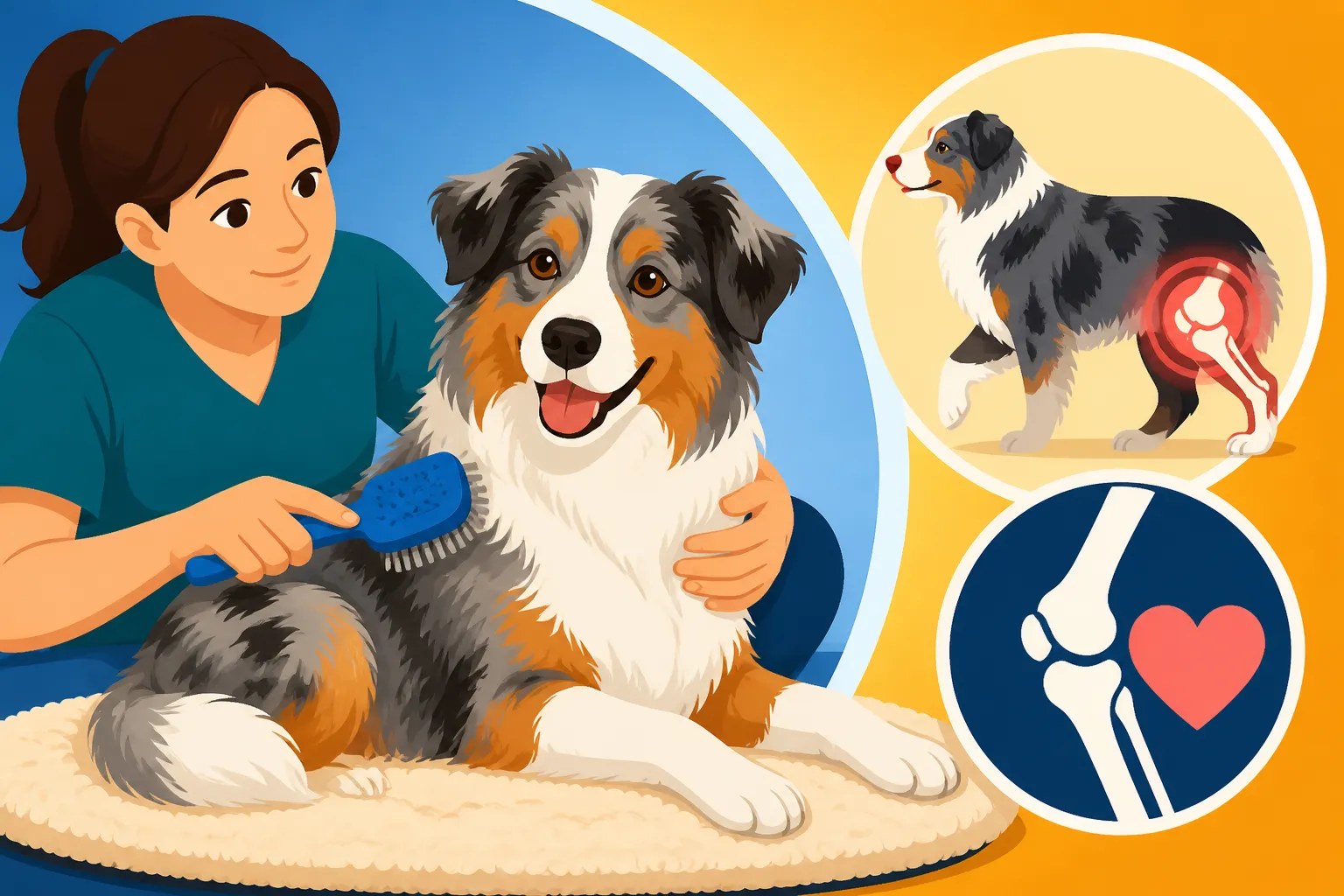
Imagine trying to stretch or hold an awkward position when every movement sends a jolt through your knee or hip. That's often what your arthritic Aussie is experiencing. Their once fluid movements become stiff and restricted. Getting them to stand still for brushing, lifting a paw for nail trims, or even just turning their head to let you clean an ear can become excruciating. They might resist being handled, whine, or even snap if you accidentally hit a sore spot. This isn't naughtiness; it's a desperate plea for relief. Areas like the hips, elbows, and spine are particularly vulnerable. Trying to manipulate a limb into a position that hurts can lead to a complete refusal to cooperate, making grooming a battle you'll both lose. We often forget how much these active dogs rely on their full range of motion, and when that's compromised, even reaching to scratch an itch can be a struggle. Grooming often requires holding positions for a duration, which can be exhausting and painful for them. It’s important to adjust your expectations and approach to accommodate these physical limitations.
Increased Sensitivity and Anxiety
Beyond the physical pain, arthritis can bring a heightened sense of vulnerability and anxiety. Your Aussie might become more sensitive to touch, flinching at brushes that once felt good, or reacting nervously to sudden movements. The fear of pain can make them anticipate discomfort, leading to a general apprehension about grooming time. They might start associating the grooming brush with pain, causing them to try and hide when they see it, or become restless and pant when you bring out the clippers. This anxiety can manifest as shivering, lip licking, yawning, or even slight aggression, which is their way of communicating distress. It's crucial to approach grooming with immense patience and empathy, creating an environment where they feel safe and supported. A calm demeanor from you can go a long way in alleviating their worries. You might find that even the sound of clippers, which never bothered them before, now seems to exacerbate their stress due to their increased sensitivity.
Adapting Your Grooming Routine for Comfort and Safety
Once you understand the underlying issues, you can start to make practical changes. The goal isn't just to get the job done, but to do it in a way that minimizes pain and anxiety, and ideally, fosters a positive association with grooming again. Think of it as a massage and a spa day, rather than a necessary chore.
Creating a Low-Stress Grooming Environment
The environment where you groom your Australian Shepherd plays a huge role in their comfort. First, choose a non-slip surface. A bath mat in the tub or a rubber mat on your grooming table can prevent slips and falls, which can be incredibly painful for arthritic joints. Use a sturdy, stable table if you have one, adjusted to a height that prevents you from bending too much and them from struggling to get on. If your Aussie is too large or uncomfortable on a table, consider grooming them on the floor on a soft, supportive dog bed or a thick blanket.
Ensure the area is quiet and calm, free from distractions like other pets, children, or loud noises. Soft lighting and even gentle, calming music can help. Some owners find that a warm, quiet room makes a big difference, as cold can exacerbate joint stiffness. Offer treats regularly throughout the session, especially high-value ones, to create positive associations. Break the grooming into short, manageable sessions rather than one long, arduous one. A five-minute brush-out several times a day is often better than a 30-minute session they dread. Always pay attention to their body language. If you see signs of discomfort – tensing, panting, lip-licking, or trying to move away – take a break. Push too hard, and you risk making future grooming even more difficult.
Choosing the Right Tools and Products
The tools you use can make a significant difference. Harsh brushes or dull clippers can pull and tug, causing pain. Invest in high-quality, gentle grooming tools.
- Brushes: A soft slicker brush or a good undercoat rake can be effective for an Aussie's double coat without digging into sensitive skin or joints. Look for brushes with flexible pins and soft tips. A rubber curry brush can be excellent for massaging and stimulating circulation while removing loose fur during baths. Brushing an Australian Shepherd Twice a Week is crucial, but with arthritis, gentleness is key.
- Shampoos and Conditioners: Opt for hypoallergenic, moisturizing shampoos. A good conditioner can help detangle fur, making brushing easier and less painful. Many brands offer oatmeal or aloe-based formulas that are soothing. Warm water during baths is also essential for stiff joints.
- Nail Trimmers: Sharp nail clippers or a dremel are vital. Dull clippers can squeeze and splinter the nail, causing significant pain. A dremel can be less jarring than clippers, as it grinds the nail down gradually, but some dogs find the vibration and noise stressful. Introduce it slowly and with positive reinforcement.
- Non-slip Mats and Supports: As mentioned, non-slip mats are critical. You might also consider a supportive bed or memory foam mat for them to lie on during grooming sessions on the floor. For standing tasks, a soft sling or towel draped under their belly can provide extra support and help them maintain balance, reducing strain on their legs. Many products for senior pets are available on platforms like Chewy or Amazon, from orthopedic beds to specialized ramps.
Gentle Handling and Positioning Techniques
This is perhaps the most crucial aspect. Every touch needs to be gentle and intentional.
- Support and Stability: When you need your Aussie to stand, provide physical support. Stand close to them, offering a hand under their belly if they seem wobbly. Avoid pulling or twisting their limbs. Instead, gently guide them. If you need to lift a paw, support the joint above and below it.
- Comfortable Positions: Wherever possible, groom your Aussie in a comfortable, lying position. Many tasks, like brushing the sides or trimming nails on an accessible paw, can be done with them lying down on a soft mat. If they need to stand, keep the sessions very short and allow frequent breaks for them to lie down and rest.
- Positive Reinforcement: High-value treats are your best friend. Give them often, especially after a potentially uncomfortable step. Pair every gentle touch with praise and reassurance. A calm, happy voice can soothe their nerves.
- Observe and Respect Limits: Learn to read your Aussie's subtle cues. A flick of an ear, a tense lip, a slight shift of weight – these are all signals. If they show any sign of pain or discomfort, stop immediately. Don't push through. It’s better to do a little bit today and pick up again tomorrow than to traumatize them. Remember, An Aussie Stiff After a Career in Agility might have specific sensitive spots, so be mindful of those.
Essential Grooming Tasks and Arthritis-Friendly Approaches
Let's break down the specific grooming tasks and how to adapt each one for your arthritic Australian Shepherd.
Brushing and Coat Care
An Australian Shepherd's magnificent double coat requires regular brushing, and this doesn't stop with arthritis, in fact, it might become even more important to prevent painful matting. Mats pull on the skin, which can exacerbate pain, especially around joints.
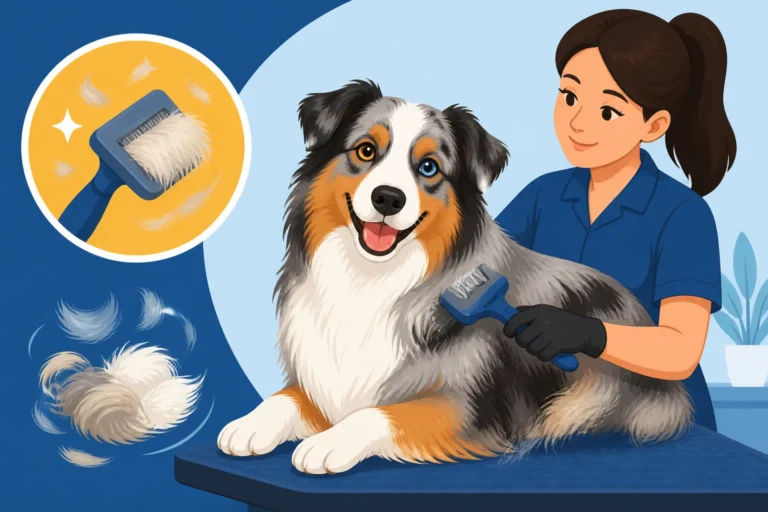
Start by gently massaging their coat and skin with your hands to feel for any tender spots or mats. Use a soft slicker brush or a wide-toothed comb for their outer coat, working in sections. For the dense undercoat, an undercoat rake can be effective, but use it with a very light touch, almost skimming the surface, especially around hips and elbows. Instead of long, sweeping strokes, use short, gentle passes.
Pay extra attention to areas prone to matting: behind the ears, armpits, and the "trousers" on their hind legs. These spots often require them to hold awkward positions or involve sensitive skin. If you encounter a mat, do not pull. Use a detangling spray and gently work it out with your fingers or a matting comb, taking your time. If it's too severe, it's better to carefully snip it out with blunt-nosed scissors (pointing away from the skin) or seek a professional groomer. Australian Shepherd Skin, Coat and Allergy Problems can also sometimes make the coat more sensitive, so be extra cautious.
Consider splitting brushing into very short sessions. For example, focus on one side of their body, then let them rest, and tackle another section later. This prevents prolonged standing or uncomfortable positions. You can also try brushing while they are lying down on a comfortable orthopedic bed. You can find a range of suitable brushes and detanglers on platforms like Chewy, which can be delivered right to your door.
Bathing and Drying
Bathing an arthritic Aussie can be a significant challenge, especially getting them in and out of the tub.
- Entry and Exit: If your tub is high, use a ramp designed for dogs or carefully lift them. A large, sturdy stool or steps can also help. Place a non-slip mat in the tub bottom to prevent slips.
- Water Temperature: Use lukewarm water. Cold water can stiffen joints, while excessively hot water can be uncomfortable.
- Support During Bath: If they struggle to stand, you can sit with them in a walk-in shower or use a gentle shower head to reach all areas. Speak calmly and reassuringly. A rubber curry brush can be a wonderful tool during a bath; it helps loosen shedding hair while providing a soothing massage, which can be very beneficial for stiff muscles.
- Shampoo and Rinse: Lather gently, focusing on areas that get dirtiest. Rinse thoroughly, as shampoo residue can cause skin irritation.
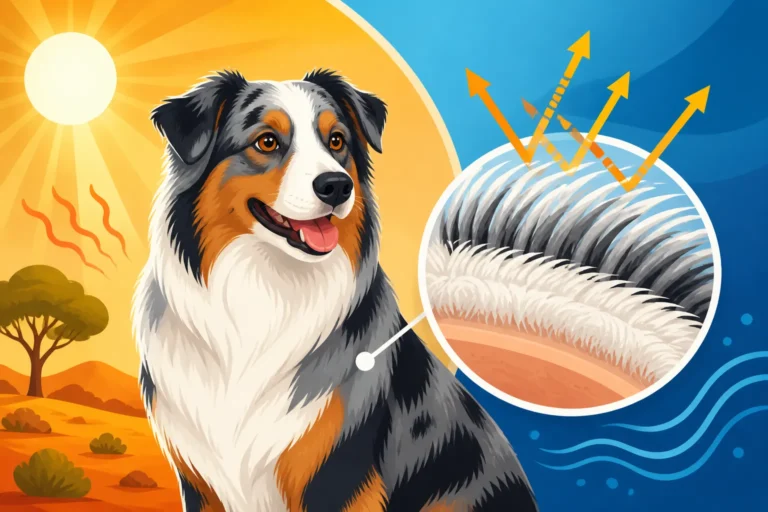
- Drying: The drying process is just as important. A wet coat can chill them, exacerbating joint pain. Towel-dry as much as possible, then use a low-heat, forced-air pet dryer. The forced air helps to dry the undercoat quickly without excessive brushing, reducing the need for prolonged handling. Ensure they are completely dry to prevent skin issues and further discomfort. Avoid letting them air-dry in a cool environment. Cooling Gear for a Double-Coated Aussie mentions insulation, but in cool weather, a wet coat will make them cold.
Nail Trims and Paw Care
Long nails can force an Aussie's paws into an unnatural position, increasing pressure and pain in their joints, especially in the toes and wrists. Regular, short nail trims are paramount.
- Frequency: You might need to trim nails more frequently in smaller increments rather than doing a big trim less often.
- Technique: Use very sharp clippers or a dremel. If using clippers, take off just the tip of the nail. For a dremel, grind a little at a time. The goal is to keep the quick from growing too long. Offer praise and treats after each nail.
- Positioning: Instead of forcing them to stand, try trimming nails while they are lying on their side. You might need a helper to distract them with treats or gently hold a paw. Work quickly and calmly.
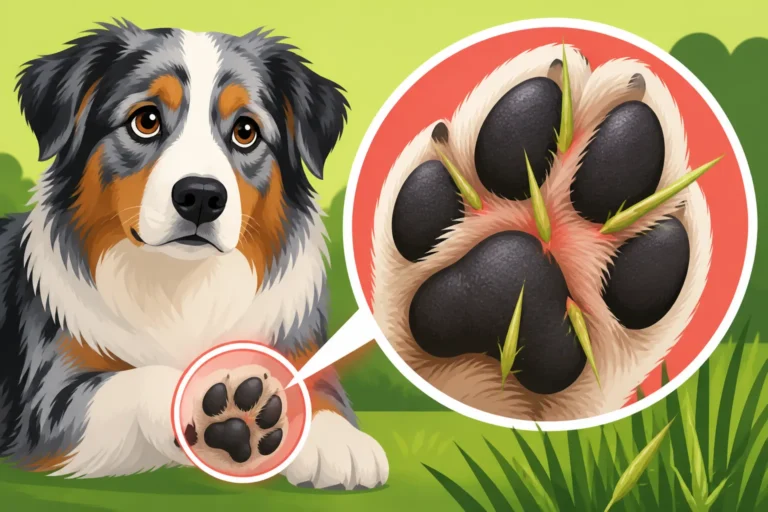
- Paw Pad Inspection: While you have their paws, gently inspect the paw pads for cracks, foreign objects (like Grass Seeds Working Into an Australian Shepherd Paw), or excessive hair growth between the pads. Trim any long hair that might cause slipping or trap debris. This also helps with traction on smooth floors, reducing the risk of falls.
Ear Cleaning and Eye Care
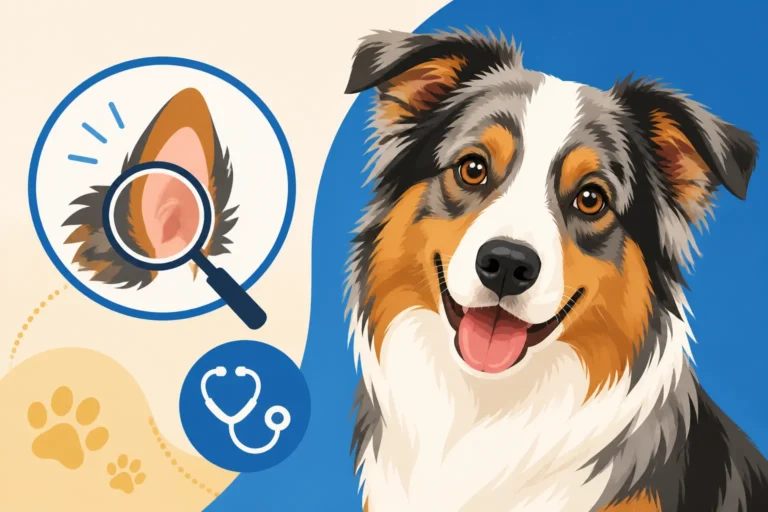
These tasks, while often quick, still require careful handling of the head and can cause discomfort if not approached gently. Australian Shepherd Dental and Ear Routine suggests regular checks, which are even more important now.
- Ear Cleaning: Australian Shepherds can be prone to ear infections, especially if their ears are floppy or if they spend time in water. Gently lift the ear flap. If your Aussie is sensitive about head touching, start with very light, reassuring strokes on the head and work your way to the ears. Use a vet-approved ear cleaning solution and cotton balls. Do not insert anything deep into the ear canal. If you notice redness, odor, or excessive discharge, consult your vet, as this could indicate an infection that needs medical attention.
- Eye Care: Check their eyes for any discharge, redness, or signs of irritation. Gently wipe away any crust or gunk with a soft, damp cloth, moving away from the corner of the eye. Be mindful of their vision, as An Old Australian Shepherd Losing Its Sight can also affect how they react to grooming.
When to Seek Professional Help and What to Look For
While home grooming is possible with adaptations, there comes a point where it might be too much for you and your Aussie. Knowing when to call in the professionals is a crucial part of responsible pet ownership.
Signs Your Aussie Needs Professional Grooming
Sometimes, despite your best efforts, grooming an arthritic Australian Shepherd becomes too painful or stressful for them, or too difficult for you to manage safely. Here are some signs it's time to seek professional help:
- Extreme Resistance or Aggression: If your Aussie becomes consistently aggressive (growling, snapping, biting) during grooming attempts, it's a clear sign they are in significant pain or distress. This isn't a behavior issue; it's a cry for help.
- Severe Matting: If their coat is severely matted, especially in sensitive areas, attempting to remove these at home can be excruciating. Professional groomers have specialized tools and techniques to remove mats safely and with minimal discomfort.
- Inability to Stand/Support Themselves: If your Aussie can no longer stand for even short periods, or struggles immensely with balance, home bathing or standing grooms become unsafe.
- Your Own Physical Limitations: Let's be honest, lifting a 50-70 pound Aussie, especially one who is resisting, can be physically taxing. If you have back problems or other physical limitations, it's safer for both of you to outsource the task.
- Increased Anxiety/Fear: If your Aussie develops a deep-seated fear of grooming tools or the grooming area, making every session a battle, a professional might be able to re-establish positive associations in a neutral environment.
- Recurring Skin or Ear Issues: If you notice persistent skin irritation, hot spots (Hot Spots Hidden in an Aussie Undercoat), or ear infections that you can't manage, a professional groomer can often spot these early and work with your vet to address them.
Finding an Arthritis-Friendly Groomer or Vet
Not all groomers are created equal, especially when it comes to senior or special needs dogs. You need someone who is patient, experienced, and understands the unique needs of an arthritic dog.
- Ask for Recommendations: Start by asking your veterinarian for recommendations. They often know local groomers who specialize in senior pets or have a gentle approach. Fellow Australian Shepherd owners in online groups or local clubs might also have excellent suggestions.
- Look for Experience with Senior/Special Needs Dogs: When you call potential groomers, explicitly ask about their experience with arthritic or senior dogs. Inquire about their techniques for gentle handling, non-slip surfaces, and willingness to accommodate frequent breaks or lying-down positions.
- Visit the Salon: If possible, visit the grooming salon beforehand. Is it clean, quiet, and calm? Do they have non-slip mats in their tubs and on their grooming tables? Do they use slings or supportive harnesses for dogs that struggle to stand?
- Communication with Your Vet: A good groomer will also be willing to communicate with your veterinarian, especially if your Aussie is on medication for arthritis or has other health concerns. They should be able to identify skin issues, lumps, or sore spots and bring them to your attention.
- Trial Session: Consider asking if they offer a short "meet and greet" or a partial grooming session (e.g., just nails) to see how your Aussie responds to them and their environment before committing to a full groom.
Sometimes, even a professional groomer can't manage. In those cases, a sedated groom at your vet's office might be the safest and kindest option for a severely painful or anxious Aussie. This ensures they are comfortable and stress-free throughout the process. Discuss this possibility with your vet if you've exhausted other options. Remember, The Aussie Cost Owners Never See Coming can include such specialized care, but their comfort is paramount.
Table: Regular vs. Arthritis-Friendly Grooming Adaptations
Here's a quick comparison of how common grooming tasks shift when caring for an arthritic Australian Shepherd:
| Grooming Task | Typical Approach (Young, Healthy Aussie) | Arthritis-Friendly Adaptation (Senior Aussie) |
|---|---|---|
| Brushing | Long, firm strokes; quick full-body sessions | Short, gentle strokes; frequent, brief sessions; focus on one body part at a time; soft brushes |
| Bathing | Lift into tub; stand for entire bath; air/towel dry | Ramp/steps for tub; non-slip mat; supportive slings; sit/lie during bath; warm water; forced-air dryer |
| Nail Trimming | Stand/sit; quick clipper use | Lie down if possible; sharp clippers or dremel; frequent, small trims; high-value treats |
| Ear Cleaning | Quick lift of ear; clean | Gentle head handling; gradual approach to ears; use calming voice |
| Paw Pad Care | Quick trim/inspection | Thorough, gentle inspection for comfort/traction; trim hair between pads meticulously |
| Environment | Any convenient space | Quiet, warm, non-slip surface; soft bedding; minimal distractions |
| Session Length | Full groom in one sitting | Multiple, short sessions; frequent breaks for rest |
| Approach | Task-focused | Comfort and pain management-focused; prioritize dog's well-being over perfection |
Caring for an arthritic Australian Shepherd requires a shift in perspective, moving from an efficient grooming routine to a compassionate, slow-paced ritual of care. By understanding their pain, adapting your techniques, and knowing when to seek professional help, you can ensure your beloved companion remains as comfortable and dignified as possible in their golden years.
Disclaimer
This article is for general informational purposes only and does not constitute professional advice. Laws, prices and regulations vary by location and change over time. Consult a qualified professional for guidance on your specific situation.