Whether Any Australian Shepherd Came From Australia
It’s a question that trips up so many people who are just falling in love with these incredible dogs, or even those who’ve lived with them for years: "Were Australian Shepherds actually bred in Australia?" The name itself is such a red herring, causing a widespread misunderstanding about where these intelligent, energetic, and loyal companions truly originated. If you’ve ever found yourself puzzled, wondering if your Aussie’s ancestors worked sheep on dusty Australian ranches, you're certainly not alone! This guide is here to clear up that persistent misnomer once and for all, diving deep into the fascinating, truly American story of the Australian Shepherd.
The Name Game: Why "Australian" Doesn't Mean "Down Under"
The biggest source of confusion surrounding the Australian Shepherd's origins is, without a doubt, its name. It's perfectly natural to assume that a dog named "Australian Shepherd" must have come from Australia, right? But in this case, the name tells a completely misleading story. It's a bit like calling a French fry a "French" fry; the name has stuck, but the actual history is far more nuanced and geographically distinct.
The Enigma Behind the Australian Shepherd Name
So, if not Australia, then why the name? The most commonly accepted theory, and one that makes perfect sense when you look at the historical movements of people and livestock, is that the name came from the sheep these dogs were often associated with. In the late 19th and early 20th centuries, Basque shepherds brought their working dogs with them as they migrated from the Pyrenees Mountains in Europe to the American West, often stopping in Australia first. These shepherds, and their highly effective dogs, frequently worked with flocks of Merino sheep that were imported from Australia. When American ranchers saw these skilled dogs working the "Australian" sheep, the moniker "Australian Shepherd" simply stuck. It wasn't about the dog's place of origin, but rather the origin of the livestock it so capably managed. It’s a linguistic shortcut that has endured, creating a mystery for generations of Aussie enthusiasts. If you want to delve deeper into this particular riddle, check out Why the Australian Shepherd Carries That Name.
Why No Australian Shepherd Existed Before America
It’s crucial to understand that the breed as we know it today — the distinct physical traits, the intense herding drive, the intelligence — did not exist anywhere in Australia. The Australian Shepherd is a uniquely American creation. The dogs that arrived with the Basque shepherds were ancestors, a mix of herding types, but they weren't yet "Australian Shepherds." The process of selective breeding, adapting to the specific demands of the vast ranches and harsh conditions of the American West, is what truly forged this breed. Imagine the enormous open spaces, the varying climates, and the need for a dog that could not only herd but also act as a vigilant farm guardian. These conditions, over decades, shaped the Australian Shepherd into the versatile and resilient dog we adore today. Without the specific environment and human intervention in the American West, the Australian Shepherd as a breed would simply not exist. This is a point that often surprises people who have always pictured their Aussie’s lineage hailing from the outback.
The True Roots: Basque Shepherds and American Ranches
The true story of the Australian Shepherd is interwoven with the grit and determination of shepherds who immigrated to the United States and the specific needs of the burgeoning American ranching industry. It’s a tale rooted in practicality, hard work, and the recognition of exceptional canine talent.
The Basque Herders Who Brought Aussie Ancestors
The real pioneers of the Australian Shepherd were the Basque shepherds. These skilled livestock handlers, hailing from the rugged Pyrenees region between France and Spain, began emigrating to the American West in large numbers during the 19th and early 20th centuries. They brought with them their invaluable working dogs, hardy and intelligent canines accustomed to working in challenging mountainous terrain. These dogs were not a formalized breed with a specific name like "Australian Shepherd" at the time, but rather a heterogeneous group of skilled herding dogs. They were selected for their working ability above all else: their stamina, their intelligence, their instinct to gather and control livestock. These dogs, and their dedicated handlers, laid the foundational genetic material for what would become the Australian Shepherd. It’s a testament to these immigrant shepherds that we have such a remarkable breed today. For more on their historical journey, read The Basque Herders Who Brought Aussie Ancestors.
The Gold Rush Flocks That Made the Aussie
The mid-19th century Gold Rush in California wasn't just about striking it rich with minerals; it created an immense demand for food, particularly meat. This led to a boom in sheep ranching, which, in turn, fueled the need for highly capable herding dogs. The vast, often unfenced lands of the American West were a stark contrast to the smaller, more enclosed pastures of Europe. Ranchers needed dogs that could cover immense distances, work independently, and handle large flocks in diverse terrain, from mountains to deserts. The dogs brought by the Basque shepherds proved to be exceptionally well-suited for this demanding environment. Their natural instincts, combined with their adaptability, made them indispensable tools for these ranchers. They were working partners, essential to the survival and success of the ranching operations. Their invaluable contribution to the prosperity of these early American ranches is a crucial chapter in the Aussie's story. If you're curious about this period, The Gold Rush Flocks That Made the Aussie provides further insight.
Aussie Ancestors Worked in California, Colorado and Wyoming
While the breed's origins might be European in terms of its earliest ancestors, its development into the Australian Shepherd we recognize today happened squarely in the American West. States like California, Colorado, Idaho, Nevada, and Wyoming became the crucibles where the breed was forged. These regions offered the challenging landscapes and large-scale ranching operations that demanded a highly specific type of herding dog. Ranchers in these areas began selectively breeding these Basque dogs, often crossing them with other working collies and sheepdogs they encountered, always with an eye toward improving their herding prowess, intelligence, and stamina. This wasn't a formal kennel club endeavor initially, but a practical, organic process driven by the daily needs of working cowboys and shepherds. It’s here, amidst the dust and wide-open spaces, that the Australian Shepherd truly found its identity. You can learn more about these specific geographical influences by exploring Aussies Bred in California, Colorado and Idaho. When considering equipment for a working-line Aussie, even today, places like Chewy offer robust gear designed for durability, harkening back to the need for quality tools for these hardworking dogs.
A Melting Pot of Herding Talent: Building the Aussie We Know
The development of the Australian Shepherd was less about a single lineage and more about a purposeful blend of various herding talents, meticulously selected to create the ultimate ranch dog. It was a pragmatic approach, focusing on function over fancy.
Pyrenean Shepherds and the Aussie
Among the various types of dogs the Basque shepherds brought to America, the Pyrenean Shepherd is often cited as a significant contributor to the Australian Shepherd's genetic makeup. These smaller, agile, and incredibly intelligent dogs were known for their tireless work ethic and keen herding instincts. They were accustomed to traversing steep, rocky terrain and managing flocks with a watchful eye and quick movements. The infusion of these traits helped establish the agility, endurance, and sharpness that are hallmarks of the Australian Shepherd. Imagine a dog nimble enough to navigate treacherous mountain paths but also powerful enough to turn a stubborn ewe. These qualities were highly valued by American ranchers and became integral to the developing Aussie type.
Working Collies in the Aussie Family Tree
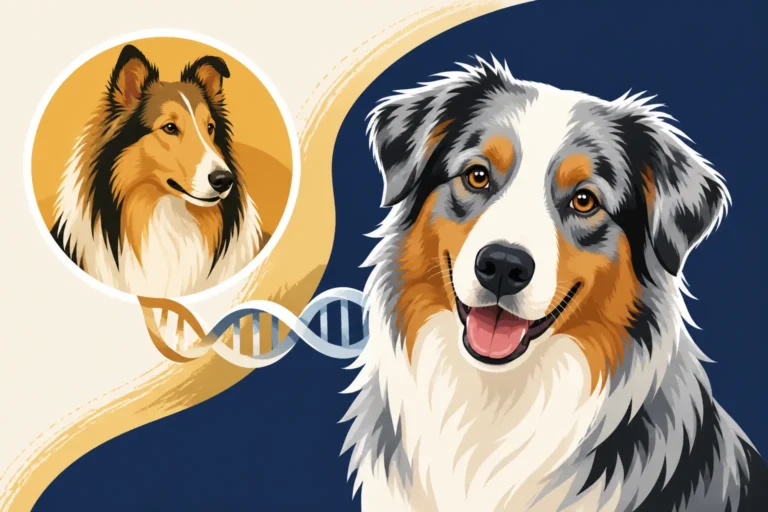
Beyond the Basque dogs, various types of British sheepdogs and collies also played a role in shaping the Australian Shepherd. As ranchers sought to refine the herding abilities of their dogs, they would often introduce bloodlines from other proven working breeds. These "collie-type" dogs contributed to the Aussie's famed intelligence, trainability, and the classic "eye" used in herding—that intense stare used to control livestock. The goal was always to create a dog that was not only robust and resilient but also exceptionally biddable and quick to learn. This blending of different herding talents resulted in a dog that possessed a broad range of skills, making it adaptable to different types of livestock and various herding challenges. It truly was a melting pot of working dog genetics, all converging to create the ultimate ranch hand.
How Aussie Type Settled by the 1950s
By the mid-20th century, the Australian Shepherd began to gain broader recognition, largely thanks to its prominence in rodeo circuits across the American West. Jay Sisler, a famous rodeo performer, traveled the country with his incredibly talented Australian Shepherds, demonstrating their intelligence and agility with amazing tricks and herding demonstrations. His dogs, and others like them, showcased the breed's versatility and smarts to a wider audience. This exposure helped solidify the breed's characteristics and promote its unique capabilities beyond the ranch. People started seeing these dogs not just as anonymous working animals, but as a distinct, identifiable breed with incredible potential. This period of popularization was crucial in formalizing the "Australian Shepherd" type, moving it from a general working dog to a recognized and admired breed. You can read more about this exciting time in the breed's history in How Rodeo Fame Spread the Aussie Nationwide. Whether you're training for advanced tricks or just teaching basic obedience, knowing the history of how the breed developed its keen intelligence can really inform your approach. Many modern trainers suggest specific enrichment toys and training aids, easily found on sites like Chewy, to tap into this innate intelligence.
Here's a quick summary of the Australian Shepherd's origin story:
| Feature | Common Misconception | Actual History |
|---|---|---|
| Origin Country | Australia | United States (specifically the American West) |
| Origin of Name | Bred in Australia | Named after "Australian" Merino sheep brought by Basque shepherds |
| Earliest Ancestors | Unknown, specific Australian breeds | Herding dogs brought by Basque immigrants from the Pyrenees, blended with various working collies/sheepdogs |
| Development Period | Early 19th Century in Australia | Mid-19th to Mid-20th Century in the American West (California, Colorado, Idaho, Nevada, Wyoming) |
| Driving Force | Australian ranching needs | American Gold Rush, Western ranching boom, and need for versatile working dogs in diverse terrains |
| Key Influencers | Australian sheep farmers | Basque shepherds, American ranchers, rodeo performers like Jay Sisler |
So, the next time someone asks you about your Australian Shepherd, you can confidently tell them that despite their name, these remarkable dogs are as American as apple pie and wide-open spaces! Their story is a beautiful testament to immigration, hard work, and the incredible bond between humans and their canine partners, forged right here on American soil. Their deep herding instincts and intelligence are directly inherited from the challenges and demands of those early days, making them truly special companions.
Disclaimer
This article is for general informational purposes only and does not constitute professional advice. Laws, prices and regulations vary by location and change over time. Consult a qualified professional for guidance on your specific situation.