How Rodeo Fame Spread the Aussie Nationwide
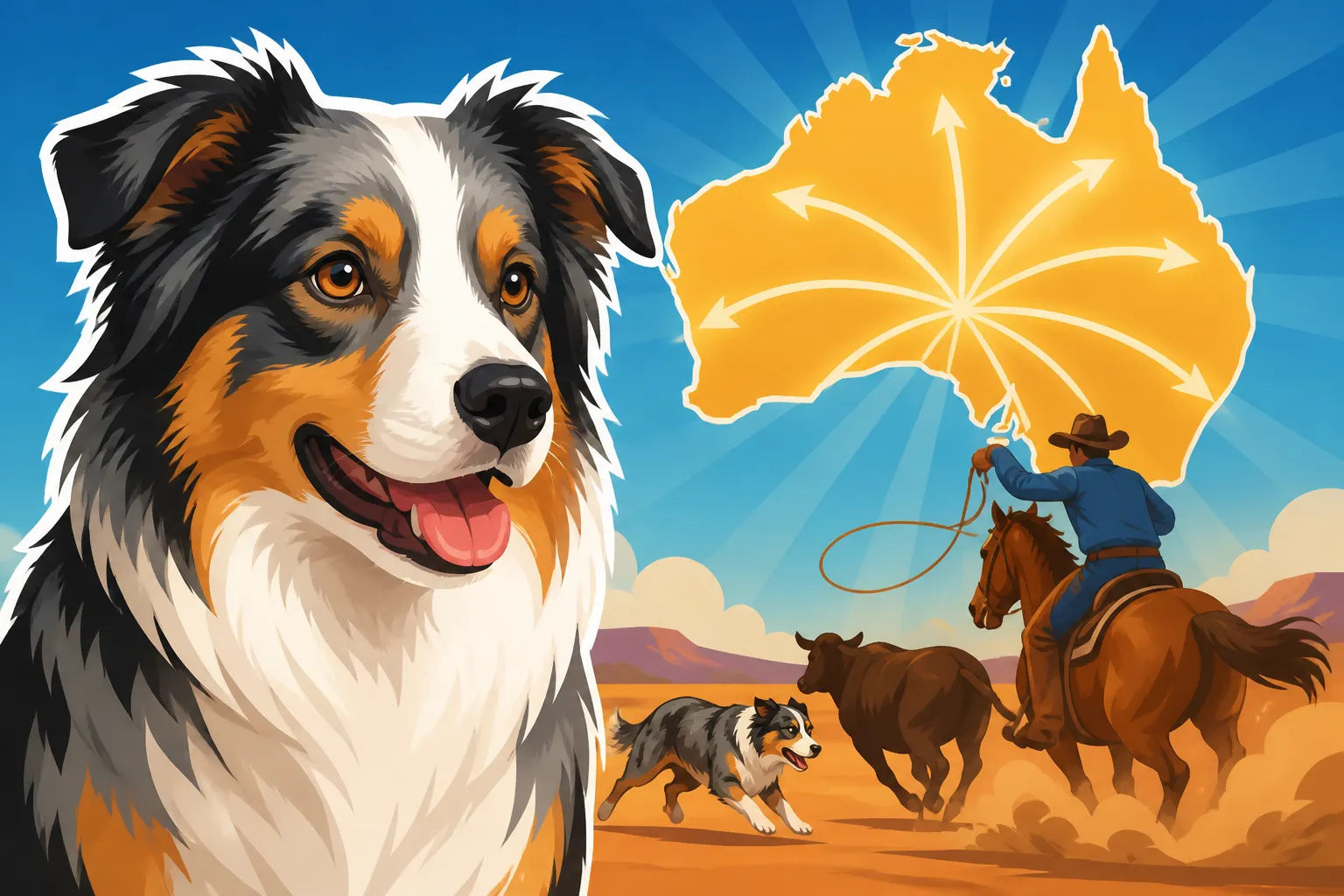
It’s a funny thing, isn't it? When you first hear the name "Australian Shepherd," you naturally assume these clever, striking dogs originated Down Under. But the truth is, their roots are firmly planted right here in the American West. Many of us discover this intriguing fact and wonder, "So how did they get that name, and how did they become so widely known?" This guide is all about tracing the fascinating journey of the Australian Shepherd, from obscure ranch dog to national favorite, largely thanks to the glitz and grit of the rodeo arena.
The Aussie's Humble Beginnings on Western Ranches
Before they were stars, Australian Shepherds were indispensable partners on sprawling American ranches. They weren't bred for their looks or flash, but for their incredible work ethic and intelligence. This was a breed forged by necessity, a true working-class hero of the canine world.
From Basque Sheepherders to American Ranch Dogs
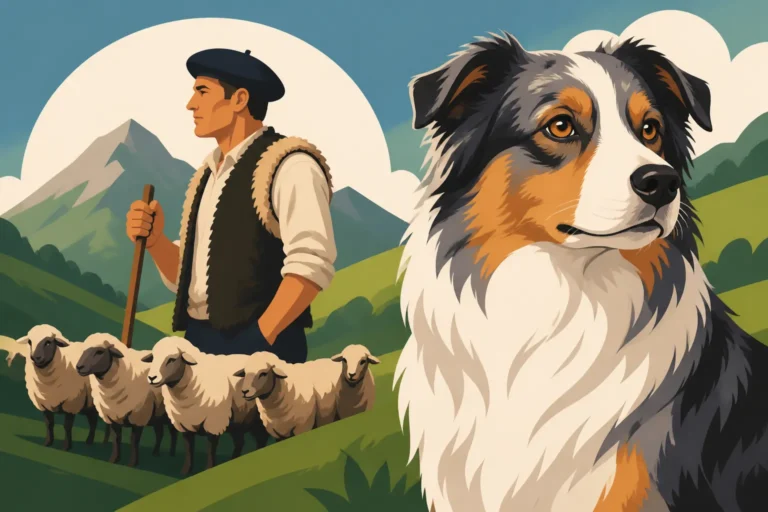
The story of the Australian Shepherd actually begins with Basque shepherds who emigrated to the American West in the 19th and early 20th centuries, often bringing their herding dogs with them. These shepherds sometimes came from Australia after a stint working sheep there, and it's thought that this connection, combined with their dogs' origins, led to the "Australian" part of the name. It wasn't about the dog breed itself being Australian, but rather the origin of the shepherds who helped develop it in America. These dogs were likely a mix of various European herding breeds, including Pyrenean Shepherds and different types of Collies, all contributing to the versatile, smart dogs we know today.
American ranchers saw the value in these diligent, biddable dogs. They needed an animal that could handle tough terrain, work diverse livestock—from sheep and cattle to ducks and goats—and possess the stamina to put in a full day's work. They selectively bred for these traits, honing the intelligence and instinct that makes an Australian Shepherd so unique. There's a rich history there, tracing The Basque Herders Who Brought Aussie Ancestors and how their influence shaped the breed.
A Working Dog Built for the American West
The climate and expansive landscapes of the American West demanded a specific type of dog. They needed to be resilient against varied weather, quick on their feet, and sharp-minded enough to outsmart stubborn livestock. The Australian Shepherd fit the bill perfectly. Their intense "eye," which allows them to stare down and control animals with minimal physical contact, became a hallmark. They were invaluable for moving herds, locating strays, and generally making a rancher's life significantly easier. These dogs weren't just pets; they were integral family members and vital employees, their lives woven into the fabric of daily ranch operations. They learned to anticipate commands, read livestock, and even manage themselves when out of direct sight, showcasing a level of independent thinking crucial for effective herding.
The Rodeo Arena: An Unexpected Spotlight
While Australian Shepherds were diligently working on ranches, another quintessentially American phenomenon was taking shape: the rodeo. And it was here, in the dust and spectacle of the rodeo grounds, that the Australian Shepherd truly began to shine on a much larger stage.
The Cowboy's Best Friend in the Spotlight
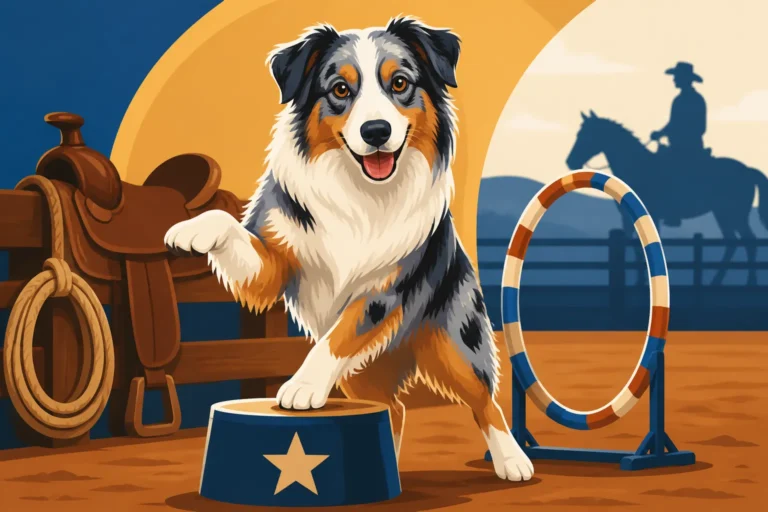
Rodeos weren't just about bull riding and bronc busting; they were full-fledged entertainment events that often featured trick animals and crowd-pleasing acts. Cowboys, already familiar with the intelligence and agility of these "Aussie" dogs from their ranch work, started incorporating them into their rodeo performances. They would bring out their trusted canine companions not just to help manage livestock behind the scenes, but to perform incredible feats for the cheering crowds. These dogs would run barrels, jump obstacles, and even assist in herding unruly cattle into chutes, demonstrating their boundless energy and quick learning ability. You can imagine the roar of the crowd when an Aussie, perhaps a stunning blue merle, darted across the arena, showcasing its natural athleticism. Australian Shepherds in Rodeo Arenas became a highlight, a moment where the gritty work of the ranch met the dazzling lights of the show.
Jay Sisler and the Rise of the Trick Dog
If there's one name synonymous with launching the Australian Shepherd into the national consciousness, it's Jay Sisler. A talented horseman and rodeo performer from Idaho, Sisler recognized the extraordinary potential in his Australian Shepherds. He wasn't just working them; he was teaching them intricate tricks that went far beyond typical obedience. His dogs, like Stub and Shorty, became legendary. They could jump rope, walk tightropes, balance on barrels, and even "herd" ducks into formation, all with an uncanny eagerness and intelligence.
Sisler's acts were so popular that they became a staple at rodeos, fairs, and exhibitions across the country. People were mesmerized by these intelligent, charismatic dogs. They weren't just performing tricks; they were captivating audiences with their obvious bond with Sisler and their sheer joy in their work. This exposure was pivotal. For many Americans, seeing Jay Sisler's Australian Shepherds was their very first introduction to the breed, and it left an indelible impression.
From Rodeo Star to Household Name
The magic of Jay Sisler and his remarkable Australian Shepherds wasn't confined to the rodeo arena. Their fame began to spread through other powerful mediums, eventually turning a regional working dog into a national sensation.
Television and Film Appearances
As television became a household staple in the mid-20th century, so did the opportunities for Jay Sisler and his canine stars. His dogs made appearances on popular variety shows and even in Walt Disney films, like "Stub: The Best Cowdog in the West" and "Run, Appaloosa, Run." Imagine sitting in your living room, watching these incredible dogs on the screen, performing feats you'd never dreamed possible for a canine. This kind of national exposure was invaluable. It took the Australian Shepherd out of the niche world of rodeo and ranching and placed them squarely in America's living rooms. People everywhere started to see what dedicated ranchers and cowboys had known for years: these dogs were exceptionally smart, trainable, and utterly charming. Australian Shepherds in Films and Television showed the world their versatility and intelligence, igniting widespread interest.
Word of Mouth and Breed Recognition
With their rising profile, the demand for Australian Shepherds began to grow beyond the traditional working homes. People who saw them at rodeos or on television wanted one of their own. This organic spread, fueled by word-of-mouth and genuine admiration, led to more people seeking out breeders. Early enthusiasts and breeders, many of whom were still deeply rooted in working dog circles, began to form breed clubs to preserve the Australian Shepherd's integrity and working ability.
The breed's popularity steadily climbed throughout the latter half of the 20th century, eventually leading to official recognition by major kennel clubs. The Australian Shepherd Club of America (ASCA) was established in 1957, focusing on the preservation of the working Aussie. Later, after much debate and consideration within the breed community, the American Kennel Club (AKC) recognized the Australian Shepherd in 1993, placing it in the Herding Group. This formal recognition marked a significant milestone, solidifying their place as a beloved and respected breed nationwide. It was a long journey, full of dedicated individuals working to ensure the breed's future, as highlighted in topics like The Wait Before the Aussie Reached the AKC.
Here's a quick look at the key factors in the Aussie's rise to fame:
| Factor | Impact |
|---|---|
| Ranch Work | Developed intelligence, athleticism, and trainability |
| Rodeo Exposure | Introduced the breed to a wider, non-ranching audience |
| Jay Sisler | Showcased exceptional trick abilities, creating national buzz |
| Media (TV/Film) | Brought the Aussie into homes nationwide, increasing demand |
| Breed Clubs | Formalized standards and promoted responsible breeding |
| AKC Recognition | Cemented status as a legitimate and popular breed across America |
The Enduring Legacy of Rodeo Fame
The Australian Shepherd's journey from a ranch hand to a rodeo star and ultimately a national favorite has left a lasting impact on the breed we cherish today.
Shaping the Modern Australian Shepherd
The early emphasis on performance, first on the ranch and then in the arena, instilled a deep-seated desire to work and please within the breed. Modern Australian Shepherds still possess that incredible biddability, intelligence, and athleticism. While many Aussies today are beloved family pets, their love for learning and activity is a direct inheritance from those who needed them to perform complex tasks, whether herding a flock or performing a trick routine. This desire to have a "job" is why many owners find puzzle toys, training classes, and dog sports so vital for their Aussies. Without mental and physical engagement, an Australian Shepherd can become bored, restless, and even destructive—a testament to their inherent drive. Brands like Chewy offer a fantastic array of enrichment toys and training aids specifically designed for intelligent, active breeds like the Aussie, making it easier for modern owners to meet these needs.
The Australian Shepherd Today: A Versatile Companion
Today, the Australian Shepherd enjoys immense popularity as a family companion, a competitor in dog sports like agility, obedience, and flyball, and yes, still as a working dog on farms and ranches. Their striking good looks, coupled with their bright minds and loyal dispositions, make them incredibly appealing. However, their history also serves as a crucial reminder for prospective owners: this is not a breed content to sit on the couch all day. They thrive on interaction, training, and a sense of purpose.
Whether they're competing in a herding trial, sniffing out treats in a Scent Games That Tire an Australian Shepherd puzzle, or simply going for a brisk hike with their family, modern Aussies continue to embody the spirit of their ranch and rodeo ancestors. They represent the best of what a working dog can be: intelligent, adaptable, and a truly dedicated partner in life. Understanding their origins, from the working ranch to the dazzling rodeo arena, helps us appreciate the depth of their character and ensures we provide them with the fulfilling lives they deserve.
Disclaimer
This article is for general informational purposes only and does not constitute professional advice. Laws, prices and regulations vary by location and change over time. Consult a qualified professional for guidance on your specific situation.