What Ranchers Wanted From an Australian Shepherd
Many folks today see the Australian Shepherd as a beautiful, high-energy family dog, but their roots are deeply embedded in the demanding world of ranching. Long before they became popular companions, these dogs were bred for very specific, practical purposes on American ranches. This guide will take you back to those early days, exploring the exact qualities and abilities that made the Australian Shepherd an indispensable partner for ranchers, and why those traits still define the breed's character today.
The Foundation of the Working Aussie: Instinct and Drive
Ranchers weren't looking for a pretty face or a docile lapdog. They needed a four-legged colleague, a partner capable of handling the immense challenges of open range and diverse livestock. This meant prioritizing deep-seated instincts and an almost boundless drive to work. The very essence of the Australian Shepherd was forged in the crucible of ranching needs, where practical ability far outweighed superficial appearance.
Untamed Herding Instinct
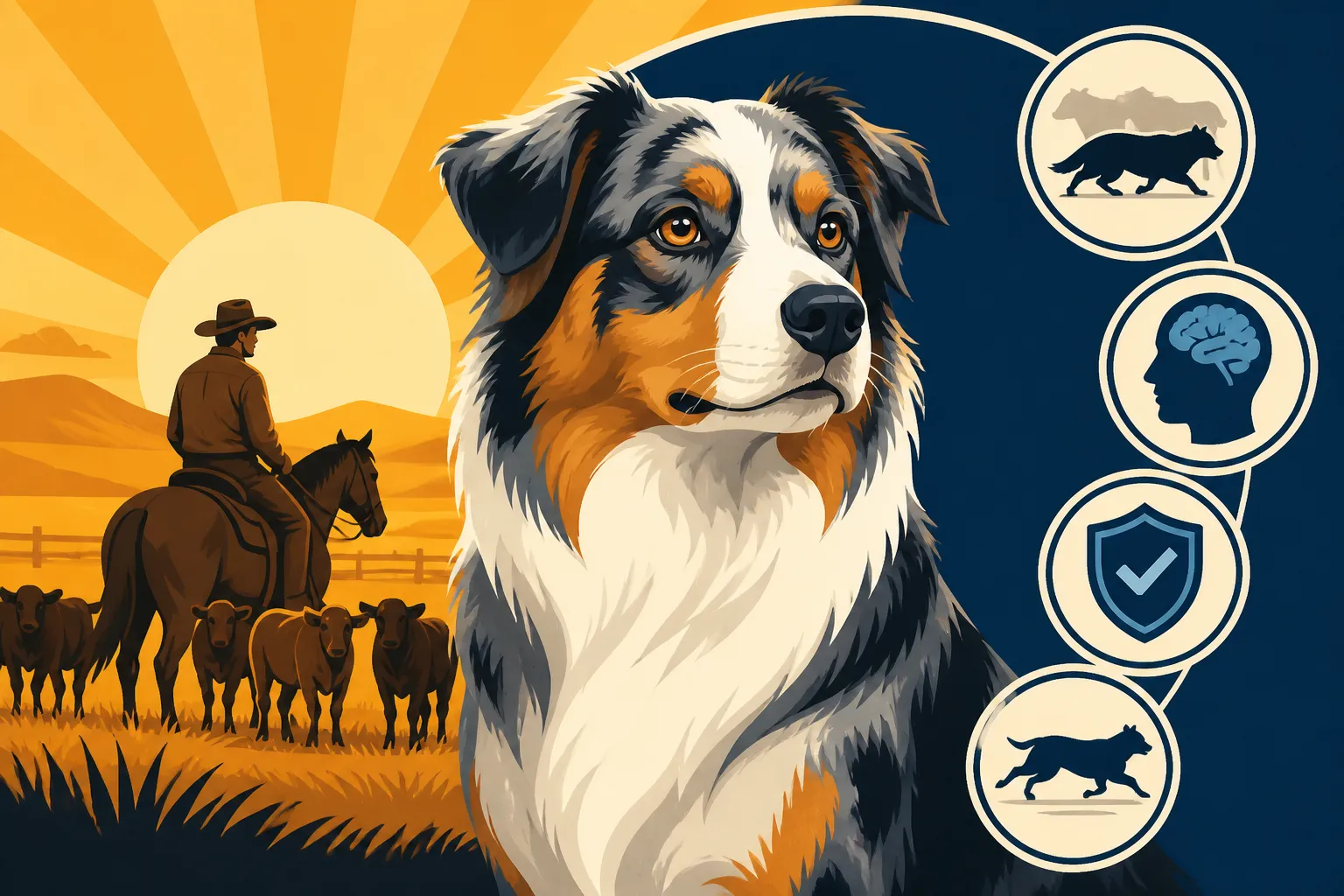
At the absolute top of the list for any rancher was a strong, natural herding instinct. This wasn't just about chasing animals; it was about the innate desire to gather, drive, and control livestock. Ranchers needed a dog that understood the nuances of working cattle, sheep, and even horses, often in vast, unfenced areas. This meant a dog with "eye" – the intense stare that can move stock without physical contact – but also the biddability to listen to commands and work in unison with its handler. Without this instinct, a dog was simply a pet; with it, an Australian Shepherd was an invaluable asset, saving hours of manual labor and preventing livestock from straying or getting into trouble. They had to be able to "read" stock, anticipating their movements and blocking escape routes, all while remaining calm and effective under pressure. This fundamental drive is precisely Why Herding Instinct Is the Aussie Operating System.
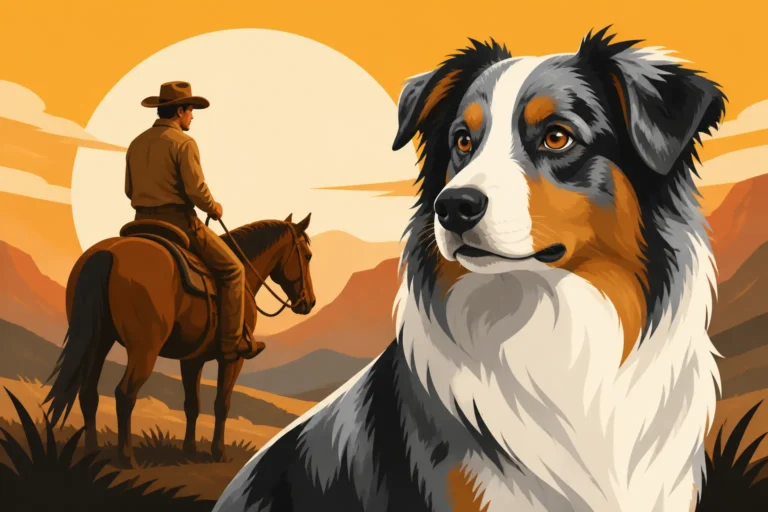
Imagine a scenario on a sprawling Western ranch: a small herd of cattle needs to be moved from a distant pasture to the corrals for branding or vaccination. A single rancher on horseback, accompanied by one or two skilled Australian Shepherds, could accomplish this task efficiently. The dogs would flank the herd, gently but firmly nudging stragglers, driving the group forward, and holding them together without causing panic or injury. This kind of work is simply impossible without a dog possessing a powerful, yet controllable, herding instinct. It’s what allowed them to replace multiple human hands, making ranch operations more feasible and economical.
Intelligence and Problem-Solving
Beyond raw instinct, ranchers desperately needed intelligent dogs capable of independent thought and problem-solving. While they relied on commands, the sheer unpredictability of livestock and terrain meant a dog often had to make split-second decisions on its own. A cow breaking from the herd, a gate left open, a hidden gully – these situations demanded a dog that could assess, react, and correct without constant direction from the handler. This intellectual capacity wasn't just about learning tricks; it was about applying understanding to real-world, dynamic situations. This is why many experienced handlers speak of Aussies as dogs that think alongside you, not just for you.
Consider a dog tasked with finding a lost lamb in a thick brush. A truly intelligent Australian Shepherd wouldn't just wander aimlessly; it would use its nose, its understanding of animal behavior, and its memory of the terrain to systematically search. Once found, it would then figure out the safest way to bring the lamb back to the flock, perhaps herding it gently or leading the handler to its location. This mental agility made them more than just tools; they were active contributors to the daily success of the ranch. Their ability to quickly grasp and remember complex sequences of commands also meant less training time for the rancher, a precious commodity.
Unwavering Focus and Stamina
Ranch work is not a sprint; it's a marathon, often under challenging conditions. Ranchers required dogs with incredible physical stamina and an unwavering mental focus. A dog couldn't lose interest after an hour or become distracted by wildlife or other stimuli. It had to be able to work from dawn till dusk, covering miles of rough terrain, through heat, cold, dust, and mud, all while maintaining its concentration on the task at hand. This demanded not just physical fitness, but a strong work ethic and a deep desire to please its handler and complete the job.
Imagine an Australian Shepherd tirelessly circling a herd for hours, ensuring no animal strays, even as the sun beats down or a chilly wind blows. This kind of sustained effort required exceptional health and conditioning, as well as a temperament that found satisfaction in the work itself. Their ability to keep going, to stay "on" even when their human partner might be flagging, was a testament to the robust constitution that early ranchers bred into these dogs. You'll often hear current owners say that How Much Daily Exercise an Australian Shepherd Needs is considerable, and this comes directly from their ranching heritage.
Essential Traits for Ranch Work: Versatility and Resilience
Beyond the fundamental instincts, the practicality of ranch life demanded a dog that was adaptable, tough, and self-sufficient. Ranchers couldn't afford a specialized dog that only worked one type of animal or faltered in adverse conditions. They needed a robust, all-around utility dog that could handle whatever the day threw at it.
Adaptability to Diverse Livestock
One of the most valuable traits ranchers sought in an Australian Shepherd was its versatility across different types of livestock. Unlike some breeds that specialize in sheep or cattle, the Australian Shepherd was expected to work both, and often horses too. This meant having a herding style that could be adjusted: a firmer, more assertive presence for stubborn cattle, and a softer, gentler approach for flighty sheep or valuable horses. This adaptability was crucial on ranches that often had mixed herds or needed dogs for various tasks throughout the year.
Think about a dog transitioning from calmly moving a flock of ewes and lambs one day, to helping cut out a specific calf from a larger, more boisterous herd the next. This requires a nuanced understanding of animal psychology and the ability to modify their herding pressure accordingly. A dog that was too "strong" for sheep might cause them to scatter or injure themselves, while a dog too "soft" would be ignored by cattle. The ideal Australian Shepherd possessed the instinct and intelligence to strike the right balance, making them truly multi-purpose partners on the ranch. This trait is a huge part of Australian Shepherd Temperament and Working Character.
Endurance for Long Days
Ranch work isn't confined to short shifts or ideal weather. Days can be incredibly long, starting before sunrise and ending well after sunset, especially during busy seasons like calving or lambing. Ranchers needed dogs that could match their own grueling pace, maintaining their energy and effectiveness throughout these extended periods. This demanded not just physical stamina but also mental fortitude – a dog that wouldn't "burn out" or lose its drive halfway through the day. Their metabolism and physical build were naturally selected for this kind of sustained effort.
A dog that could run alongside a horse for miles, then spend hours patiently holding stock, and still have the energy for one last job before dark, was priceless. This endurance wasn't just about distance; it was about the ability to work consistently without flagging, always ready for the next command. Their compact, athletic build and efficient gait were perfect for covering vast distances efficiently without excessive fatigue. Many Aussies thrive on a diet designed to support this level of activity, with options from a brand like Chewy often offering performance formulas.
Toughness and Self-Sufficiency
Life on a ranch is not always comfortable or safe. Dogs needed to be tough, capable of navigating rough terrain, enduring harsh weather, and shrugging off minor bumps and scrapes. They couldn't be delicate or prone to injury, as a sidelined dog was a liability. Beyond physical toughness, a degree of self-sufficiency was also important. While always working with their handler, they often had to operate independently for short periods, perhaps holding a section of fence line or patiently waiting for instructions. This meant being robust in body and spirit.
Consider an Australian Shepherd working a herd in a dusty, rocky pasture under the summer sun, or perhaps through driving rain in the autumn. They needed a double coat to protect them from the elements and tough paw pads to handle uneven ground. They also needed a resilient temperament that wouldn't be easily intimidated by larger livestock or unexpected challenges. This hardiness meant fewer vet visits for minor issues and a dog that could consistently perform its duties regardless of the conditions. This also relates to their Australian Shepherd Hip Dysplasia and Working Joints, as healthy, resilient joints are key to a long working life.
The Ideal Temperament for Ranch Life: Partnership and Alertness
Ultimately, a working dog isn't just a tool; it's a living, breathing partner. Ranchers desired specific temperament traits that fostered a strong working relationship, ensured the safety of their livestock and family, and allowed for seamless communication.
A True Collaborator, Not Just a Worker
More than just being intelligent and instinctual, ranchers needed a dog that truly wanted to work with them. This meant a strong desire to please, a keen attentiveness to its handler, and a biddability that allowed for precise direction. This collaborative spirit distinguished the Australian Shepherd from dogs that might simply herd on their own initiative or those that lacked the focus to follow complex commands. They became an extension of the rancher's will, anticipating needs and executing tasks with minimal instruction.
Imagine a rancher giving a subtle hand signal or a quiet whistle, and their Australian Shepherd immediately shifts direction, gathers a few stray lambs, and brings them back to the main flock. This level of communication and cooperation comes from a deep bond and a dog that is constantly "checking in" with its handler. It’s a true partnership, built on trust and mutual understanding, where the dog isn't just following orders but actively participating in the problem-solving. This connection is why people often talk about the deep loyalty of an Aussie.
Protective Yet Stable Demeanor
Ranches, especially those in more isolated areas, required dogs that could also serve as guardians. This meant being alert to strangers, predators, or anything out of the ordinary, and being willing to defend their territory, livestock, and family if necessary. However, this protective instinct needed to be balanced with a stable, discerning temperament. A dog that was overly aggressive or prone to indiscriminate barking would be more of a hindrance than a help, particularly around visitors, children, or other working dogs.
The ideal Australian Shepherd possessed a natural wariness of strangers, but once introduced and accepted, they would typically settle. They were alert barkers, announcing arrivals or potential threats, but not typically incessant noisemakers. This balance meant the rancher had an effective alarm system and a deterrent against intruders, without having to manage an unpredictable or dangerous animal. This stable, protective nature meant that ranch children were often safe with their working dogs, who considered them part of their "flock" to be watched over. You often see this reflected in a good breeder's focus on a balanced Australian Shepherd Temperament and Working Character.
Intuitive Understanding of the Handler
Finally, ranchers highly valued a dog that seemed to "know" what they wanted, sometimes even before a command was given. This intuitive understanding developed from countless hours working side-by-side, where the dog learned to read its handler's body language, subtle cues, and routines. This deep connection streamlined operations, allowing for quicker responses and less verbal direction, which was particularly useful in noisy or windy conditions where commands might be hard to hear.
This almost telepathic connection made the Australian Shepherd an exceptional working partner. A glance, a shift in posture, a particular tone of voice – these could be enough to prompt the dog into action. It fostered an incredible efficiency in the field, saving valuable time and reducing frustration. This strong bond often extends into the home life of pet Aussies today, making them highly attuned and responsive companions, though sometimes a little too good at anticipating what you're about to do! Items from a brand like Chewy, such as interactive toys, can help stimulate this keen intuition even in a non-working setting.
Enduring Legacy: How Ranch Needs Shaped Today's Aussie
The needs of the early American ranchers didn't just define the working Australian Shepherd; they fundamentally shaped the entire breed, influencing its physical characteristics, its inherent drives, and its distinctive personality. Even if today's Australian Shepherd lives in a suburban home and has never seen a sheep, the genetic blueprint for a capable, intelligent, and driven working dog remains strong.
The Modern Working Line Connection
For many who breed or own working Australian Shepherds today, the goals of those early ranchers are still paramount. They prioritize dogs with strong, natural herding instincts, exceptional biddability, and the stamina to perform challenging tasks. These "working line" Aussies are direct descendants of those ranch dogs, and breeders strive to maintain the very traits that made them indispensable. Their breeding choices are still heavily influenced by performance in the field, whether that's working livestock, competing in agility, or participating in other high-level dog sports.
These dogs are often leaner, more intense, and possess an almost relentless drive to be active and engaged. They need a "job" to be truly happy and fulfilled, whether that's actual livestock work, advanced obedience, or intense dog sports like agility or frisbee. Whether an Aussie Needs a Job to Be Calm is a common question, and for many working line dogs, the answer is a resounding yes. Their minds and bodies are simply wired for purposeful activity, and without it, they can become restless, destructive, or develop behavioral issues.
Why Drive Persists in Pet Aussies
Even Australian Shepherds bred primarily for companionship or the show ring still carry the strong genetic echoes of their ranching ancestors. While selective breeding might have softened some of the more intense edges, the core instincts of intelligence, energy, and a desire to work remain. This is why a "pet" Australian Shepherd can often surprise its owners with its intelligence, its need for mental stimulation, and its seemingly boundless energy.
Many owners who bring home an Aussie quickly learn that "a walk around the block" simply isn't enough. These dogs require consistent physical exercise that goes beyond a casual stroll, and crucially, they need mental challenges to keep their sharp minds occupied. Puzzle toys, training classes, and engaging activities are essential to prevent boredom and potential behavioral problems. Understanding Australian Shepherd Behavior Problems From Under-Exercise is key for any owner, as these issues are often a direct result of failing to meet the deeply ingrained needs that originated on those American ranches. The ranchers of yesteryear molded a breed for rugged efficiency, and that powerful legacy continues to define the Australian Shepherd we know and love today.
Disclaimer
This article is for general informational purposes only and does not constitute professional advice. Laws, prices and regulations vary by location and change over time. Consult a qualified professional for guidance on your specific situation.