Whether an Aussie Merle Coat Fades With Age
It’s a question that keeps many Australian Shepherd owners up at night, especially those of us who fell head-over-heels for that stunning, marbled merle coat: will that gorgeous, intricate pattern fade as your beloved Aussie gets older? It’s a completely natural concern, as our dogs’ appearances do change over time, and the merle pattern is so unique and striking. This guide is here to walk you through the realities of how an Australian Shepherd's merle coat evolves, separating myth from reality, and helping you understand what’s truly normal versus what might be a sign of something else.
Understanding the Merle Gene and Its Expression
Let's start with the basics of what makes a merle Australian Shepherd so visually captivating. It's all thanks to a specific gene, often referred to as the M locus. This gene isn't just about color; it literally controls how pigment is expressed in a way that creates that famous mottled, dappled, or patched appearance. Without this gene, you wouldn't have those beautiful swirls of lighter and darker shades.
The Science Behind Merle Coloration
The merle gene is a dominant gene, which means an Australian Shepherd only needs one copy of it (often denoted as Mm) to display the merle pattern. What it does, scientifically speaking, is dilute random areas of the base coat color. If your Aussie has a black base, you get blue merle; if they have a red base, you get red merle. Imagine tiny little switches all over the dog's coat, and the merle gene randomly flicks some of them to "dilute" and others to "full color." This creates the unpredictable, stunning patches that range from light silver or cream to dark grey or liver, all mixed with the original solid color. It’s not just the hair, either; the merle gene can also affect eye color, leading to those captivating blue or marbled eyes, and even nose pigment. You can dive deeper into this fascinating genetic trait by reading The Merle Gene and How It Dilutes Aussie Coat.
The way the merle gene expresses itself is incredibly variable, even within the same litter. You might see a puppy with large, distinct patches of dilution, while its sibling has a more finely dappled, almost sprinkled appearance. This variation is part of what makes each merle Australian Shepherd truly one-of-a-kind. It’s also important to understand that the merle gene doesn’t produce new colors; it simply modifies the intensity of the existing base color in certain areas. So, those lighter patches aren't a new color, but rather a diluted version of the black or red pigment.
How Merle Appears in a Puppy
When you first bring home a merle Australian Shepherd puppy, their coat is usually a riot of distinct colors and patterns. Those merle patches often appear very crisp and vibrant. The contrast between the diluted areas and the full-pigment areas is usually quite stark, which is part of what makes merle puppies so incredibly adorable. It’s this initial clarity that often makes owners wonder if their dog’s coat will always look this way.
As a puppy grows, however, their coat goes through significant changes. Puppy coats are typically softer, finer, and often don't have the same density as an adult coat. The merle pattern might seem incredibly sharp, but as their coarser, thicker adult coat starts to come in, especially their undercoat, the overall appearance can shift. This isn't necessarily fading, but rather an evolution. Their colors might deepen, or the contrast might soften slightly as the individual hairs mature and the coat grows in thicker. Think of it like a photograph developing; the initial image might be sharp, but the final print has a different depth and texture. If you're comparing Blue Merle Against Red Merle Australian Shepherds, you'll notice that even within those distinct types, the puppy stage presents unique characteristics.
The puppy coat is just a preview of the adult masterpiece. During those first few months, the hair follicles are still developing their full pigment-producing capabilities. As the dog matures and goes through their first "coat blow," the transition from soft puppy fur to a dense, adult double coat can dramatically alter how the merle pattern is perceived. The colors themselves aren't fading away; rather, the layers of guard hairs and undercoat are changing, which influences the visual depth and vibrancy of the pattern.
Factors That Influence Coat Appearance Over Time
While the core merle pattern is genetically determined and won't fundamentally "fade away" like an old photograph, several factors can definitely influence how an Australian Shepherd's coat looks over its lifetime. It’s a dynamic, living thing, and like our own hair, it reacts to its environment and the dog's internal health.
Sun Exposure and Environmental Factors
Just like our hair can lighten in the sun, prolonged exposure to harsh sunlight can have an impact on your Aussie's coat. The darker, full-pigment areas of a merle coat, particularly in blue merles, can sometimes develop a reddish or rusty hue if they spend a lot of time outdoors in bright sun. This isn't the merle pattern fading, per se; it's more of a sun-bleaching effect on the pigment in the individual hairs. It's a surface change, not a genetic alteration of the merle itself.
Environmental factors beyond sun exposure can also play a subtle role. Things like dust, dirt, and even certain types of water (especially if they contain high mineral content) can build up on the coat and make it appear duller or less vibrant over time. Regular grooming helps mitigate this, but a working Australian Shepherd who spends their days in fields and barns might naturally have a less pristine-looking coat than a pampered house dog, regardless of their merle pattern. It's about maintaining cleanliness and coat health, not a sign of the merle disappearing. For dogs with lighter or less pigmented areas, conditions like Nasal Solar Dermatitis on an Aussie Nose might be more noticeable, highlighting how environment impacts superficial appearance.
Age-Related Changes in Pigmentation
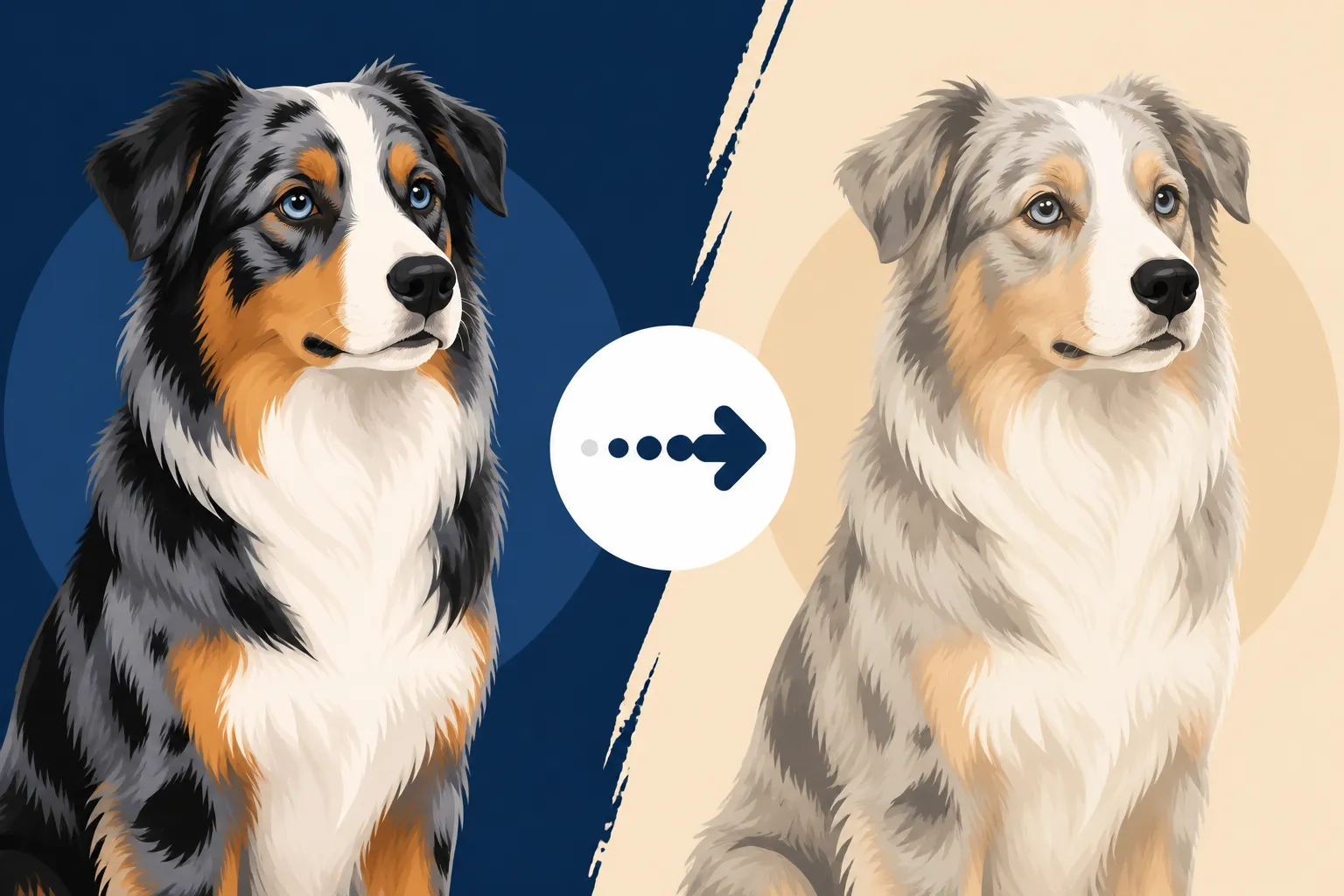
As Australian Shepherds age, their coats, like ours, can undergo natural changes. It's very common to see senior Aussies develop graying around their muzzle and eyes, which is a normal part of the aging process. This isn't specific to merle coats, but it can certainly blend into the existing lighter areas, making the overall contrast less defined. Sometimes, the darker patches in a merle coat can appear to soften in intensity, or the lighter patches might become less distinct from the solid areas, simply due to the aging of the hair follicles themselves.
The texture of the coat can also change with age, often becoming coarser or sometimes even thinner in certain areas. This alteration in hair texture and density can influence how light reflects off the coat, creating a perception of color change. While the underlying merle genetics remain, the way those genes are expressed through aging hair follicles can subtly shift the visual effect. This natural progression is a far cry from "fading" and is an expected part of How an Australian Shepherd Coat Changes With Age.
Grooming Practices and Coat Health
The way you care for your Australian Shepherd's coat plays a huge role in its appearance. A healthy coat is a vibrant coat. Regular brushing, using appropriate tools, and maintaining a good diet can keep the coat looking its best. A neglected coat, full of dead undercoat, mats, or excessive dirt, will inevitably look duller and less defined, regardless of the merle pattern.
For an Australian Shepherd, regular grooming isn't just about looking good; it's about health. Their thick The Australian Shepherd Double Coat Explained requires consistent attention to prevent matting and allow the skin to breathe. If the coat becomes matted or overgrown, it can hide the true vibrancy of the merle pattern. Think of it this way: a beautiful painting looks less impressive if it's covered in dust. Similarly, a well-groomed merle coat will always appear more striking than one that's been left untended. Brushing helps distribute natural oils, removes loose hair, and stimulates blood flow to the skin and follicles. Products from places like Chewy, offering quality brushes and shampoos, can really help maintain that luster. Regularly Brushing an Australian Shepherd Twice a Week is key, especially during coat blow season.
Proper nutrition is also vital. A diet rich in essential fatty acids, vitamins, and minerals supports healthy skin and a shiny coat. If your Aussie's diet is lacking, their coat might appear dull, dry, and lack the rich pigmentation it should have. This isn't the merle fading, but rather a general decline in coat health that affects the overall appearance.
Distinguishing True Fading from Normal Coat Evolution
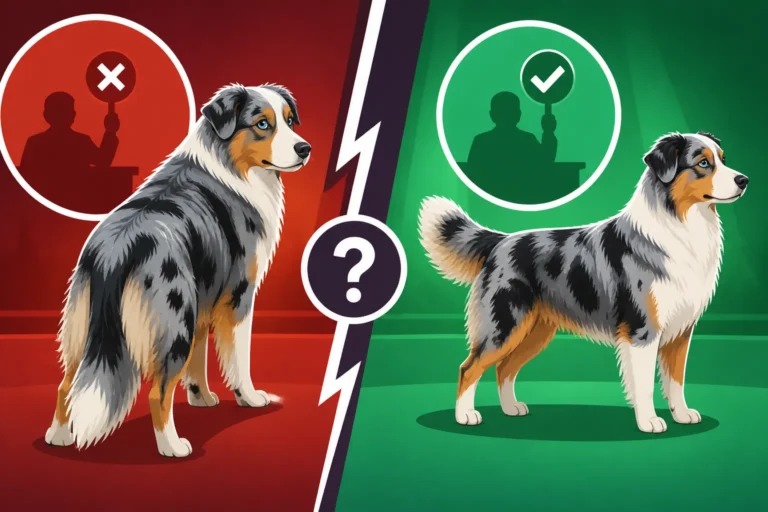
It's easy to look at an adult Australian Shepherd, compare them to their puppy pictures, and wonder if their merle coat has "faded." However, more often than not, what you're observing is a normal and expected part of canine development and aging, rather than a genuine loss of the merle pattern itself.
The Myth of "Fading" vs. Natural Maturation
Many owners observe that the distinct, crisp lines of a merle puppy's pattern seem to soften or blur slightly as the dog matures. This is rarely true fading. Instead, it's typically a result of the puppy coat being replaced by a denser, thicker adult coat. The guard hairs grow longer and coarser, and the dense undercoat fills in, which can subtly change how the light hits the coat and how the pattern is perceived. What once looked like sharp, defined patches might now have a more blended or muted appearance. This is just part of the natural maturation of their How an Australian Shepherd Coat Changes With Age.
Consider the example of a blue merle Aussie. As a puppy, the black patches might be intensely dark, and the dilute areas a clear, light silver. As they grow, the black might develop a rich, deep sheen, and the silver might become a more nuanced grey. The contrast can remain, but the quality of the colors changes. This isn't fading; it's growth and development. The merle gene is still doing its job, but it's now working with a fully mature hair follicle and a much more substantial coat structure, which can include multiple layers as detailed in What the Undercoat Does on an Aussie.
Another aspect of natural maturation is the development of "ticking" or "roaning" in some merle coats. These are small, dark spots that can appear in the lighter merle areas as the dog gets older. They are not signs of fading but rather another genetic expression that becomes more apparent with age. It adds another layer of complexity to the merle pattern, making it even more unique.
Recognizing Health-Related Coat Changes
While true "fading" of the merle pattern is rare, changes in coat color or quality can sometimes be indicators of underlying health issues. It’s important to know the difference so you can address any concerns with your veterinarian.
One common issue that can affect coat appearance is a poor diet or nutritional deficiency. If your Aussie isn't getting adequate nutrients, particularly essential fatty acids, their coat can become dull, dry, brittle, and even take on a reddish tinge, especially in darker areas. This isn't the merle pattern fading, but the coat itself losing its healthy luster and pigment integrity. Similarly, certain medical conditions, such as hypothyroidism or other hormonal imbalances, can lead to a dull, dry, or thinning coat, sometimes accompanied by changes in color. This isn't about the merle pattern disappearing, but about the hair follicles themselves being unhealthy.
Allergies are another significant cause of coat problems in Australian Shepherds, leading to Australian Shepherd Skin, Coat and Allergy Problems. Constant itching, scratching, and licking can damage the hair follicles, leading to thinning hair, hot spots, and even discoloration. In these cases, the focus isn't on the merle pattern but on treating the underlying allergy to restore coat health.
Here's a quick guide to help you differentiate between normal coat evolution and potential issues:
| Characteristic | Normal Coat Evolution (Expected) | Potential Health Concern (Consult Vet) |
|---|---|---|
| Merle Definition | Initial crispness softens to a blended, mature pattern. | Sudden, widespread loss of pattern, dullness, or uneven discoloration. |
| Color Intensity | Colors deepen or become richer; contrast may appear softer. | Dark areas turn rusty/reddish without sun exposure; overall dullness. |
| Coat Texture | Puppy fluff replaced by denser, coarser adult guard hairs/undercoat. | Excessive dryness, brittleness, thinning, or unexplained hair loss. |
| Skin Condition | Healthy, flexible skin visible when parting coat. | Redness, flakiness, excessive oiliness, bumps, or sores. |
| Other Symptoms | None, dog is otherwise healthy and energetic. | Lethargy, weight changes, excessive itching, ear infections, behavioral shifts. |
If you notice any significant or sudden changes in your Australian Shepherd's coat that don't seem to fit the pattern of normal maturation, especially if accompanied by other symptoms, it's always best to consult your veterinarian. They can help rule out any underlying health issues and ensure your Aussie is as healthy on the inside as they are beautiful on the outside. Remember, good coat health often starts with good nutrition, and places like Chewy can be a great resource for high-quality dog food options that support skin and coat.
In conclusion, while your Australian Shepherd's merle coat might not look exactly the same as it did when they were a tiny puppy, it's highly unlikely to "fade" in the way many owners fear. What you're witnessing is usually the beautiful, natural maturation of their unique genetic masterpiece, shaped by their environment and overall well-being. Embrace the evolution of their stunning coat, and continue to provide them with the best care to keep it vibrant for years to come.
Disclaimer
This article is for general informational purposes only and does not constitute professional advice. Laws, prices and regulations vary by location and change over time. Consult a qualified professional for guidance on your specific situation.