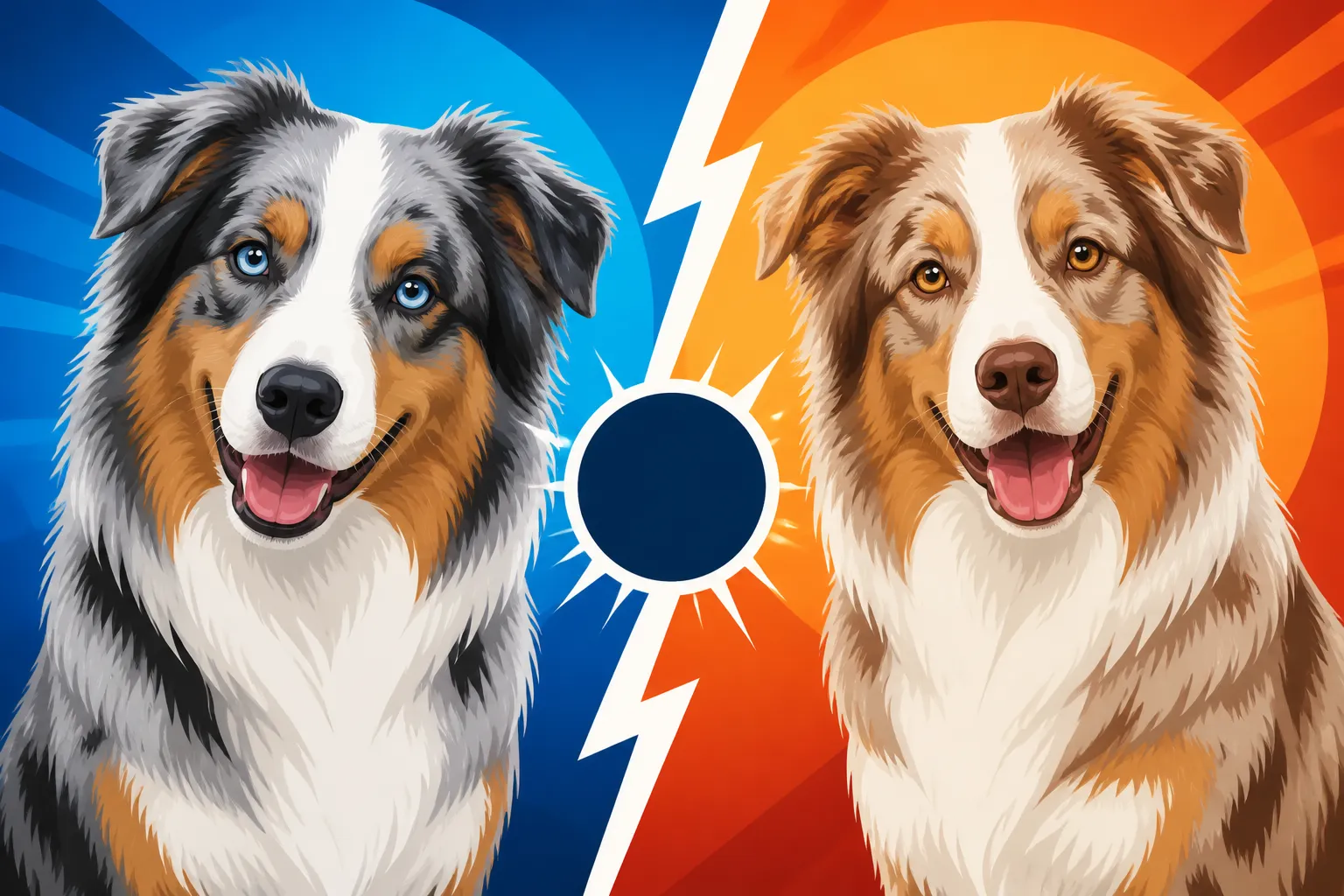
Blue Merle Against Red Merle Australian Shepherds
Choosing between a blue merle and a red merle Australian Shepherd is one of the most exciting yet confusing decisions a prospective owner can face. While their swirling coat patterns and striking eye colors draw endless attention, many dog lovers find themselves overwhelmed by conflicting advice about genetics, health risks, and coat maintenance. This guide breaks down every practical and genetic difference between blue and red merles so you can make an informed, confident choice for your home.
The Genetics Behind Blue Merle and Red Merle Coats
When you look at a blue merle and a red merle standing side by side, you are looking at the exact same genetic pattern playing out over two completely different base colors. Many new owners assume that merle is a color in itself, but in reality, merle is a pattern modifier. It dilutes random sections of the dog’s coat while leaving other patches fully pigmented. To truly understand why one dog looks like silver marble and another looks like warm cinnamon, you have to look at the underlying pigment genes.
The Eumelanin Base: Black Versus Red
Every Australian Shepherd possesses genes for pigment production. Black pigment is dominant, while red pigment is recessive. A blue merle is genetically a black dog. Because the black gene is dominant, a dog only needs one copy of the black gene to produce black pigment in its coat, skin, nose, and eye rims.
A red merle, on the other hand, is genetically a red dog. Red is recessive, meaning a puppy must inherit a copy of the red gene from both parents to show red pigment. If you look closely at a red merle’s nose, lips, and eye rims, you will notice they are always liver brown or flesh-toned, never black. Understanding What Makes a Red Merle Aussie Red helps explain why their entire color profile—from their pads to their fur—carries those warm, liver-toned pigments without a single trace of black hair.
How the Merle Allele Modifies the Coat
The merle allele acts like a pair of random scissors working on the dog’s base coat. When a dog inherits one copy of the merle gene (heterozygous merle), the allele suppresses full pigment expression across irregular patches of the coat.
On a genetically black dog, the merle gene dilutes parts of the black hair into shades of slate grey, charcoal, or silver-blue, creating Blue Merle Australian Shepherd Coat Patterns. The un-diluted patches remain solid black. On a genetically red dog, the same merle allele dilutes parts of the red hair into cream, buff, or soft pinkish-tan, leaving patches of deep red or liver untouched. Learning How Merle Works in an Australian Shepherd Coat reveals that the underlying mechanism is identical in both coats; only the foundation pigment changes.
Color Comparison Matrix: Blue Merle vs. Red Merle
Note: Pipe table format used below.
| Trait | Blue Merle Australian Shepherd | Red Merle Australian Shepherd |
|---|---|---|
| Genetic Base Pigment | Black (Dominant) | Red / Liver (Recessive) |
| Diluted Coat Shades | Slate grey, silver, charcoal, powder blue | Buff, pinkish-tan, light cinnamon, cream |
| Solid Coat Patches | Pure black | Deep red, liver, rich copper-brown |
| Nose & Leather Pigment | Solid black or black-spotted | Liver brown or flesh-toned |
| Common Eye Colors | Dark brown, blue, marbled/split blue-brown | Amber, light hazel, blue, marbled blue-amber |
| Sun Sensitivity Risk | Moderate around pink muzzle tissue | Slightly higher on pink nose/eye tissue |
Visual Differences, Eye Colors, and Physical Traits
Beyond the base fur color, blue and red merles exhibit subtle visual distinctions that affect their overall expression and appearance. Neither coat color is inherently superior in working ability, temperament, or intelligence, but the visual contrast between the two can be striking depending on white and copper trim combinations.
Patch Patterns and Background Shades
No two merle Aussies ever look identical. The distribution of dark patches over the lighter diluted background is completely random. A blue merle might present a dark, dramatic coat with large midnight-black torn-paper patches over dark slate, or a light powder-blue coat with tiny, delicate black speckles.
Red merles display a similar range of intensity. Some feature deep mahogany patches over warm cinnamon undertones, while others have lighter red patches over a light beige background. Trim options further customize their look. Both blue and red merles can present as solid merles, merle and white, merle and tan (copper), or full tricolor patterns featuring merle, white, and copper points on the cheeks, legs, and chest.
Heterochromia and Pigment Variation in Merle Eyes
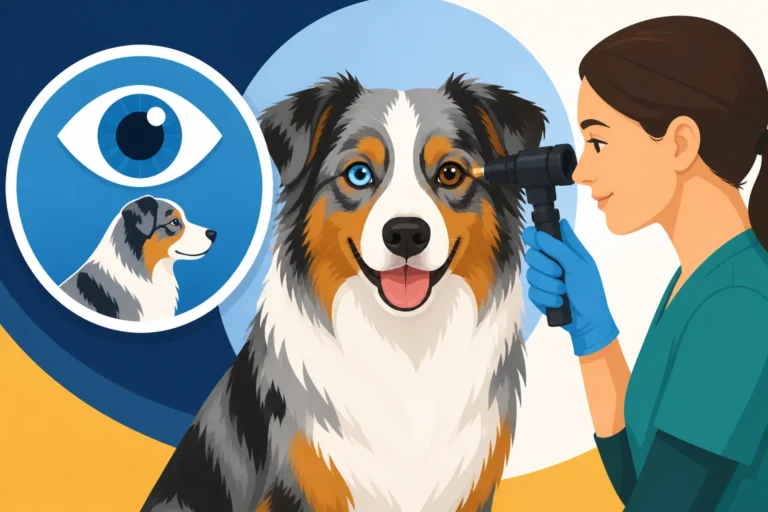
One of the most captivating aspects of the merle pattern is its impact on eye color. The merle allele randomly removes pigment from the iris just as it does from the fur. This often produces heterochromia—having two different colored eyes—or marbled eyes where shades of blue and brown split across a single iris.
In blue merles, dark brown eyes contrast dramatically against blue marbled segments. In red merles, pigment loss usually results in bright amber, hazel, or green-tinged brown eyes alongside bright sky-blue segments. Exploring Australian Shepherd Eye Colors and Split Eyes demonstrates how pigment loss in the iris creates these mesmerizing visual effects. It is common to see One Blue Eye and One Brown on an Aussie, giving the dog an attentive, intense expression that ranch owners and companion families love alike.
Health Considerations and Merle Genetics
A common misconception among first-time dog owners is that one color variation carries higher health risks than the other. In truth, a healthy blue merle and a healthy red merle carry the exact same genetic health baseline. Color alone does not dictate vitality, joint integrity, or longevity. However, improper breeding practices involving the merle gene can introduce severe health complications.
Debunking Single Merle Health Myths
A dog with one copy of the merle gene (whether blue or red) is considered a single merle. Single merles generally enjoy robust health and face no higher risk of inherent blindness or deafness than non-merle solid or tricolor dogs, provided they come from responsible breeding programs.
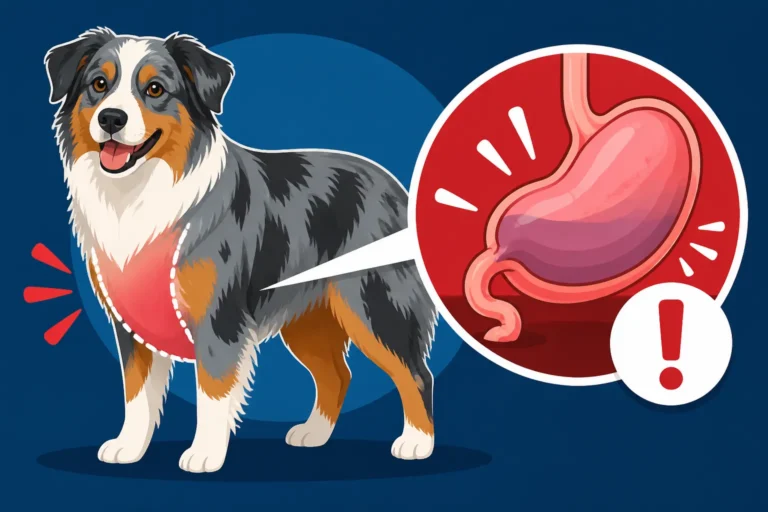
Health issues in Australian Shepherds usually relate to hereditary conditions common across the breed regardless of coat color, such as hip dysplasia, eye anomalies, or drug sensitivities. When planning for a puppy’s lifelong care, pet owners often look into pet health coverage through providers like Healthy Paws to manage unexpected vet expenses for injuries or illness. Color choice does not impact your ability to insure a healthy pup, but ensuring your breeder conducts rigorous parental health testing is essential.
Sun Exposure and Skin Care for Merle Coats
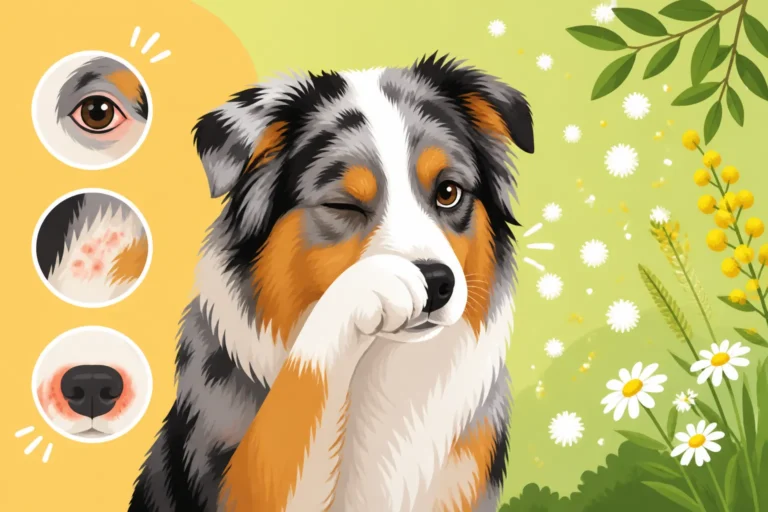
While blue and red merles share similar overall health expectations, coat pigment does play a small role in sun sensitivity. Merles often feature unpigmented pink skin on their muzzles, eyelids, and nose tissue. Because red merles lack black pigment entirely, their liver and pink skin tissue can be somewhat more sensitive to UV radiation during intense summer heat.
Unpigmented pink patches on a dog’s nose can sunburn easily if exposed to prolonged sunlight without shade. Conditions like Nasal Solar Dermatitis on an Aussie Nose can develop if pink tissue is repeatedly exposed to harsh solar radiation. Checking Whether a Merle Aussie Sunburns More Easily helps owners learn simple preventive measures, such as applying dog-safe zinc-free sunscreens or providing overhead shade during peak outdoor hours.
The Danger of Double Merle Breeding
The only significant genetic health threat tied directly to merle coloring occurs when two merle dogs are bred together. Crossing a blue merle with a red merle, or two blue merles, gives every puppy a 25 percent chance of inheriting two copies of the merle allele. These puppies are known as double merles.
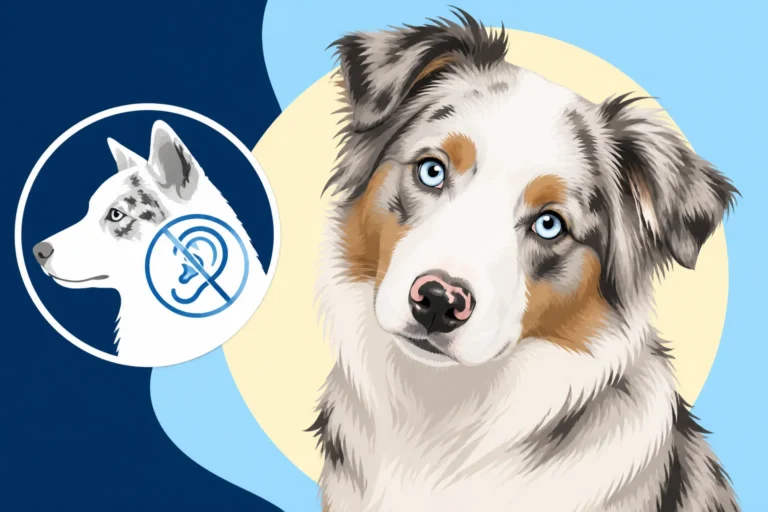
Double merles often lack pigment almost entirely, resulting in predominantly white coats. More importantly, the lack of pigment during fetal development frequently leads to severe congenital defects, including:
- Microphthalmia (abnormally small or underdeveloped eyes)
- Deafness caused by the absence of pigment cells in the inner ear canal
- Corepupil defects and iris deformities
- Partial or complete blindness
Responsible breeders universally avoid these pairings. Understanding Why Aussie Breeders Never Cross Merle to Merle reinforces why ethical breeding protocols are essential to preserving the health of both blue and red line Aussies.
Merle Genetic Inheritance Outcomes
Note: Pipe table format used below.
| Parent 1 | Parent 2 | Expected Offspring Genotypes | Health Outcome |
|---|---|---|---|
| Single Merle (Blue or Red) | Non-Merle (Solid/Tri) | 50% Single Merle, 50% Non-Merle | Normal, Healthy Coat & Pigment |
| Single Merle (Blue or Red) | Single Merle (Blue or Red) | 25% Non-Merle, 50% Single Merle, 25% Double Merle | High Risk of Deafness & Blindness in Double Merles |
| Non-Merle (Solid/Tri) | Non-Merle (Solid/Tri) | 100% Non-Merle | Normal, Healthy Coat & Pigment |
Coat Care, Grooming, and Owning a Merle Aussie
Caring for a merle coat requires identical effort regardless of whether your Aussie is red or blue. Australian Shepherds feature a dense double coat composed of a weather-resistant outer coat and a soft, insulating undercoat. Maintaining color clarity and coat texture comes down to routine grooming practices.
Managing the Double Coat and Color Clarity
Because merle fur consists of varying shades of light and dark hairs blended together, dead undercoat hair can quickly make the coat look dull, matted, or muddy if not removed regularly. During seasonal changes, these dogs undergo significant shedding.
Establishing a consistent grooming routine keeps both blue slate and red cinnamon fur crisp and vibrant. Consistent work with an undercoat rake and slicker brush helps keep loose fur off your furniture while preventing painful mats behind the ears and trousers. Practicing Brushing an Australian Shepherd Through Coat Blow keeps the double coat performing its natural job: insulating against both hot summer air and cold winter winds.
Choosing the Right Breeder and Testing Records
When searching for a blue or red merle puppy, prioritize health testing over color preference. A flashy coat should never take precedence over structural soundness and clear genetic panels. Unethical breeders sometimes price red merles or blue merles at inflated rates by marketing them as rare, but neither color variation is rare in properly managed lines.
A reputable breeder provides documented health clearances for both parents. Asking for The Genetic Panel Every Australian Shepherd Needs ensures that parents have been screened for hip dysplasia, elbow health, hereditary cataracts, and common drug sensitivities. Many owners choose to secure coverage through Healthy Paws early in their puppy’s life, ensuring peace of mind before any pre-existing condition windows close. Healthy Paws policies can help manage costs related to unexpected genetic or accidental health needs down the road, leaving you free to focus on training and bonding with your new companion.
Ultimately, whether you bring home a deep charcoal blue merle or a warm cinnamon red merle, you are welcoming a devoted, high-energy working dog into your life. When you focus on genetic health, responsible breeding, and consistent care, either color option will reward you with years of loyal companionship and impressive athleticism.
Disclaimer
This article is for general informational purposes only and does not constitute professional advice. Laws, prices and regulations vary by location and change over time. Consult a qualified professional for guidance on your specific situation.